Why lift and coast in qualifying 'should no longer be a thing' at the Miami GP
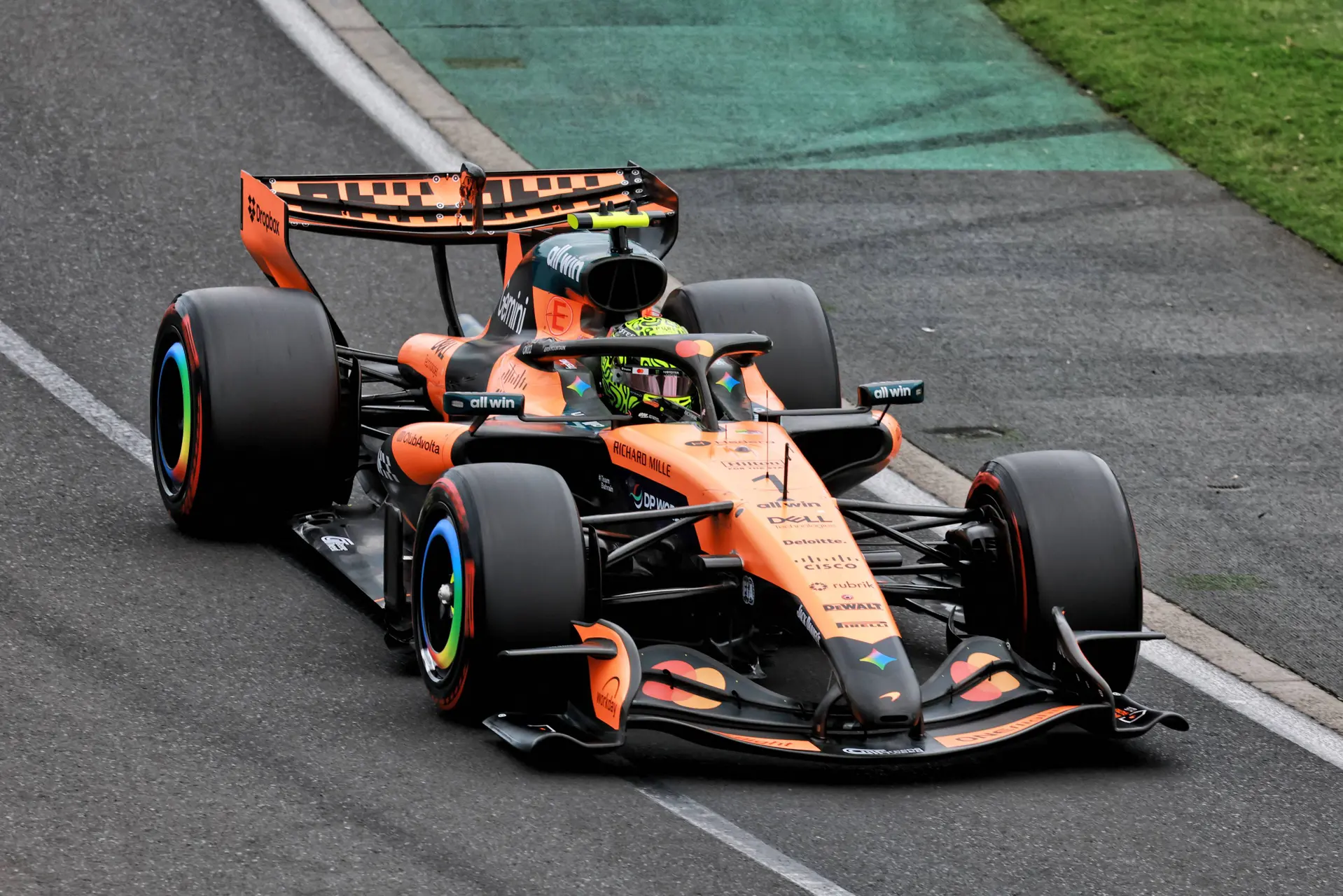
Photo: Race Pictures
18:01, 30 Apr
2 Comments

Henry Eccles is a freelance Formula 1 journalist for GPblog, covering breaking news, live race blogs, and features across the F1 calendar. Since joining in 2026, he has produced high-volume reporting on the sport’s biggest stories, alongside feature pieces including analysis and historical content.
McLaren's technical director for performance, Mark Temple, has explained why drivers' frustrations with having to lift and coast during qualifying should be eased thanks to the latest tweaks introduced for this weekend's Miami Grand Prix.
Qualifying has been a major source of discontent among F1 drivers and fans alike throughout the opening races of 2026, with critics lamenting the fact that drivers have to counter-intuitively attack corners more slowly in order to recharge their batteries and ultimately achieve faster lap times.
After a series of April meetings, F1 stakeholders agreed on a set of revised rules to be introduced in Miami, addressing concerns around qualifying, racing, and safety. Among the changes are a reduced recharge in qualifying, increased super-clipping power, a boost cap of +150 kW, as well as aids to slow race starts.
The former two - a reduced harvesting limit from eight megajoules (MJ) to seven, and an increase in super-clipping power from 250kW to 350 - are changes focused on by McLaren's Temple, who believes the need to lift and coast in qualifying should now be a thing of the past.
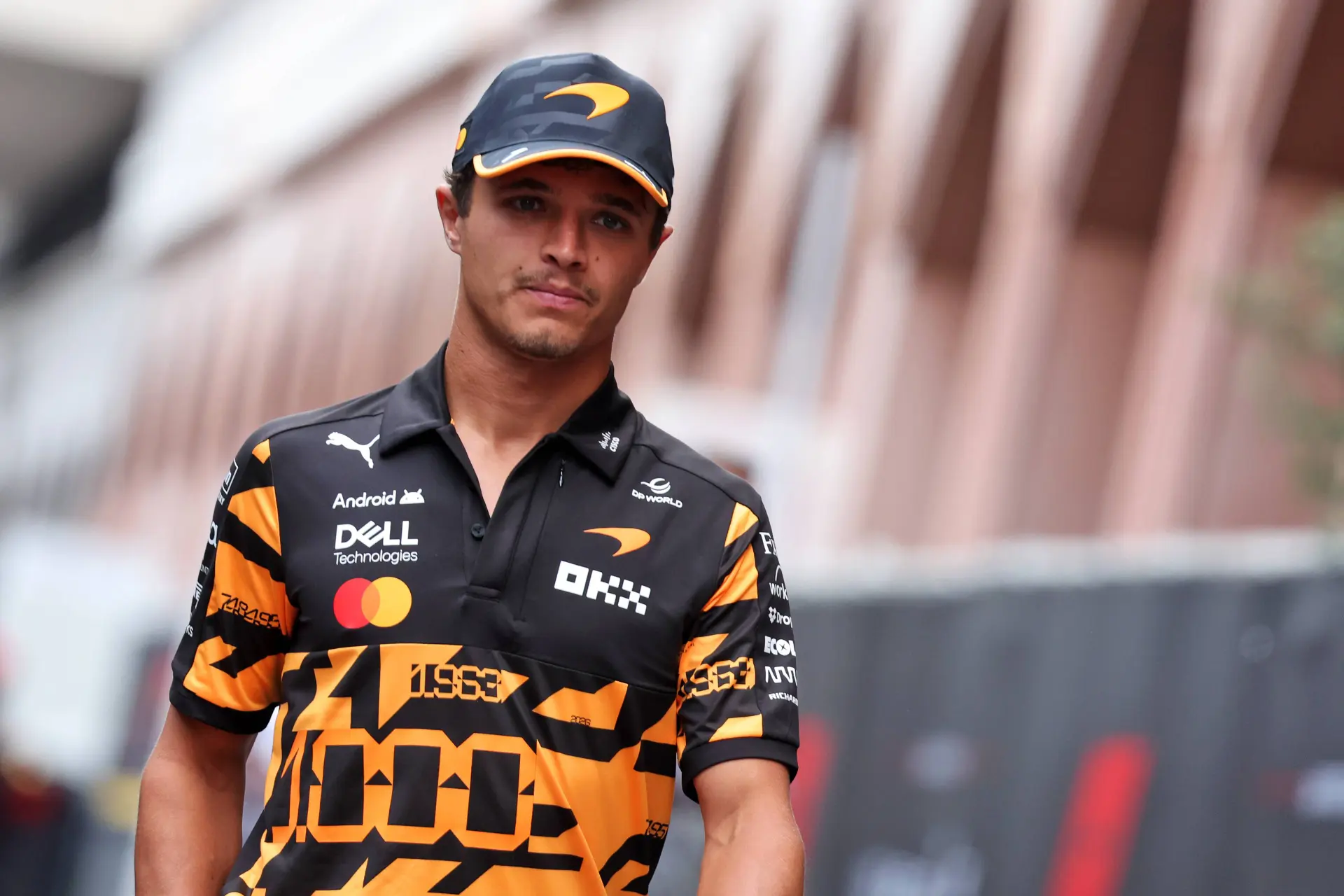
McLaren say qualifying should feel 'more natural' after April tweaks
ADVERTISEMENT

Photo: Race Pictures
Speaking to media, including GPblog, on the recent changes, Temple explained: "The biggest impact is from a driving point of view. The idea is to get rid of some of these things that the drivers don't like doing in qualifying.
"The idea of the car coasting for a long period of time into the high-speed chicane rather than a more natural feeling of staying on full throttle and then braking harder.
"There are two parts to it. One of them is what we call lift and coast, which should no longer be a thing in qualifying, which is where the driver actually lifted off the throttle and then coasted into the braking zone and then hit the brakes.
"We've now got a situation where it's more efficient and that's controlled by the power unit, so the driver can stay at full throttle and the power unit will recover the energy, straight mode will stay active, so the car slows down less."
ADVERTISEMENT
"And then they also have the more natural feeling of going from full throttle directly onto the brakes rather than having this intermediate phase. In addition, the total amount of time and the duration of any single super clip or coasting phase is significantly reduced. So, when you do have that, it's quite small."
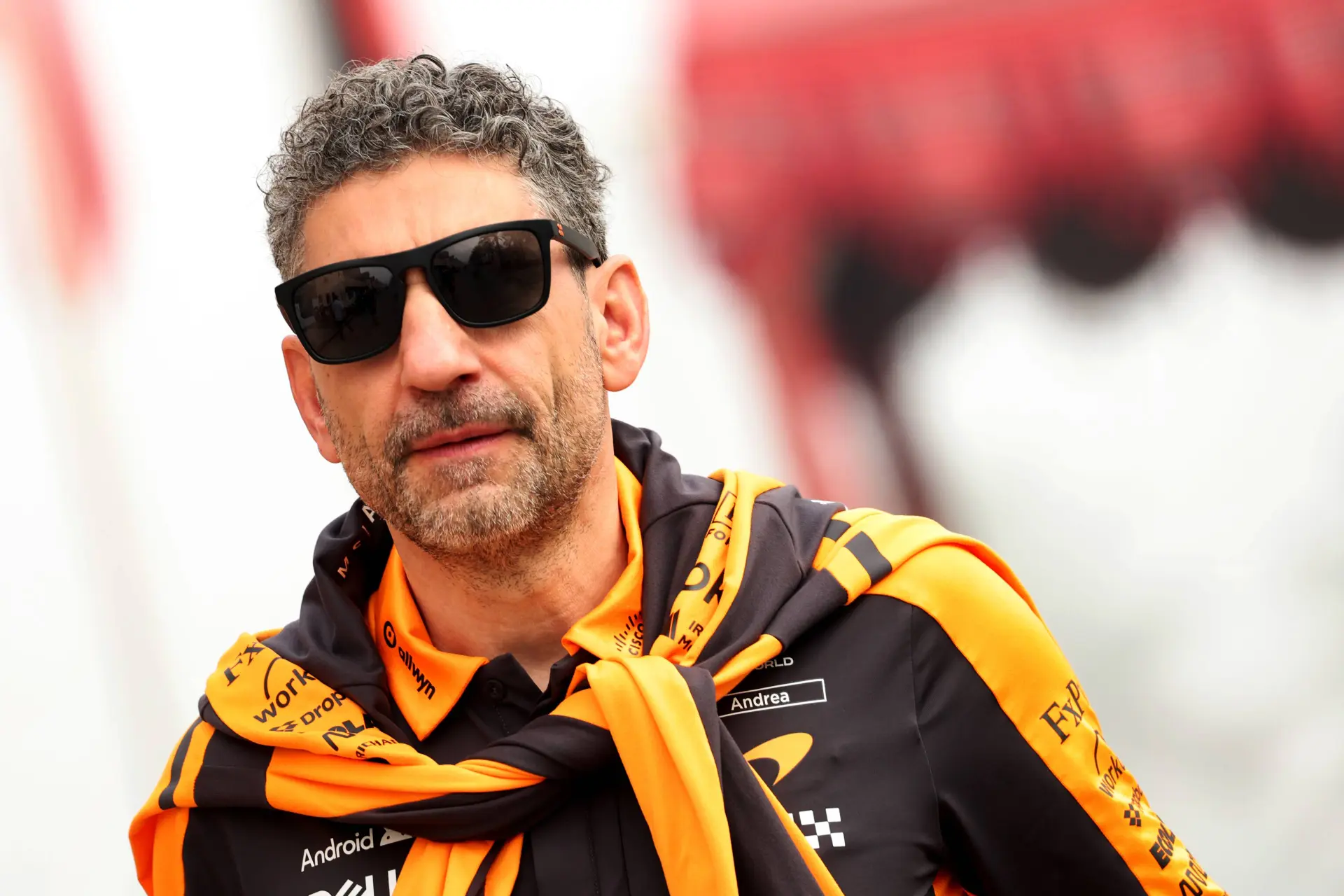
Temple concluded that the updated 2026 rules will allow the drivers to perform more naturally than they have done so far - suggesting that qualifying will now look more similar to previous years as the procedures become more simplified for those behind the wheel.
“It’s actually much closer to some of the examples we’ve seen in previous years around tyre management or low levels of fuel management. So that will make qualifying feel much more natural to the drivers.
“There’s also some other more, let’s say, complicated rules that are just around the energy deployment and some of the intricacies of the way the energy is controlled that just simplify certain things for the driver."
ADVERTISEMENT

Don’t miss GPblog in Google
Mark us as a preferred source and our articles will appear more often at the top of Top Stories.
Add as a preferred / source on GoogleRead more about:
latest news
Azerbaijan Grand Prix
Overview
Thursday 24.09.26
Practice 1
08:30 AM
Practice 2
12:00 PM
Friday 25.09.26
Practice 3
08:30 AM
Qualification
12:00 PM
Saturday 26.09.26
Race
11:00 AM
Thursday 24.09.26
Practice 1
Thu 08:30 AM
Practice 2
Thu 12:00 PM
Friday 25.09.26
Practice 3
Fri 08:30 AM
Qualification
Fri 12:00 PM
Saturday 26.09.26
Race
Sat 11:00 AM
Times are in your local timezone
Rumors
Popular on GPBlog

1
Hamilton reportedly pushes Ferrari to replace key trackside figures as Vasseur relationship cools
13187 times read
2
Haas has made a difficult choice: this driver is set to replace Ocon
1607 times read
3
Verstappen highlights painful detail after impressive win over 100 kart drivers
1235 times read

4
Verstappen takes 35 minutes to complete epic kart challenge
1207 times read
F1-stand 2026
Season
| Pos. | Driver | Team | Points |
|---|---|---|---|
1 | MercedesMER | 292 | |
2 | MercedesMER | 211 | |
3 | FerrariFER | 191 | |
4 | McLarenMCL | 186 | |
5 | FerrariFER | 167 | |
6 | Red Bull RacingRBR | 145 | |
7 | McLarenMCL | 120 | |
8 | Red Bull RacingRBR | 71 | |
9 | Racing BullsRCB | 59 | |
10 | AlpineALP | 41 |
Loading