
Shanna is a Formula 1 journalist at GPblog, specializing in both F1 and endurance and GT racing. With a Master’s degree in Journalism and experience at international circuits, she provides in-depth, reliable coverage and insights based on her presence at Grands Prix and racing events worldwide.
Red Bull Racing is testing new brake discs in Austin that are intended to give Max Verstappen more confidence under braking. GPblog understands that the modified Brembo discs should better suit the Dutchman's preferences. The main benefit should be a more predictable response from the brakes, both during an individual braking manoeuvre and over the course of a full race.
After victories in Malaysia and Singapore, Red Bull is continuing to look for ways to improve the RB22. In Austin, this includes a modification to the front brakes. GPblog understands that the brake discs have a revised surface pattern. Red Bull hopes this will make their performance more consistent across a wider range of conditions. The initial response when Verstappen presses the brake pedal, also known as the ‘bite’, should remain roughly the same. The change is focused mainly on what happens after that.
Why Red Bull are changing the brake discs
When braking, the brake pads press against the rotating disc. The resulting friction slows the car and generates a great deal of heat. How predictably this process unfolds is important for the driver's confidence. The same pressure on the pedal should produce as similar and predictable a braking response as possible.
Temperature plays an important role with carbon brakes. Brakes that are too cold or too hot can respond differently, forcing a driver to adjust their braking. In its technical explanation, Brembo therefore stresses the importance of a usable operating temperature range and a predictable response at different braking pressures.
ADVERTISEMENT
The modified surface pattern should help Red Bull improve that consistency. The exact appearance of the pattern and the physical mechanism that makes the difference are not known. The intended benefit, however, is clear: Verstappen should be able to rely on the same braking characteristics in a wider range of conditions.

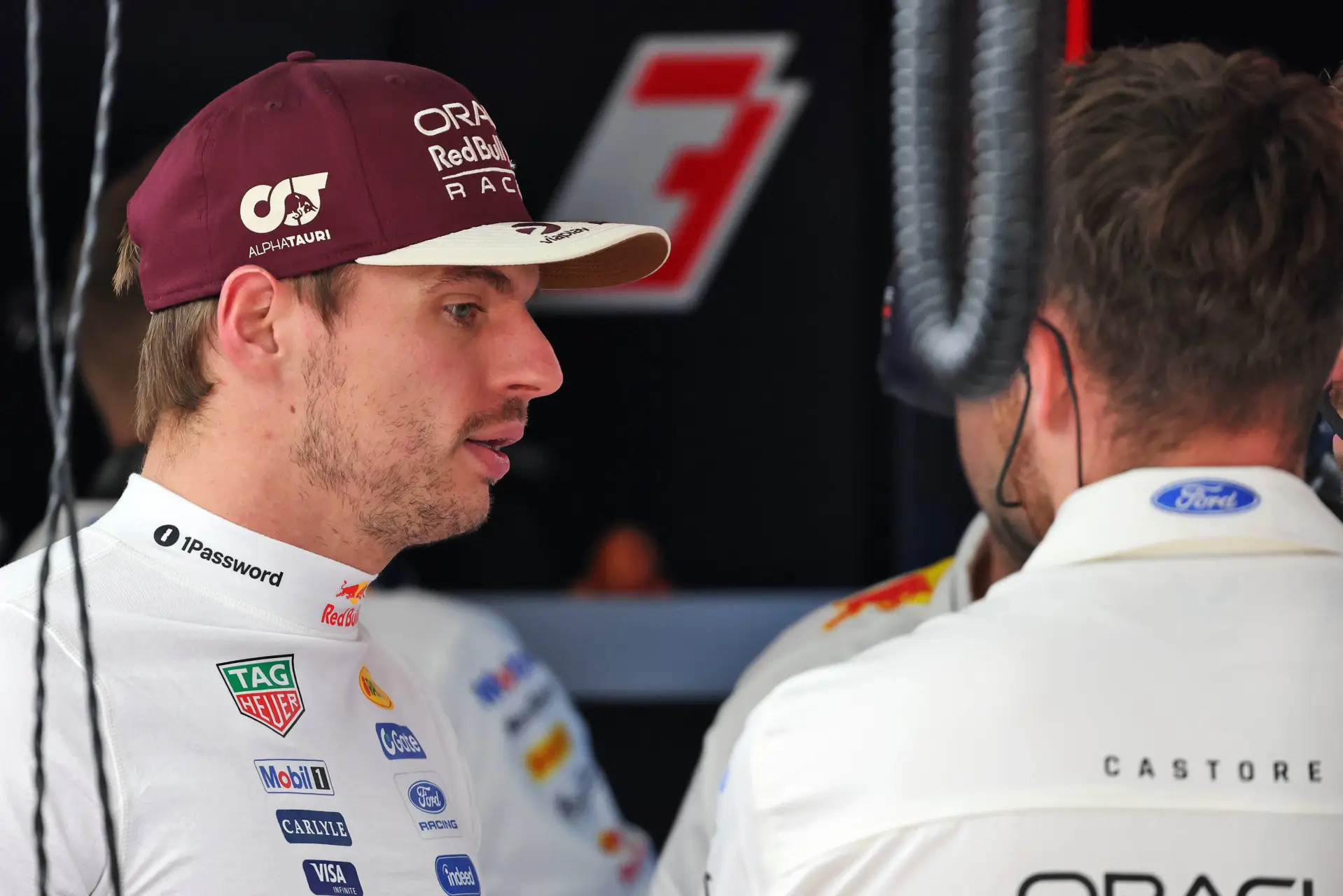
Max Verstappen hopes to benefit from this change by Red Bull Racing and Brembo - Photo: Red Bull Content Pool
How Verstappen can benefit
Braking involves more than simply pressing the pedal as hard as possible. As a driver approaches a corner, they initially brake hard, then gradually ease off the pressure. As they turn in, they may maintain some of that braking pressure. Precision is particularly important during this transition: the front tyres must both slow the car and steer it into the corner.
A predictable response helps the driver coordinate those two tasks. If the brakes bite harder than expected, the risk of a wheel locking increases. If the braking effect is weaker than expected, the car may reach the corner carrying too much speed. This is where Verstappen could gain the most. If the braking remains more consistent as he eases off the pedal, he can judge more precisely how much speed to carry and how to position the car.
ADVERTISEMENT
That could give him the confidence to brake closer to the limit of available grip. The change does not automatically mean Verstappen can brake later at every corner or immediately achieve a shorter stopping distance. Red Bull is primarily trying to make the brakes more predictable, so that he can repeat his preferred braking manoeuvre more often and more precisely.
This could also prove valuable over a longer stint. Conditions change as a result of wear, fluctuating temperatures and a decreasing fuel load. Brakes that continue to respond reliably in those conditions require fewer adjustments from the driver. The test in Austin will show how much of an advantage the new discs actually deliver. The lessons learned can then also be applied to the development of the RB23 for 2027.

Don’t miss GPblog in Google
Mark us as a preferred source and our articles will appear more often at the top of Top Stories.
Add as a preferred / source on Google