McLaren addresses major flaw flagged by Verstappen and Norris under regulation
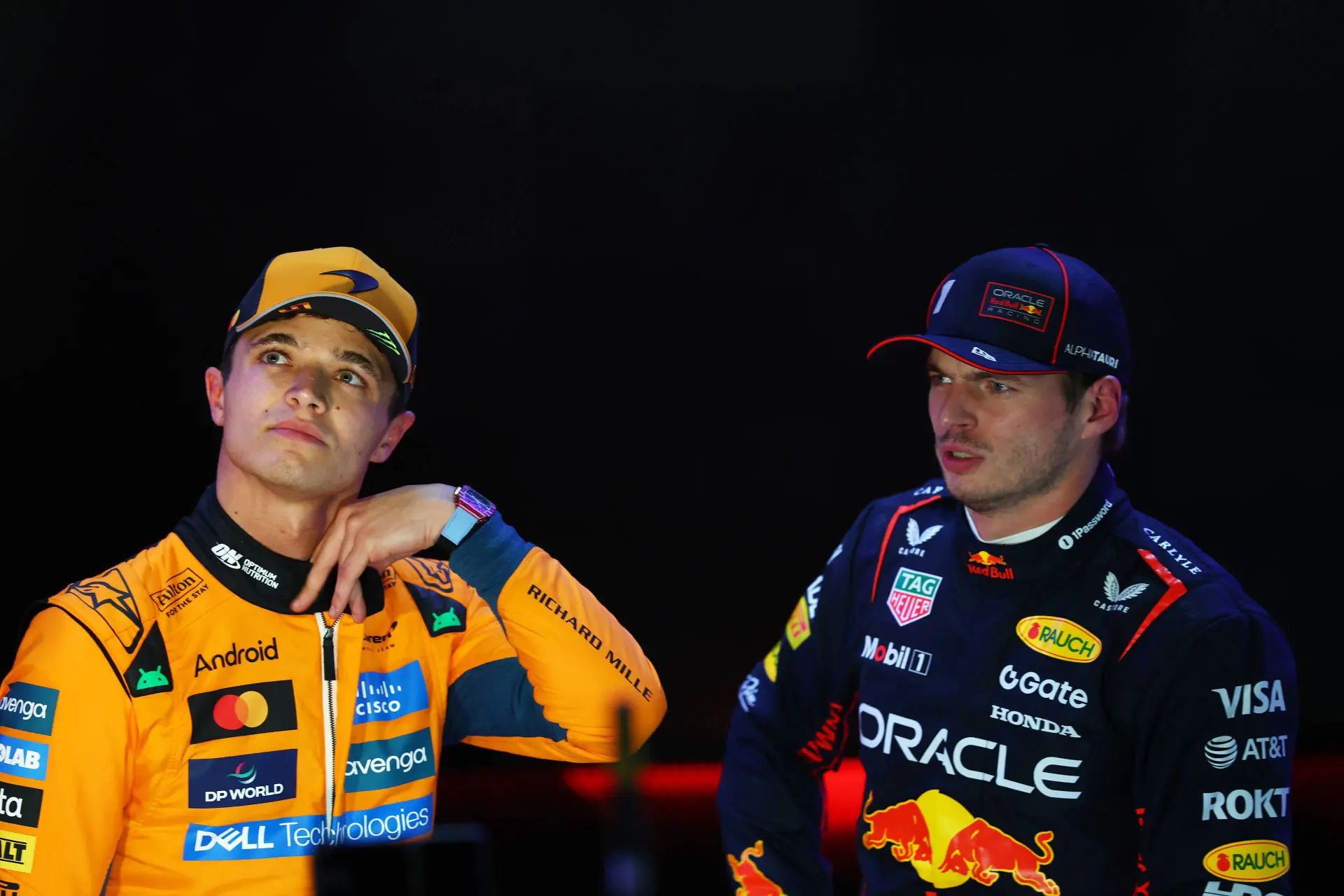
Photo: Red Bull Content Pool

Samson Ero is a Formula 1 editor at GPblog with seven years’ experience in sports media. He covers key paddock developments, offering analysis on drivers, teams, and performance trends, with work featured on leading platforms.
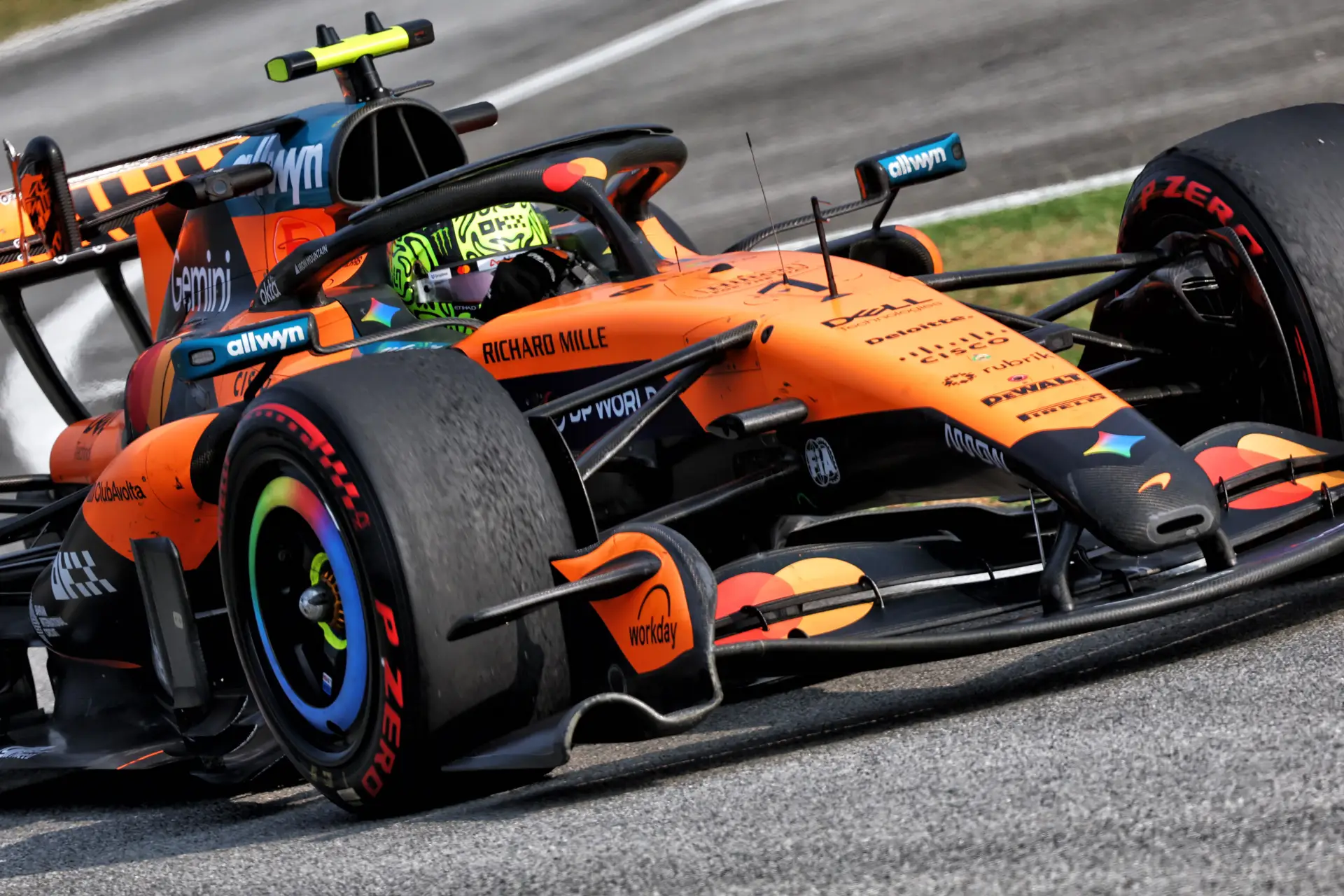
McLaren team principal Andrea Stella has addressed the overtaking flaw highlighted by both Lando Norris and Max Verstappen during the Japanese Grand Prix.
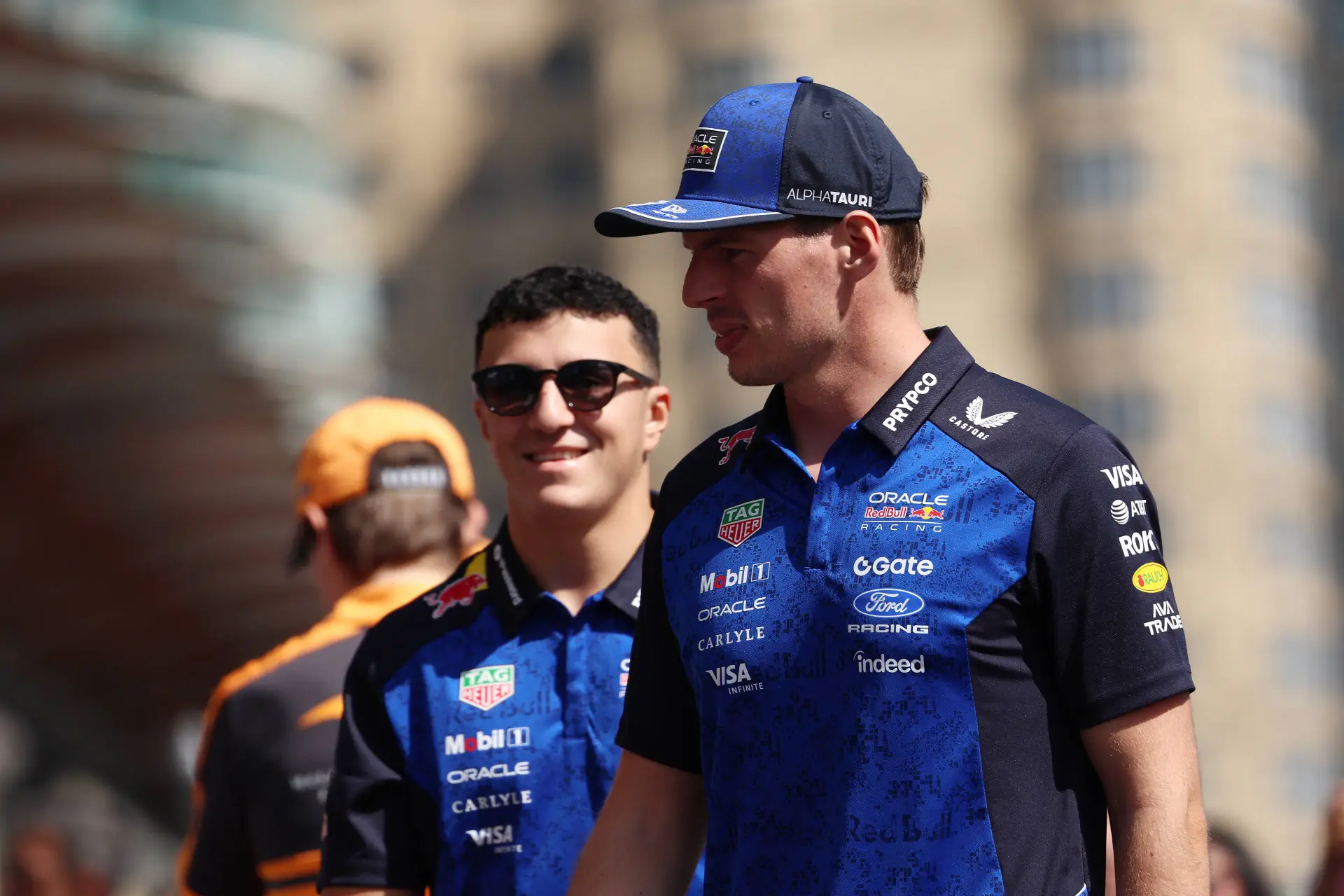
In their post-race comments, Norris and Verstappen pointed out that they were effectively forced into attempting overtakes as soon as they got within a second of the car ahead. The pair also noted that battery deployment appeared to occur automatically, which they believe is a limitation of the current regulations.
However, responding to those concerns, Stella explained that the characteristics of the circuit played a significant role in how energy was deployed.
“What happens on a track like this, where you have three straights one after the other, is that you won’t have enough energy for all three. So you kind of have to pick when you want to attack or defend,” Stella said.
Follow
GPblog on social media to stay updated on all Formula 1 news: Facebook, Instagram
and Tiktok.
ADVERTISEMENT
“We saw today that, for instance, when following Ferrari, the right place to attack was between Spoon and the chicane. There, if you press the boost button, you’re going to have an extension of the MGU-K deployment. This will use a lot of your energy and make the speed approaching 130R very high. We’re talking about 340 km/h,” he further explained.
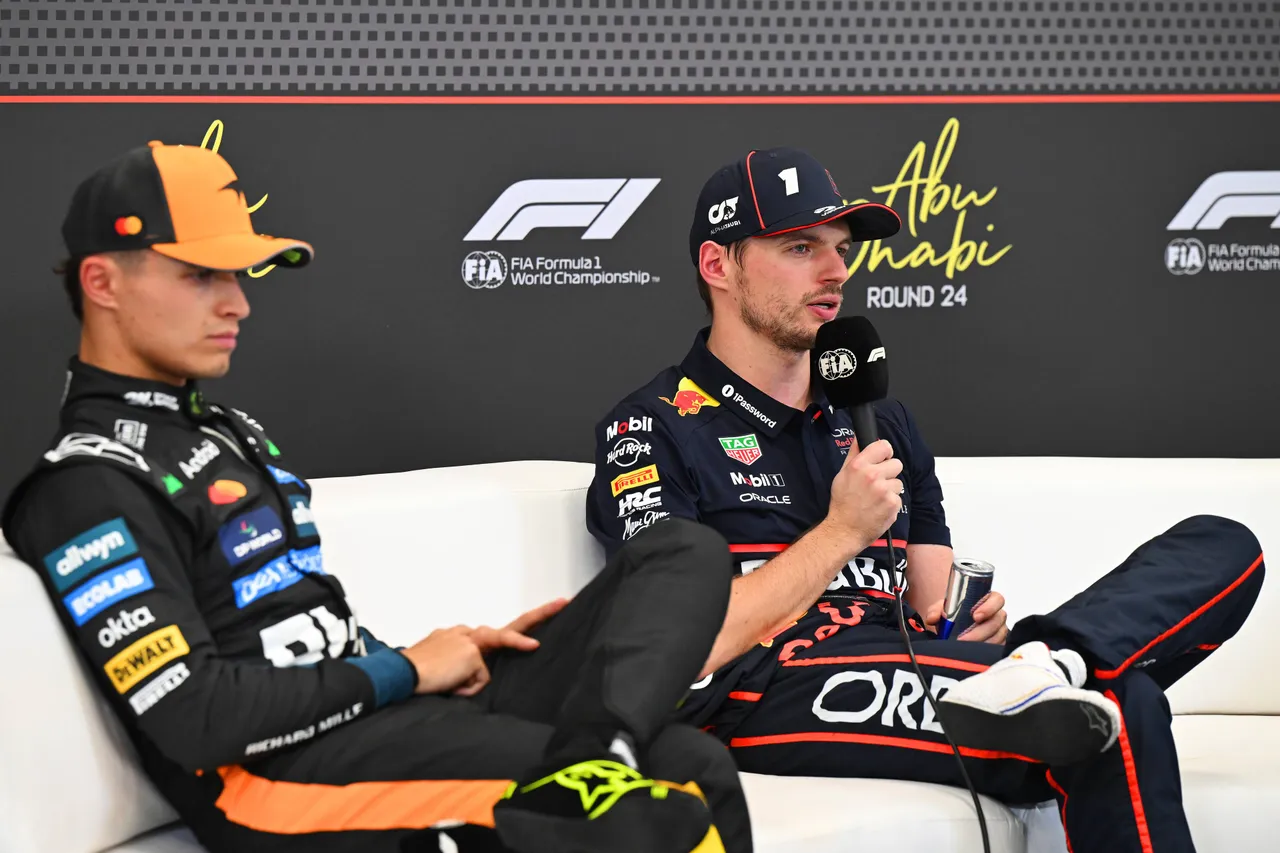
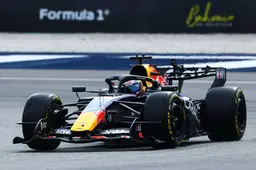
Lando Norris and Max Verstappen - Photo: Red Bull Content Pool
“At 340, 130R is no longer a flat-out corner. So you don’t only lift because you want to recharge; you lift because otherwise you would have a problem from a stability point of view. So lifting in 130R is not only related to energy management, it’s a grip-limited condition. Once you lift, and, for instance, you have not been able to overtake, then if you go back on power, you will have to comply with some regulations that force you to deploy the electrical engine,” he continued.
Make GPblog
your preferred source on Google and see our content first in Google Discover and Google News.
The McLaren boss suggested that the FIA should review the current battery deployment rules to allow teams greater flexibility, something he believes would improve racing under the new regulations.
ADVERTISEMENT
“This means that you will have to use even more of your battery. And very likely, this means that if you have completed your overtake, you are now going to be short on battery after the chicane."
Read also
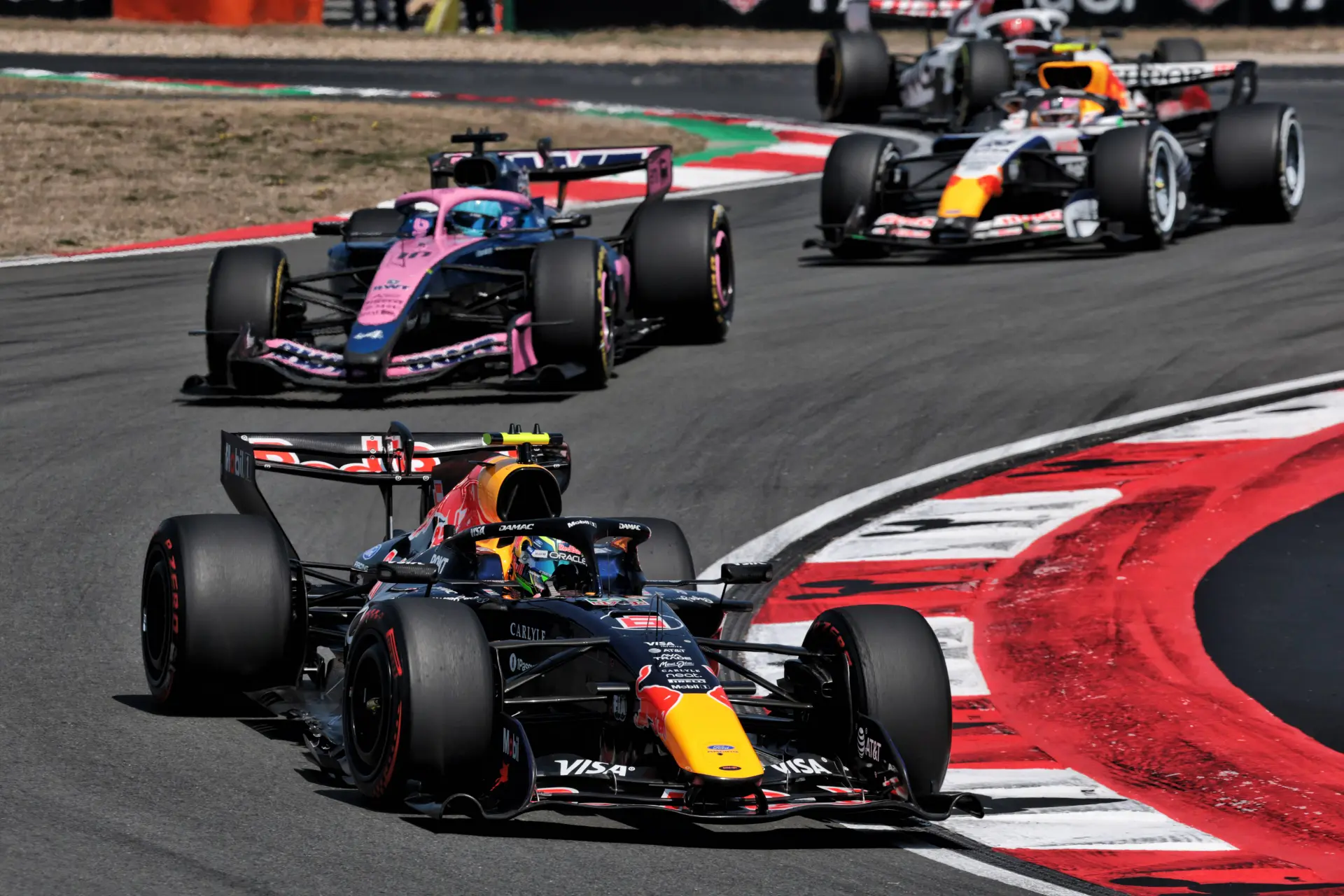

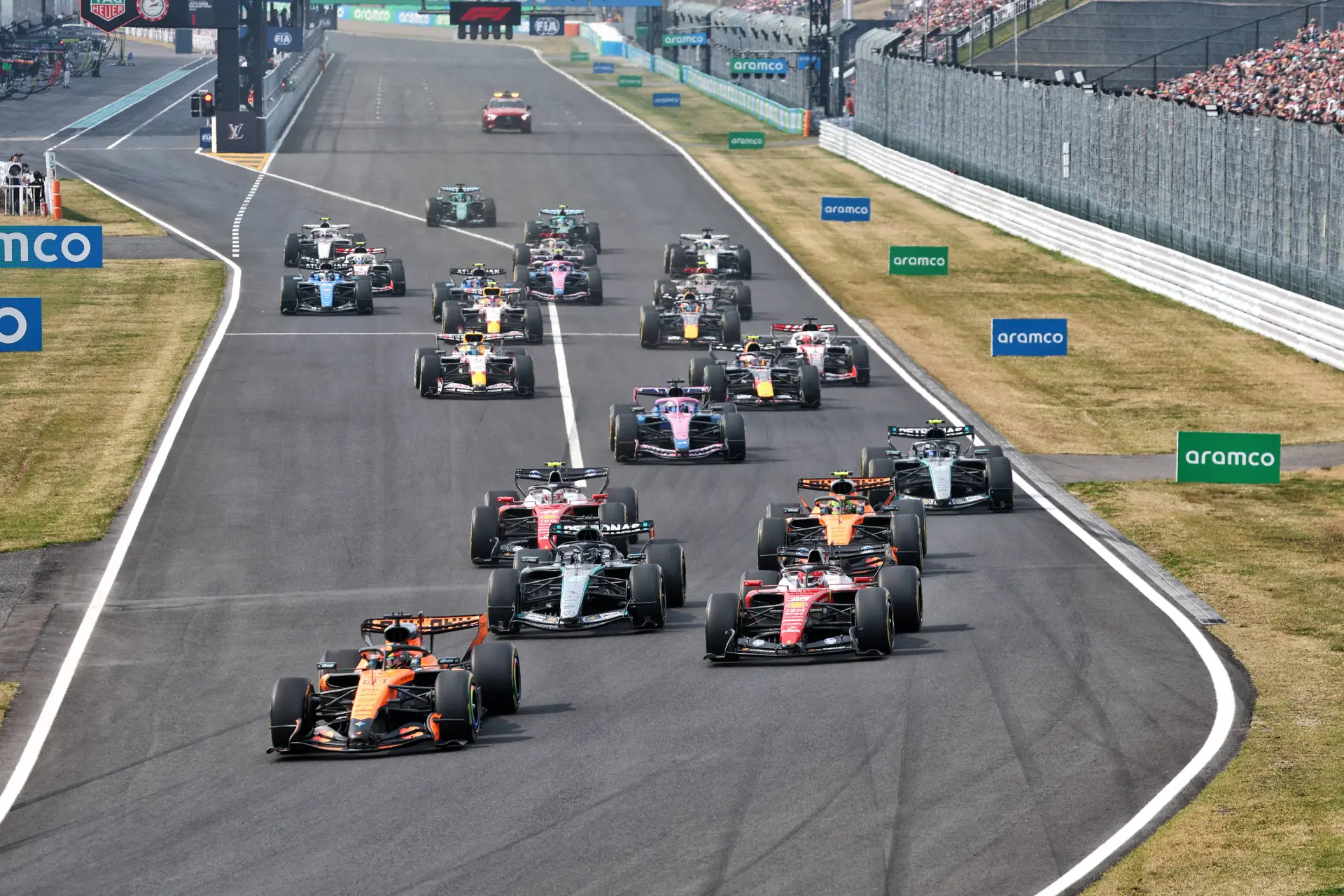
“That’s why we saw overtakes being reversed from the chicane to Turn 1. So this is, for instance, something that, from a regulatory point of view, is probably avoidable. You could allow engineers to select sections of the circuit where, after you have lifted, if you go back on power, you may actually have no electrical engine deployment, giving you more freedom in how you use the battery.”
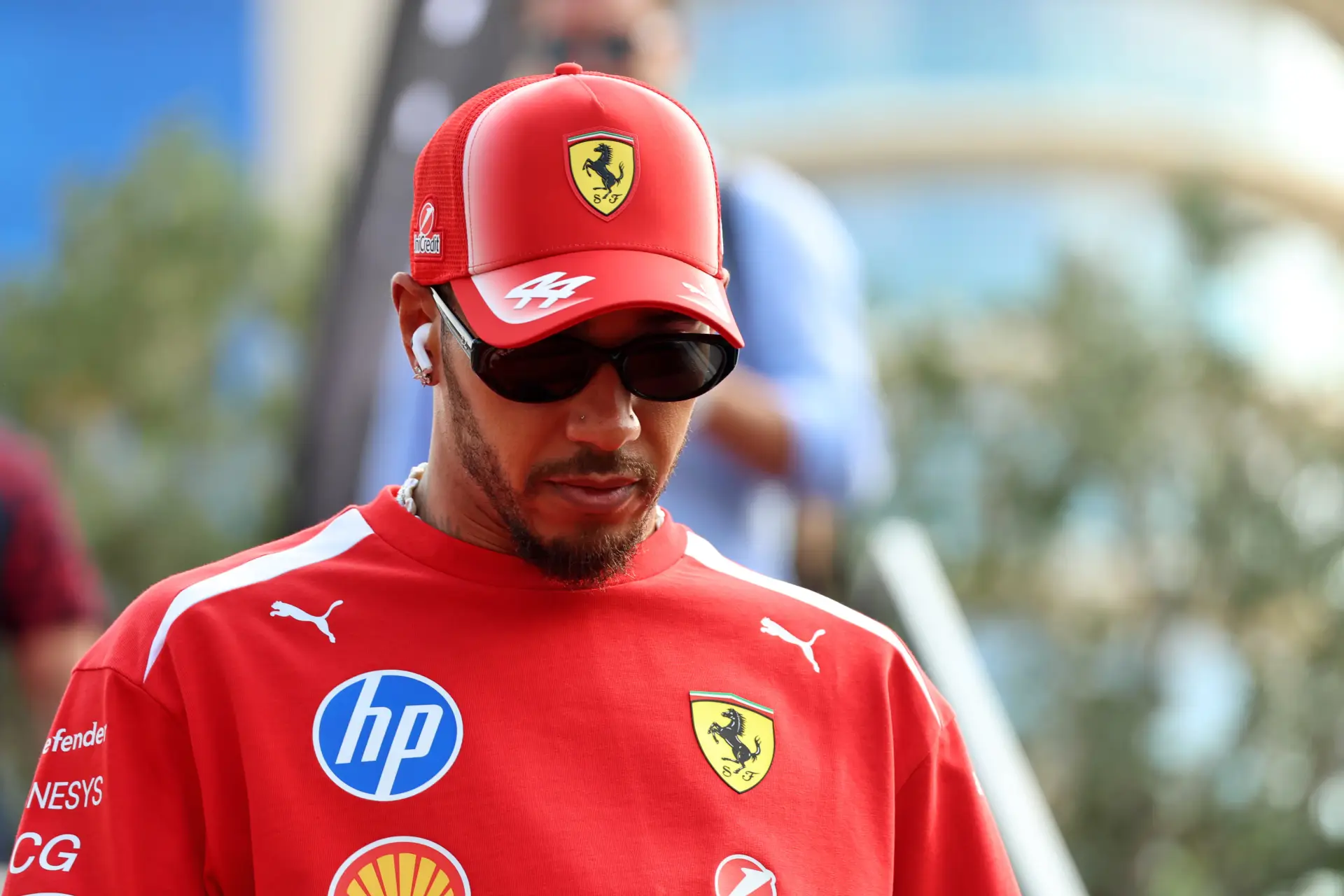
“I think otherwise, you find that Lando, a couple of times, has overtaken Lewis Hamilton and then been overtaken back. I think there’s a possibility to allow drivers and engineers to have more freedom,” he concluded.
Stella urges urgent FIA action after Bearman’s shunt
ADVERTISEMENT
Earlier, Stella urged the FIA to take urgent action following the incident involving Oliver Bearman at the Japanese Grand Prix.
The McLaren team boss noted how the F1 team had earlier identified the possibility of such an incident occurring as early as pre-season testing in Bahrain.
GPblog Paddock Update
Want to stay up to date with the latest events from the F1 paddock? GPblog’s Paddock Update is the place to be.
Follow and subscribe to our channels on Spotify and YouTube so you don’t miss a scoop as the actions and reactions continue across the Formula 1 scene.
ADVERTISEMENT
Don’t miss GPblog in Google
Mark us as a preferred source and our articles will appear more often at the top of Top Stories.
Add as a preferred / source on GoogleRead more about:
latest news

Bahrain Grand Prix
Overview
... ...
Practice 1
...
Practice 2
...
... ...
Practice 3
...
Qualification
...
... ...
Race
...
... ...
Practice 1
...
Practice 2
...
... ...
Practice 3
...
Qualification
...
... ...
Race
...
Times are in your local timezone
Rumors
Popular on GPBlog
1
FIA reaches verdict on Hamilton following Bortoleto impeding incident in FP2
1825 times read

2
Hamilton gives first indication of Ferrari’s true pace after Bahrain GP FP2
1206 times read
3
Verstappen sends warning to Mercedes in race simulations as Ferrari waits
1091 times read

4
Red Bull weigh up 'difficult decisions' on Verstappen-Hadjar team orders after Baku GP
656 times read
F1-stand 2026
Season
| Pos. | Driver | Team | Points |
|---|---|---|---|
1 | MercedesMER | 302 | |
2 | MercedesMER | 236 | |
3 | FerrariFER | 199 | |
4 | McLarenMCL | 186 | |
5 | FerrariFER | 179 | |
6 | Red Bull RacingRBR | 163 | |
7 | McLarenMCL | 120 | |
8 | Red Bull RacingRBR | 86 | |
9 | Racing BullsRCB | 59 | |
10 | AlpineALP | 41 |
Loading