Le Mans, Nürburgring or Daytona: Which 24-hour race is truly the toughest?
Updated:
0 Comments

Nicole MulderManaging Editor
Nicole Mulder is Managing Editor at GPblog and a specialist in Formula 1 and MotoGP. With years of experience and permanent FIA accreditation at Grands Prix worldwide, she delivers reliable coverage and insights based on direct access to drivers and the F1 paddock.
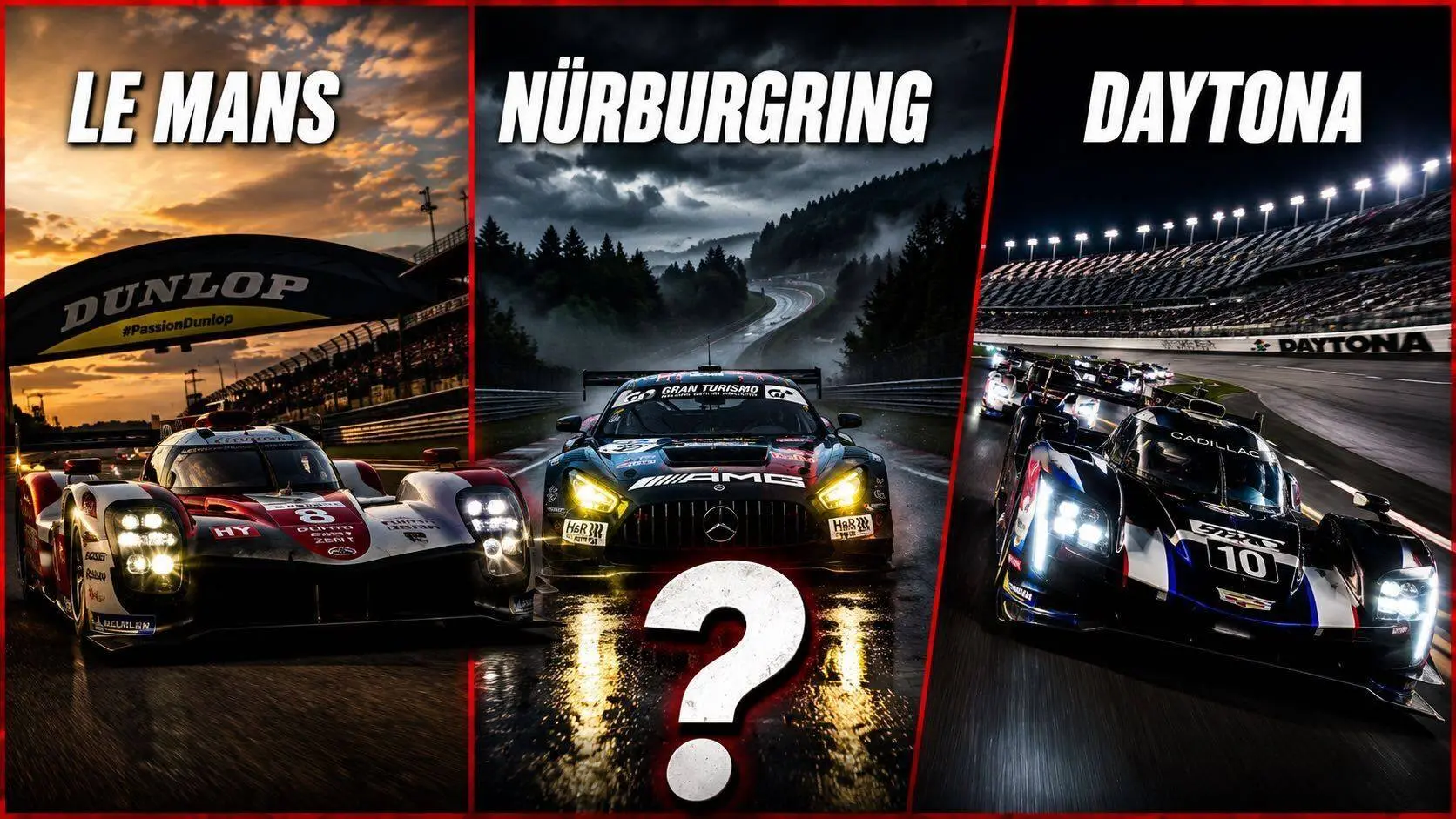
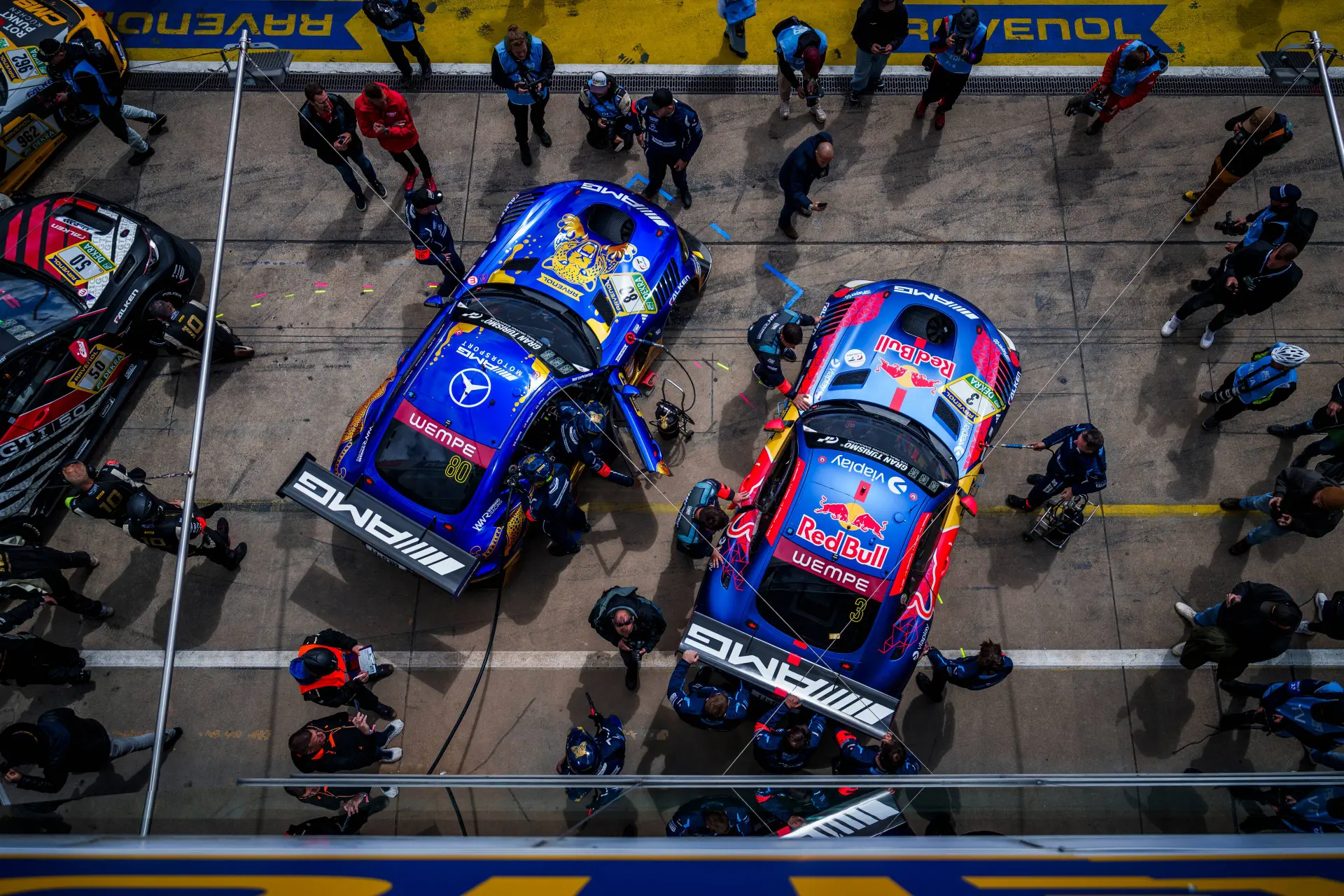
The 24 Hours of Le Mans, the 24 Hours of the Nürburgring, and the 24 Hours of Daytona are all considered legendary endurance classics, but they are hard to compare with each other: each track demands something completely different. Le Mans is about top speed and efficiency, Daytona is about non-stop intensity on a short track, and the Nürburgring is about conquering what may be the most dangerous circuit in the world. Many drivers, therefore, call the Nordschleife the toughest of the three, and this weekend Max Verstappen will find out whether that reputation holds up.
24 Hours of Le Mans: all about speed and efficiency
Le Mans is the most famous 24-hour race in the world and part of the Triple Crown of Motorsport. The Circuit de la Sarthe is largely a high-speed track, with long straights such as the Mulsanne, where the fastest Hypercars reach over 330 km/h. The challenge lies in efficiency: fuel consumption, tire management, and executing flawless pit stops over 24 hours. Drivers only get the chance to familiarize themselves with the circuit in the week of the race, making preparation more difficult than for other events. Le Mans is a test of engineering, strategy, and endurance at high speed.

The 24 Hours of Le Mans in 2025 - Photo: Race pictures
24 Hours of Daytona: non-stop intensity
ADVERTISEMENT
The 24 Hours of Daytona, officially the Rolex 24, traditionally opens the American endurance season. The circuit combines steep oval banking with a technical infield section that runs through the Daytona International Speedway. It’s a relatively short lap, which means traffic is extremely heavy: fast prototypes and slower GT cars share the same track continuously, and the laps are short. As a result, there is hardly any respite: drivers spend 24 hours in dense traffic, often in the dark and in Florida’s winter chill. Above all, Daytona is a test of concentration and intensity.

Fernando Alonso contested the 24-hour race at Daytona in 2018 - Photo: Race pictures
24 Hours of the Nürburgring: the toughest circuit there is
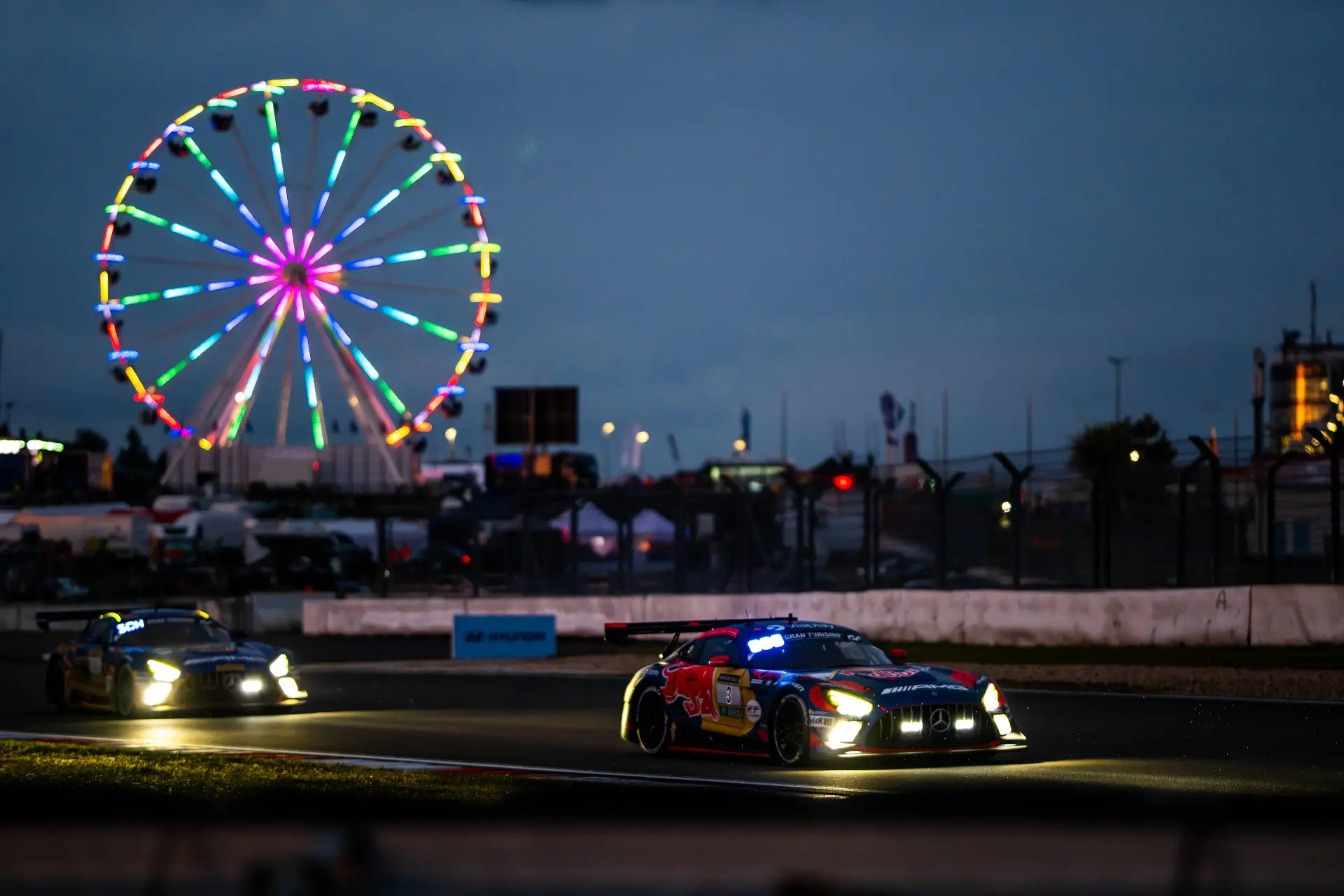
The 24 Hours of the Nürburgring stands out because of the circuit itself. The combination of the Grand Prix track and the 20.8-kilometer Nordschleife creates the longest and most demanding lap of the three: over seventy corners, blind crests, major elevation changes, and the notoriously changeable Eifel weather. The field is also enormous: more than 150 cars with massive speed differences run together, from factory GT3s to amateur classes, making every overtake a constant risk assessment. Many drivers therefore call the Nordschleife the most mentally and physically demanding of the three, precisely because the circuit forgives no mistakes.

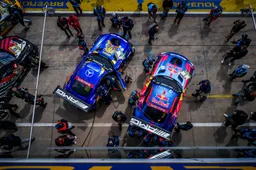
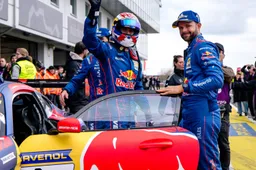
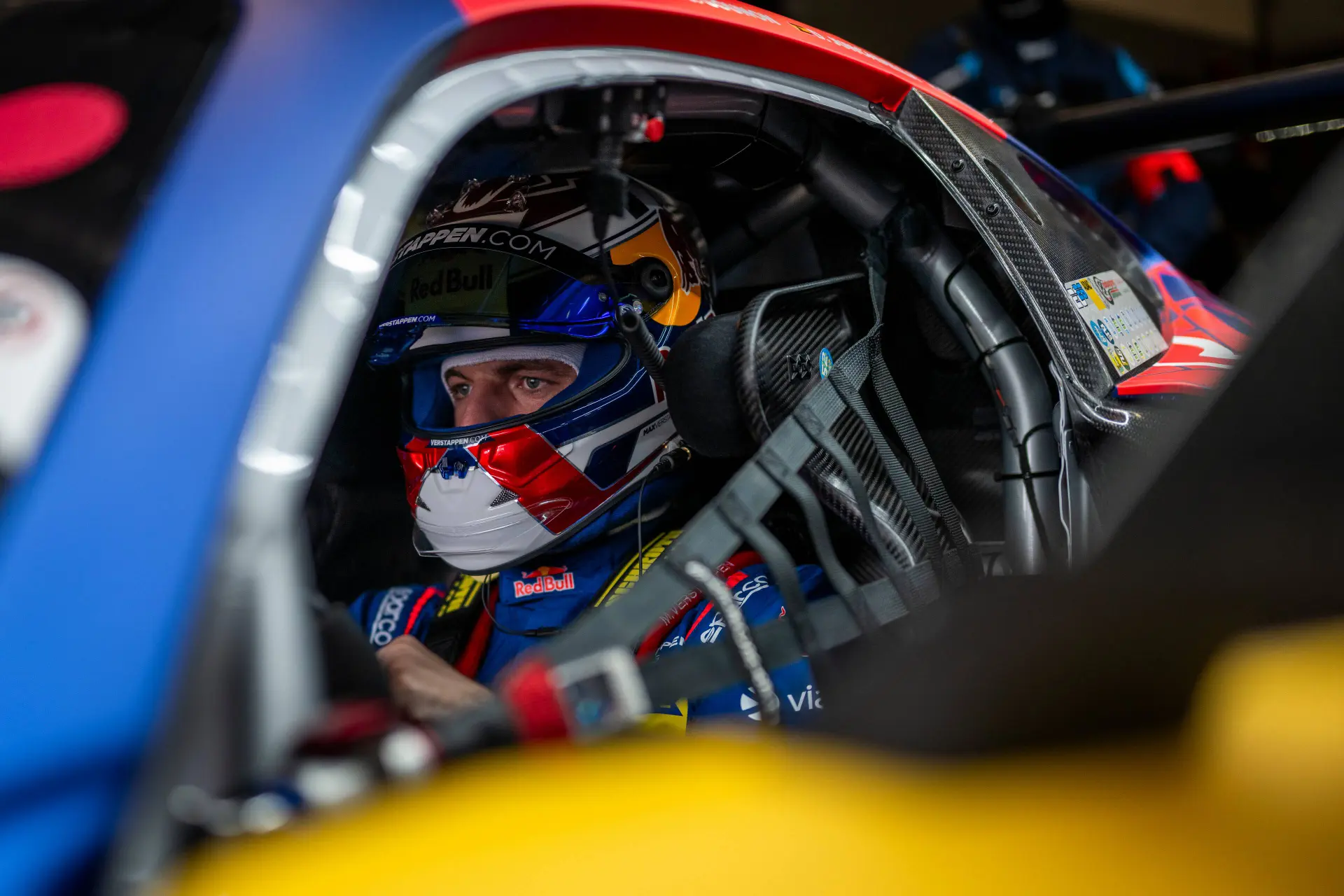
Max Verstappen chose the Nürburgring Nordschleife for his 24-hour debut - Photo: Racepictures
ADVERTISEMENT
Which race is really the toughest?
There is no objective answer, because the three races measure different things. If you define “toughness” as pure speed and technical perfection, you choose Le Mans. If you see it as non-stop intensity without a break, you choose Daytona. But if you interpret “tough” as the most difficult driving challenge, a circuit that is impossible to fully master and punishes the slightest mistake immediately, you almost always end up with the Nürburgring. That’s also why the Nordschleife is seen as a kind of final exam for drivers: anyone who drives flawlessly here for 24 hours has proven something that can hardly be proven anywhere else.
Why this matters for Verstappen
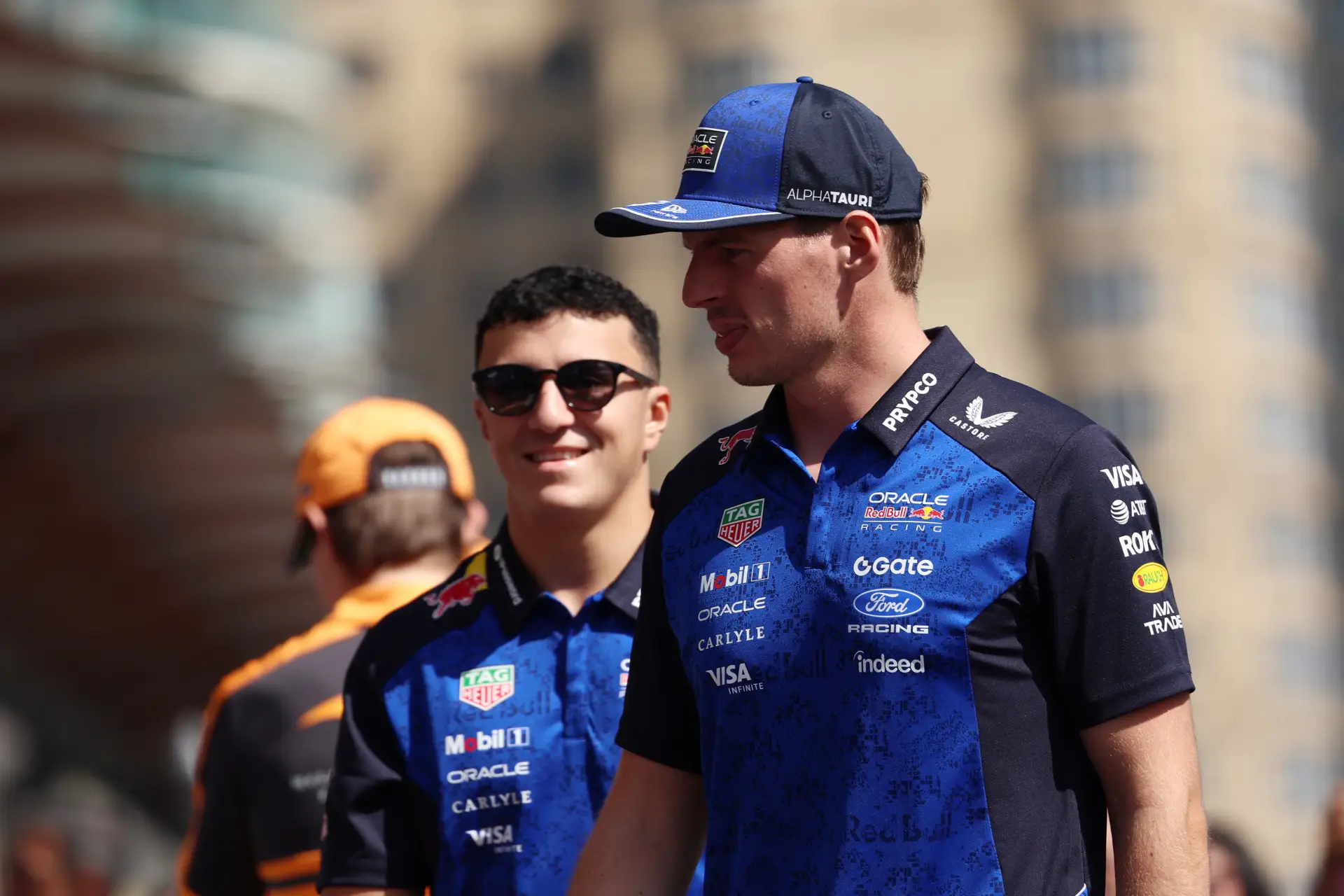
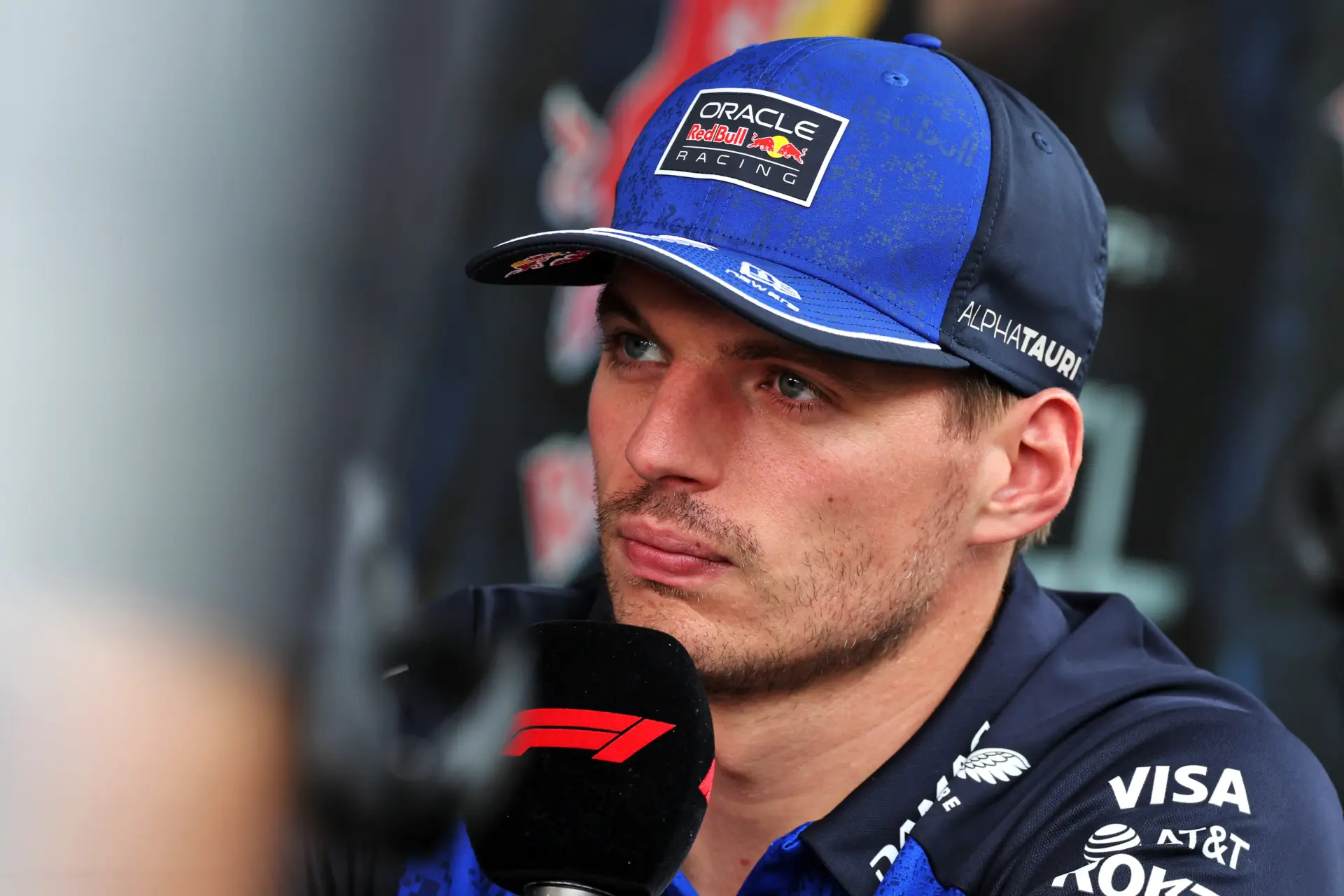
Max Verstappen deliberately chose the Nürburgring and not Le Mans or Daytona for his endurance debut. That speaks volumes: he is starting his endurance adventure with perhaps the toughest driving challenge there is, on the circuit that demands the most from a driver. If he succeeds here, he lays a foundation to later pursue other major endurance classics as well, with Le Mans as the ultimate goal.
ADVERTISEMENT
In short
• Le Mans, Nürburgring, and Daytona are each demanding in completely different ways
• Le Mans is about top speed, efficiency, and strategy on a fast circuit
• Daytona is a short track with extremely heavy traffic and non-stop intensity
• The Nürburgring combines the Grand Prix track with the 20.8-kilometer Nordschleife
ADVERTISEMENT
• Many drivers call the Nordschleife the toughest of the three in pure driving terms
• Verstappen deliberately chose the Nürburgring for his endurance debut
Don’t miss GPblog in Google
Mark us as a preferred source and our articles will appear more often at the top of Top Stories.
Add as a preferred / source on GoogleRead more about:
latest news

Bahrain Grand Prix
Overview
... ...
Practice 1
...
Practice 2
...
... ...
Practice 3
...
Qualification
...
... ...
Race
...
... ...
Practice 1
...
Practice 2
...
... ...
Practice 3
...
Qualification
...
... ...
Race
...
Times are in your local timezone
Rumors
Popular on GPBlog

1
F1 driver set for Bahrain GP back-of-grid start after engine penalty
1684 times read

2
Bottas says F1 drivers don't want to finish season in Italy amid tax threat
1638 times read
3
Back-of-grid start confirmed as three drivers face Sepang setback
1214 times read

4
Lando Norris reveals why he skipped karting with F1 drivers
1191 times read
F1-stand 2026
Season
| Pos. | Driver | Team | Points |
|---|---|---|---|
1 | MercedesMER | 302 | |
2 | MercedesMER | 236 | |
3 | FerrariFER | 199 | |
4 | McLarenMCL | 186 | |
5 | FerrariFER | 179 | |
6 | Red Bull RacingRBR | 163 | |
7 | McLarenMCL | 120 | |
8 | Red Bull RacingRBR | 86 | |
9 | Racing BullsRCB | 59 | |
10 | AlpineALP | 41 |
Loading