
Samson Ero is a Formula 1 editor at GPblog with seven years’ experience in sports media. He covers key paddock developments, offering analysis on drivers, teams, and performance trends, with work featured on leading platforms.
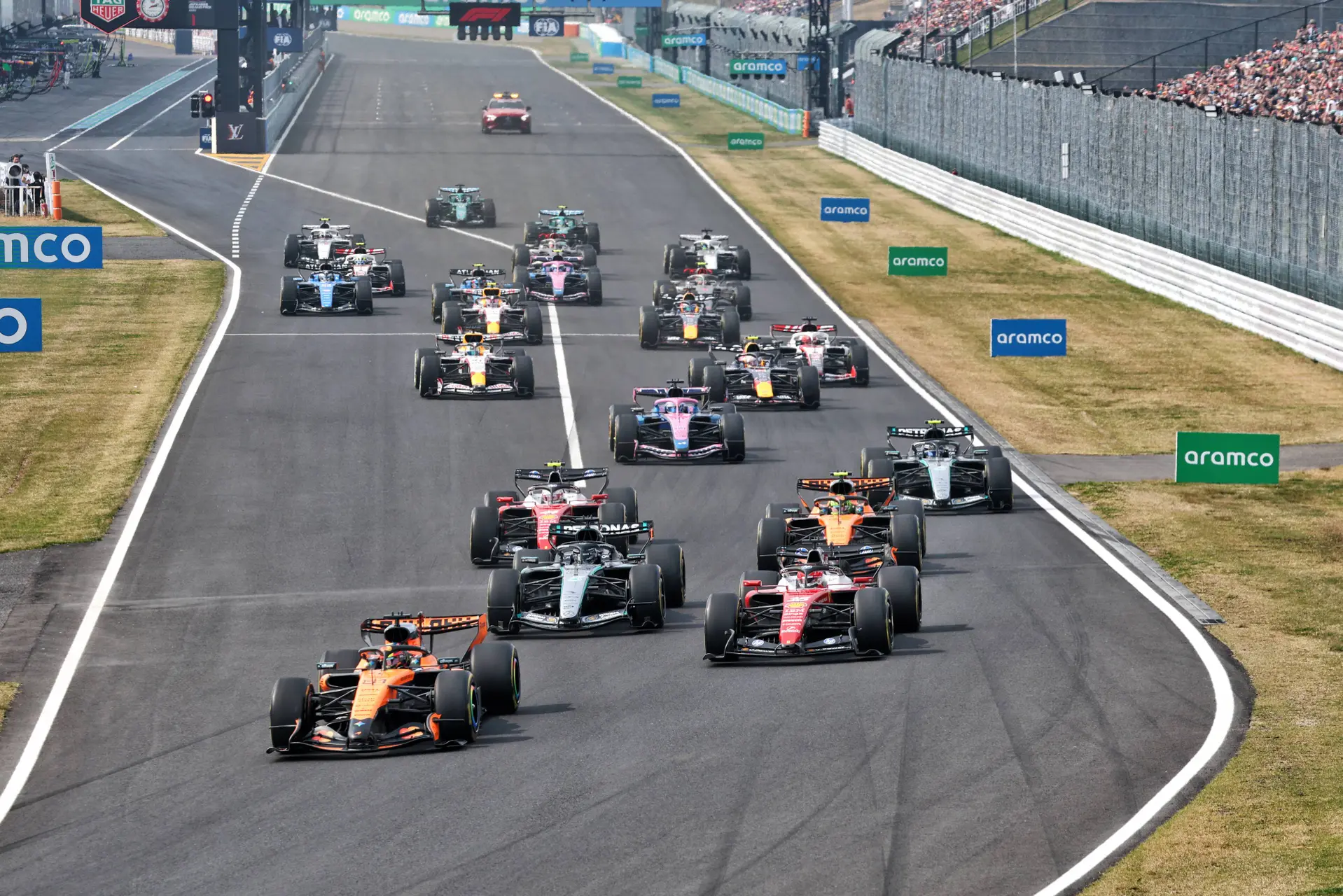
The criticism of the new Formula 1 regulations was brought to the fore at the Japanese Grand Prix, with the Suzuka circuit proving to be the litmus test to expose every flaw of the new rules.
From the qualifying adjustment to a freak crash for Oliver Bearman, the weekend laid bare several unintended consequences of the current rules.
At the heart of the issue is the revised power unit structure, which now splits output evenly between electric and combustion power. This shift has placed a greater emphasis on energy management, introducing a new layer of complexity and frustration for drivers.
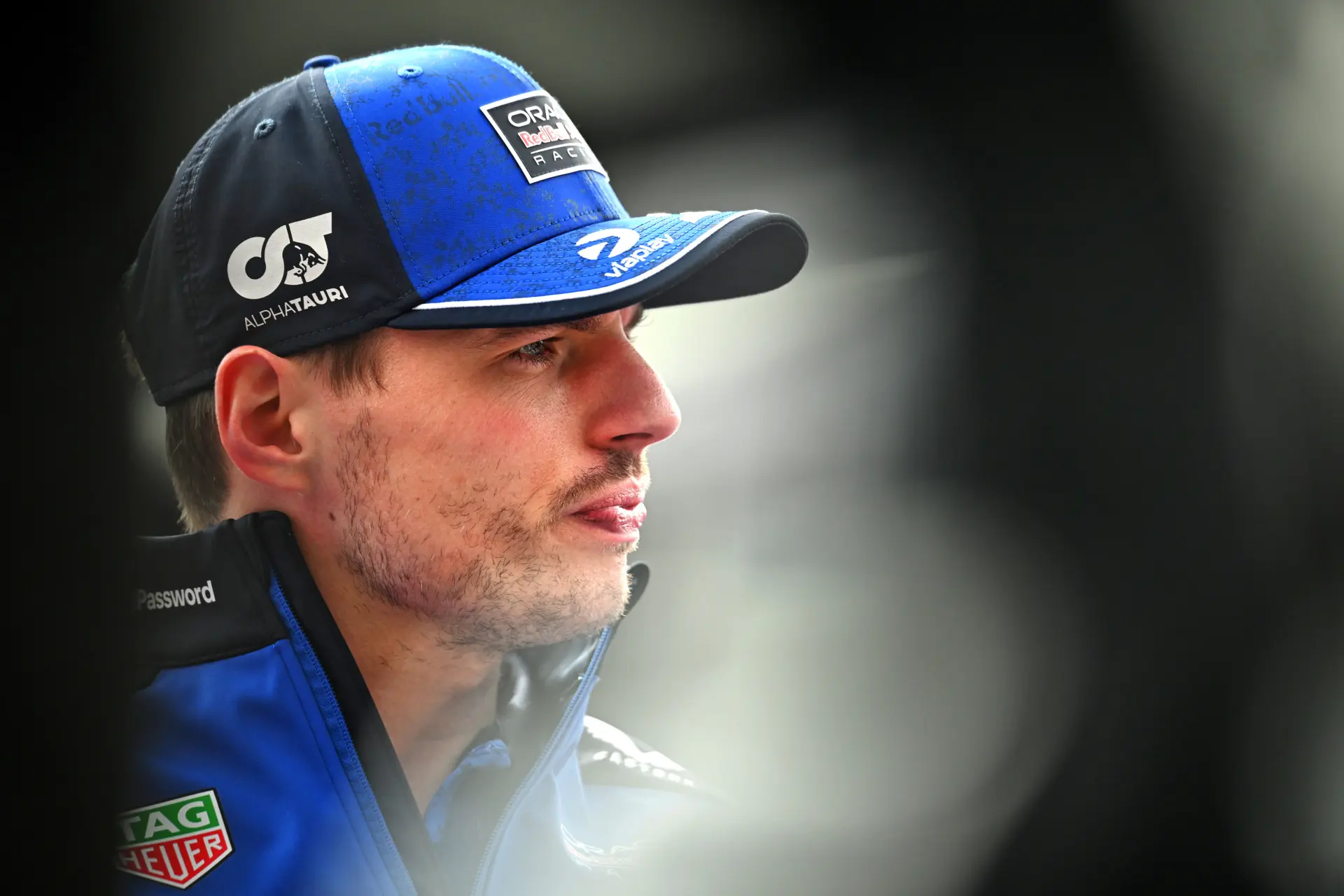
While the FIA and F1’s governing body have continued to laud the regulation changes, largely under the guise of the increased overtaking that the sport continues to witness, the outing in Suzuka echoed one of the sentiments of Max Verstappen about the new regulations – “anti-racing”.
Read also
ADVERTISEMENT
Failed tweak to qualifying
Ahead of the race weekend, the FIA, teams, and power unit manufacturers agreed on a minor adjustment to energy management parameters for qualifying. In a bid to preserve the intended balance between driver input and energy deployment, the maximum permitted energy recharge was reduced from 9.0 MJ to 8.0 MJ.
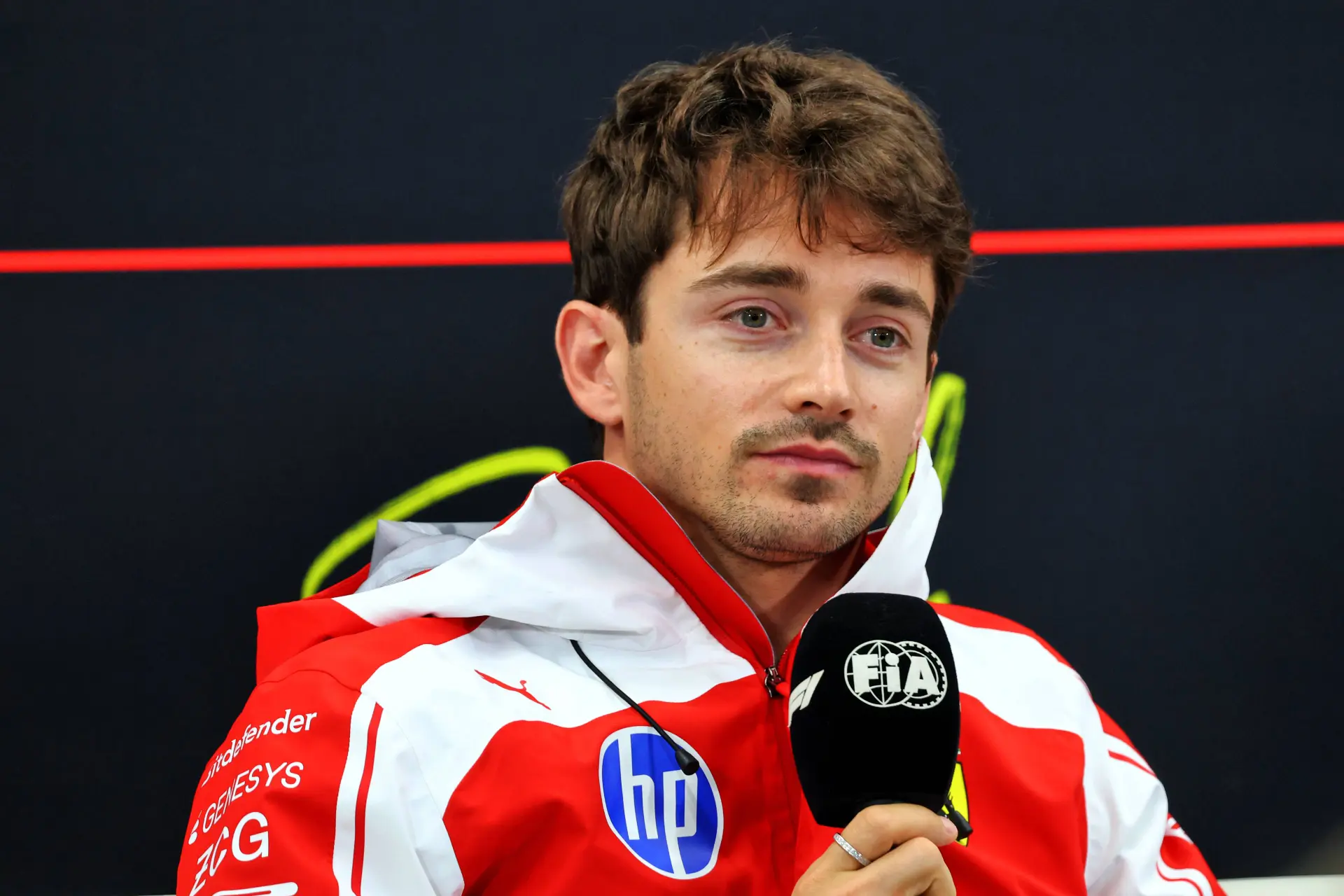
However, the change proved counterproductive. Drivers, including Lando Norris and Charles Leclerc, voiced clear frustration, with the latter highlighting how the regulations are beginning to override driver influence.

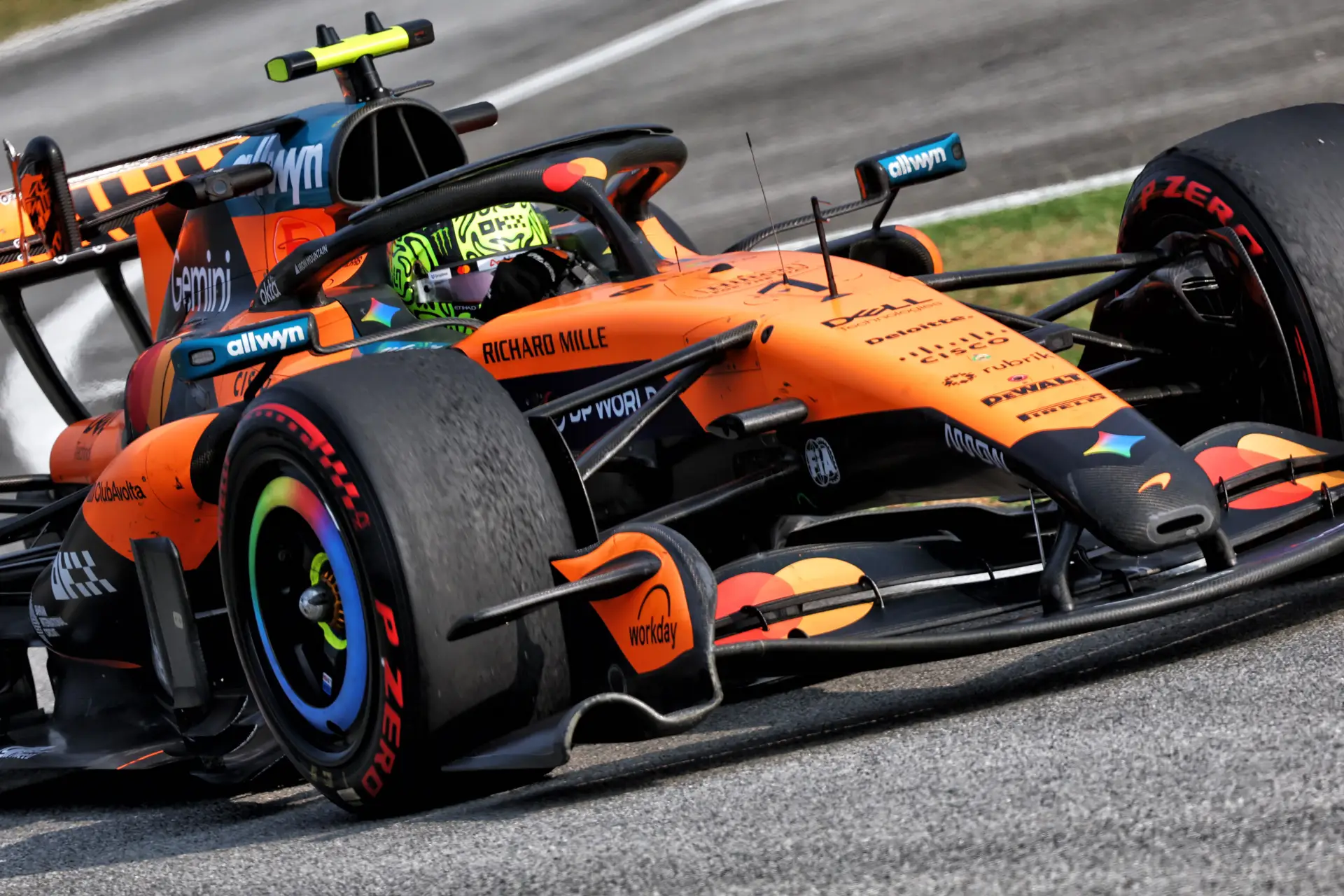
Lando Norris - Photo: Race Pictures
Leclerc revealed that despite pushing harder on his final Q3 run, he was effectively limited by the system governing energy deployment, resulting in a slower lap time. This has reinforced the growing concern that performance is increasingly dictated by algorithms rather than driver skill.
ADVERTISEMENT
Loss of power through high-speed corners
Another major flaw exposed in Japan was the loss of performance through high-speed sections.
As seen previously at the Australian Grand Prix, drivers at Suzuka frequently ran out of battery power, forcing them to recharge through long straights and iconic high-speed corners such as 130R and the Spoon Curve. The result is a noticeable drop in speed in areas traditionally defined by flat-out commitment.
Williams driver Alex Albon was particularly critical, suggesting the regulations have effectively neutralised high-speed corners, with drivers now forced to carry reduced speeds through sections that once defined the challenge of circuits like Suzuka.
ADVERTISEMENT
Make GPblog
your preferred source on Google and see our content first in Google Discover and Google News.
Artificial overtaking concerns
While the appeal of overtaking is particularly pleasing to fans, drivers appear to be at the mercy of the power unit, which seems to compromise the authenticity of racing.
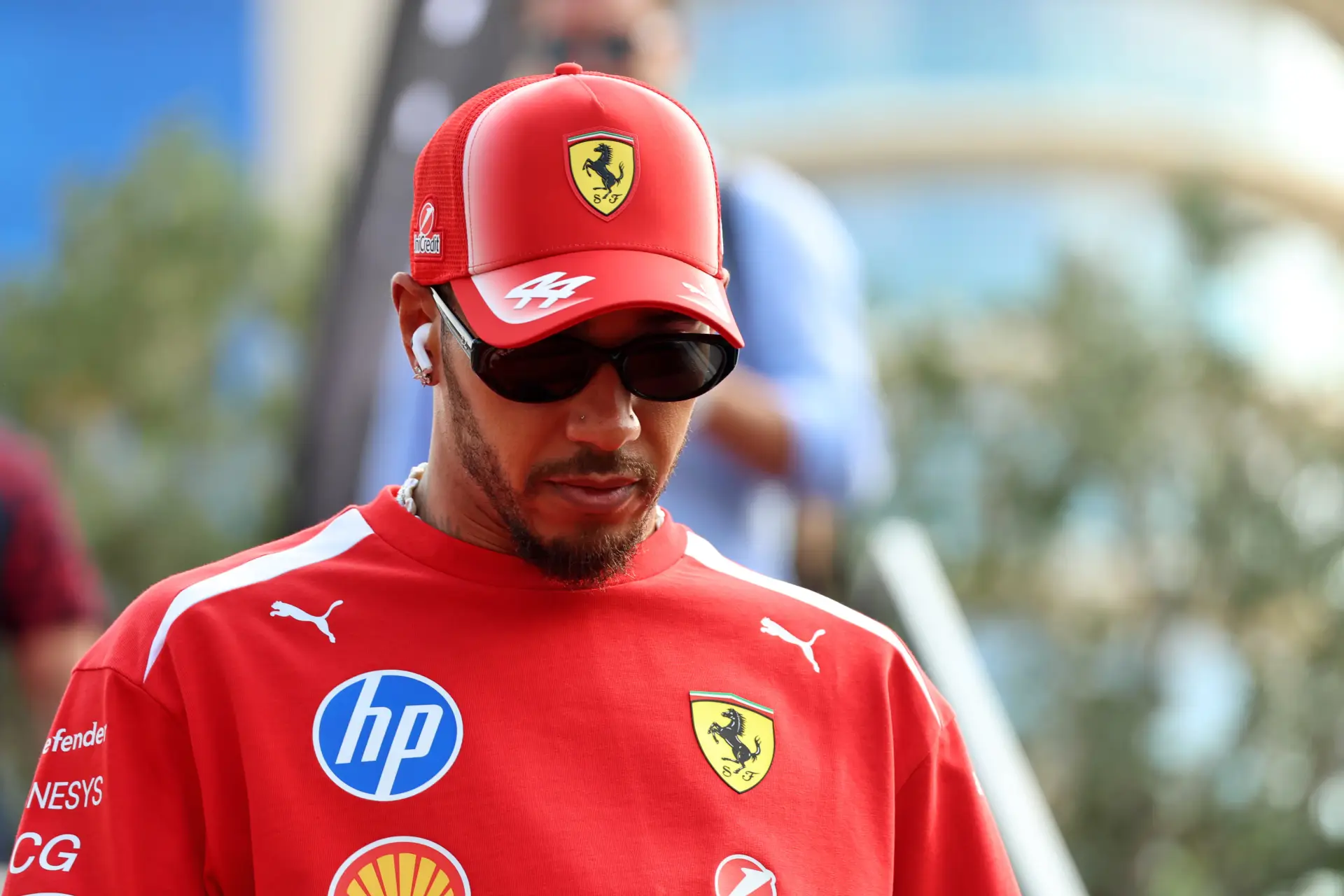
Norris noted after the race how energy deployment dictated his on-track moves rather than genuine racing intent. In one instance, he overtook Lewis Hamilton not by choice, but because his battery deployment forced the move.
“Honestly, some of the racing, I didn’t even want to overtake Lewis. It’s just that my battery deploys. I don’t want it to deploy, but I can’t control it,” Norris said after the Suzuka race.
ADVERTISEMENT
“So, I overtake him, and then I have no battery left, so he just flies past. This is not racing, this is yo-yoing. Even though he [Hamilton] says it’s not, it is yo-yoing,” he concluded.
Follow
GPblog on social media to stay updated on all Formula 1 news: Facebook, Instagram
and Tiktok.
Safety concerns
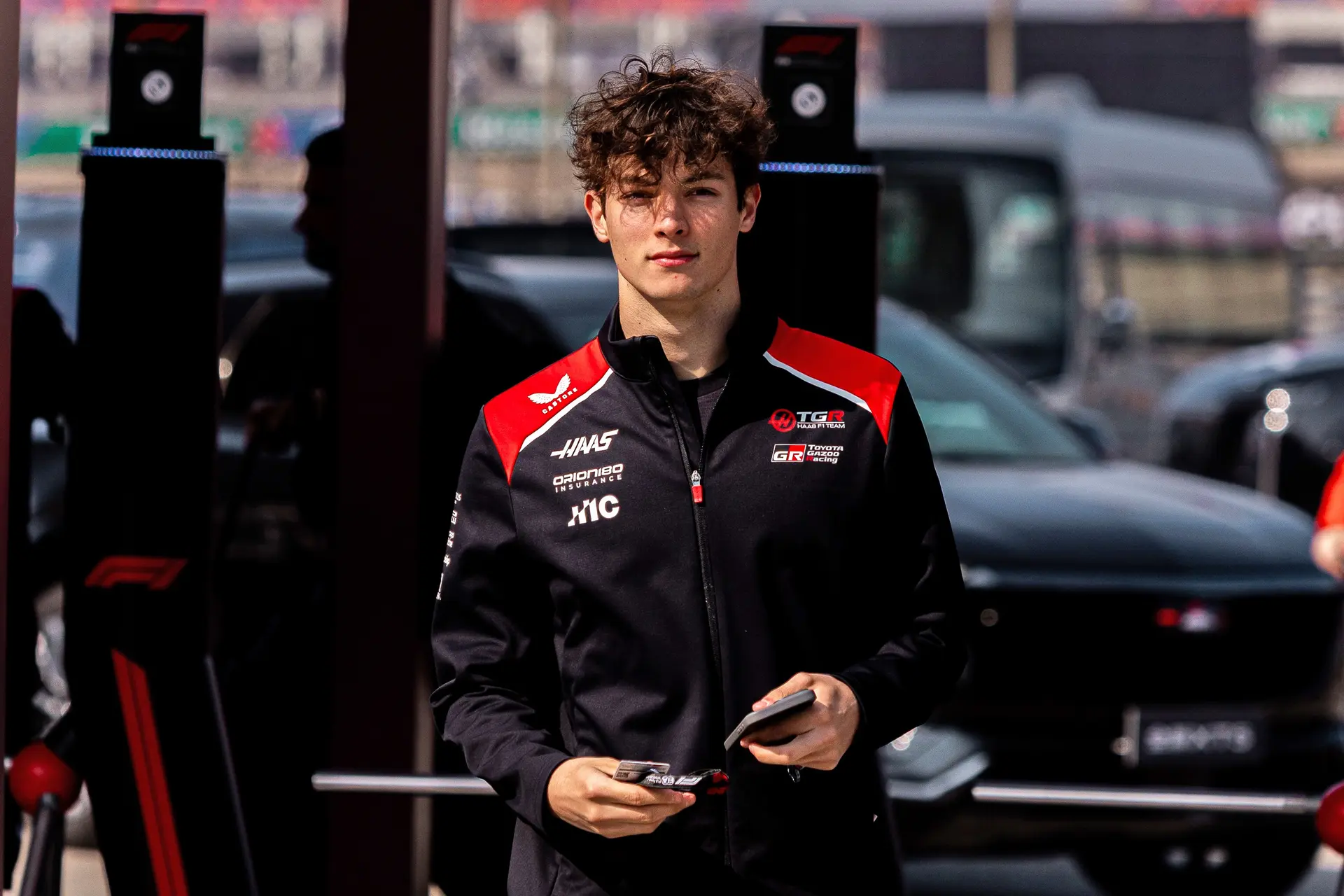
The weekend also raised fresh safety questions. Bearman’s heavy crash highlighted a potential risk created by uneven energy deployment.
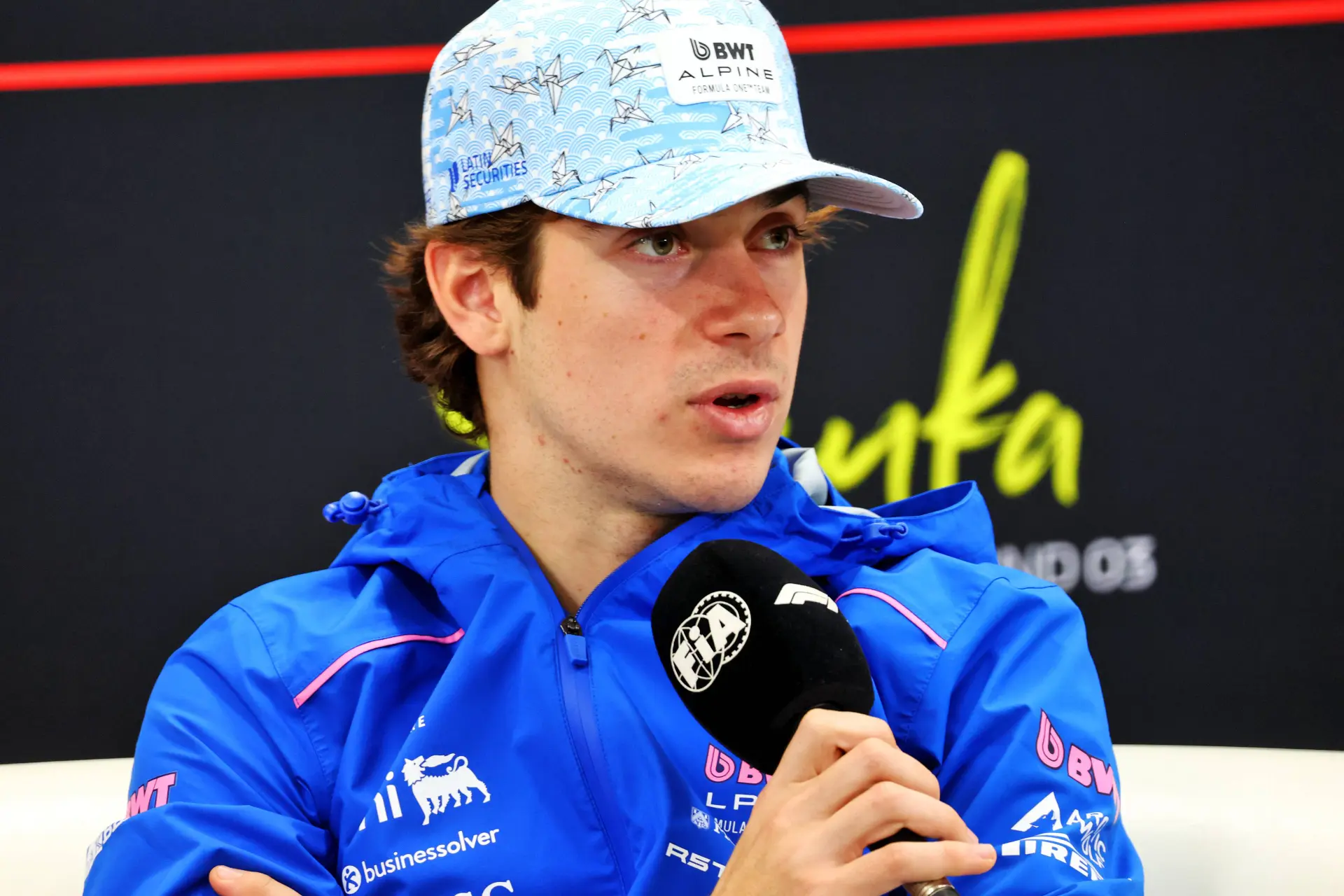
The Haas driver rapidly closed in on a slower Franco Colapinto, who appeared to be struggling with depleted battery power on the straights. The significant speed differential left Bearman with little time to react, ultimately resulting in a heavy accident as he attempted to avoid a collision.
ADVERTISEMENT
Fortunately, the British driver was able to walk away from the incident, albeit with a few niggles and pain. This incident, however, prompted the FIA to issue a statement about possible modifications, with discussions continuing regarding the current regulations.
Read also
A broader question for the sport
While the racing may appear more action-packed, particularly in the opening laps, Suzuka indeed raised an important question: has Formula 1 compromised its core identity in pursuit of spectacle?
In response to growing concerns, the FIA has agreed to meet with all 11 Formula 1 teams on April 9 to discuss possible adjustments to the technical regulations. However, no major changes are expected in the short term.
ADVERTISEMENT
GPblog understands that any significant revisions may not take effect until the 2027 season, which could see the sport grapple with the regulation's shortcomings for the foreseeable future.
GPblog Paddock Update
Want to stay up to date with the latest events from the F1 paddock? GPblog’s Paddock Update is the place to be.
Follow and subscribe to our channels on Spotify and YouTube so you don’t miss a scoop as the actions and reactions continue across the Formula 1 scene.
ADVERTISEMENT
Check out the latest episode of our Paddock Update here 👇
Read also
Don’t miss GPblog in Google
Mark us as a preferred source and our articles will appear more often at the top of Top Stories.
Add as a preferred / source on GoogleRead more about:
latest news
Bahrain Grand Prix
Overview
... ...
Practice 1
...
Practice 2
...
... ...
Practice 3
...
Qualification
...
... ...
Race
...
... ...
Practice 1
...
Practice 2
...
... ...
Practice 3
...
Qualification
...
... ...
Race
...
Times are in your local timezone
Popular on GPBlog
1
FIA reaches verdict on Hamilton following Bortoleto impeding incident in FP2
1892 times read

2
Hamilton gives first indication of Ferrari’s true pace after Bahrain GP FP2
1256 times read
3
Verstappen sends warning to Mercedes in race simulations as Ferrari waits
1157 times read
4
Hamilton to face stewards after FP2 incident: ‘What the f**k is this guy doing?’
670 times read
F1-stand 2026
Season
| Pos. | Driver | Team | Points |
|---|---|---|---|
1 | MercedesMER | 302 | |
2 | MercedesMER | 236 | |
3 | FerrariFER | 199 | |
4 | McLarenMCL | 186 | |
5 | FerrariFER | 179 | |
6 | Red Bull RacingRBR | 163 | |
7 | McLarenMCL | 120 | |
8 | Red Bull RacingRBR | 86 | |
9 | Racing BullsRCB | 59 | |
10 | AlpineALP | 41 |
Loading