How Wolff 'quietly plotted' for years to 'combine Formula E and Formula 1'
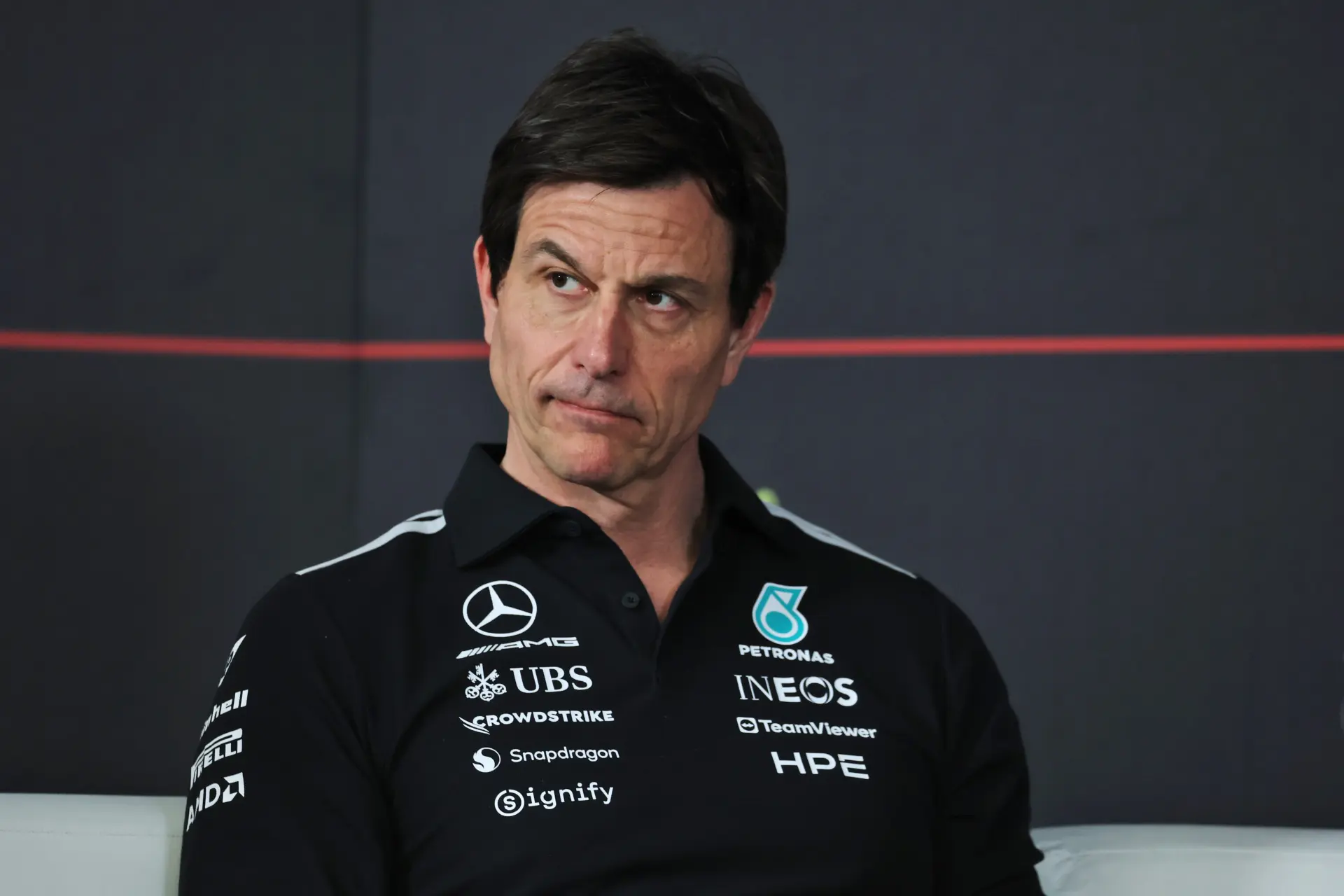
Photo: Race Pictures
18:30, 20 Mar
3 Comments
Tobia is a Formula 1 journalist at GPblog with experience at international circuits. Since 2022, he has covered Grands Prix across Europe, delivering reliable coverage and insights from the paddock.
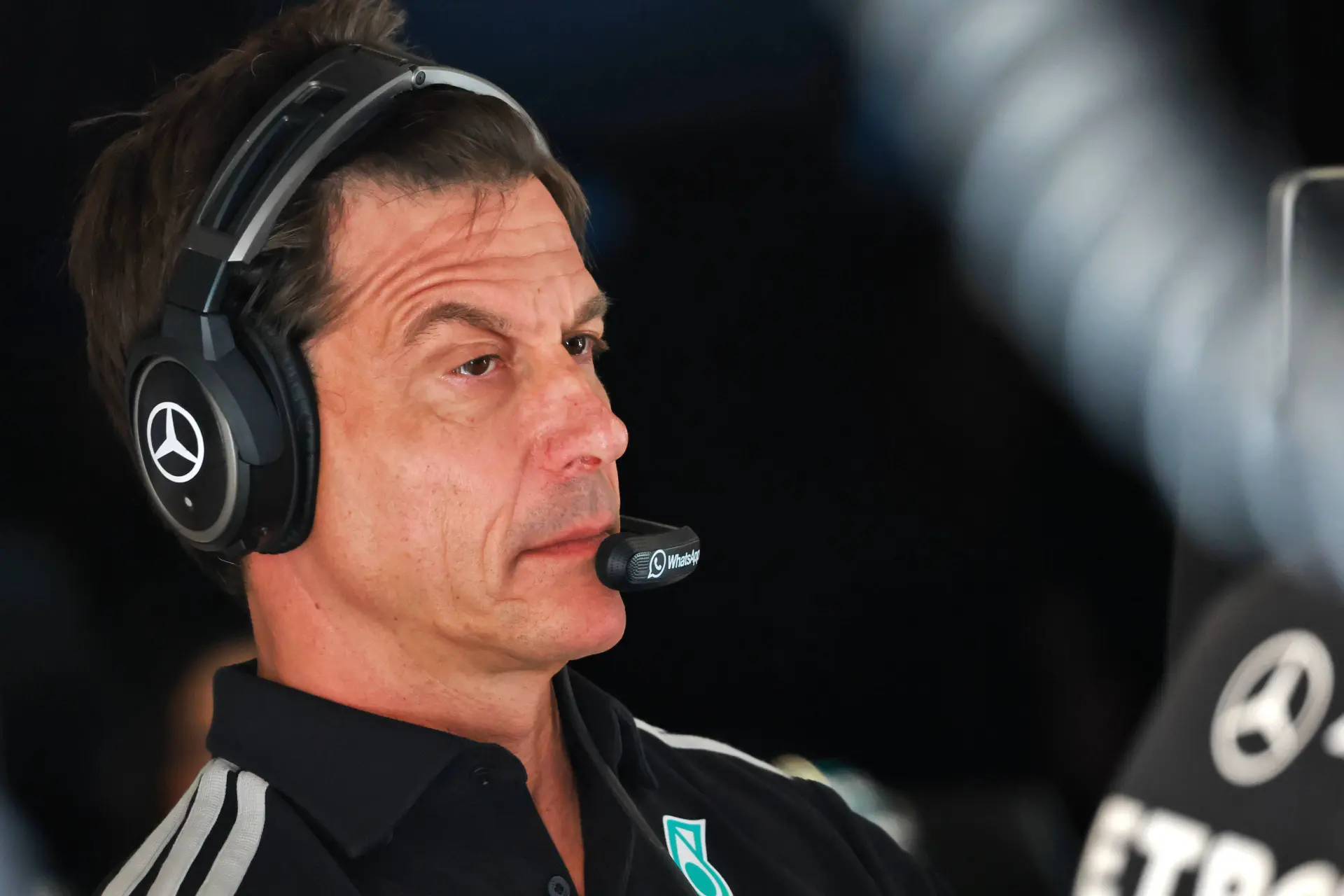
Formula E founder Alejandro Agag recalled an anecdote about Toto Wolff from the period when Mercedes decided to pull out of the all-electric series.
"Toto was here, he saw what was in place and said, ‘I’m going to take this to Formula 1 and effectively combine Formula 1 and Formula E’"- Alejandro Agag
Mercedes-Benz EQ Formula E Team competed in Formula E as a full works outfit from the 2019-20 season through to 2021-22, enjoying a highly successful spell that saw Nyck de Vries clinch the drivers’ title in 2021 while the team also secured the teams’ championship in the same year.
Stoffel Vandoorne was part of the line-up as well, going on to become world champion in 2022 during what ultimately proved to be Mercedes’ final season in the all-electric series, before the manufacturer decided to pull out at the end of that campaign and sell the team, which now races as Maserati MSG Racing.
Speaking to Marca, Agag explained that Wolff's intention was precisely to transfer the know-how gained in Formula E into Formula 1.
ADVERTISEMENT

Photo: Race Pictures
He said: "When Mercedes left here, it was because they wanted to take what existed in Formula E and bring it into Formula 1. The main force behind what we’re seeing in Formula 1 today is Mercedes and Toto Wolff.
"So Toto was here, he saw what was in place and said, ‘I’m going to take this to Formula 1 and effectively combine Formula 1 and Formula E.’ And because it was his idea, he now has an advantage, which is clear in the gap to the others.
"I don’t think that’s good for Formula 1. The sport should return to more combustion, to V8 engines, to more noise… and leave Formula E as the all-electric championship. Right now, it sits somewhere in between - it’s neither one thing nor the other."
Wolff points to RB22 'horror show' amid Verstappen's criticism of the racing
ADVERTISEMENT
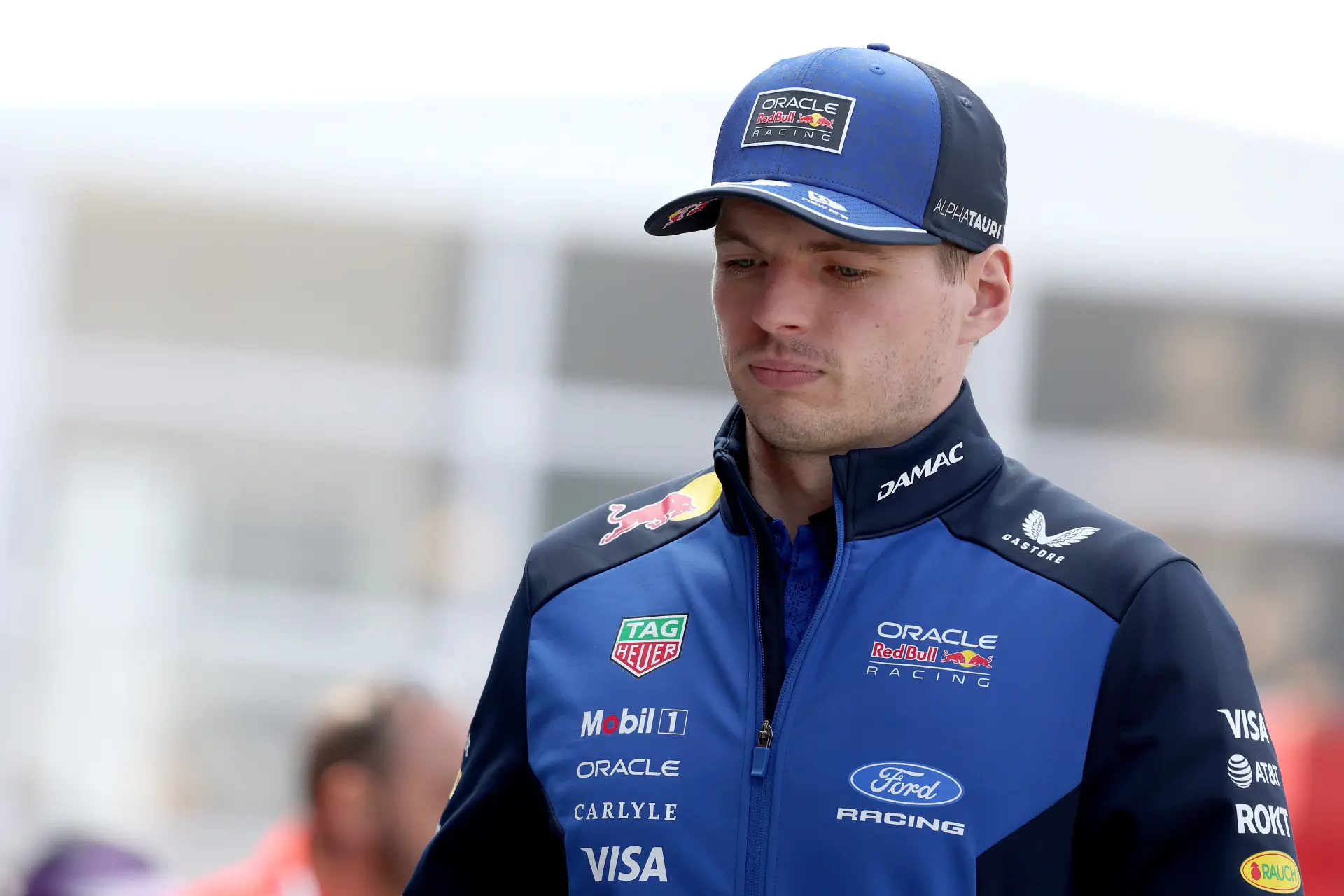
Asked for his take on the four-time world champion’s comments, with Max Verstappen once again highly critical of the new regulations after the Chinese Grand Prix, the Mercedes CEO and team principal explained that the Dutchman is currently dealing with a car that is extremely difficult to drive, as also evident from his qualifying onboard.
However, he stressed that the situation is not the same across the grid, pointing out that from an entertainment standpoint the on-track battle between Ferrari and Mercedes delivered strong racing, with plenty of overtakes.
He also reflected on how Formula 1 has experienced eras with virtually no overtaking at all, suggesting that there is often a tendency to romanticise the past, while underlining that the current product remains solid, with competitive action also visible throughout the midfield.
ADVERTISEMENT
Don’t miss GPblog in Google
Mark us as a preferred source and our articles will appear more often at the top of Top Stories.
Add as a preferred / source on GoogleRead more about:
latest news
Azerbaijan Grand Prix
Overview
Thursday 24.09.26
Practice 1
08:30 AM
Practice 2
12:00 PM
Friday 25.09.26
Practice 3
08:30 AM
Qualification
12:00 PM
Saturday 26.09.26
Race
11:00 AM
Thursday 24.09.26
Practice 1
Thu 08:30 AM
Practice 2
Thu 12:00 PM
Friday 25.09.26
Practice 3
Fri 08:30 AM
Qualification
Fri 12:00 PM
Saturday 26.09.26
Race
Sat 11:00 AM
Times are in your local timezone
Rumors
Popular on GPBlog
1
F1 Today: Ferrari reveal Hamilton plan as another race abandons UAE
3400 times read
2
Formula 1 confirms major decision: races will be shorter from 2027
1305 times read
3
FIA calls up Red Bull in Baku after decision regarding Verstappen’s teammate
896 times read
4
Ferrari takes Baku penalty now while Mercedes waits: why two teams chose opposite engine strategies
654 times read
F1-stand 2026
Season
| Pos. | Driver | Team | Points |
|---|---|---|---|
1 | MercedesMER | 292 | |
2 | MercedesMER | 211 | |
3 | FerrariFER | 191 | |
4 | McLarenMCL | 186 | |
5 | FerrariFER | 167 | |
6 | Red Bull RacingRBR | 145 | |
7 | McLarenMCL | 120 | |
8 | Red Bull RacingRBR | 71 | |
9 | Racing BullsRCB | 59 | |
10 | AlpineALP | 41 |
Loading