FIA refuses immediate F1 rule changes despite driver backlash
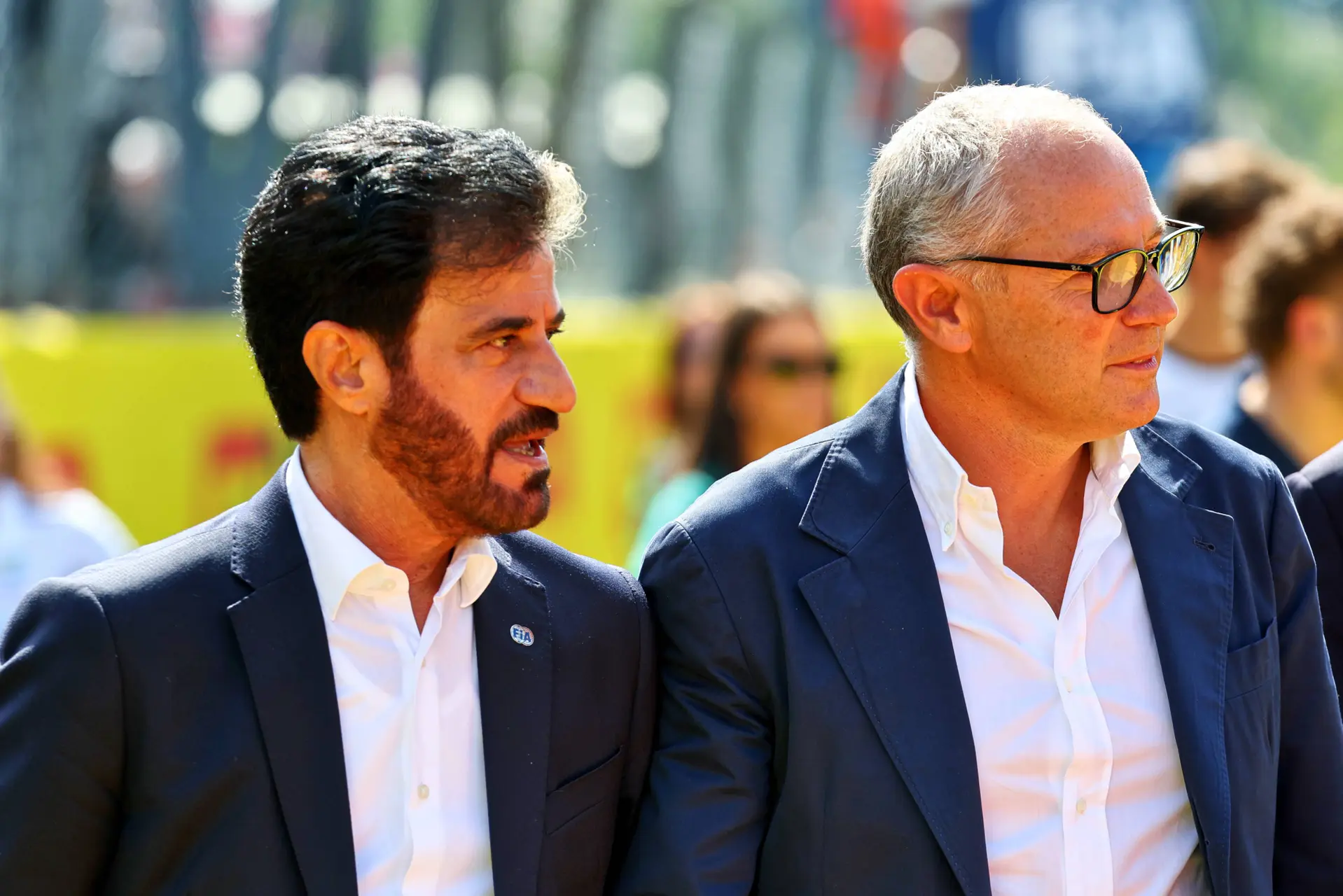
FIA president Mohammed Ben Sulayem - Photo: Race Pictures
Updated:
1 Comments

Ben Hunt is an award-winning motorsport journalist with over two decades of experience in Formula 1 and international media. As a former editor-in-chief and bestselling author, he delivers in-depth analysis and strategic insight from the highest level of the sport.
Formula 1’s governing body, the FIA, say they need more information about this season’s controversial new rules before considering changing the regulations.
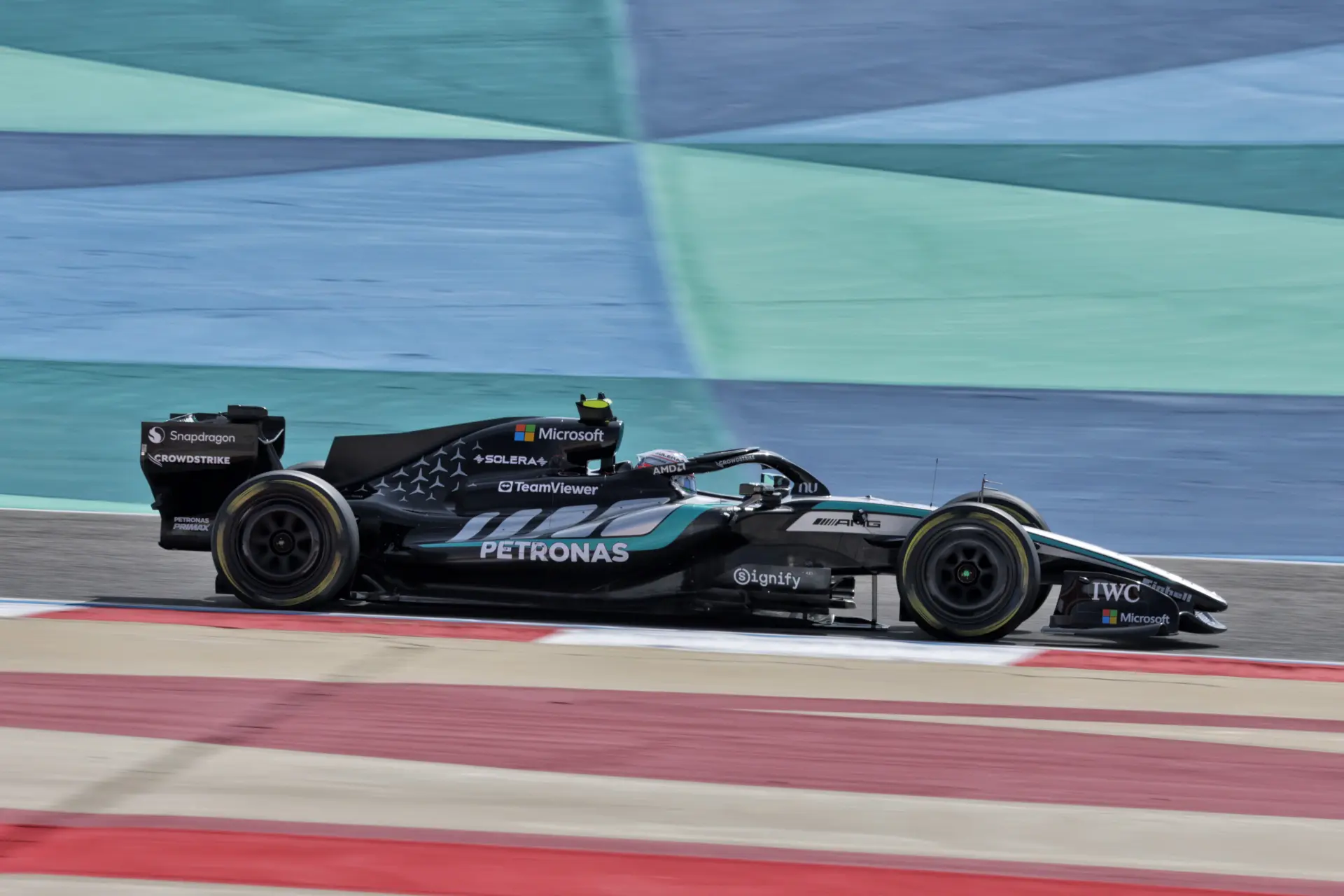
F1 has come under fire for rushing through the sweeping new proposals that means the sport is undergoing its biggest transformation in its history. New chassis, engine, fuel and tyres regulations have left drivers, teams and fans scratching their heads.
F1 drivers gave negative reactions to the new cars, as they explained how they would need to lift and coast, coming off the accelerator, to recharge the larger batteries in their cars. Fans have been quick to jump on the news, saying the sport has lost some of its identity while Max Verstappen likened the series to Formula E on steroids.
However, at a meeting in Bahrain, the FIA say they will use the final three dats of testing to decide if they need to reevaluate the rules ahead of the new season, which kicks off in Melbourne next month.
F1 has come under fire for rushing through the sweeping new proposals that means the sport is undergoing its biggest transformation in its history. New chassis, engine, fuel and tyres regulations have left drivers, teams and fans scratching their heads.
F1 drivers gave negative reactions to the new cars, as they explained how they would need to lift and coast, coming off the accelerator, to recharge the larger batteries in their cars. Fans have been quick to jump on the news, saying the sport has lost some of its identity while Max Verstappen likened the series to Formula E on steroids.
However, at a meeting in Bahrain, the FIA say they will use the final three dats of testing to decide if they need to reevaluate the rules ahead of the new season, which kicks off in Melbourne next month.
More data needed before rule change
A statement from the FIA said: “Further evaluation and technical checks on energy management matters will be carried out over the following three days at the second pre-season test in Bahrain.
“It was agreed that no immediate major regulatory changes were required given that initial evidence and feedback remains immature and that premature change carried the risk of increased instability ahead of the first race. Further reviews will be carried out once more data becomes available.”
The meeting, which was chaired by FIA Single-Seater Director Nikolas Tombazis and FOM President and CEO Stefano Domenicali, identified that there were “still collective learnings to be taken from pre-season testing” and “a commitment to work through all technical aspects ahead of the opening race of the 2026 season in Melbourne”.
FIA stay tightlipped on start chaos
The statement stopped short of addressing the controversial start procedure of the new generation of F1 cars with some insiders predicting a chaotic start in Melbourne due to the complexities and high revs needed to propel this generation of car.
The statement added: “There were constructive talks and proposals centred on the race start procedure during the commission meeting. As a result, further evaluation of updates to race systems and on-car management will be undertaken during the current Bahrain test.”
Meanwhile, it was noted that F1 could double the amount of Sprint events up to 12 depending on demand from promoters and fans.
ADVERTISEMENT
Don’t miss GPblog in Google
Mark us as a preferred source and our articles will appear more often at the top of Top Stories.
Add as a preferred / source on Google