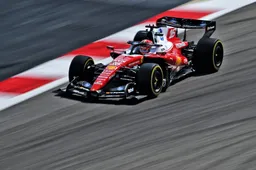
Red Bull fuel gets the green light, but uncertainty grows around Mercedes ahead of Australian GP

Updated:
4 Comments

Tim Kraaij is Editor-in-Chief of GPblog.com and a Formula 1 analyst. With permanent FIA accreditation and direct access to the paddock, he delivers in-depth, data-driven analysis and insight into key developments within the sport.
Red Bull has received approval to use ExxonMobil’s fuel for the new F1 season - however, Mercedes are still believe to be waiting for permission to use their Petronas' fuel.
On Tuesday, Italian media reported that several fuel suppliers were racing against the clock to get approval to use the new sustainable for this season's new power units. The article said that Mercedes and Red Bull were reportedly not yet approved by the FIA.
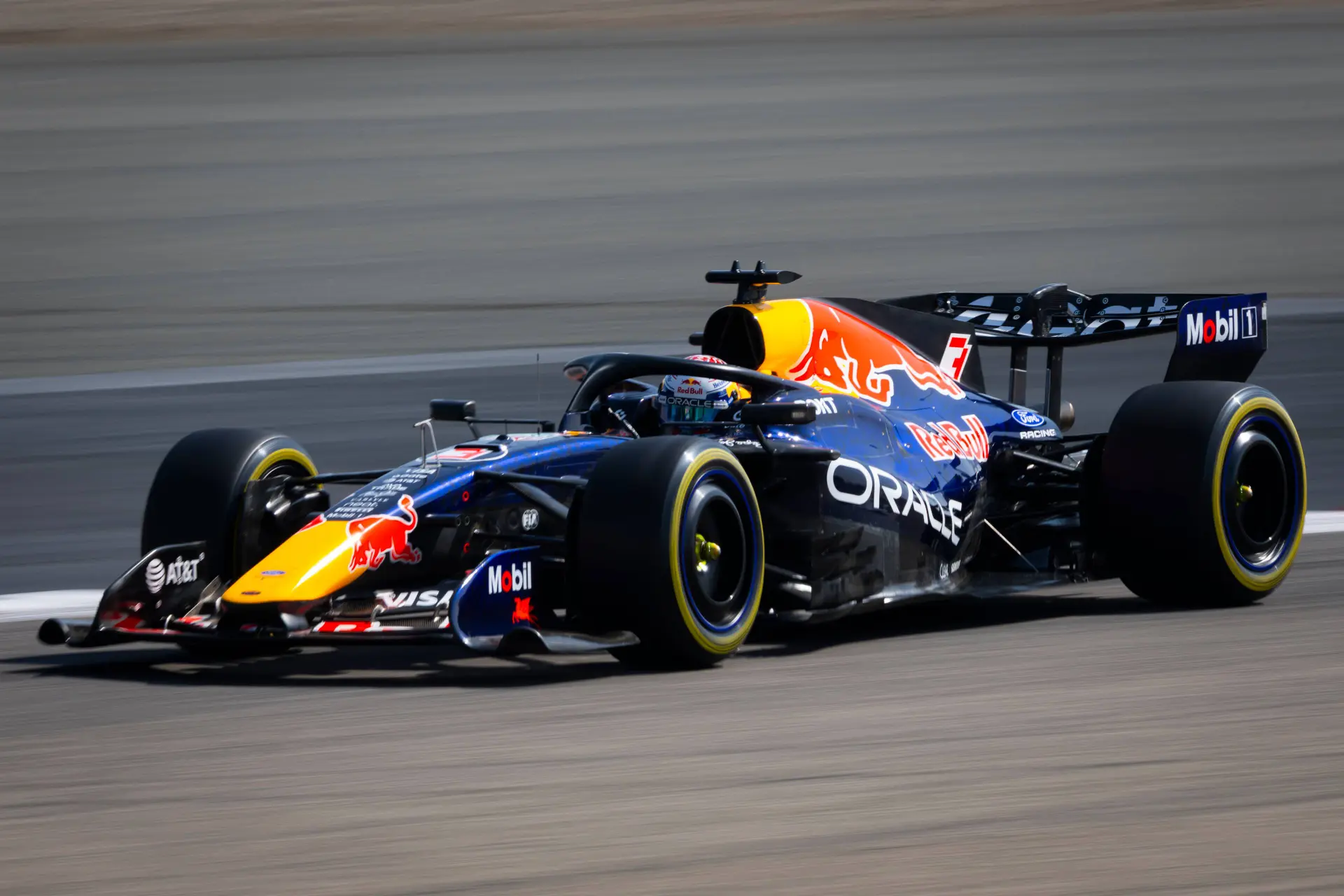
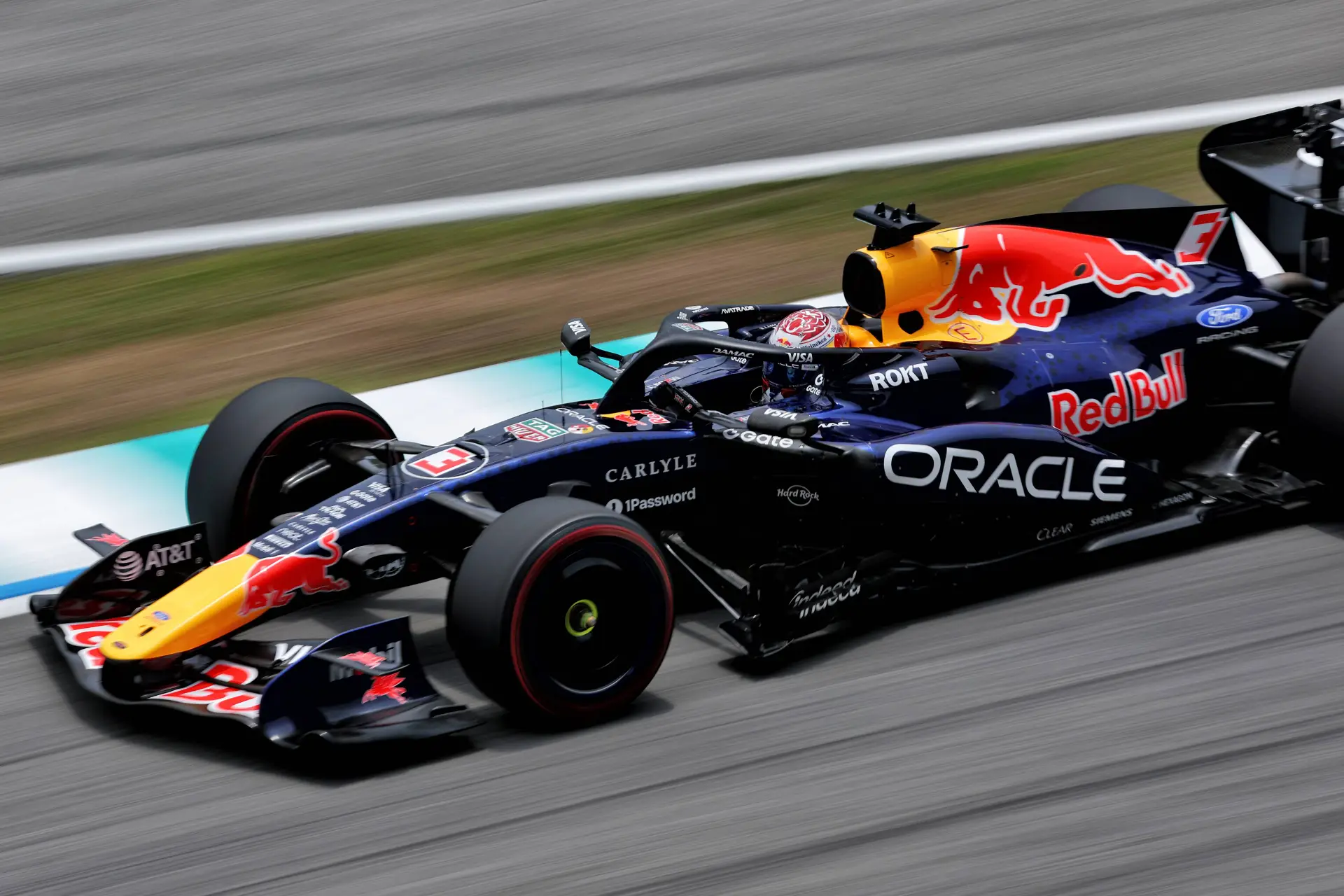
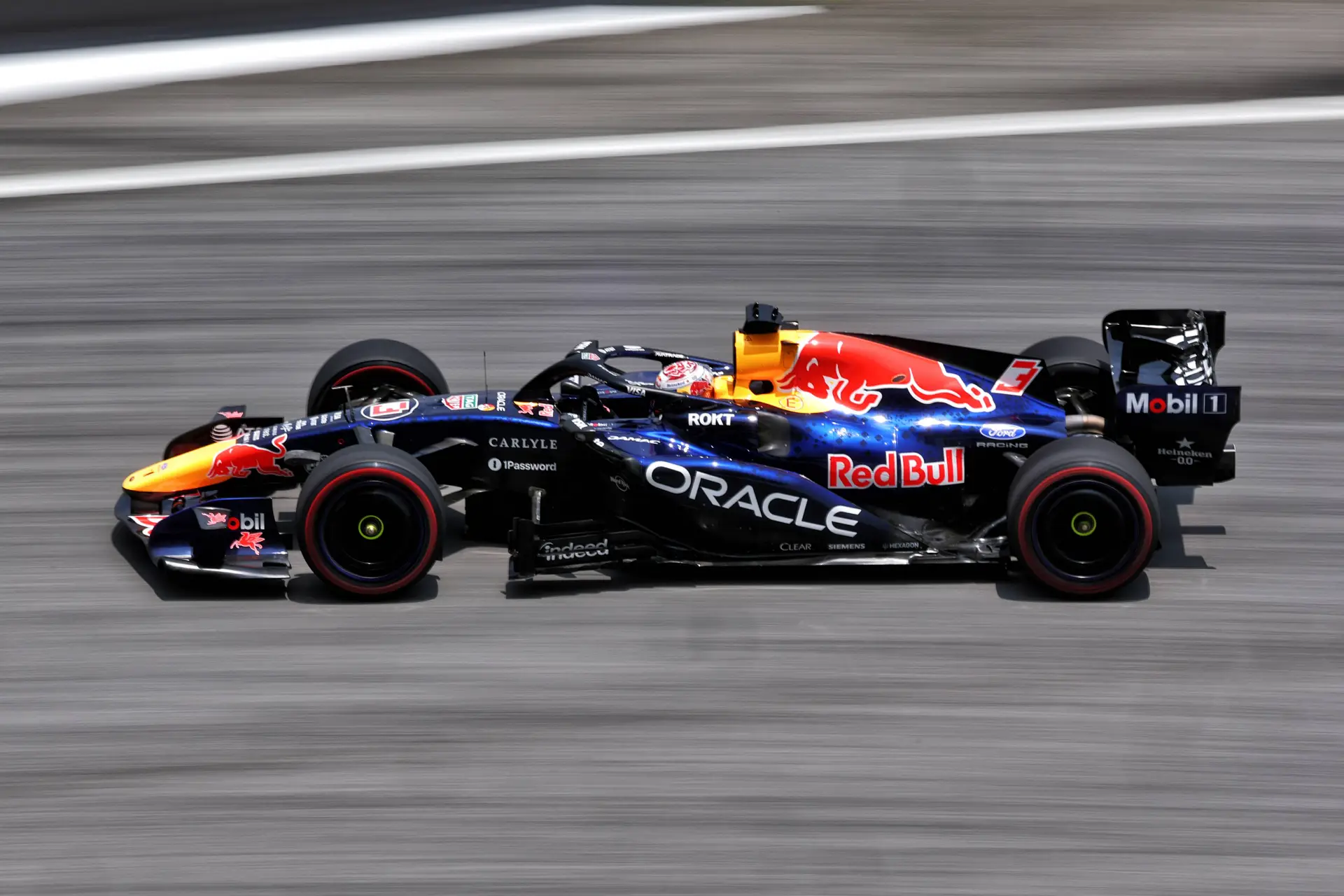
GPblog can however, confirm that ExxonMobil’s fuel, the fuel supplier and partner of Red Bull Racing and Racing Bulls, has already been approved for the upcoming Formula 1 season. The two Red Bull teams therefore do not need to worry about having to run with a provisional fuel.
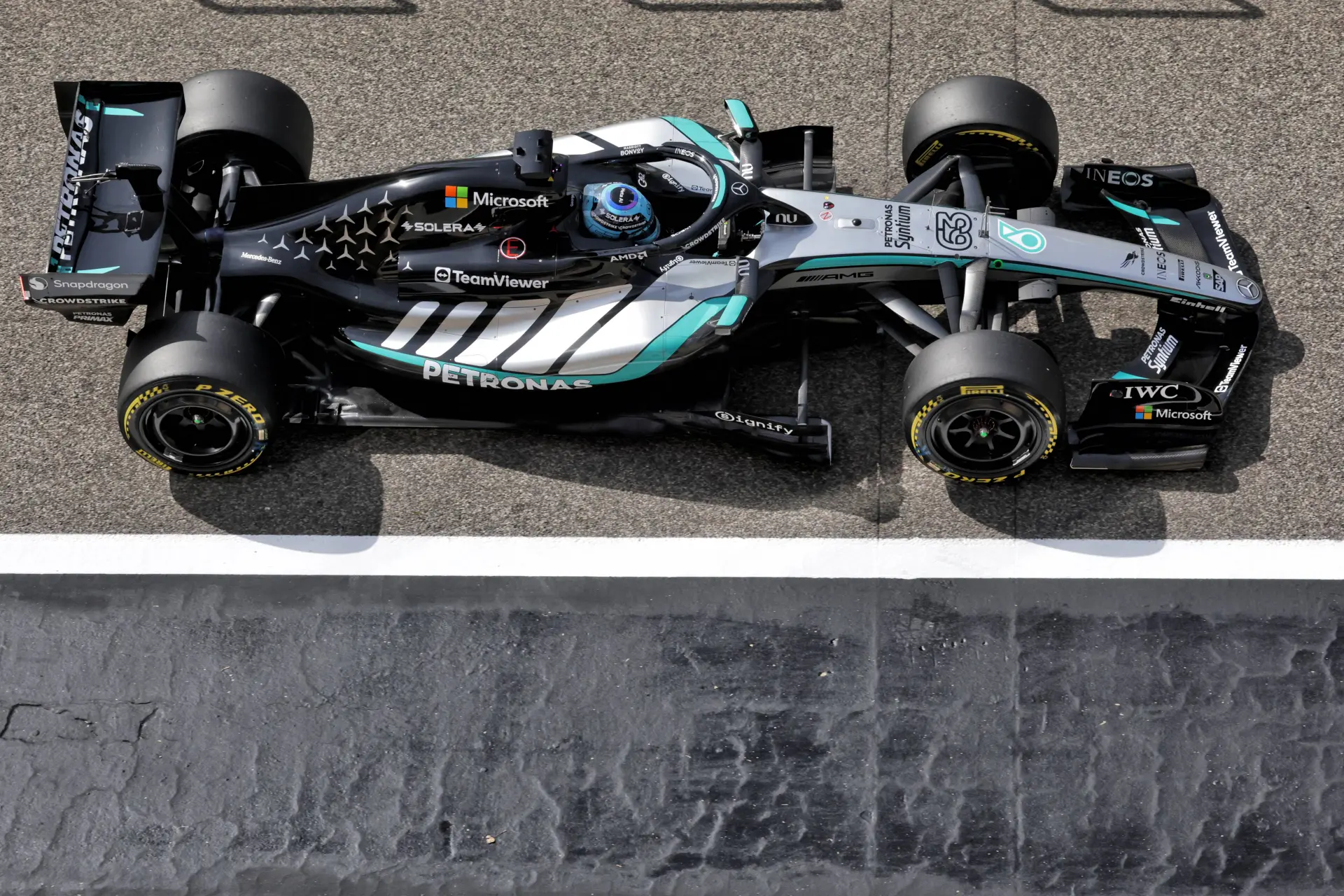
There is still no clarity, however, regarding Petronas fuel, the fuel supplier for Mercedes - powered cars. GPblog have yet to receive a reply from Mercedes when asked about this report.
What has changed in the FIA’s test?
ADVERTISEMENT
Until 2025, the fuel was tested in a British affiliated company with the FIA's support. Suppliers had to send a sample and receive confirmation there that it complied with FIA regulations. A simple procedure that normally took 2 to 3 weeks.
With the sustainable fuel that will be used in 2026, the process of homologating the fuel has become more complex. An external party from England, Zemo, not only analyzes the fuel but also is responsible for verifying the entire production process.
The process, which also involves more frequent visits to the factory, is complex and takes much longer than the previous process.

Red Bull does not need to worry for the Australian GP - Photo: RacePictures
Why this matters for the Australian GP
ADVERTISEMENT
If a fuel supplier gets its fuel approved by the FIA too late, it cannot use that fuel during the Grand Prix. In that case, a “provisional fuel” may be used in order to compete. However, that may not be at the same specification for which the engine was built.
As the supplier to four teams, the fuel for the Mercedes power unit is a key factor in this story. If Mercedes’ fuel is not approved in time, McLaren, Williams, and Alpine would also be affected. Whether this will actually have consequences for Mercedes and its customer teams is still unclear at this time, but it could cause a loss in expected horsepower.

Don’t miss GPblog in Google
Mark us as a preferred source and our articles will appear more often at the top of Top Stories.
Add as a preferred / source on GoogleRead more about:
latest news





Bahrain Grand Prix
Overview
... ...
Practice 1
...
Practice 2
...
... ...
Practice 3
...
Qualification
...
... ...
Race
...
... ...
Practice 1
...
Practice 2
...
... ...
Practice 3
...
Qualification
...
... ...
Race
...
Times are in your local timezone
Rumors
Popular on GPBlog

1
Back-of-grid start confirmed as three drivers face Sepang setback
1503 times read

2
Lando Norris reveals why he skipped karting with F1 drivers
1489 times read

3
‘You just have to pay it’: Verstappen responds to F1 drivers’ Italian tax concerns
1244 times read

4
Verstappen threatens F1 with a nightmare by not ruling out a boycott
726 times read
F1-stand 2026
Season
| Pos. | Driver | Team | Points |
|---|---|---|---|
1 | MercedesMER | 302 | |
2 | MercedesMER | 236 | |
3 | FerrariFER | 199 | |
4 | McLarenMCL | 186 | |
5 | FerrariFER | 179 | |
6 | Red Bull RacingRBR | 163 | |
7 | McLarenMCL | 120 | |
8 | Red Bull RacingRBR | 86 | |
9 | Racing BullsRCB | 59 | |
10 | AlpineALP | 41 |
Loading