
A filmmaker with a soft spot for Ronnie Peterson, Gilles Villeneuve, Mika Hakkinen and above all, Tazio Nuvolari and Ayrton Senna, is also a diehard Formula One fan since the age of 4 (mid-90's). An avid researcher of the past of Grand Prix Racing since before it was even named F1, and with a thirst for knowledge of the ins and outs of the actuality of the sport, as well as for the technical aspects that define it, is a member of GPblog since 2023, where he has put his love of racing to good use.
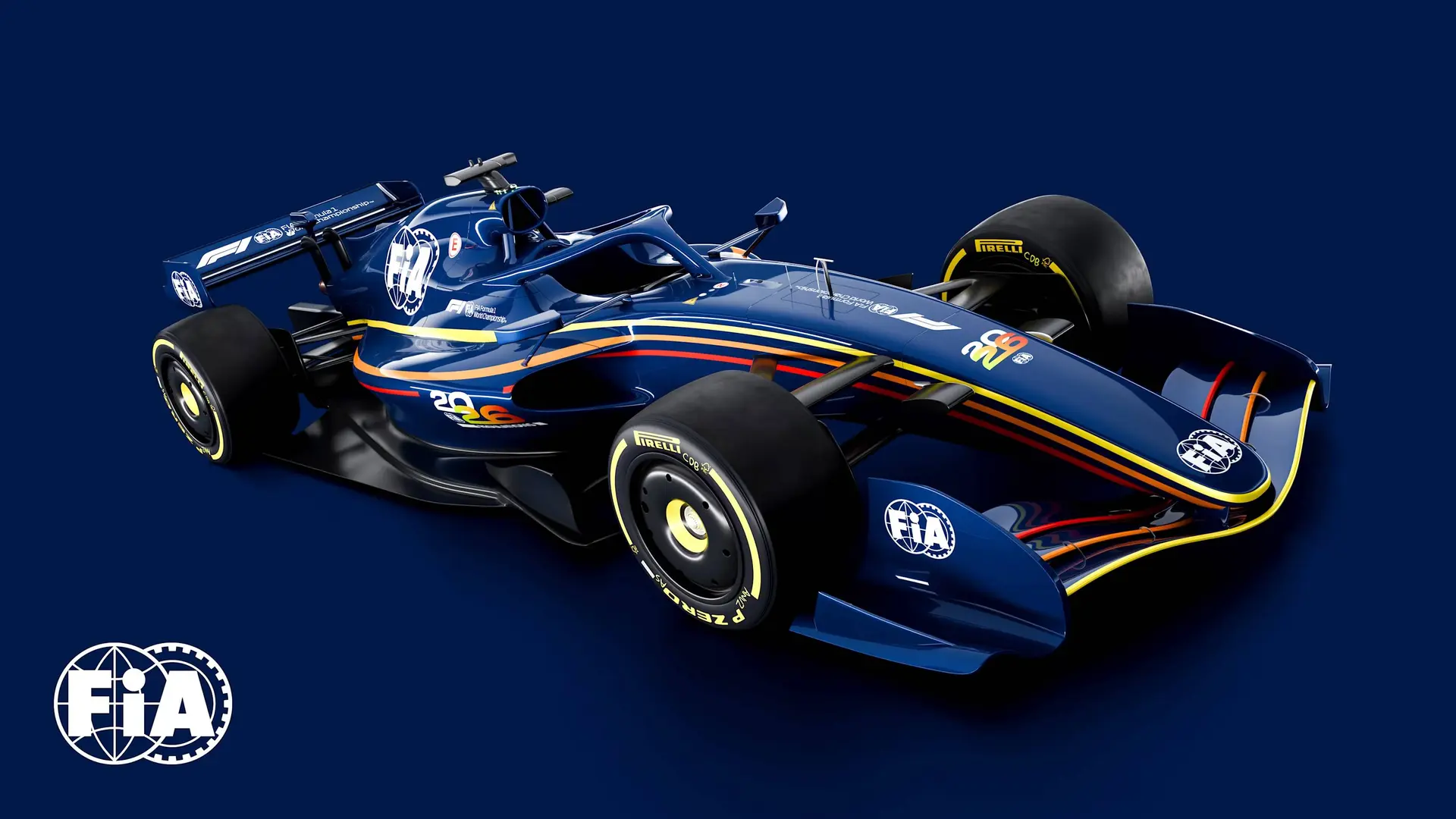
How much slower will Formula 1 be in 2026? According to FIA single-seater director Nikolas Tombazis, the answer is simple: it doesn’t really matter.
Speaking to Motorsport.com, Tombazis downplayed concerns that the new-generation cars will be noticeably slower.
“I really don’t think the lap times are going to be a factor once people get used to these cars.
"I think it’s a comment you make initially when you see the delta, but I don’t think it will be a factor frankly, nor will it be hugely different from now.”
F1's development race will close the gap?
ADVERTISEMENT
The FIA has run simulations suggesting that lap times will initially be between 1.0 and 2.5 seconds slower compared to the current regulations, but this will be mitigated by the development race.
“Clearly there will be evolution that will make them gain speed,” Tombazis added.
However, he acknowledged that the projections are not absolute, and the outright lap times could be even slower than predicted in some cases.
“In fairness, we don’t have data from all the teams, we don’t know the exact levels of downforce from all the teams.
"Potentially, some teams that don’t get it right initially may be a bit slower than our simulations, but we don’t expect lap times to be a talking point.”
ADVERTISEMENT
'F1 cars in 2026 not as slow as F2'
For Tombazis, the priority is the spectacle, not stopwatch comparisons. “I find it a bit surprising why people actually care.
"Clearly if we’d make cars as slow as F2 or anything like that, then obviously people will have something to say about it, but that is definitely not the case.”
The 2026 regulations, combining new power units with lighter, more agile chassis, are designed to prioritise closer racing and better on-track battles, something the FIA insists fans will value more than raw pace.
Read also

ADVERTISEMENT
Don’t miss GPblog in Google
Mark us as a preferred source and our articles will appear more often at the top of Top Stories.
Add as a preferred / source on Google