FIA implement additional rules tweaks ahead of Miami GP weekend
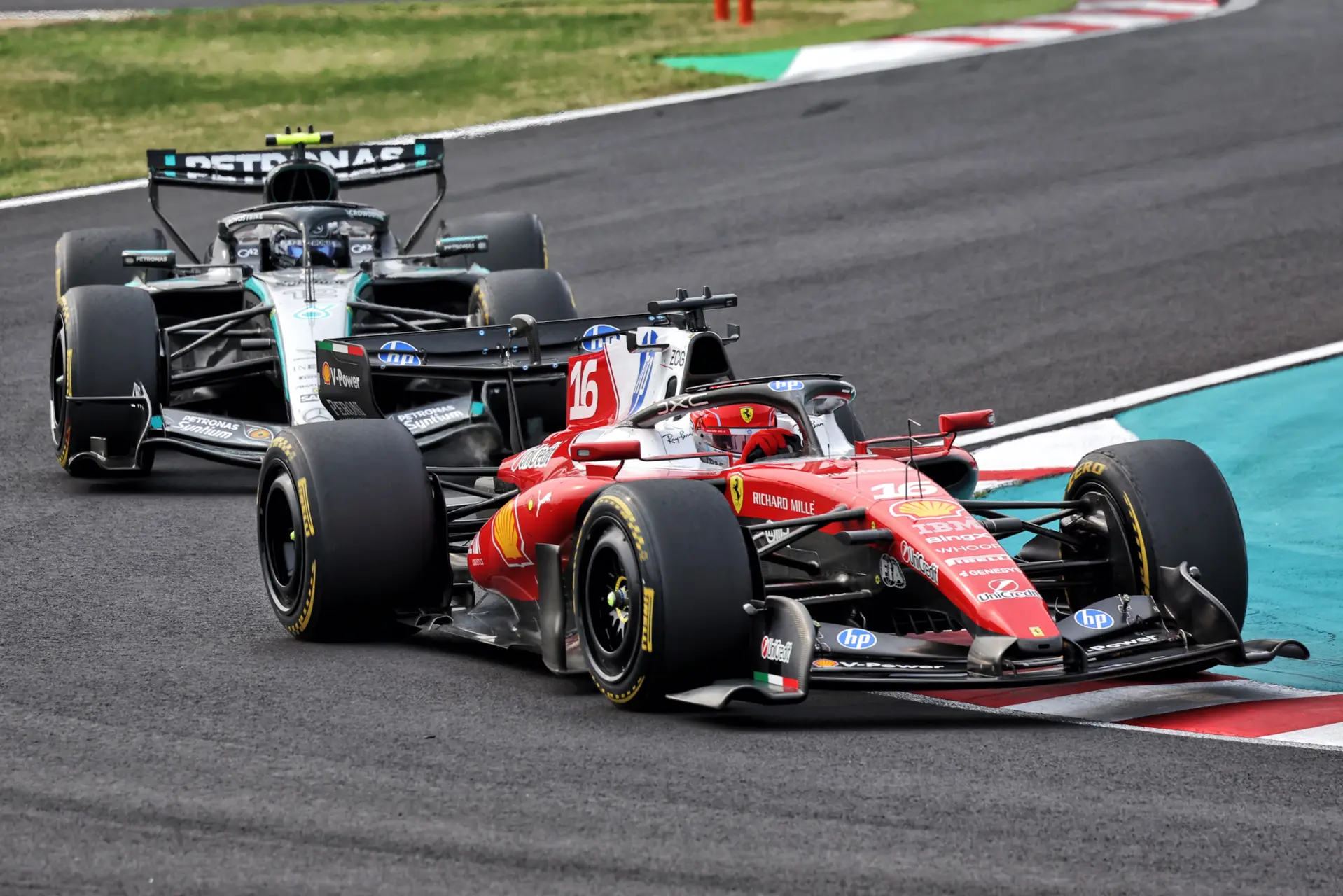
Photo: Race Pictures
Updated: 11:02, 30 Apr
0 Comments
Tobia is a Formula 1 journalist at GPblog with experience at international circuits. Since 2022, he has covered Grands Prix across Europe, delivering reliable coverage and insights from the paddock.
The FIA has confirmed that drivers will no longer be allowed to use boost mode in wet conditions from the Miami Grand Prix onwards.
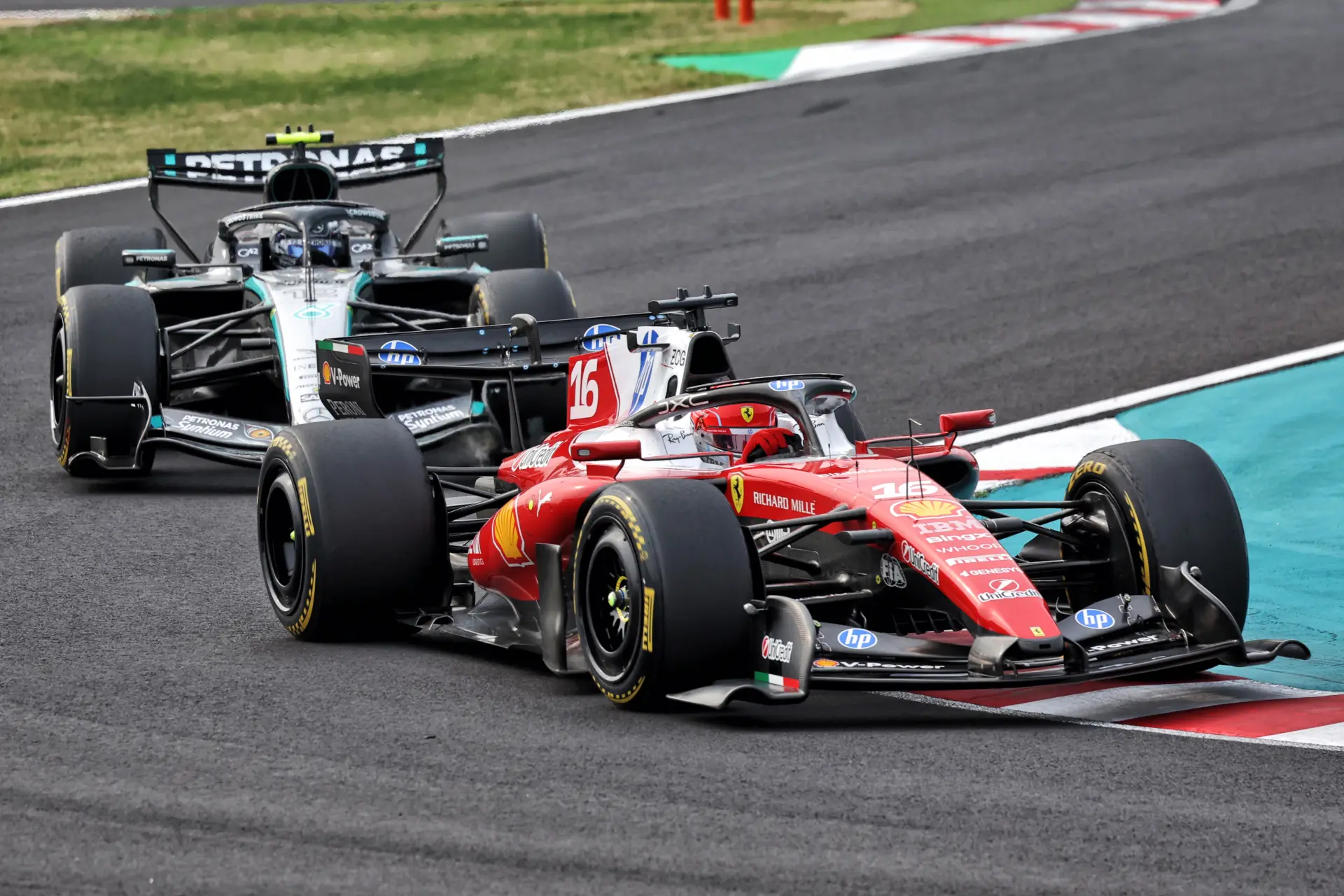
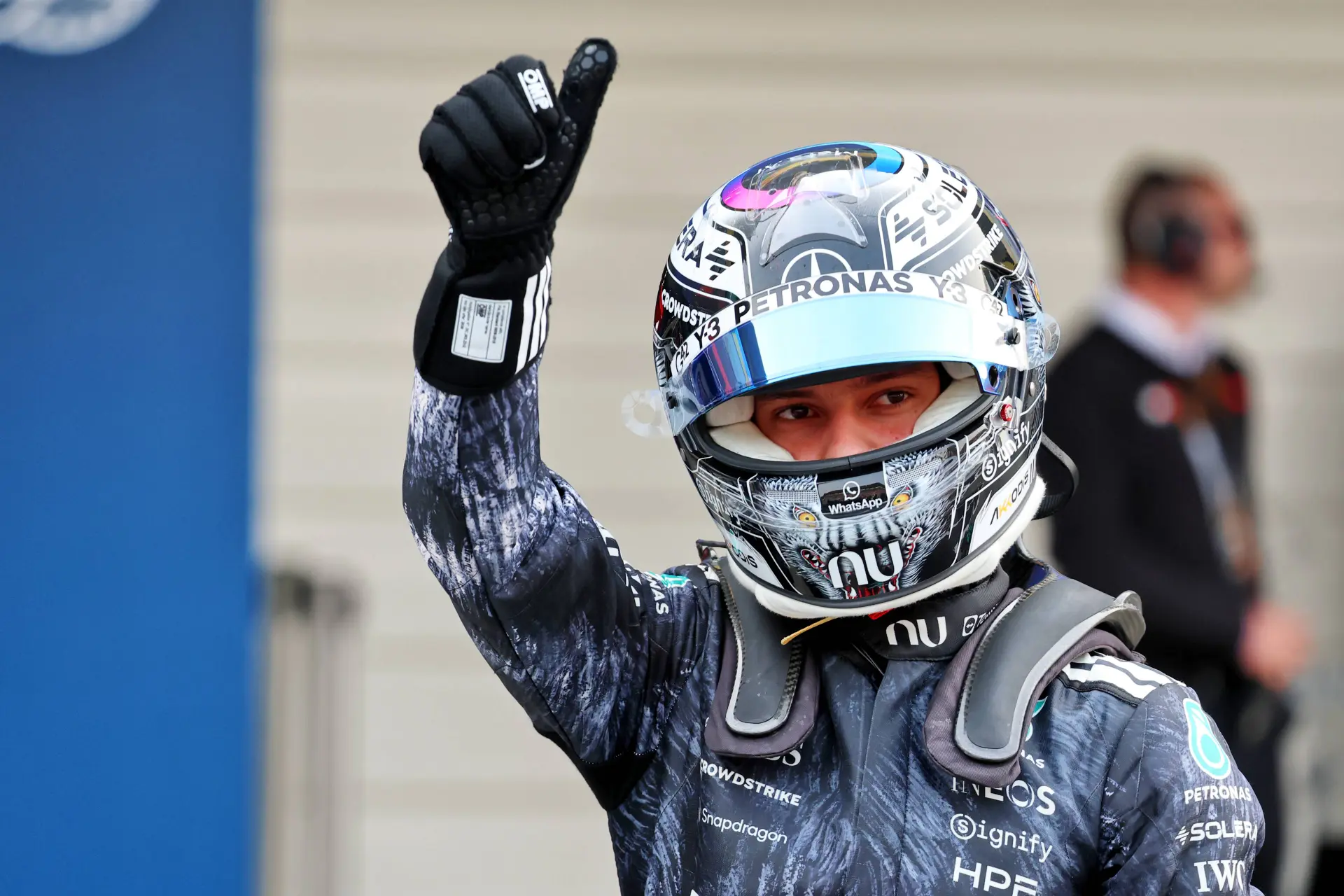
Back on April 20, the governing body announced a series of measures aimed primarily at improving safety, including a cap of 150 extra horsepower for boost mode during races in an effort to avoid the dangerous closing speeds seen at Suzuka during the crash involving Franco Colapinto and Oliver Bearman.
The FIA also introduced a new system designed to help cars that stall at the start, preventing them from becoming stationary targets for drivers approaching from behind. In the name of safety, the final version of the regulations approved by the World Motor Sport Council also introduced several smaller but still noteworthy rule tweaks, all of which will come into effect immediately from the Miami Grand Prix onwards.
One of the most significant changes concerns the use of boost mode in wet conditions. As previously mentioned, drivers will no longer be allowed to activate the system in low-grip situations, with the updated regulations now explicitly stating that the mode “will be inhibited and is not allowed.”
The FIA has also revised the rules regarding straight line mode, namely the simultaneous opening of the front and rear wings designed to reduce drag and increase top speed. The updated wording now specifies that “In Low Grip Conditions, only partial activation of the Driver Adjustable Bodywork in the associated Low Grip Activation Zones is allowed.”
ADVERTISEMENT

Photo: Race pictures
Tombazis breaks down drivers’ role in key meeting behind F1 rule tweaks
FIA single seaters director Nikolas Tombazis has revealed that drivers were largely aligned during discussions over the latest 2026 regulation tweaks, with many of them asking for qualifying changes that would allow them to push harder and enjoy the cars more. According to the FIA official, several drivers also raised concerns over safety, making their feedback a key factor in the final decision-making process ahead of the Miami Grand Prix weekend.
Tombazis also underlined how difficult it is to reach a common direction in Formula 1 given the competitive nature of the sport, with teams, drivers and power unit manufacturers all pursuing different interests. He explained that part of the FIA’s role is to balance those opposing positions and find the best possible compromise for the championship moving forward.
Read also


ADVERTISEMENT
Don’t miss GPblog in Google
Mark us as a preferred source and our articles will appear more often at the top of Top Stories.
Add as a preferred / source on GoogleRead more about:
latest news



Azerbaijan Grand Prix
Overview
Thursday 24.09.26
Practice 1
08:30 AM
Practice 2
12:00 PM
Friday 25.09.26
Practice 3
08:30 AM
Qualification
12:00 PM
Saturday 26.09.26
Race
11:00 AM
Thursday 24.09.26
Practice 1
Thu 08:30 AM
Practice 2
Thu 12:00 PM
Friday 25.09.26
Practice 3
Fri 08:30 AM
Qualification
Fri 12:00 PM
Saturday 26.09.26
Race
Sat 11:00 AM
Times are in your local timezone
Rumors
Popular on GPBlog

1
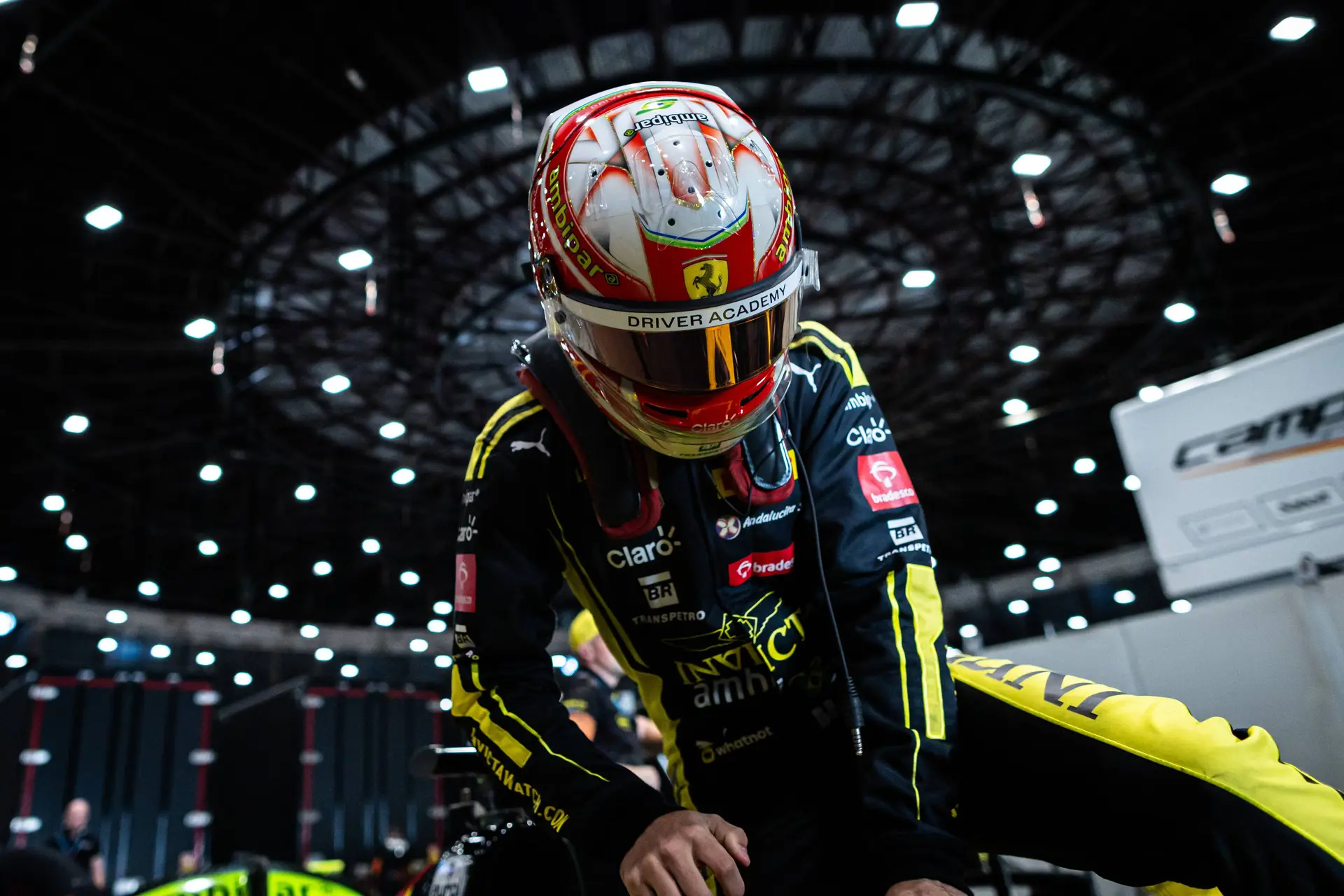
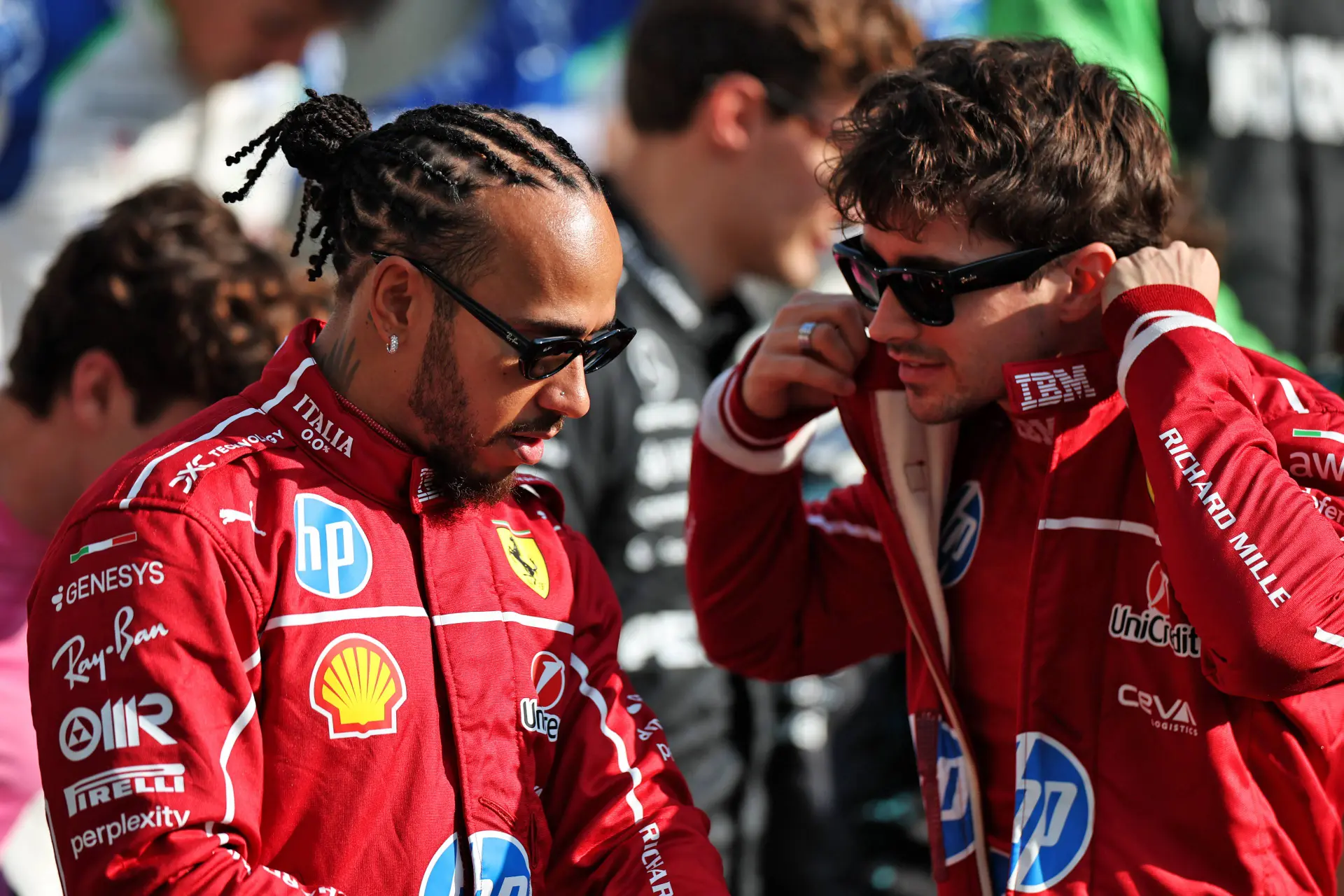
Hamilton reportedly pushes Ferrari to replace key trackside figures as Vasseur relationship cools
15134 times read
2
Haas has made a difficult choice: this driver is set to replace Ocon
1700 times read

3
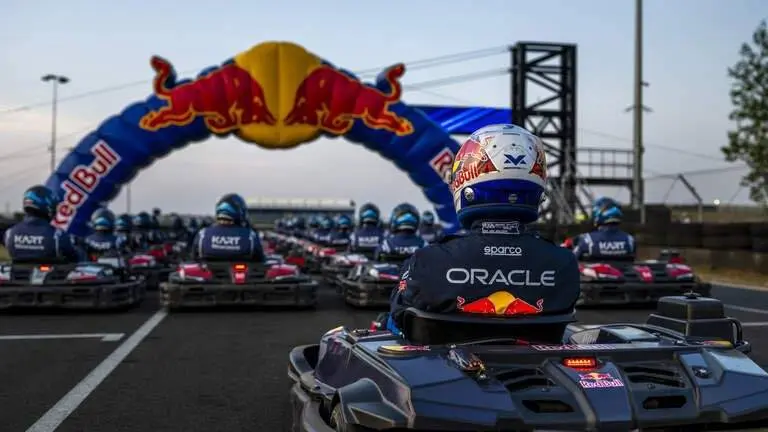
Verstappen highlights painful detail after impressive win over 100 kart drivers
1374 times read

4
Verstappen takes 35 minutes to complete epic kart challenge
1286 times read
F1-stand 2026
Season
| Pos. | Driver | Team | Points |
|---|---|---|---|
1 | MercedesMER | 292 | |
2 | MercedesMER | 211 | |
3 | FerrariFER | 191 | |
4 | McLarenMCL | 186 | |
5 | FerrariFER | 167 | |
6 | Red Bull RacingRBR | 145 | |
7 | McLarenMCL | 120 | |
8 | Red Bull RacingRBR | 71 | |
9 | Racing BullsRCB | 59 | |
10 | AlpineALP | 41 |
Loading