Antonelli on finding the balance between aggression and intelligence in F1
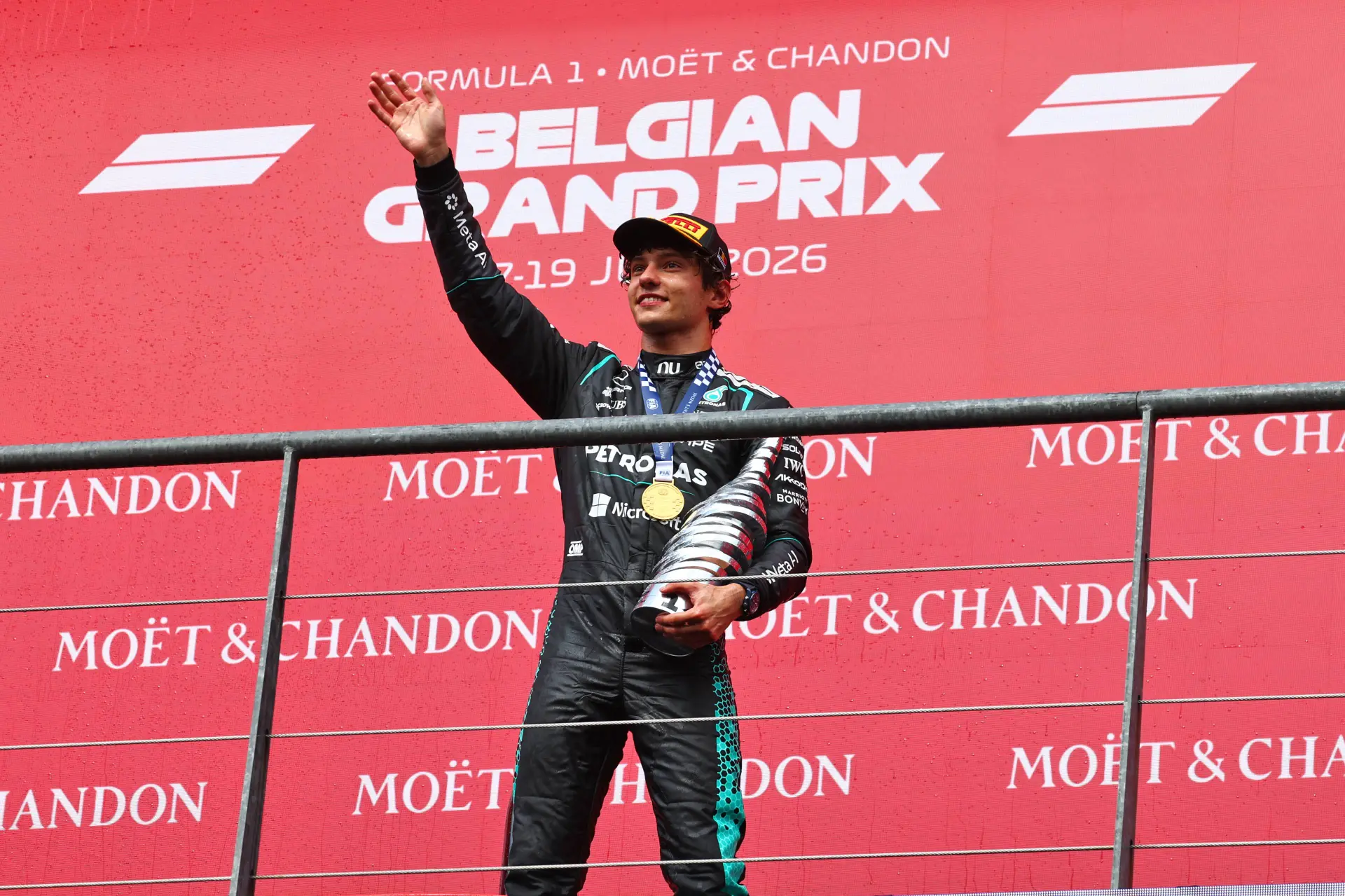
Photo: Race Pictures
11:00, 10 Aug
0 Comments

Ben Hunt is an award-winning motorsport journalist with over two decades of experience in Formula 1 and international media. As a former editor-in-chief and bestselling author, he delivers in-depth analysis and strategic insight from the highest level of the sport.
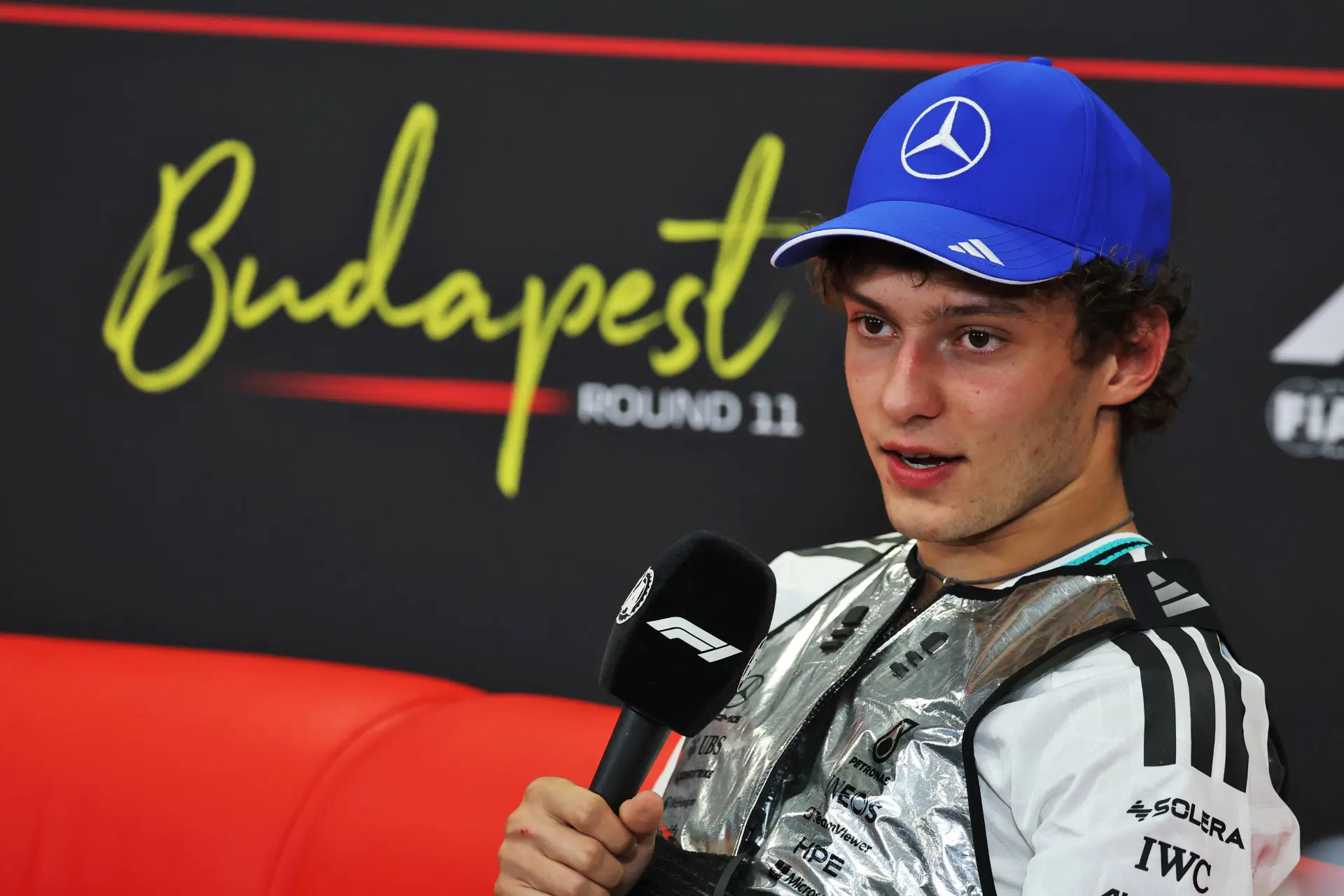
Kimi Antonelli says the driver who climbs into an F1 car is different to the person who arrives in the paddock, but has revealed there is a significant switch in his preparations that shift his mindset.
The Mercedes driver has explained that lowering his visor triggers a more ruthless mindset, one he believes he has developed as he has grown through the junior ranks. For Antonelli, however, aggression alone is not enough. The challenge is learning when to attack and when to protect the bigger picture.
“When I’m in the car, you kind of become a different person,” Antonelli said in a video with sponsors SAP. “When you close the visor, yeah.”
Asked what changes when he heads out on track, Antonelli pointed to the single-minded focus demanded by Formula 1.
“It’s like the killer instinct comes into play,” he explained. “When you put the visor down, you go on track. It’s just you and the car and the track. And you’re thinking to be the best out there. So no mercy, nothing. You just go for it.”
ADVERTISEMENT
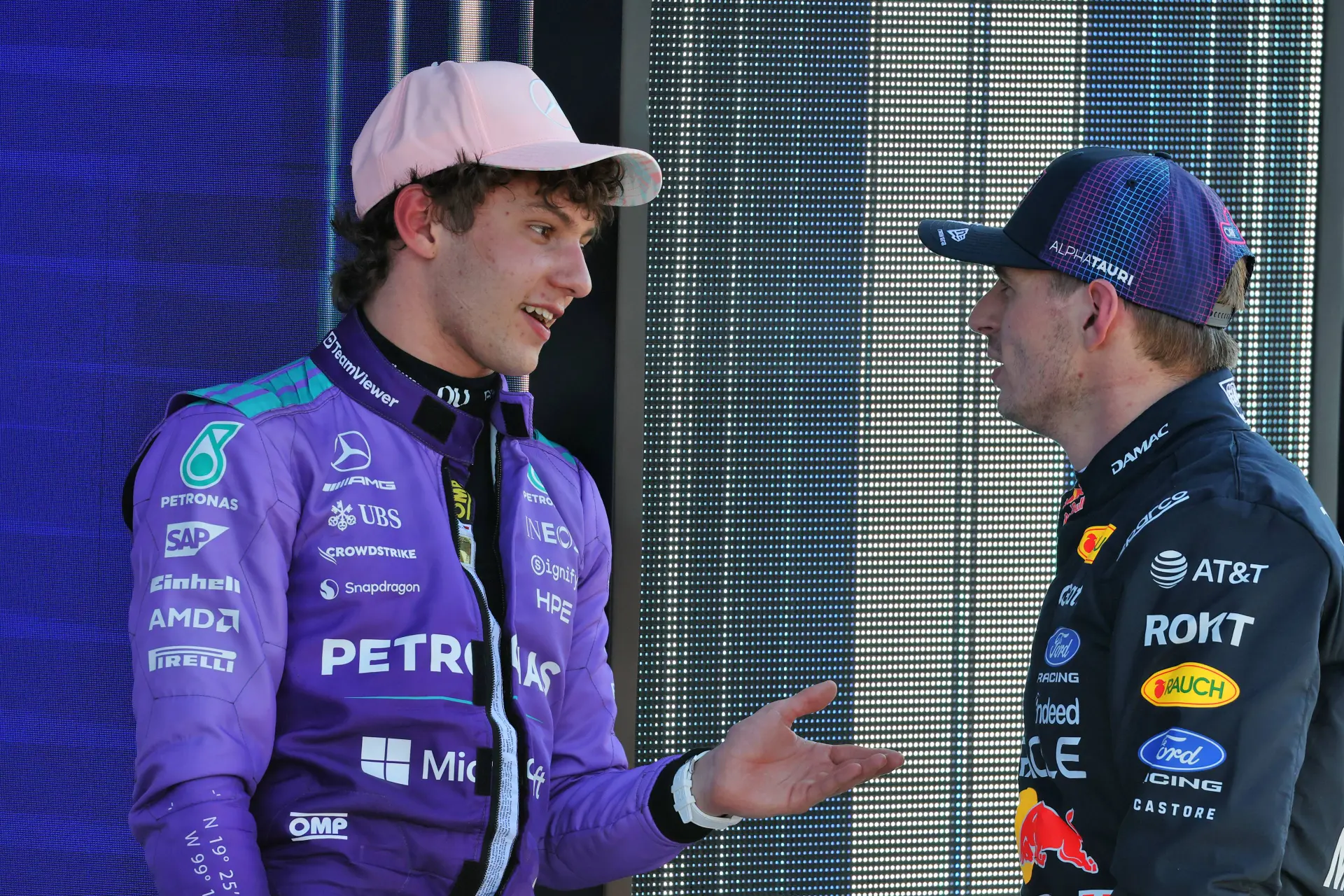
The Killer Instinct
The description captures a familiar contradiction in elite motorsport. Drivers must commit fully when an overtaking chance appears, or when a lap demands every last fraction of grip. But the same driver must calculate risk instantly: a move that looks decisive can become costly if it damages the car, overheats the tyres or ends in contact.
Antonelli says that balance has been a deliberate area of development. He does not believe he always carried the same hard edge as a younger racer.
“I’m becoming more and more [like that] as I’m growing up,” he said. “When I was a kid, I was still a bit too nice on track at times.”
That self-assessment is revealing for a driver whose rise has been rapid. It is easy to equate a killer instinct with simply forcing an overtake, defending every corner or driving at maximum attack in every phase of a race. Antonelli instead frames it as a skill which has to be refined. His goal is not uncontrolled aggression, but a sharper ability to make the right competitive decision under pressure.
“So far, [I’m] getting better. Still a lot to work on,” he added. “It’s not only a matter of being aggressive; you also have to be smart in doing that. It’s not just you go for it full aggressive and then you see what happens. You need to still be smart and, at times, play it safe.”
The distinction will matter across a season. Modern F1 drivers must judge overtakes against tyre life, track position and the risk of penalties or damage. Being forceful can open opportunities, but patience can be just as valuable when a rival’s tyres are fading or pit strategy is about to change the order.
Antonelli’s comments offer an insight into his maturing approach. The instinct to win remains essential once the visor comes down, but the strongest version of that instinct is controlled. The Italian is not trying to become reckless; he is trying to become harder to beat.
For a young driver facing scrutiny, that may be the most important development: retaining the urgency to attack while gaining the judgement to know when the smarter move is to wait.
Antonelli says that balance has been a deliberate area of development. He does not believe he always carried the same hard edge as a younger racer.
“I’m becoming more and more [like that] as I’m growing up,” he said. “When I was a kid, I was still a bit too nice on track at times.”
That self-assessment is revealing for a driver whose rise has been rapid. It is easy to equate a killer instinct with simply forcing an overtake, defending every corner or driving at maximum attack in every phase of a race. Antonelli instead frames it as a skill which has to be refined. His goal is not uncontrolled aggression, but a sharper ability to make the right competitive decision under pressure.
“So far, [I’m] getting better. Still a lot to work on,” he added. “It’s not only a matter of being aggressive; you also have to be smart in doing that. It’s not just you go for it full aggressive and then you see what happens. You need to still be smart and, at times, play it safe.”
The distinction will matter across a season. Modern F1 drivers must judge overtakes against tyre life, track position and the risk of penalties or damage. Being forceful can open opportunities, but patience can be just as valuable when a rival’s tyres are fading or pit strategy is about to change the order.
Antonelli’s comments offer an insight into his maturing approach. The instinct to win remains essential once the visor comes down, but the strongest version of that instinct is controlled. The Italian is not trying to become reckless; he is trying to become harder to beat.
For a young driver facing scrutiny, that may be the most important development: retaining the urgency to attack while gaining the judgement to know when the smarter move is to wait.
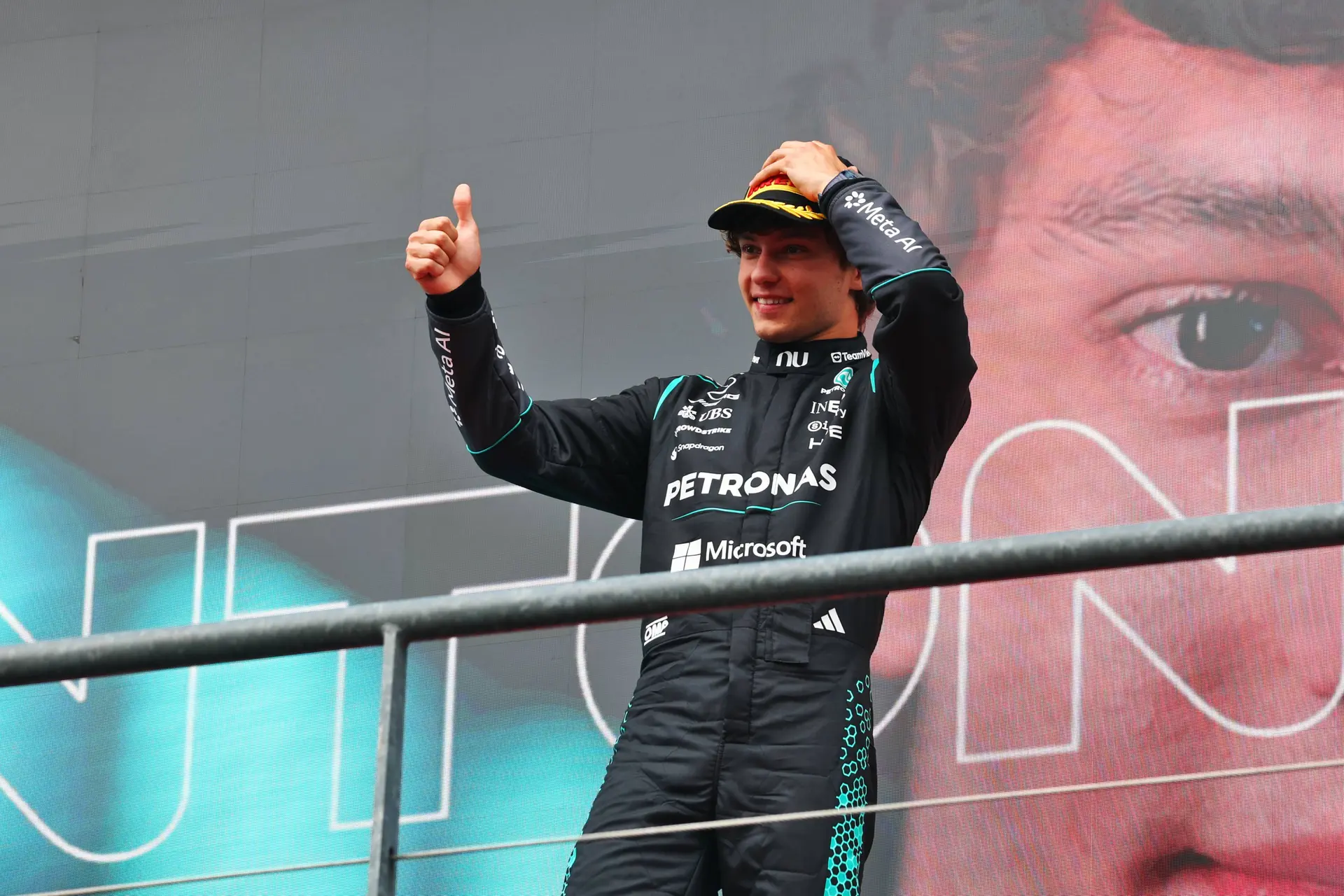
Watch Significant Figures on the SAP YouTube channel
ADVERTISEMENT
Don’t miss GPblog in Google
Mark us as a preferred source and our articles will appear more often at the top of Top Stories.
Add as a preferred / source on GoogleRead more about:
latest news
Azerbaijan Grand Prix
Overview
Thursday 24.09.26
Practice 1
08:30 AM
Practice 2
12:00 PM
Friday 25.09.26
Practice 3
08:30 AM
Qualification
12:00 PM
Saturday 26.09.26
Race
11:00 AM
Thursday 24.09.26
Practice 1
Thu 08:30 AM
Practice 2
Thu 12:00 PM
Friday 25.09.26
Practice 3
Fri 08:30 AM
Qualification
Fri 12:00 PM
Saturday 26.09.26
Race
Sat 11:00 AM
Times are in your local timezone
Rumors
Popular on GPBlog
1
Hamilton learns stewards’ verdict after ‘dangerous’ Azerbaijan FP2 incident with Lawson
5246 times read
2
Audi reaches final decision over its 2027 F1 driver line-up
1632 times read
3
Verstappen receives the confirmation he wanted from Red Bull in Baku
1133 times read
4
Cadillac hires former Red Bull key figure, but Alpine blocks the move for now
1120 times read
F1-stand 2026
Season
| Pos. | Driver | Team | Points |
|---|---|---|---|
1 | MercedesMER | 292 | |
2 | MercedesMER | 211 | |
3 | FerrariFER | 191 | |
4 | McLarenMCL | 186 | |
5 | FerrariFER | 167 | |
6 | Red Bull RacingRBR | 145 | |
7 | McLarenMCL | 120 | |
8 | Red Bull RacingRBR | 71 | |
9 | Racing BullsRCB | 59 | |
10 | AlpineALP | 41 |
Loading