Marc Marquez confirms role in Isack Hadjar decision to skip Zandvoort
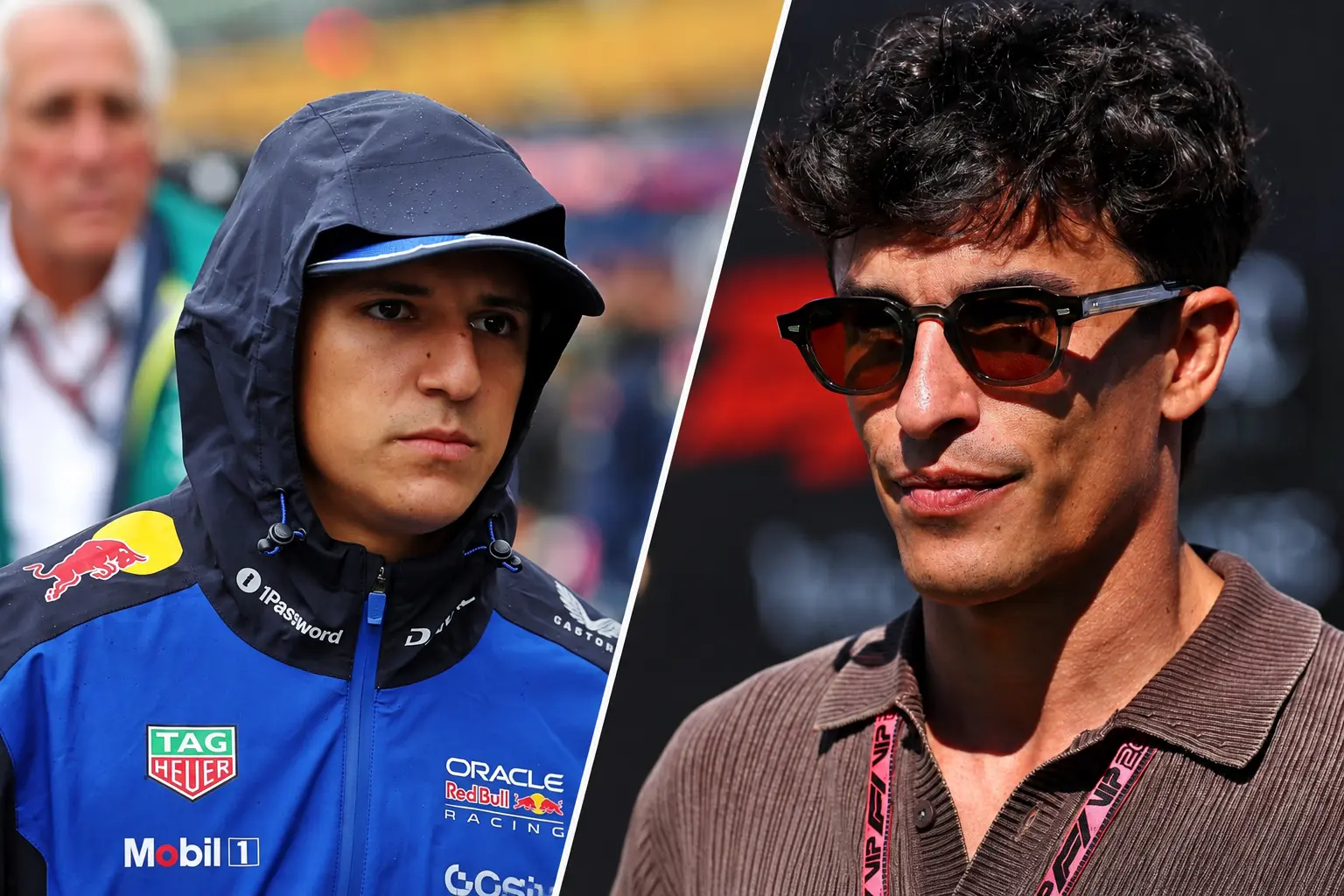
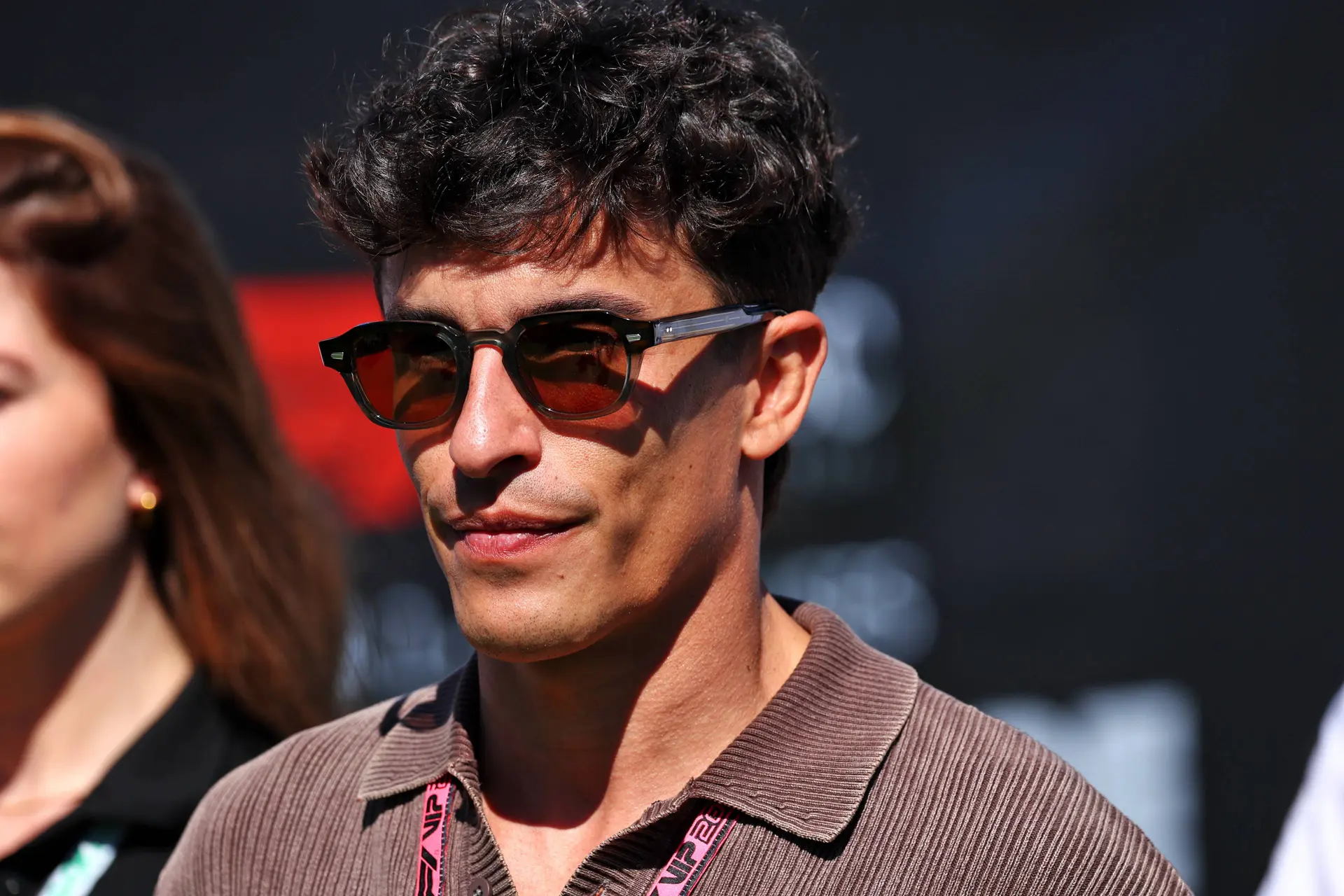
Marquez's advice helped Hadjar decide not to race in the Netherlands (Photo: Race Pictures)
Connor Andrews is Formula 1 and MotoGP writer for GPblog and various outlets. Having worked in motorsport for 15 years for leading companies, he has interviewed the sports biggest names and attended multiple Grands Prix.
Marc Marquez has confirmed his role in Isack Hadjar’s withdrawal from the Dutch Grand Prix.
The Red Bull Formula 1 driver pulled out of Zandvoort last time out due to a wrist injury he suffered in training.
A report from Canal+ claimed the Frenchman contacted Marquez for advice through their shared physio, with the MotoGP legend advising Hadjar against racing.
Marquez has now confirmed the story before the Aragon Grand Prix.
Isack Hadjar turned to Marquez after wrist injury
ADVERTISEMENT
He said in the mixed zone: “Hadjar contacted me, I’m not a doctor of course but just for advice.
“Sometimes for a rider, a driver in this case, it’s super difficult because sometimes you feel like ‘ok maybe I can’ but it’s difficult to accept that ok maybe I will skip this race and I will prepare in a better way for the next one.
“That’s just what I said, I learned in the past missing one race will not change your life. Getting your injury worse because you rode too early can change your life.
“My life changed a lot since the Jerez injury, so I just tried to give that advice to Isack, and I think he took the correct decision because he has a long career in front [of him].”
ADVERTISEMENT
“I learned in the past missing one race will not change your life. Getting your injury worse because you rode too early can change your life.- Marc Marquez
Marquez’s comeback mistake almost ended his career
Marquez’s infamous Jerez incident occurred in 2020 and almost resulted in an early retirement.
The 33-year-old broke his arm in the season opener, and then returned a week later only to withdraw through pain and not feature again that season.
Three surgeries, a broken metal plate and an infection followed as Marquez continued to miss multiple races in 2021 and 2022.
ADVERTISEMENT
A fourth operation in 2022 finally appeared to solve the problem, but Marquez still bears the scars of returning too soon – an experience that directly shaped his advice to Hadjar.
Marquez still regrets Jerez comeback
Earlier reflecting on his 2020 hell, he said: “I was afraid I would not have a normal arm.
“There was one point in October-November when I was not able to take a bottle of water, I was straining to eat, I was not able to move the arm in a normal way. I was afraid.
"It has taught me many things. The first, that the attempt to return after the injury was hasty. My plate broke at home, opening a sliding door that I have to go out to the garden.
ADVERTISEMENT
"But the plate did not break there, it did so as a result of all the stress that was created in Jerez."
He added: "Trying to return to Jerez was a mistake. I've learned that the riders have a virtue and a defect, which is that the riders do not see fear, so they [doctors] have to make us see it.
"After the first operation, the first question of every rider is: when can I get back on the bike?
"And it is the doctor who has to know how to stop you, he is the one who has to be realistic. I went to Jerez with the peace of mind that the plate held because they told me so.
"I am brave but not unconscious. If they tell me that the plate can break, I would not have gotten on a 300km/h motorcycle."
ADVERTISEMENT
Don’t miss GPblog in Google
Mark us as a preferred source and our articles will appear more often at the top of Top Stories.
Add as a preferred / source on Google