Malaysia’s iconic Sepang International Circuit gets multi-year contract extension for MotoGP
12:30, 01 Jul
1 Comments

Andrew McLarneyMotoGP Reporter
Andrew McLarney is an accredited MotoGP reporter with four years experience as a professional writer across the sports and video game industries. His experience as a K1 Premier League competitor evolved into a fascination with all forms of combat sport and eventually motorsport — with MotoGP becoming his primary focus. On top of that he is also an avid follower of MXGP and AMA Supercross/Motocross.
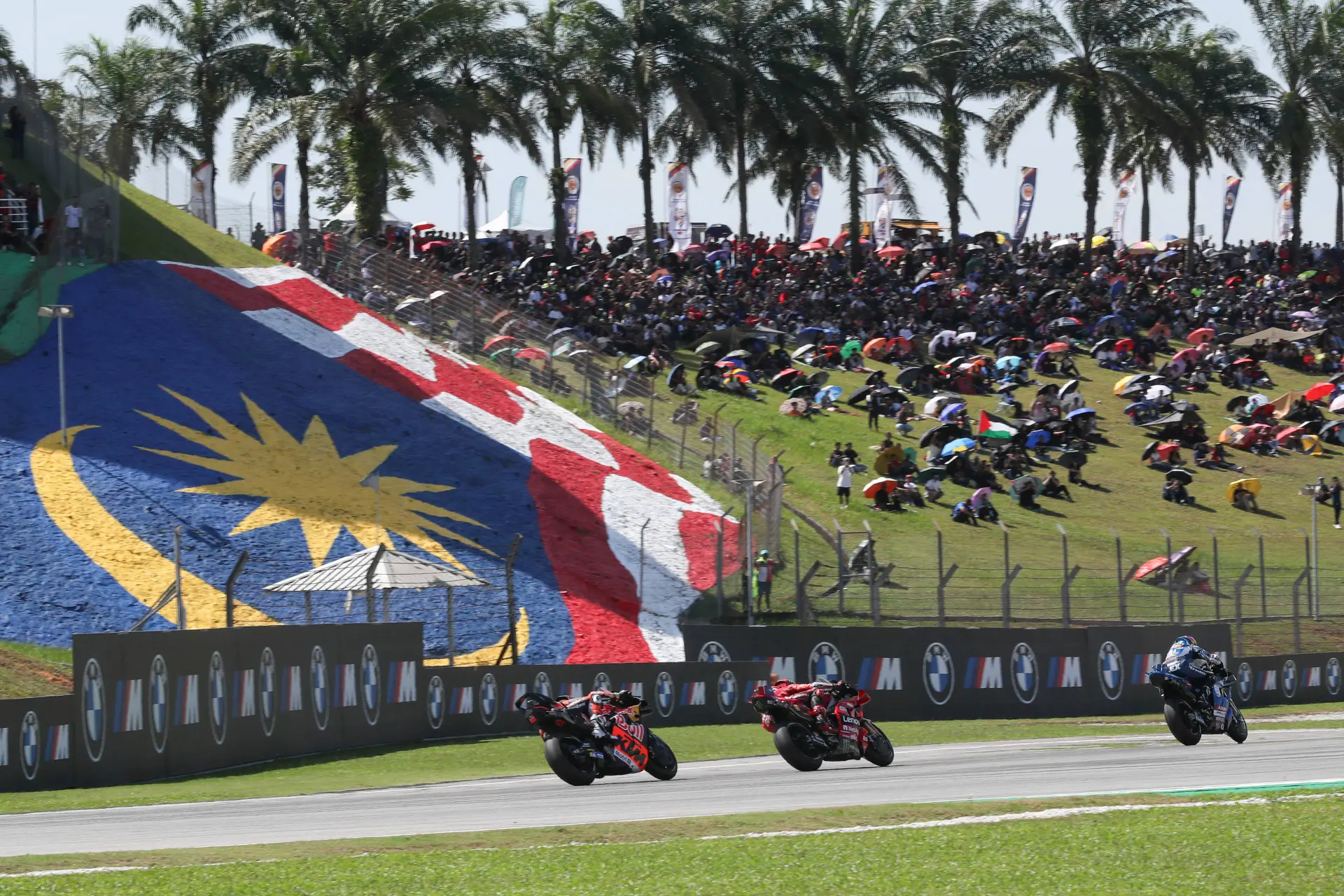
The Sepang International Circuit in Malaysia is one of the most legendary tracks on the MotoGP calendar and has played host to some of the sport’s most iconic and tragic moments over the last few decades. Having been in use since 1999, the circuit used to host F1 races too until 2017, but MotoGP are showing no signs of discontinuing their partnership with the venue for a further five years, much to the delight of fans around the world.
Based directly next to the motorcycle-mad capital of Kuala Lumpur, the track is beloved among both fans and riders alike for its fast, flowing nature and the way it naturally invites competitive duels. The Rossi-Marquez battle of 2015 is arguably the greatest duel in the sport's history, resulting in the famous kick which defined an entire era of modern MotoGP. The Sepang Circuit is synonymous with such moments, and also holds a sentimental place in many hearts due to the death of rising Italian star Marco Simoncelli here in 2011.
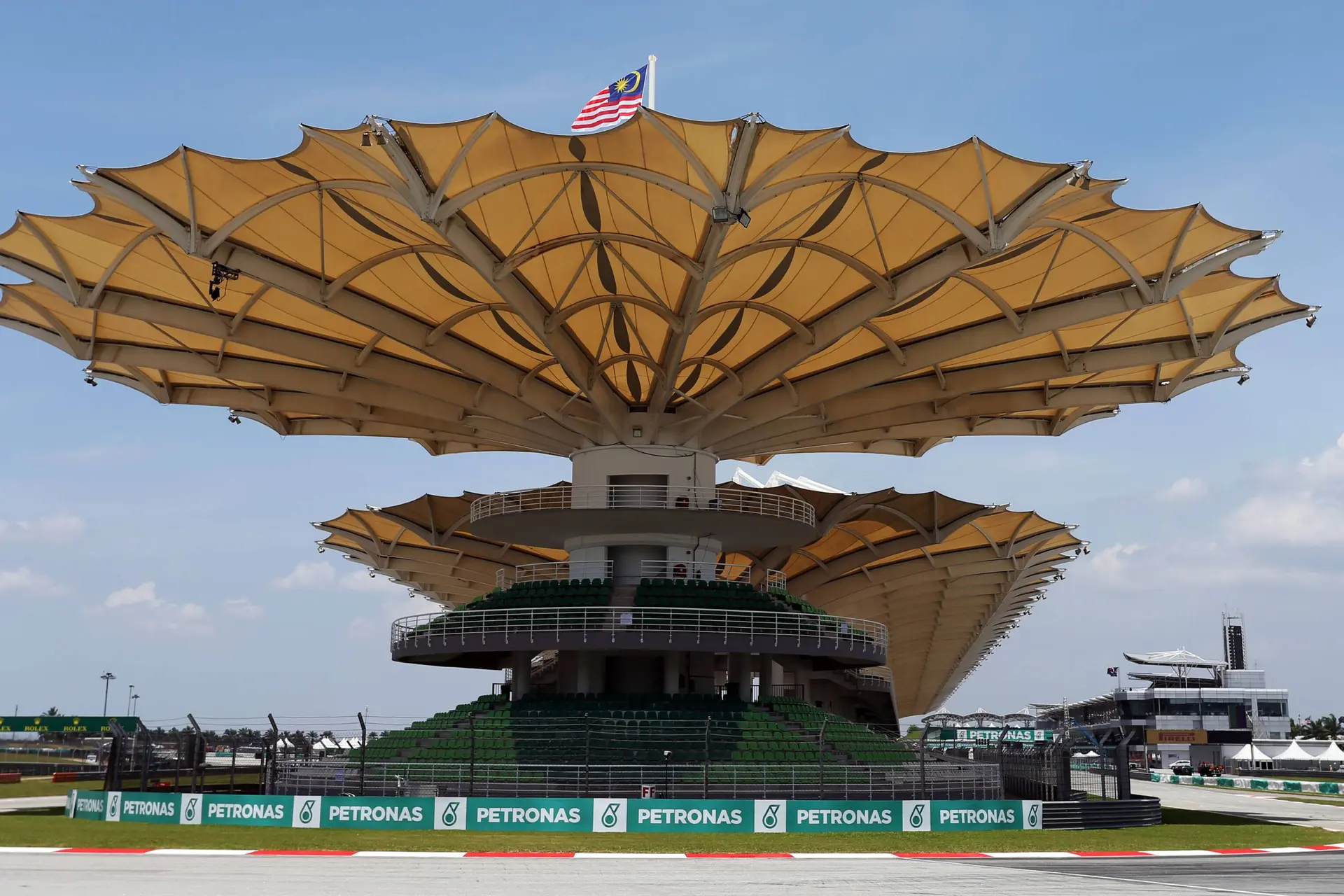
Moving forward, the spectacular circuit will continue to host the MotoGP championship for the entire duration of the new regulation overhaul (2027-2031) and will play a key role in the new 850cc era, much as it has done in the past. Marked by the iconic 'Hibiscus Tower' with its design inspired by the local plant, the circuit is characterized by it's high speed, heavy braking zones and long flowing corners as it winds around a 5.5km course with a total of 15 corners.
A historic MotoGP venue survives
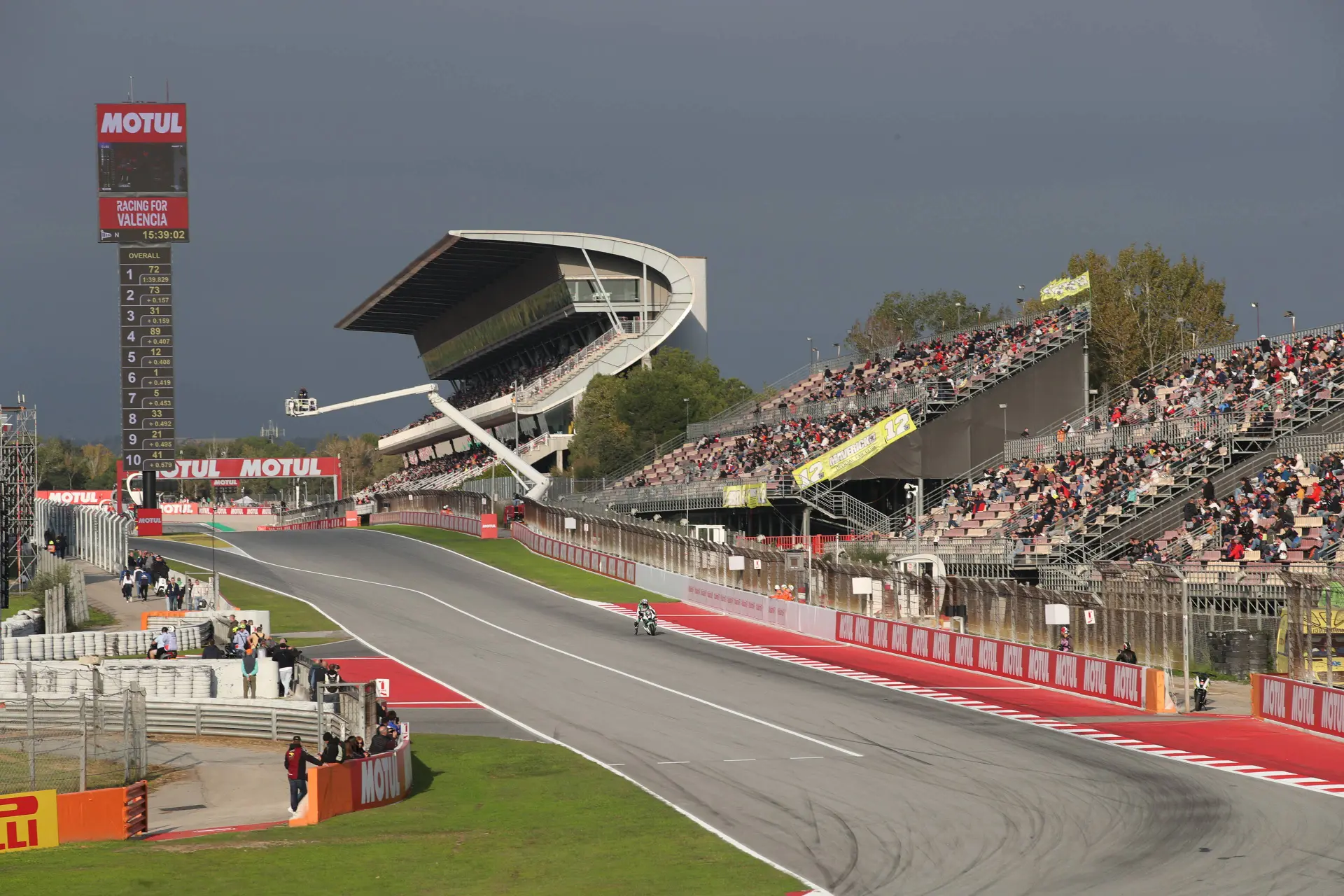
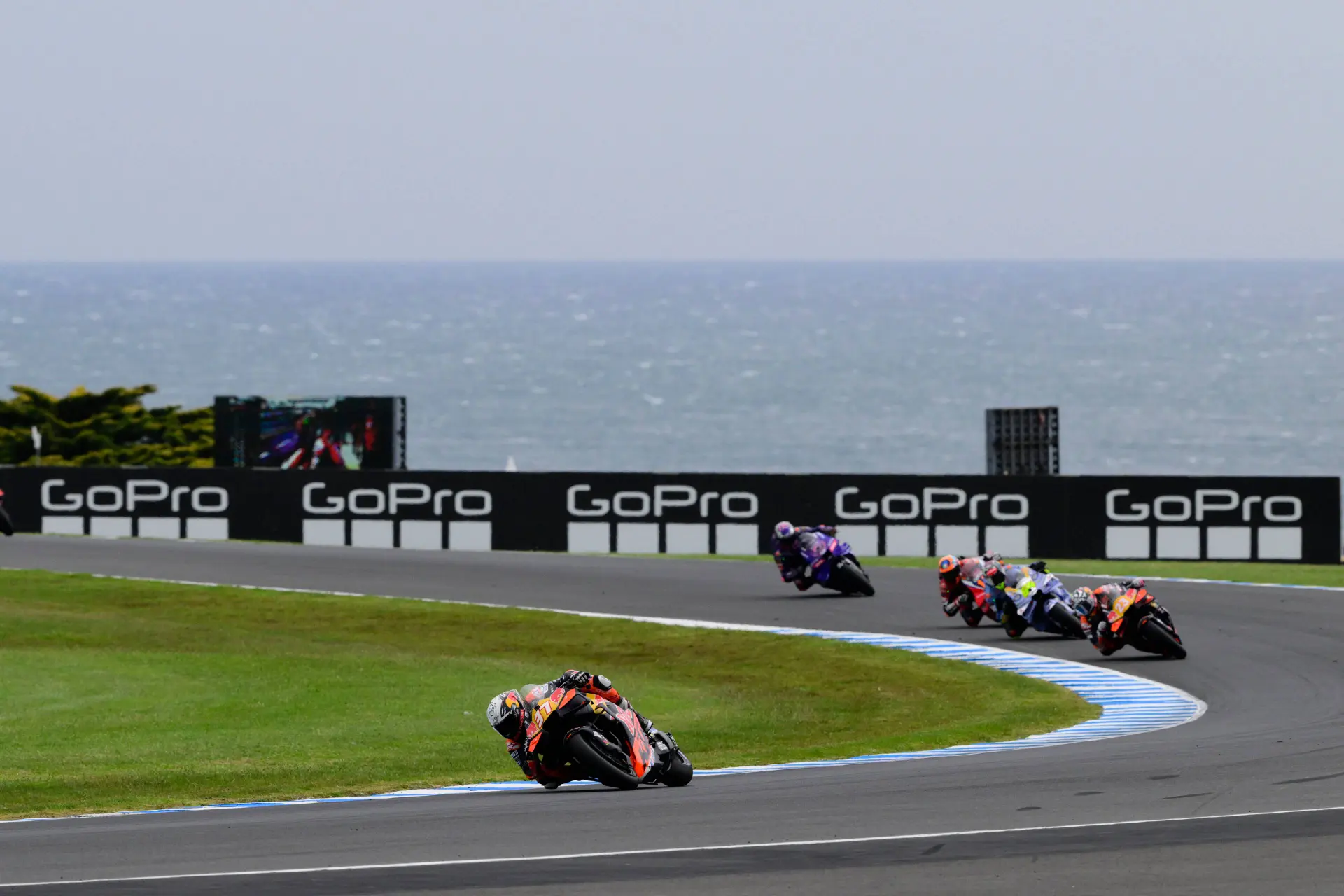
After the announcement earlier in the year that the iconic Phillip Island Circuit would no longer be on the calendar for 2027, instead being replaced by a proposed street track in Adelaide, many feared that other fan-favourite circuits could end up facing a similar treatment. As construction efforts are underway to rennovate a Buenos Aires circuit and rumours circle that MotoGP may even consider using F1's Miami Street Circuit from next year onwards, it seems that there is a distinctive effort to push away from some of these historic hunting grounds.
ADVERTISEMENT
When it comes to Sepang, now a staple of the Asian tour of the MotoGP calendar, the track has warranted a legendary status on par with the likes of Phillip Island, Mugello. Last year, the track broke attendance records with a staggering 190,000+ fans visiting over the course of the Grand Prix weekend - a true testament to MotoGP's popularity in this region of the world.

Photo: Red Bull Content Pool
Asian talent on the rise
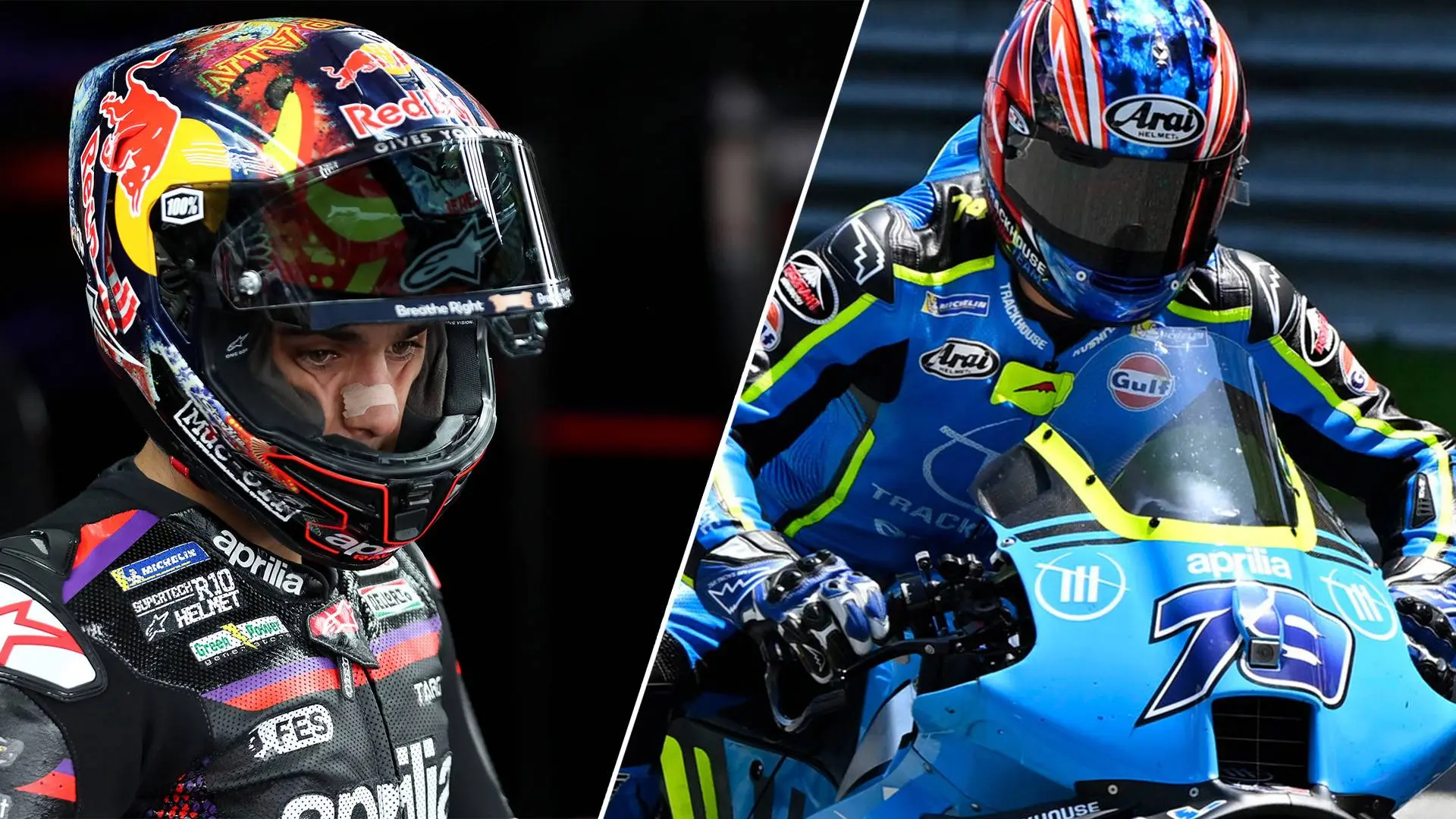
As well as having one of the most enthusiastic MotoGP fanbases globally, Asia has never been short of producing young talent. However, in recent years things appear to have been taken up a level. Since the introduction of the Moto4 Asia Talent Cup in 2014, several riders have worked their way through the ranks, and as recently as last weekend even managed to score race wins in the premier class.
Ai Ogura is the most notable graduate of the program, rising through the ranks before winning the Moto2 championship in 2024 and recently claiming a race win at the Dutch Grand Prix in Assen. In addition to Ogura, the Moto3 class is already sprouting some new talents from different regions of Asia. Hakim Danish represents Malaysia and recently claimed a historic win at the Czech Grand Prix in Brno, meanwhile Indonesia's Veda Pratama is a hot prospect with no shortage of talent.
ADVERTISEMENT
Don’t miss GPblog in Google
Mark us as a preferred source and our articles will appear more often at the top of Top Stories.
Add as a preferred / source on GoogleRead more about:
latest news
Bahrain Grand Prix
Overview
Friday 02.10.26
Practice 1
04:30 AM
Practice 2
08:00 AM
Saturday 03.10.26
Practice 3
04:30 AM
Qualification
08:00 AM
Sunday 04.10.26
Race
07:00 AM
Friday 02.10.26
Practice 1
Fri 04:30 AM
Practice 2
Fri 08:00 AM
Saturday 03.10.26
Practice 3
Sat 04:30 AM
Qualification
Sat 08:00 AM
Sunday 04.10.26
Race
Sun 07:00 AM
Times are in your local timezone
Rumors
Popular on GPBlog
1
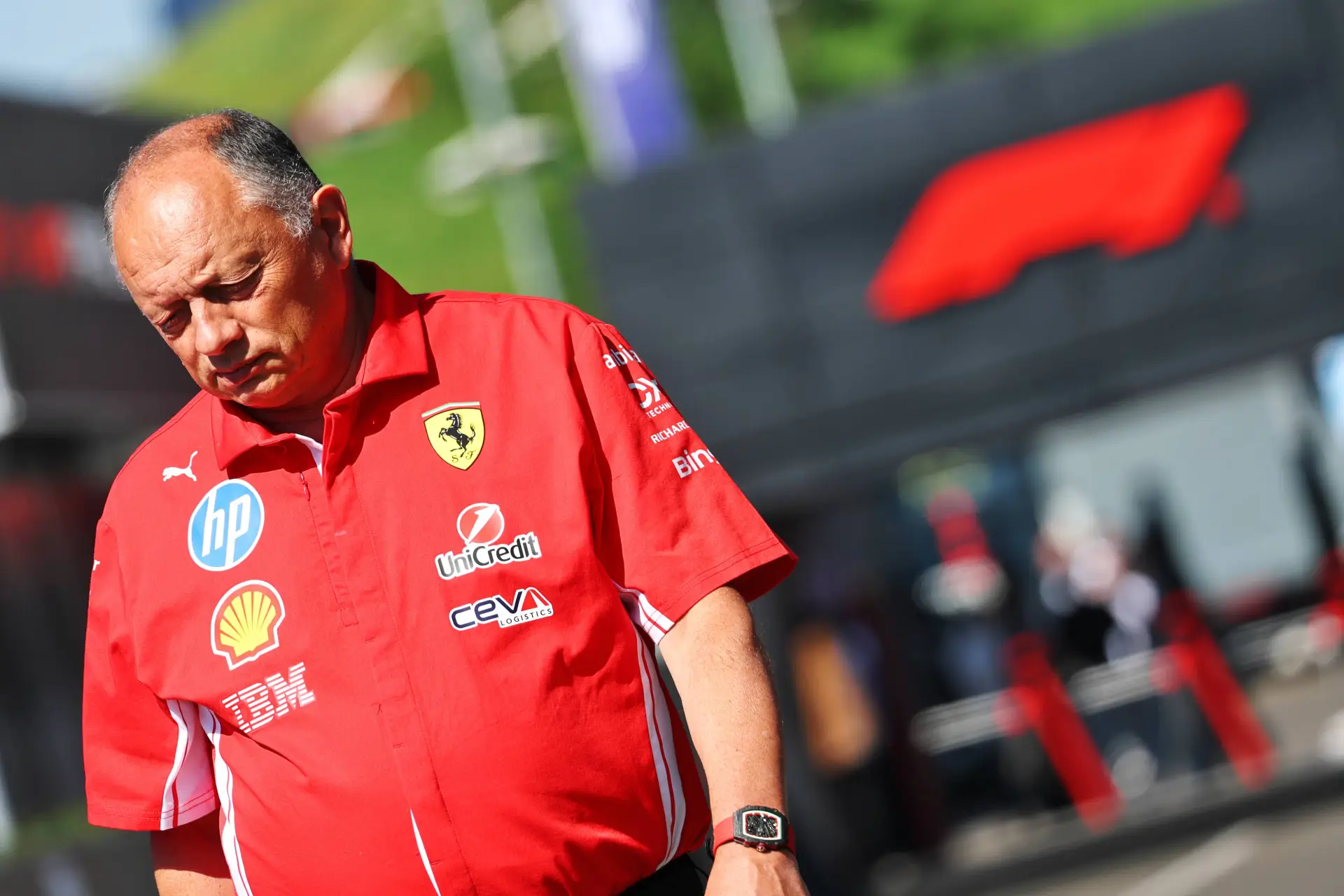
Ferrari shares new statement amid rumours over Vasseur's future
1254 times read
2
What happens to Hamilton and Leclerc if Ferrari pulls the plug on Vasseur?
919 times read

3
Verstappen designs his ideal F1 weekend: 'Get rid of at least that'
703 times read

4
Alonso shocks his fans in latest Aston Martin announcement video
669 times read
F1-stand 2026
Season
| Pos. | Driver | Team | Points |
|---|---|---|---|
1 | MercedesMER | 302 | |
2 | MercedesMER | 236 | |
3 | FerrariFER | 199 | |
4 | McLarenMCL | 186 | |
5 | FerrariFER | 179 | |
6 | Red Bull RacingRBR | 163 | |
7 | McLarenMCL | 120 | |
8 | Red Bull RacingRBR | 86 | |
9 | Racing BullsRCB | 59 | |
10 | AlpineALP | 41 |
Loading