Why Verstappen doesn’t need to fear a highly undesirable role

Photo: Race Pictures
Co-author:Kada Sárközi

Nicole MulderManaging Editor
Nicole Mulder is Managing Editor at GPblog and a specialist in Formula 1 and MotoGP. With years of experience and permanent FIA accreditation at Grands Prix worldwide, she delivers reliable coverage and insights based on direct access to drivers and the F1 paddock.
Max Verstappen does not need to fear being cast as the “villain” in Season 8 of the Netflix series Drive to Survive. A new solution has even been introduced to prevent misunderstandings.
In the past, Verstappen has repeatedly voiced criticism about how certain situations were portrayed. The Red Bull Racing driver temporarily refused to cooperate with the production, but that situation was resolved a few years ago. In the preview of the new season, McLaren CEO Zak Brown can be seen referring to Verstappen last year as a kind of horror-movie villain who keeps coming back. Should the four-time world champion fear being painted as the bad guy? Certainly not.
Verstappen with the “greatest comeback ever in F1”
When asked by GPblog whether Verstappen will be satisfied with how he is portrayed in the series this season, co-executive producer Tom Rogers points to what happened on track last year. “I wouldn't wish to speak on behalf of Max, but I think what we witnessed last year was probably the greatest sporting comeback story in the history of sport,” he says.
Rogers is referring to the second half of the 2025 season, in which Verstappen clawed back from a deficit of more than 100 points to re-enter the title fight, ultimately losing the world championship to Lando Norris by just two points.
ADVERTISEMENT
"I wouldn't wish to speak on behalf of Max, but I think what we witnessed last year was probably the greatest sporting comeback story in the history of sport."- Tom Rogers, co-executive producer of Drive to Survive
“Halfway through the season I don't think there were many of us that were even considering that this may be a three-way fight to the end, and we tell that story,” says Rogers.
“We tell that story as it unfolds and obviously Zak is entitled to his opinion. I think he used that line a few times. My hope is we've done it justice and we've been as accurate as we possibly can and he's happy with it. But, you’ll have to ask him once the season launches."
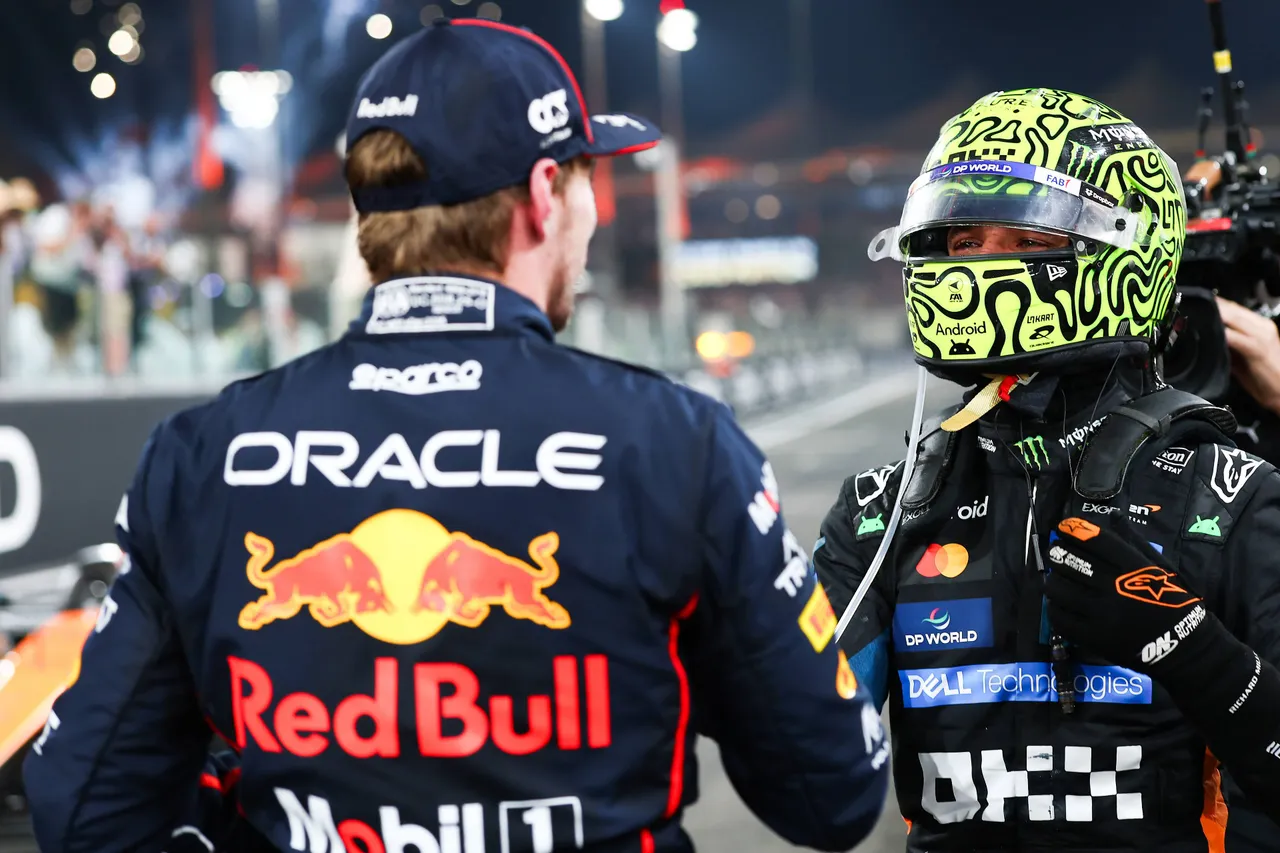
Max Verstappen does not have to fear a villain role in Drive to Survive - Photo: Red Bull Content Pool
More than a documentary
ADVERTISEMENT
Liam Parker, Chief Communications and Corporate Relations Officer of F1, emphasizes that the series is more than just a documentary. “It's not what you see every weekend when we do our usual coverage. It's designed to attract and interest people. And if it's boring, people will have tuned out by Season 2, Season 3."
According to Parker, the creators work to present the storylines as accurately as possible. He stresses that Formula 1 teams also have a say in this. “One thing you guys may not know is that the teams get to review their sections of what goes out. So they have an opportunity to input into that and they can involve the drivers and say what they think."
"So every year I kind of get to this point where the first press conference in Melbourne or something like that, a question gets asked and there's negativity around it. The teams are involved,” he continues.
He acknowledges that mistakes have been made in the past, but denies that there is a deliberate attempt to create a misleading narrative. “These guys are honest enough that when there has been issues that have been taken out of context, they've fixed it, but there's no active determination to say, let's put that there to create a storyline even though it's inaccurate. People will have their opinions on it, but I think no one can be in any doubt that this has helped the sport, and it's helped the drivers, it's helped the teams,” Parker concludes.
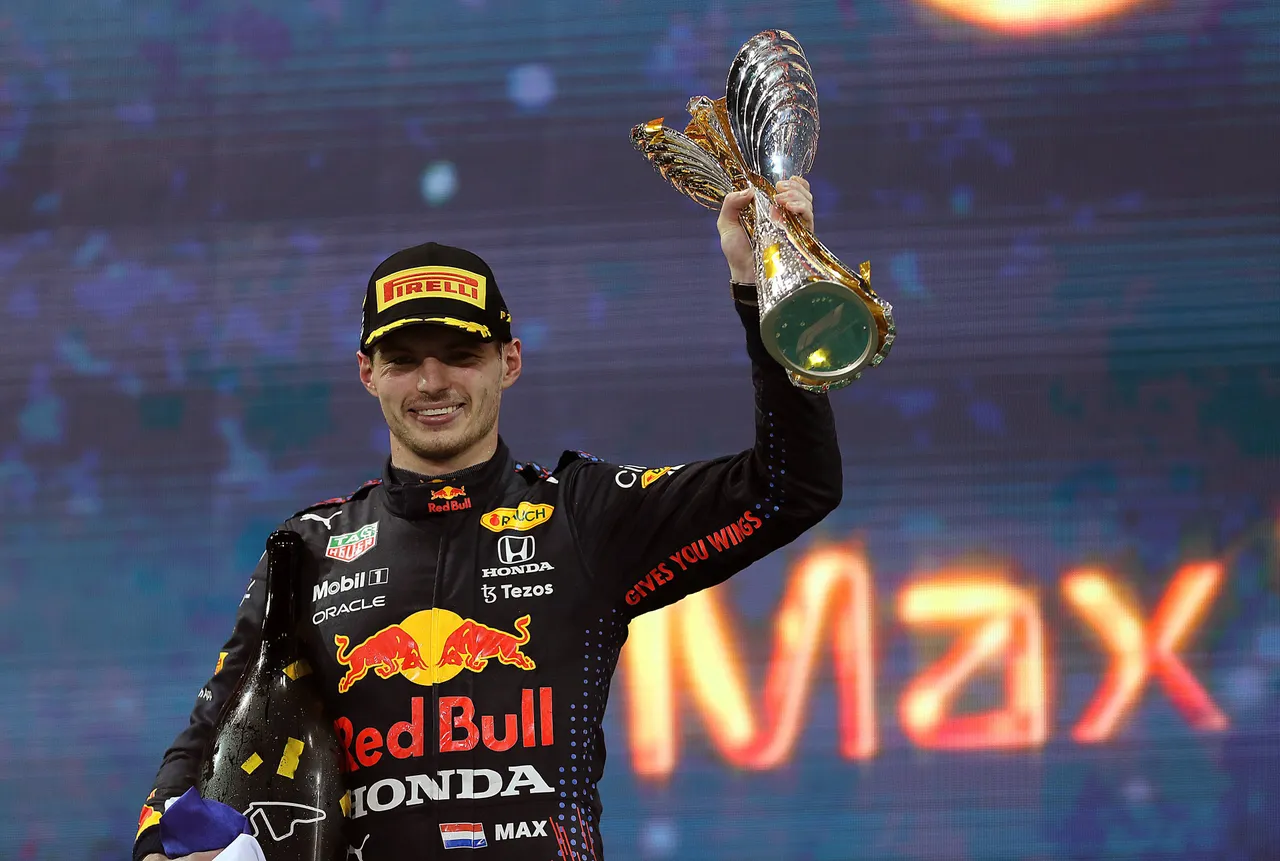
Max Verstappen praised by Netflix producers for his strong comeback - Photo: Red Bull Content Pool
ADVERTISEMENT
Error with Verstappen clip
Rogers adds that the production takes place under significant time pressure. The Formula 1 calendar is getting longer and the new season starts earlier each year, while the series has to be available before the championship begins. As a result, human errors can happen. “Is the show perfect? No. Have we made mistakes in the past? Absolutely," he admits.
He refers to a wrongly edited clip from the cooldown room after a race. Verstappen reacted with surprise and said he was 'apparently very angry' after the Miami Grand Prix, whereas he said he was actually in a very good mood.
According to the Netflix producer, it was an honest mistake: “We had the wrong shot, the wrong cooldown room. It was a genuine error. As soon as it was pointed out to us, we made the change, we fixed it on Netflix, solved the problem. It becomes a big news story, inevitably. But there's no conspiracy, we're not trying to sort of stitch people up, it is human error."
According to Rogers, additional checks have since been implemented to prevent a repeat. “We've put more processes in place every year to try and mitigate that. We now have burdens across all of our footage which says which Grand Prix it came from,” he explains.
ADVERTISEMENT
Verstappen therefore should not have to fear a so-called villain role in the new season of the series—if anything, quite the opposite.
Don’t miss GPblog in Google
Mark us as a preferred source and our articles will appear more often at the top of Top Stories.
Add as a preferred / source on Google