Photo: Race Pictures
Why Mercedes’ zero-sidepod flop tempers major expectations for 2026
14:01, 02 Jan
0 Comments
Mercedes appear poised for a strong 2026 season based on the rumours doing the rounds — but the very same was said back in 2022.
The story that has dominated headlines in recent days is undoubtedly the alleged loophole that Mercedes are said to have identified and exploited, potentially securing a performance edge on the power unit side over their rivals.
The loophole in question is reportedly found in Article C5.4.3 of the 2026 Technical Regulations — a far more expansive clause than this year’s Article 5.4.6 — which states that “the procedure to measure this value will be detailed by each PU Manufacturer according to the Guidance Document and executed at ambient temperature. This procedure must be approved by the FIA Technical Department and included in the PU Manufacturer homologation dossier.”
In simple terms, Mercedes are said to have devised a clever workaround to sidestep the compression-ratio limit — which from next season will be capped at 16:1 rather than 18:1 — by exploiting the fact that checks will be carried out at ambient temperature, in a manner not unlike the flexi-wing saga and its reliance on static tests.
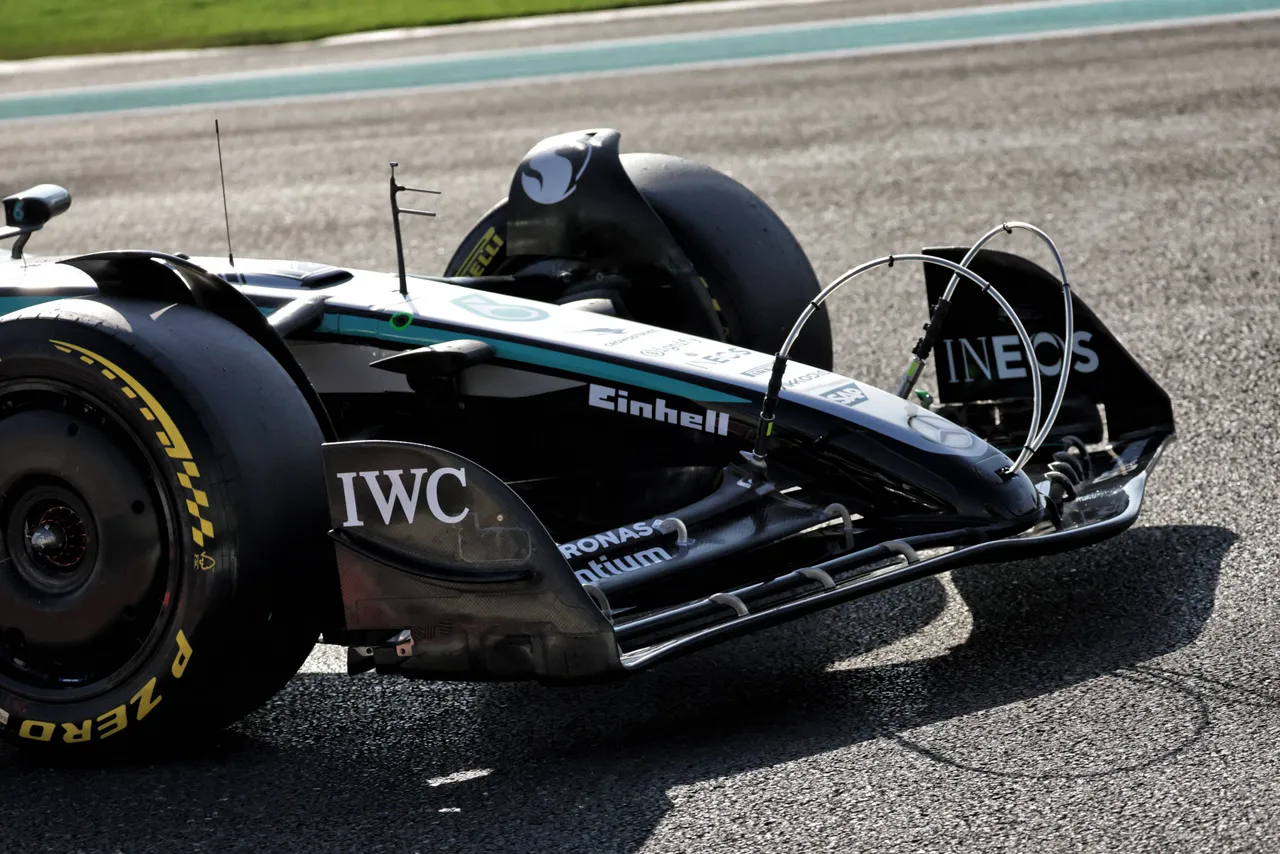
Photo: RacePictures
If the solution were to be confirmed and prove free of reliability issues, the team led by Toto Wolff would head into the season with a significant head start right from the off in Melbourne.
Recent history shows just how nailing a project at the very beginning of a new regulatory cycle can allow a team to lock in a technical advantage for years — something Mercedes themselves demonstrated with their run of eight consecutive world titles from 2014 to 2021.
Mercedes’s failed 2022 zero-sidepod concept
Back in 2022, on the eve of the first season of ground-effect cars — a rules cycle that was only brought to an end last year in Abu Dhabi — Mercedes once again appeared to pull another rabbit out of the hat.
Read also
The team arrived at pre-season testing in Barcelona with an extreme sidepod concept and dramatically slim bodywork, a solution that on paper promised major aerodynamic gains and a significant reduction in drag.
What’s more, the zero-sidepod concept hinted at the potential to fully exploit airflow towards the floor and diffuser — both cornerstone elements of aerodynamics in the ground-effect era.
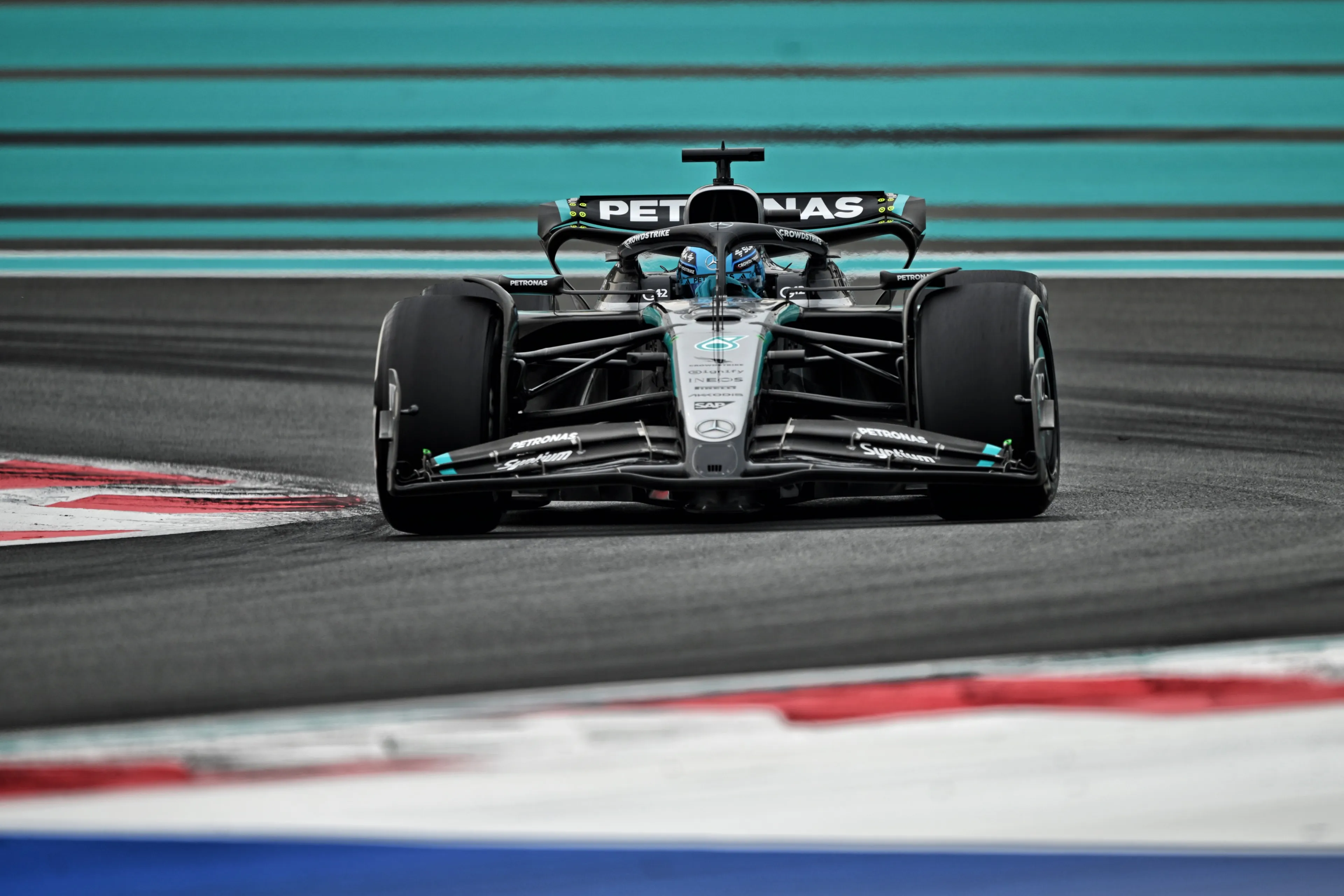
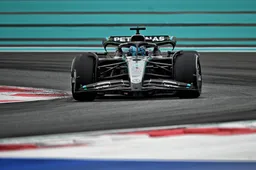
The Mercedes W13 was plagued by severe porpoising — a violent form of aerodynamic bouncing triggered by high levels of ground-effect downforce — forcing the team to run the car higher than intended and erasing much of the aerodynamic benefit the concept was designed to unlock.

The 2022 Mercedes W13 - Photo: RacePictures
Those struggles were later followed by comments from James Allison, who explained that the mistake did not lie solely with the sidepod concept, but rather with a flawed overall car philosophy: "We took a path with our car, and I would say that's from the tip of the nose to the very back of the tail, which was not a competitive one. The most visually notable aspect of that was our sidepods, but by no means the definitive factor.
"It was not right from front to back and that's the thing we have had to learn and have had to deal with - that's taken us longer than we would have liked."
The fact that Mercedes missed the mark with their 2022 car does not automatically mean history will repeat itself in 2026. What it does highlight, however, is how pre-season hype and paddock rumours are no guarantee of success — at least not before the cars are seen running in anger on track.
Even the Barcelona test is unlikely to paint a definitive picture of the pecking order, despite offering teams some useful early indications. A clearer snapshot should emerge during the double test in Bahrain, but with such a sweeping technical revolution, the first meaningful verdicts will probably only come once the season gets underway in Melbourne.
Read also

GPblog's latest F1 Paddock Update
Want to stay up-to-date with what happens in the F1 paddock? Then GPblog's F1 Paddock Update video is the perfect way to do it. Subscribe to GPblog's YouTube channel and turn on notifications to never miss the latest episodes.
Read more about:
Today



Popular on GPBlog
1
Two F1 teams start year with new logos for the '26 season, Red Bull joins in
13136 times read
2
Red Bull Racing no longer wants to make enemies in Formula 1
1371 times read

3
F1 Today | Verstappen keeps his word, two logo changes ahead of 2026
716 times read
4
Ferrari end short-lived driver partnership after one-year spell
670 times read
Loading