Why the FIA has itself to blame for the 2026 engine loophole saga

Photo: Race Pictures
11:01, 24 Dec 2025
0 Comments

Tobia is a Formula 1 journalist at GPblog with experience at international circuits. Since 2022, he has covered Grands Prix across Europe, delivering reliable coverage and insights from the paddock.
The infamous article in the 2026 technical regulations that later sparked controversy over Mercedes and Red Bull’s power units initially left far less room for interpretation.
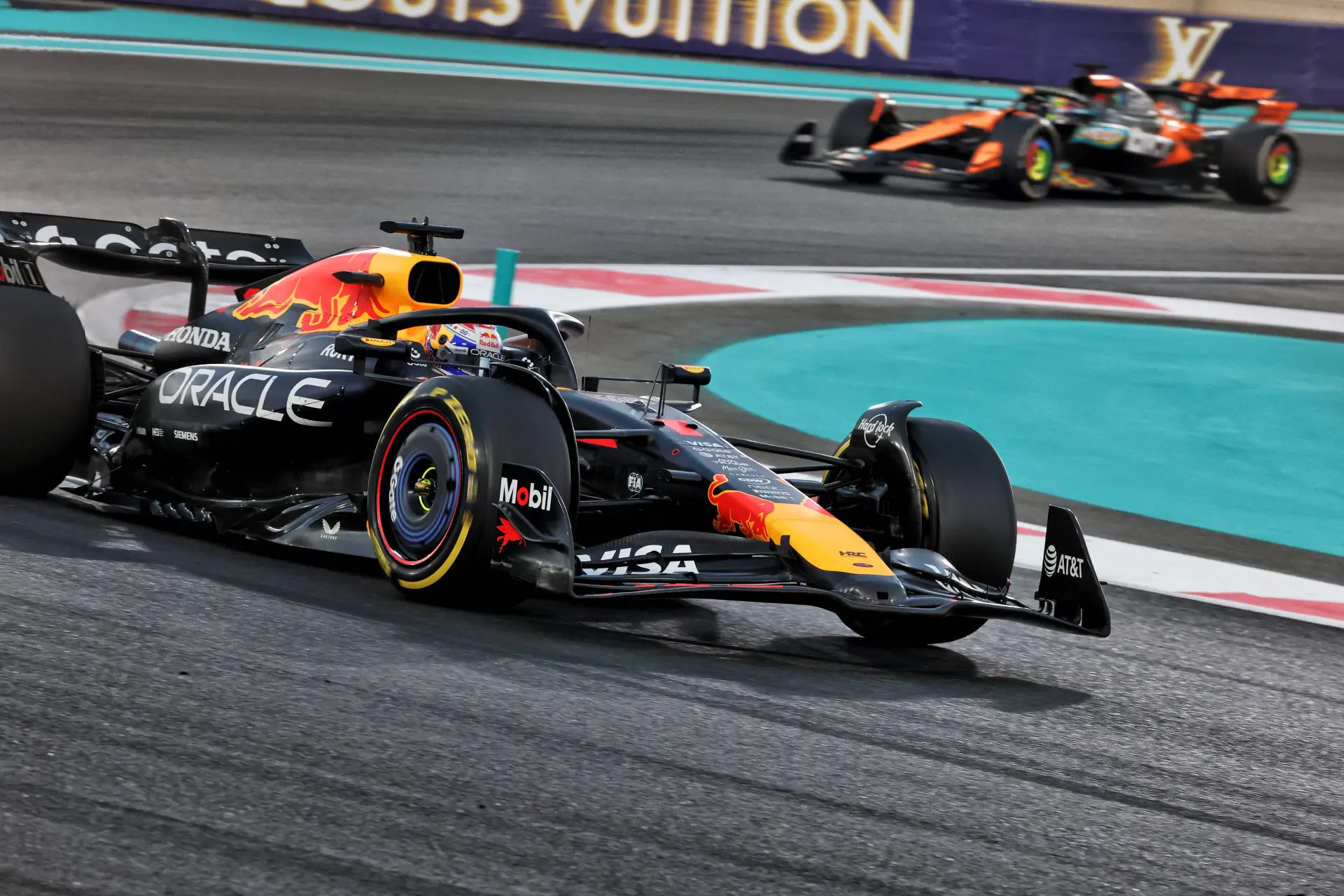
Over the past few days, Red Bull and Mercedes have found themselves in the spotlight over an alleged trick devised for their respective power units for next season, with both manufacturers believed to have found a way to manipulate the compression ratio through thermal expansion of internal components — effectively keeping it legal, despite all teams being required to comply with a 16:1 ratio from next year, rather than the current 18:1 limit.
This would all be possible because the technical regulations explicitly state that compression ratio checks will be carried out cold, at ambient temperature — a grey area that has reportedly triggered anger among rival teams.
Paradoxically, it was the FIA itself that caused this grey area, rewriting Article 5.4.6 of the current regulations — which previously stated in a single, clear sentence, “No cylinder of the engine may have a geometric compression ratio higher than 18.0” — into a far more detailed and complex provision.
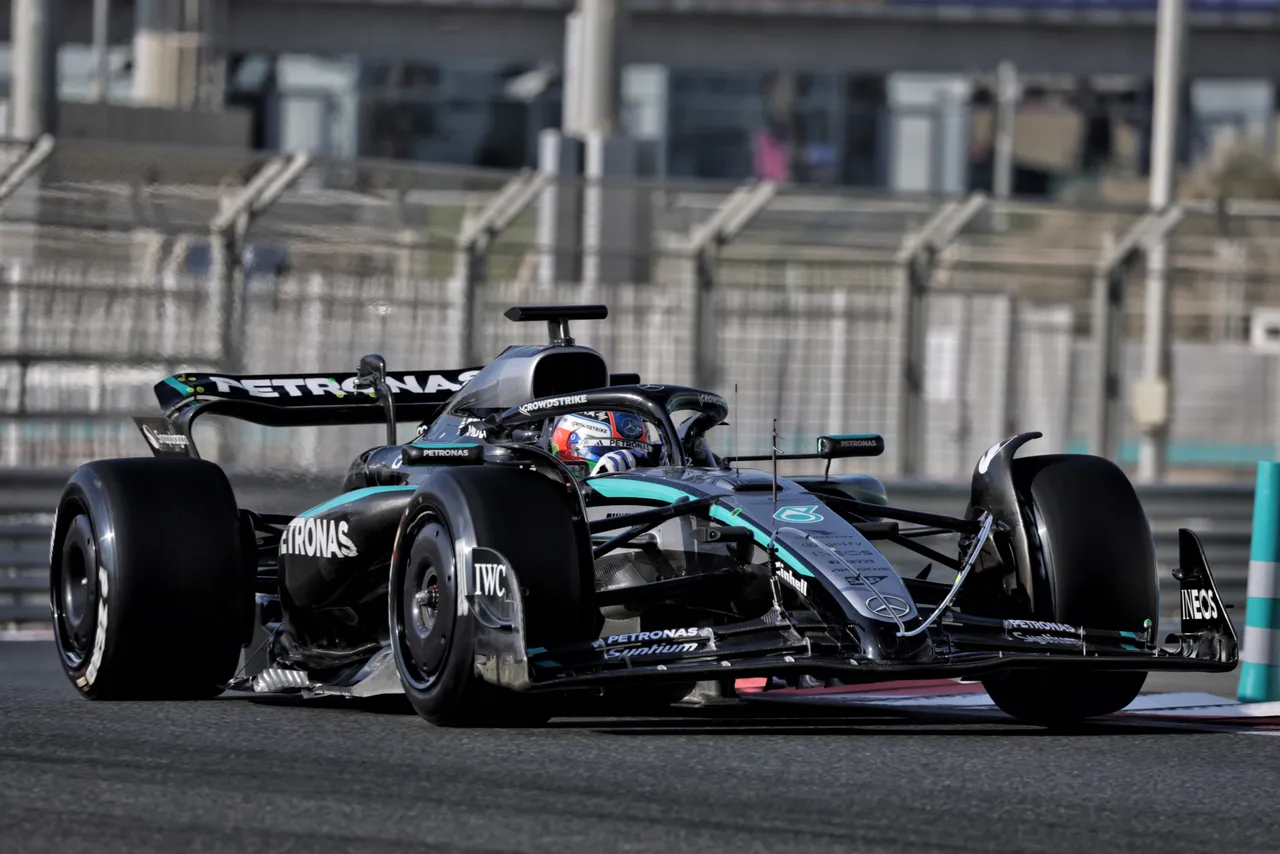
Photo: Race Pictures
ADVERTISEMENT
The much-debated new provision is Article C5.4.3, which does repeat the same wording, but then goes on to add that “the procedure to measure this value will be detailed by each PU Manufacturer according to the Guidance Document and executed at ambient temperature. This procedure must be approved by the FIA Technical Department and included in the PU Manufacturer homologation dossier.”
This caveat clearly opens up far greater room for interpretation, as it explicitly states that checks are carried out at ambient temperature, whereas previously the rule simply imposed a compression-ratio limit regardless of whether the engine was under hot or cold conditions.
Mercedes and Red Bull set for big F1 2026 edge after FIA-approved trick
Mercedes and Red Bull are reportedly able to unlock as much as 0.4 seconds per lap over their rivals by exploiting a compression-ratio workaround, with the power unit already homologated and therefore signed off as compliant by the FIA.
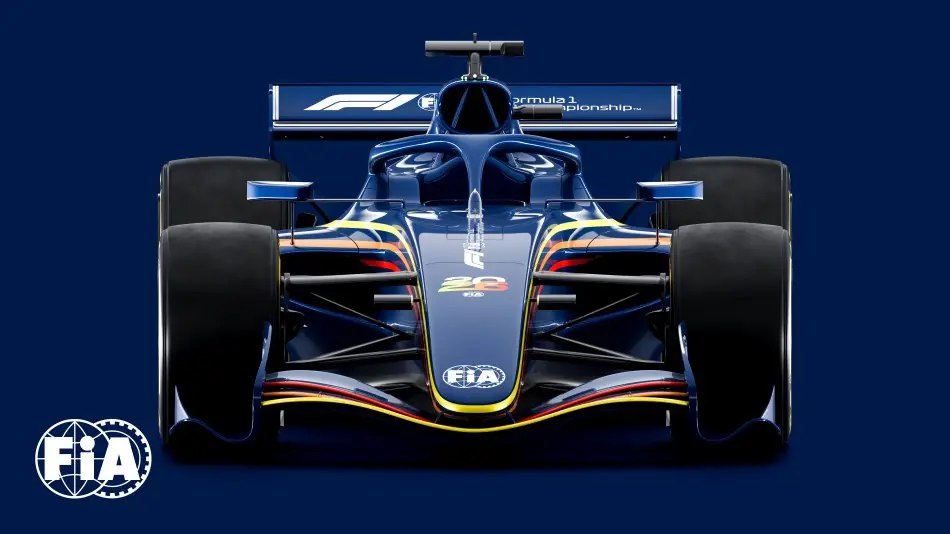
That would hand a potentially huge technical advantage straight out of the blocks at the start of the season, especially under a regulatory reset that once again puts the power unit at the very heart of performance — much like in 2014.
ADVERTISEMENT
Read also


GPblog's latest F1 Paddock Update
Want to stay up-to-date with what happens in the F1 paddock? Then GPblog's F1 Paddock Update video is the perfect way to do it. Subscribe to GPblog's YouTube channel and turn on notifications to never miss the latest episodes.
ADVERTISEMENT


Don’t miss GPblog in Google
Mark us as a preferred source and our articles will appear more often at the top of Top Stories.
Add as a preferred / source on GoogleRead more about:
latest news





Bahrain Grand Prix
Overview
Friday 02.10.26
Practice 1
04:30 AM
Practice 2
08:00 AM
Saturday 03.10.26
Practice 3
04:30 AM
Qualification
08:00 AM
Sunday 04.10.26
Race
07:00 AM
Friday 02.10.26
Practice 1
Fri 04:30 AM
Practice 2
Fri 08:00 AM
Saturday 03.10.26
Practice 3
Sat 04:30 AM
Qualification
Sat 08:00 AM
Sunday 04.10.26
Race
Sun 07:00 AM
Times are in your local timezone
Popular on GPBlog

1
FIA reaches verdict on Hadjar as rival is hit with time penalty
4812 times read

2
F1 Today | Russell beats Verstappen to Baku win, Hamilton responds to Horner rumours
3412 times read

3
Leclerc may have said too much on new Ferrari engine in Baku
2975 times read
4
F1 drivers to face new challenge according to Malaysia weather forecast
1424 times read
F1-stand 2026
Season
| Pos. | Driver | Team | Points |
|---|---|---|---|
1 | MercedesMER | 302 | |
2 | MercedesMER | 236 | |
3 | FerrariFER | 199 | |
4 | McLarenMCL | 186 | |
5 | FerrariFER | 179 | |
6 | Red Bull RacingRBR | 163 | |
7 | McLarenMCL | 120 | |
8 | Red Bull RacingRBR | 86 | |
9 | Racing BullsRCB | 59 | |
10 | AlpineALP | 41 |
Loading

