Mercedes team orders: Were they right to tell Russell to move over for Antonelli?
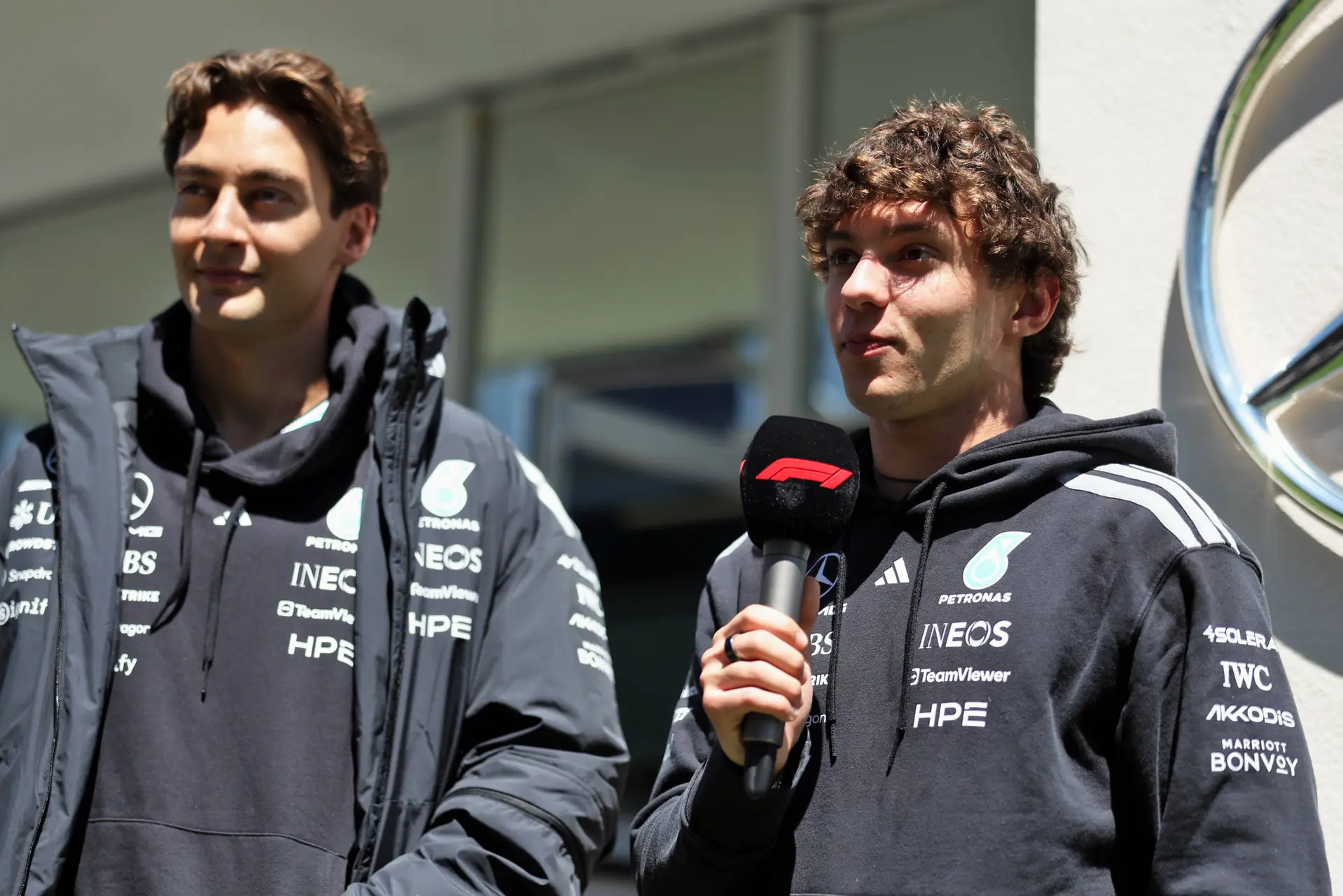
Photo: Race Pictures

Kieran is a freelance Formula 1 journalist for GPblog, covering breaking news, live race blogs and feature content across the F1 calendar. An NQJ-qualified journalist with more than a decade of experience, he has previously written for publications including MailOnline, the Manchester Evening News and the Eastern Daily Press.
Mercedes' decision to order George Russell to move aside for Kimi Antonelli at the Dutch Grand Prix could be crucial come the end of the season, especially if the British driver was to lose out on the championship by three points.
Antonelli had been running second in the closing stages at Zandvoort, when Mercedes opted to pit him for fresher tyres during a Virtual Safety Car period. The stop dropped the championship leader behind his teammate in third, although on faster rubber.
Mercedes subsequently instructed Russell to allow Antonelli through, an order which was initially met with a disgruntled response. Russell had initially asked for some teamwork, meaning either using Antonelli's car as a buffer or to give him overtake mode to fend off Lewis Hamilton in the quicker Ferrari.
This did not happen and Russell moved aside and had to fend for himself, but successfully managed to hold off Hamilton for the final podium spot by one second.
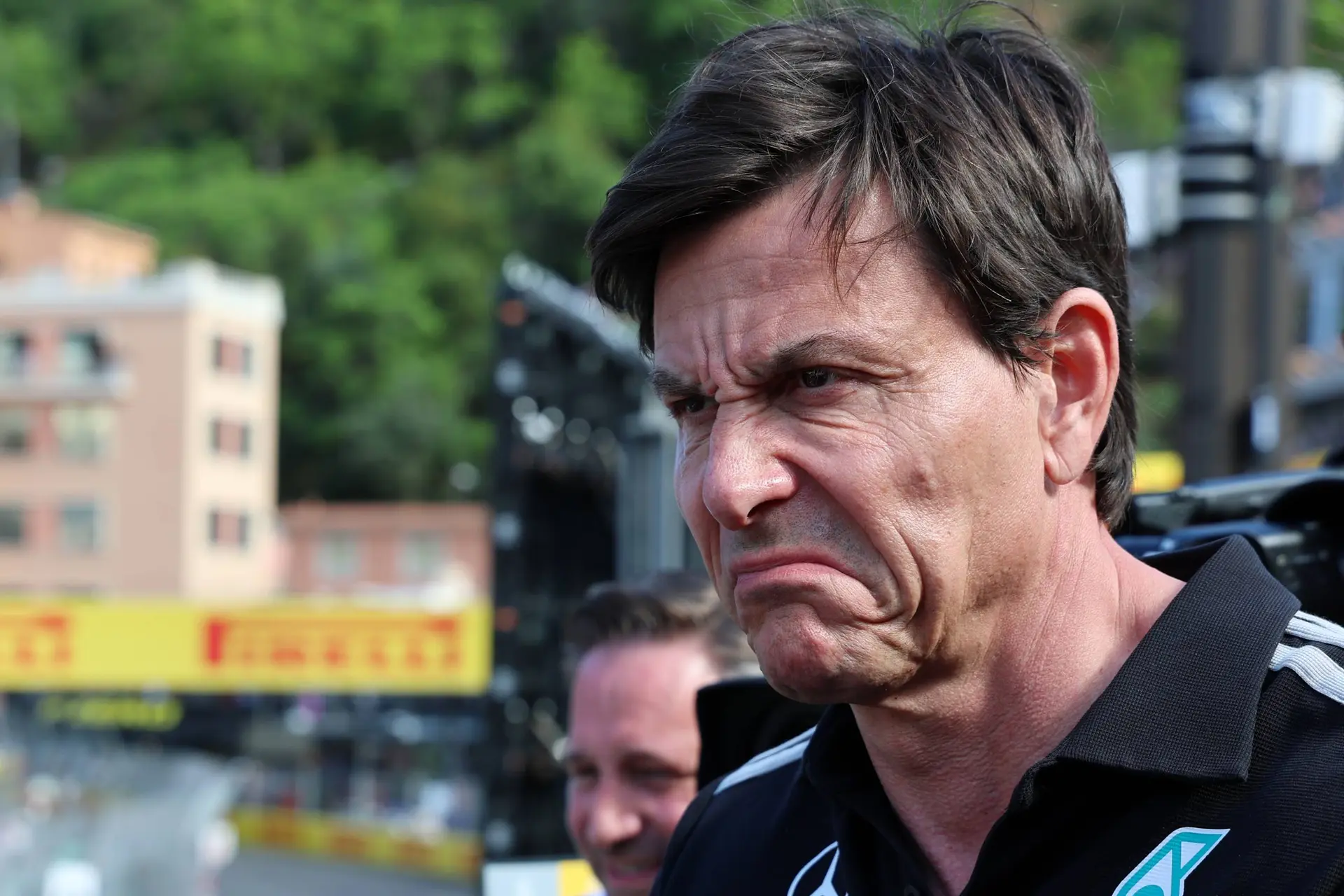
Toto Wolff defended the decision afterwards, describing it as the logical consequence of Antonelli sacrificing track position to take the fresh tyres. Russell also accepted the call, saying Antonelli deserved to finish ahead and that the Italian would probably have overtaken him anyway.
ADVERTISEMENT
But with Russell also firmly involved in the championship fight, Mercedes' decision was not without controversy. Antonelli leads Russell by 59 points, meaning every point could become increasingly important as the season progresses.
Why Mercedes were right
The simplest argument in Mercedes' favour is that Antonelli had earned the position through strategy.
The Italian had been running second before the VSC and made the decision to pit for fresh soft tyres while Russell stayed out. That initially cost him track position, but it gave him a significant tyre advantage for the closing stages.
Once Antonelli caught Russell, Mercedes had to decide whether to allow their drivers to race each other or restore the order from before the pit stops. The team chose the latter.
ADVERTISEMENT
It also protected Mercedes from the worst possible outcome. Had Antonelli been forced to fight Russell for second, there was a risk of both drivers losing time to Hamilton, who was closing rapidly behind them, or even coming together.
Instead, Mercedes secured a double podium, with Antonelli taking second and Russell third, although the final podium spot was never certain for the British driver, who finished just 0.545 seconds ahead of Hamilton.
There is also the championship argument. Antonelli is Mercedes' clear title leader and entered Zandvoort with a 59-point advantage over both Russell and Hamilton. Giving him the extra two points from second place therefore made sense from a team championship perspective, particularly when the order was being restored rather than simply handing him a position he had never held.
Why Mercedes were wrong
ADVERTISEMENT
The argument against Mercedes is that Russell had done nothing wrong and ideally would have liked the chance to fend off his teammate on fresher tyres. He had stayed out during the VSC while Mercedes decided to pit Antonelli. Russell therefore emerged as the driver in second place and had every reason to believe that position was his to defend.
Russell told the media after the race that he maybe could have kept Antonelli behind, a result that would have instead seen the championship gap narrowed to 53 points rather than extended to 59. After his impressive sprint race win, Russell will still feel he can compete for the championship and sacrificing points to a direct title rival, albeit his teammate, could have huge consequences at the end of the season.
Perhaps the bigger question is whether Mercedes really needed to pit Antonelli and complicate things, with Russell losing nearly two seconds on the lap he let Antonelli through. The Italian told the media after the race that he "probably could have stayed out and gone until the end with the same set."
He added: "I feel we put George at risk. With having to let me by but I still think at the end of the day it was a great team execution with how things were."
The four-second gap between the two at the finish suggests that the pass was not necessarily an inevitability. Mercedes are perhaps fortunate they have a driver who is mindful of picking their battles and playing the long game in terms of team harmony, as it would have been a tough pill to swallow for Russell to let Antonelli through and see his championship gap extended.
ADVERTISEMENT
The verdict
On balance, Mercedes probably made the correct call at Zandvoort - but it is a decision that could have consequences beyond this one race.
Antonelli was on significantly fresher tyres, had been running ahead before the pit-stop sequence and was Mercedes' championship leader. Russell himself ultimately acknowledged that Antonelli would likely have passed him anyway. The more interesting question is whether this becomes the start of a clear hierarchy at Mercedes.
For now, Wolff insists the decision was based on the team's pre-agreed rules rather than simply favouring Antonelli. But with the championship entering the second half of the season, Russell may find himself asked to make similar sacrifices again, if the likes of Lewis Hamilton and Lando Norris can mount a comeback in the title race.
Read also
ADVERTISEMENT
Don’t miss GPblog in Google
Mark us as a preferred source and our articles will appear more often at the top of Top Stories.
Add as a preferred / source on Google