Formula 1 waves farewell to DRS in Abu Dhabi as 2026 overhaul looms
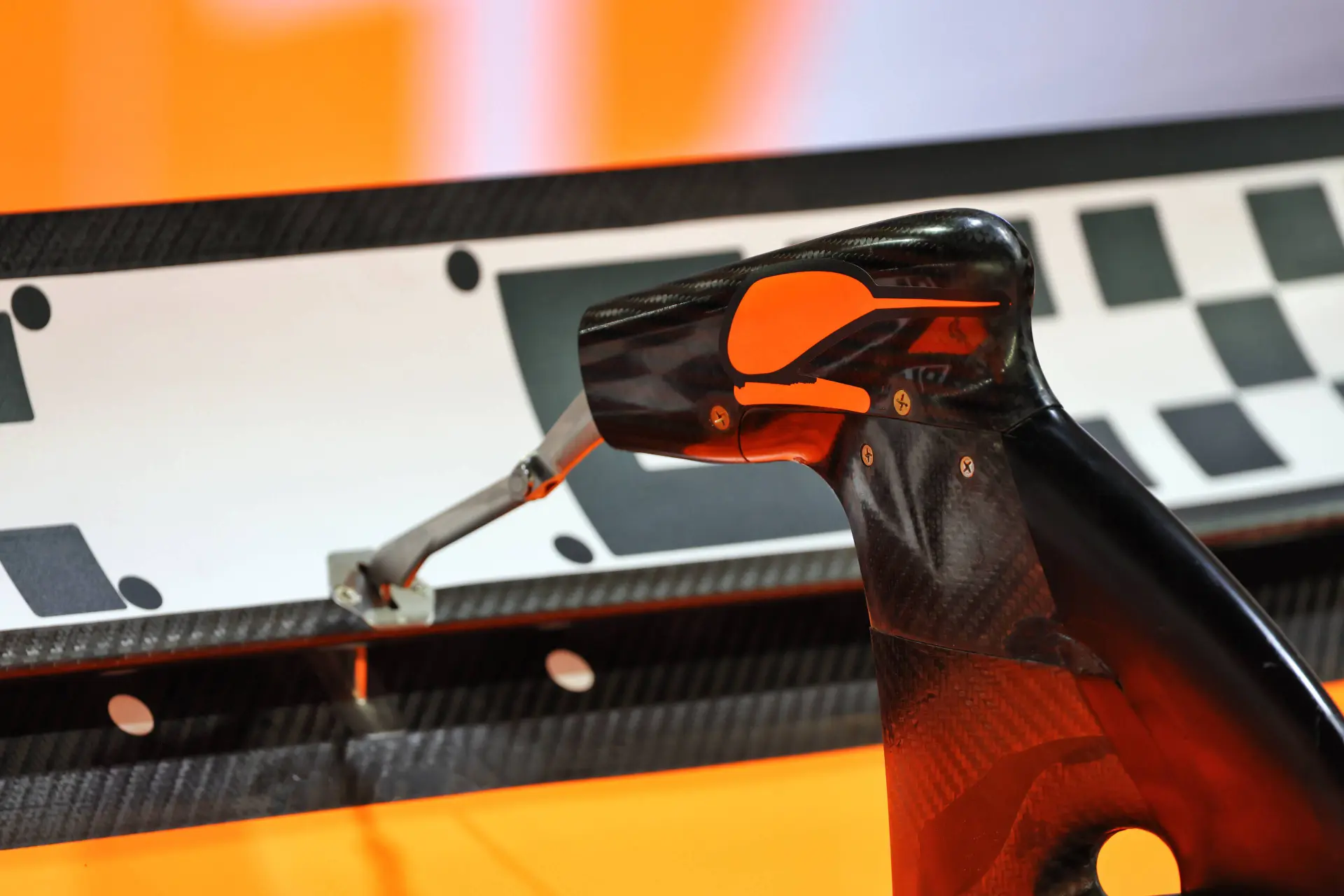
Photo: Race Pictures
Updated:
2 Comments
Tobia is a Formula 1 journalist at GPblog with experience at international circuits. Since 2022, he has covered Grands Prix across Europe, delivering reliable coverage and insights from the paddock.
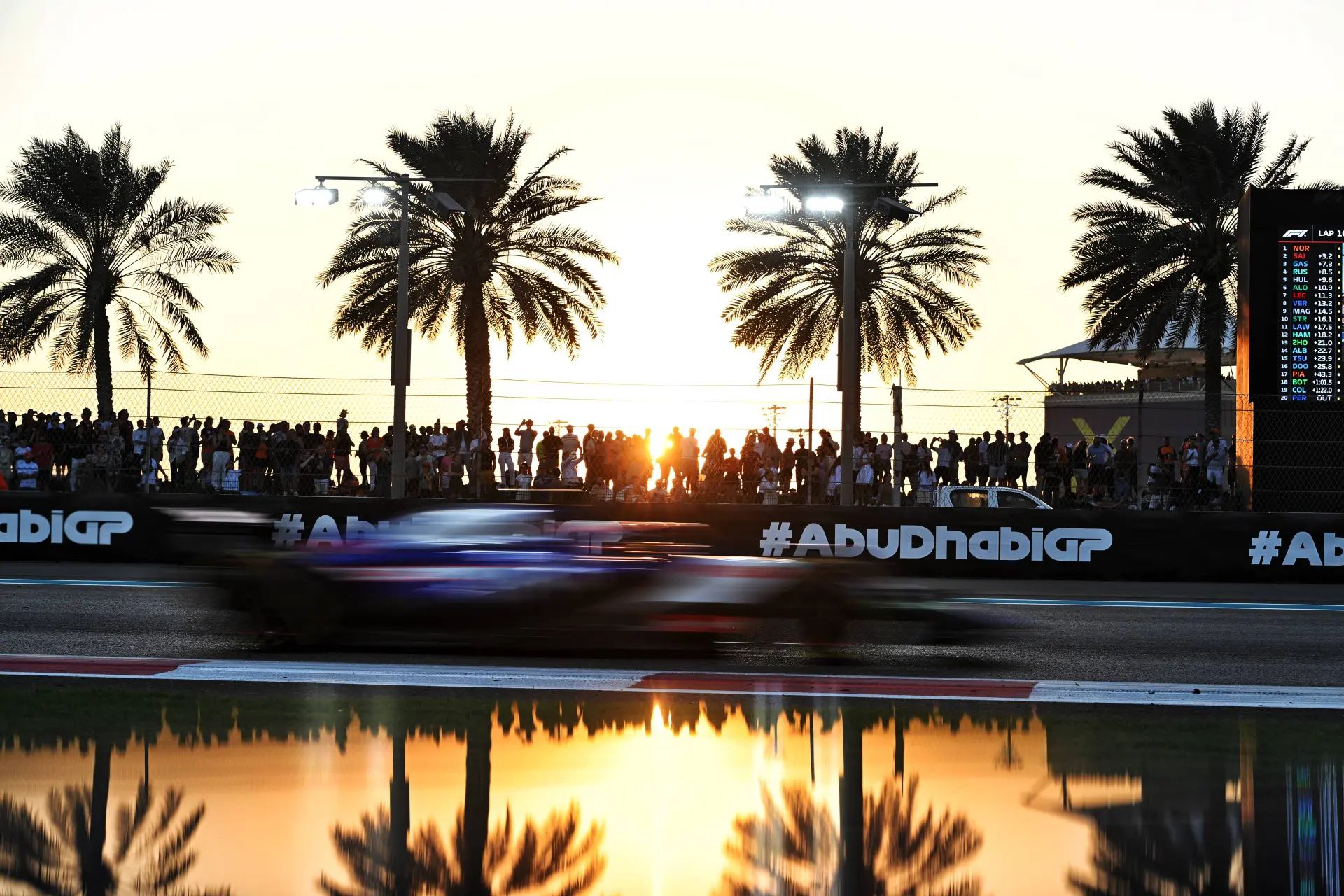
The 2025 Abu Dhabi GP will mark the last time drivers use the DRS.
Introduced for the first time in 2011 at the Spanish GP, DRS quickly became a key system to help drivers make overtakes on track and, as a result, boost the spectacle.
The first experiments with movable rear wings began in the early 2000s, but the first real, functional mechanism only emerged between 2009 and 2010—the year Fernando Alonso ended up losing the title in Abu Dhabi because he couldn’t get past Vitaly Petrov’s Renault on the straight.
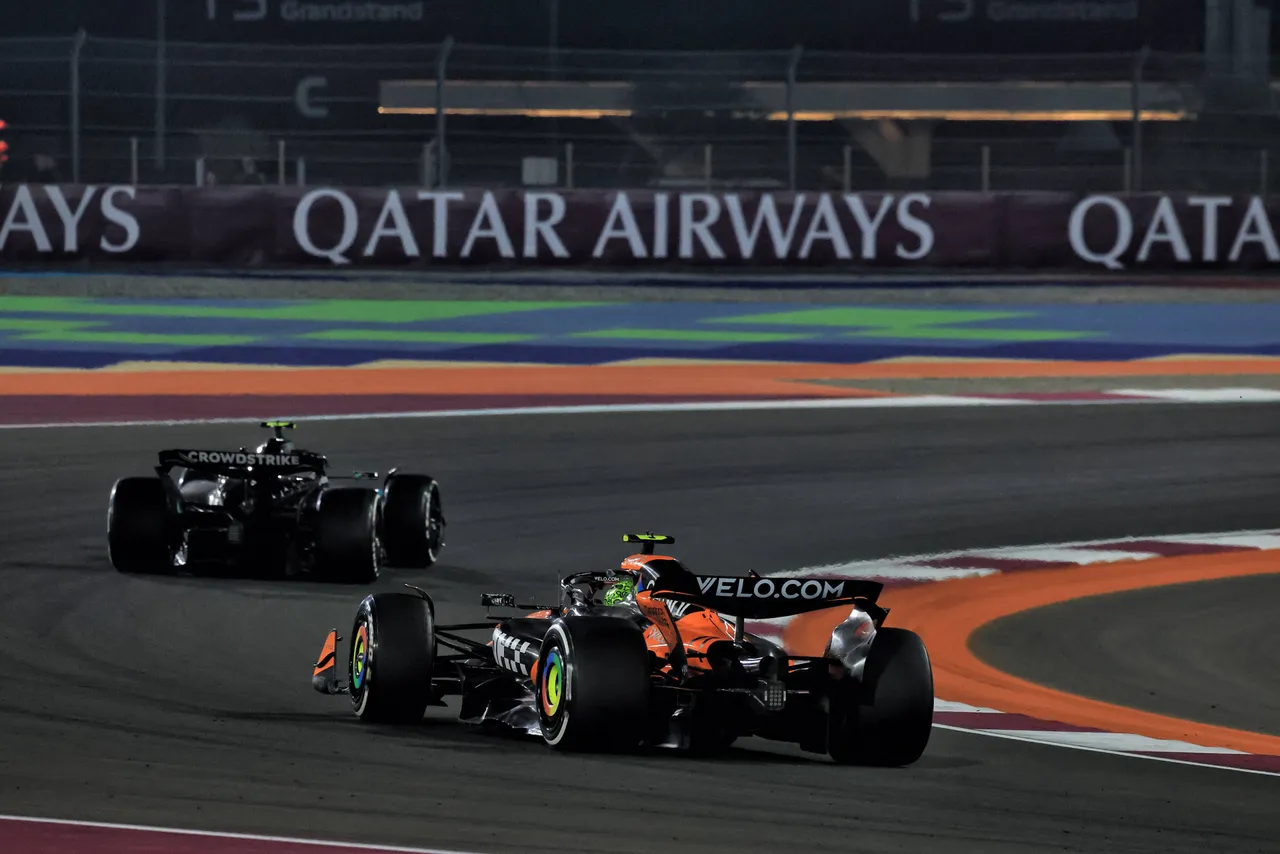
Photo: Race Pictures
What is DRS in Formula 1?
ADVERTISEMENT
DRS, or Drag Reduction System, is a movable flap on a car’s rear wing that helps increase straight-line speed by reducing aerodynamic drag. The driver engages it manually via a button on the steering wheel, but it can only be used in specific DRS zones and when certain conditions are met.
The two main rules for activating DRS during the race are that the pursuing car must be within 1 second of the car ahead at the detection point, and it can only be used after the detection point and within the designated DRS zone.
Read also
In qualifying, however, drivers can use DRS even without a car in front, but still only within the designated zones. In the early years, drivers were allowed to use DRS in qualifying at any time, even outside the designated zones, though never in corners for safety reasons.
Just think back to the 2013 Bahrain Grand Prix, when the DRS got stuck on Fernando Alonso’s Ferrari F138, making the car uncontrollable and ultimately forcing him to retire.
ADVERTISEMENT
Has DRS effectively led to increased overtakes?
The new formula immediately helped boost overtaking significantly, with a driver in the slipstream and with DRS open able to gain up to 10–12 km/h simply by opening the movable rear wing.
In 2010, the last year without DRS, there were a total of 547 overtakes, while the following year that number jumped to 1,486—almost three times as many.
DRS has sometimes been used as a strategic tool. For example, in the 2023 Singapore GP, Carlos Sainz used Lando Norris to his advantage by allowing him to stay in a DRS zone, helping him defend against a much faster George Russell attacking from behind. The strategy proved successful, with Sainz ultimately going on to win the race.
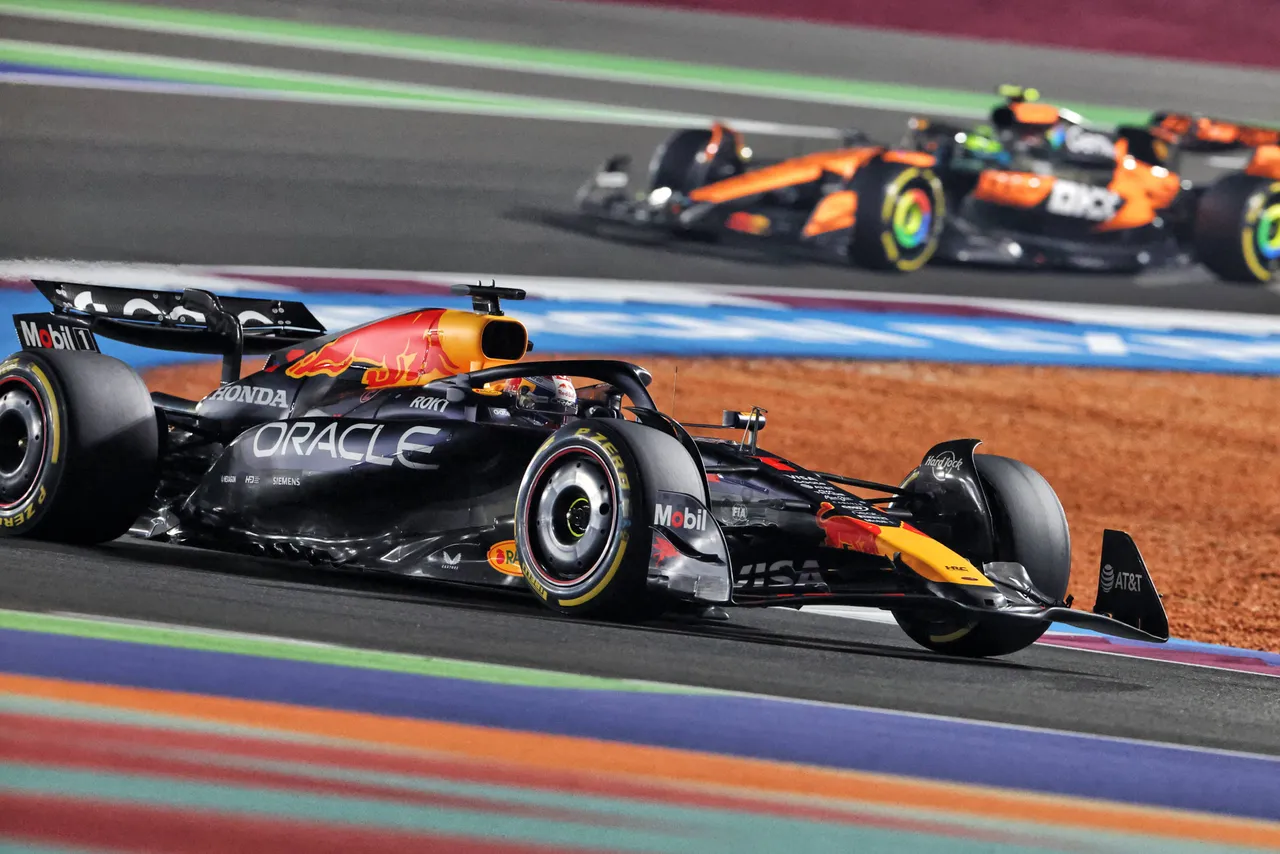
Photo: Race Pictures
ADVERTISEMENT
How is DRS going to evolve from 2026?
Next year, with the introduction of the new technical regulations and the departure from the current ground‑effect cars, we’ll see the return of the flat floor—and, more importantly, active aerodynamics. The DRS will hence be replaced with a combination of active aero, split in X and Z mode, and an electric power‑boost system.
Next year, both the front and rear wings will be fully adjustable, letting the car—or the driver—switch between two primary aerodynamic settings depending on the track. X‑mode is a low‑drag configuration built for straights, boosting top speed, while Z‑mode delivers high downforce for corners and braking zones, ensuring maximum grip and stability.
Added to all this will be the Manual Override Mod (MOM), a push‑to‑pass–type function that lets a pursuing driver unleash a brief boost of electric power when they get within striking distance of the car ahead.
ADVERTISEMENT
Read also

GPblog's latest F1 Paddock Update
Want to stay up-to-date with what happens in the F1 paddock? Then GPblog's F1 Paddock Update video is the perfect way to do it. Subscribe to GPblog's YouTube channel and turn on notifications to never miss the latest episodes.
ADVERTISEMENT

Don’t miss GPblog in Google
Mark us as a preferred source and our articles will appear more often at the top of Top Stories.
Add as a preferred / source on Google