2026 Power Units: just the latest chapter in F1’s engine revolutions
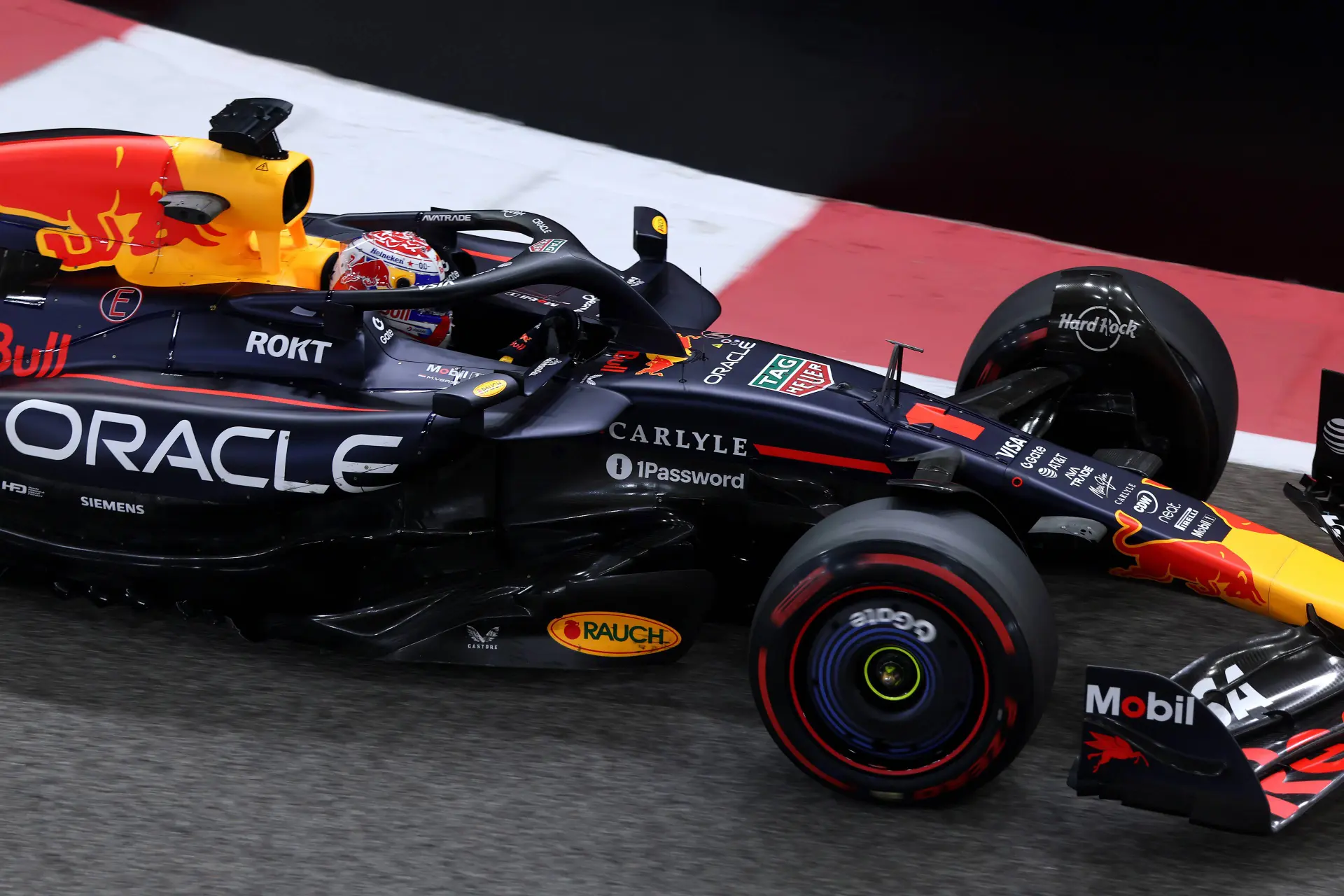
Photo: Race Pictures
Updated: 20:07, 20 Dec 2025
0 Comments

Tobia is a Formula 1 journalist at GPblog with experience at international circuits. Since 2022, he has covered Grands Prix across Europe, delivering reliable coverage and insights from the paddock.
F1 power units will undergo a major overhaul from 2026, but over the years the sport’s engines have already been through a series of radical transformations.
The history of Formula 1 engines can broadly be divided into four major eras: the turbocharged V6 period, which dominated much of the 1980s before being progressively restricted and eventually banned outright from 1989; the golden age of naturally aspirated engines, led by the iconic V10s that reigned from the mid-1990s to the early 2000s, followed by the V8 era from 2006 to 2013; and finally the hybrid age we know today, built around the current V6 power units.
Built around inline-four and V6 configurations with a tiny 1.5-litre displacement, these power units delivered roughly 850–1000 hp in race conditions and well over 1200 hp in qualifying, cementing their status as the most extreme and powerful engines Formula 1 has ever known in the 1980's.
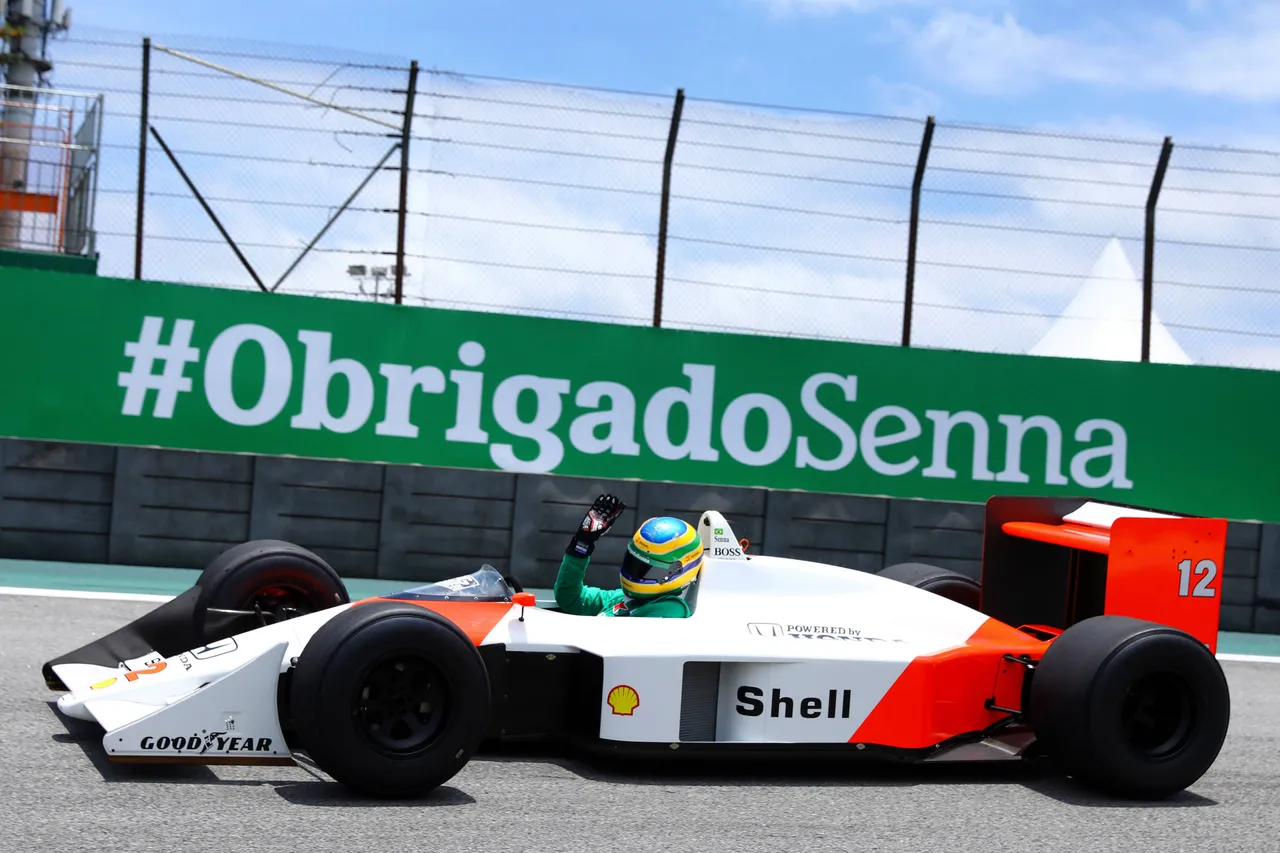
McLaren MP4/4 with V6 1.5L Turbo engine Photo: Race Pictures
Turbo boost was pushed to the limit with minimal regulation, qualifying engines were effectively disposable after just a few laps, and the sheer performance of that era has never been replicated, with turbos eventually outlawed as safety risks and costs spiralled out of control.
ADVERTISEMENT
The golden era of V10 engines (1995-2005)
Just a few years later, Formula 1 entered what is widely regarded as its golden age from an engine perspective, marked by the arrival of naturally aspirated V10s in the 1995 season — an era that would last a full decade.
With 3.0-litre V10s producing up to 950 hp and revving to around 19,000 rpm, these engines were exceptionally light, ferociously powerful and unconstrained by fuel-efficiency targets, a period often remembered as the sport’s purest and most iconic soundtrack.
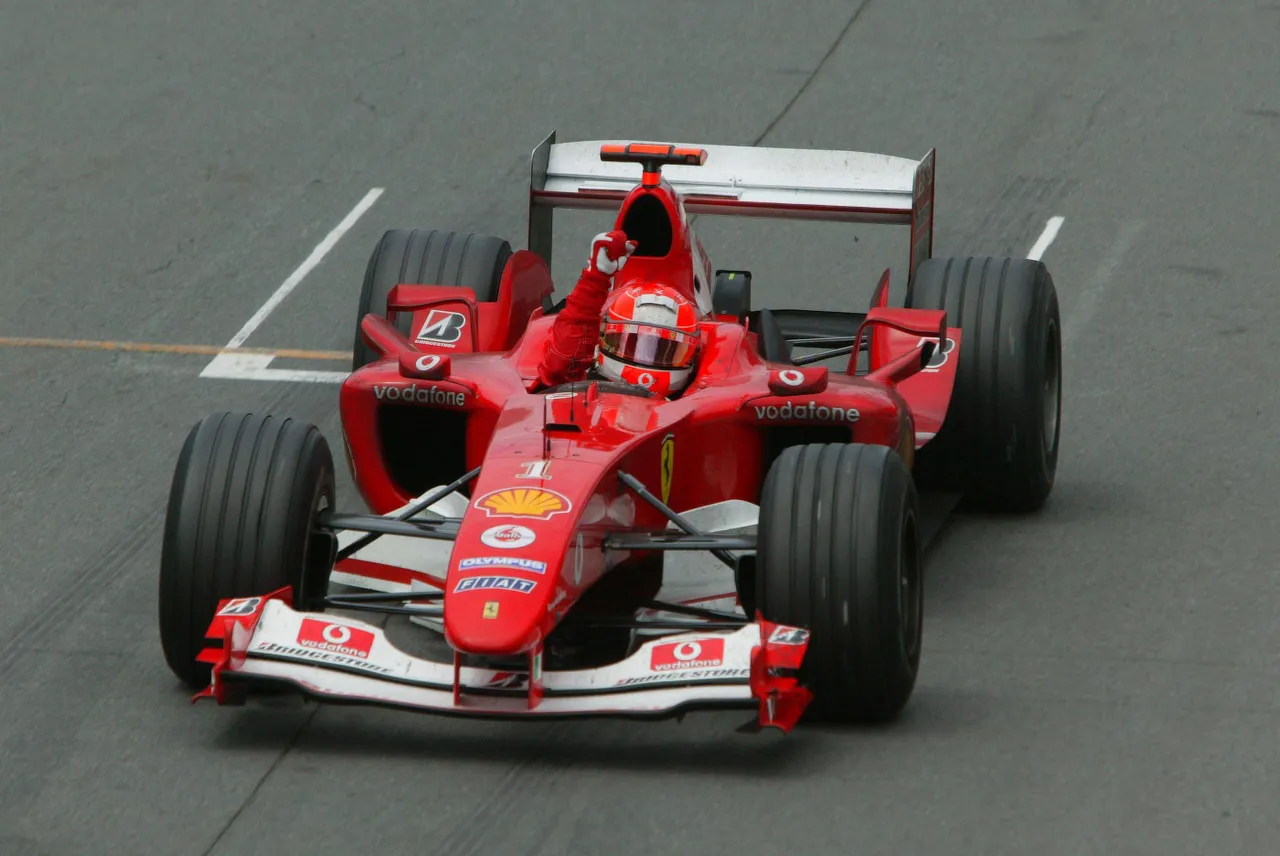
Michael Schumacher driving his Ferrari F2004 - Photo: Race Pictures
V10s phased out in favour of V8 engines (2006-2013)
ADVERTISEMENT
From 2006, Formula 1 switched to naturally aspirated V8 engines that were smaller, more compact and noticeably quieter, a move driven by a combination of performance, cost, safety and political factors. By the early 2000s, V10s were already producing 900–950 hp and revving to around 19,000 rpm, pushing cornering speeds to increasingly dangerous levels, prompting the FIA to rein in performance without a complete technical reset by cutting power through downsizing.
Safety concerns also played a major role, as ever-higher power and downforce led to higher impact speeds and smaller margins for error, while from a road-car relevance standpoint manufacturers were shifting towards efficiency, emissions and smaller engines, making a 3.0-litre V10 politically indefensible.
Naturally aspirated 2.4-litre V8 engines producing around 750 hp and revving up to 18,000 rpm defined this era, as the FIA deliberately downsized power units to rein in costs and improve reliability. It also marked Formula 1’s first genuine step towards hybrid technology, with the introduction of KERS in 2009 — a concept that would later become a permanent cornerstone of the sport with the arrival of the current power units and the full ERS system.
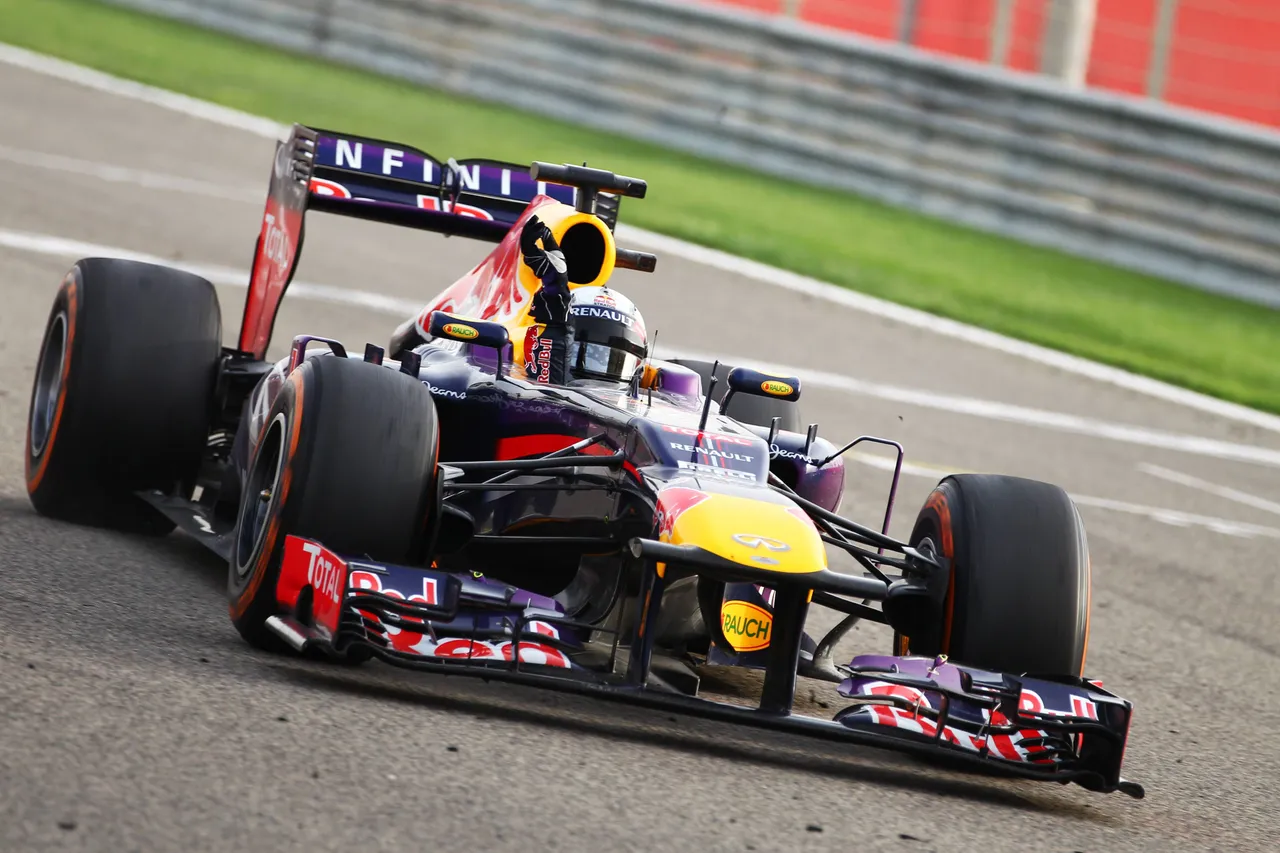
Sebastian Vettel driving his Red Bull RB9 in 2013 - Photo: Race Pictures
The hybrid era (2014-present)
ADVERTISEMENT
That brings us to the modern era, defined by 1.6-litre V6 turbo-hybrid power units combining an internal combustion engine with the MGU-K and MGU-H, delivering close to 1,000 hp under a strict 100 kg/h fuel-flow limit.
Widely regarded as the most efficient racing engines ever built, this generation saw electrical systems become just as crucial as combustion itself, redefining Formula 1 engineering and reshaping the competitive order, particularly in the early years.
While heavily criticised for their muted sound and extreme complexity, these power units have nonetheless paved the way from an engineering standpoint, especially in terms of technology transfer to road cars.
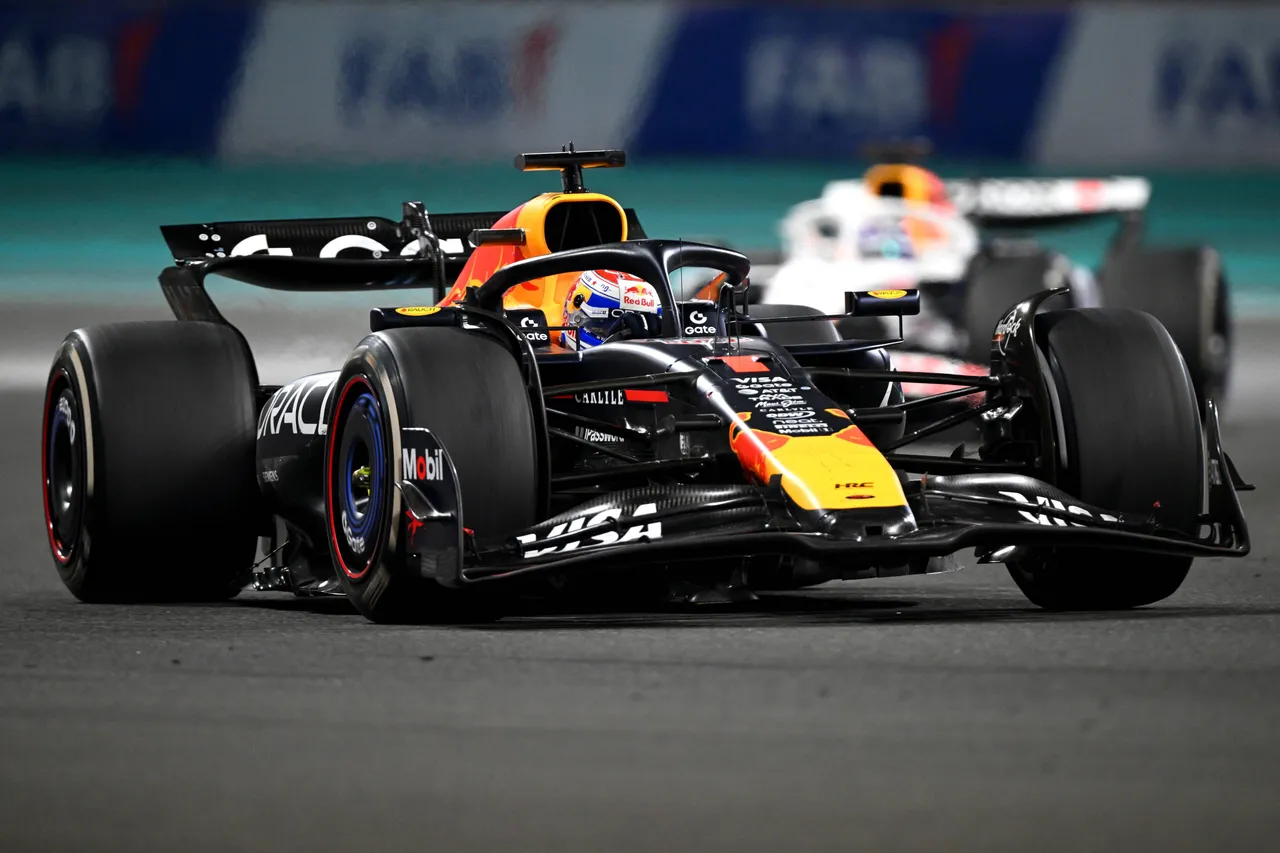
Max Verstappen driving his Red Bull RB21 in 2025 - Photo: Red Bull Content Pool
What to expect from 2026 Power Units?
ADVERTISEMENT
From 2026, Formula 1 power units will undergo a fundamental shift in how performance is delivered, with electric power set to play an unprecedented role.
The internal combustion engine, which previously provided the vast majority of the output, will now contribute only around half of the total power, matched by the hybrid system.
Hybrid system, once a supporting element in the overall package, becomes a co-equal performance pillar, while the removal of the MGU-H eliminates one of the most complex components of the current engines, streamlining the design and reshaping how teams generate lap time.
Such a sweeping revolution is bound to redefine the competitive order and could open the door for teams to exploit fresh regulatory grey areas, as emerged on Friday when Mercedes and Red Bull Powertrains came under scrutiny over an alleged loophole in the compression-ratio regulations — a development that could allow them to unlock extra performance and, in turn, lap time.
Read also
ADVERTISEMENT
GPblog's latest F1 Paddock Update
Want to stay up-to-date with what happens in the F1 paddock? Then GPblog's F1 Paddock Update video is the perfect way to do it. Subscribe to GPblog's YouTube channel and turn on notifications to never miss the latest episodes.
Read also

ADVERTISEMENT
Don’t miss GPblog in Google
Mark us as a preferred source and our articles will appear more often at the top of Top Stories.
Add as a preferred / source on GoogleRead more about:
latest news

Azerbaijan Grand Prix
Overview
Thursday 24.09.26
Practice 1
08:30 AM
Practice 2
12:00 PM
Friday 25.09.26
Practice 3
08:30 AM
Qualification
12:00 PM
Saturday 26.09.26
Race
11:00 AM
Thursday 24.09.26
Practice 1
Thu 08:30 AM
Practice 2
Thu 12:00 PM
Friday 25.09.26
Practice 3
Fri 08:30 AM
Qualification
Fri 12:00 PM
Saturday 26.09.26
Race
Sat 11:00 AM
Times are in your local timezone
Rumors
Popular on GPBlog
1
Ferrari makes decision on its driver's future after six years of collaboration
3095 times read

2
Rosberg proposes multiple VSC changes to prevent future Norris-style setbacks
1312 times read

3
'Ferrari should follow Lewis Hamilton's lead more amid current dip in form'
609 times read

4
Mourinho uncovers what puts Formula 1 'one step ahead' of football
526 times read
F1-stand 2026
Season
| Pos. | Driver | Team | Points |
|---|---|---|---|
1 | MercedesMER | 292 | |
2 | MercedesMER | 211 | |
3 | FerrariFER | 191 | |
4 | McLarenMCL | 186 | |
5 | FerrariFER | 167 | |
6 | Red Bull RacingRBR | 145 | |
7 | McLarenMCL | 120 | |
8 | Red Bull RacingRBR | 71 | |
9 | Racing BullsRCB | 59 | |
10 | AlpineALP | 41 |
Loading