
Tim Kraaij is Editor-in-Chief of GPblog.com and a Formula 1 analyst. With permanent FIA accreditation and direct access to the paddock, he delivers in-depth, data-driven analysis and insight into key developments within the sport.
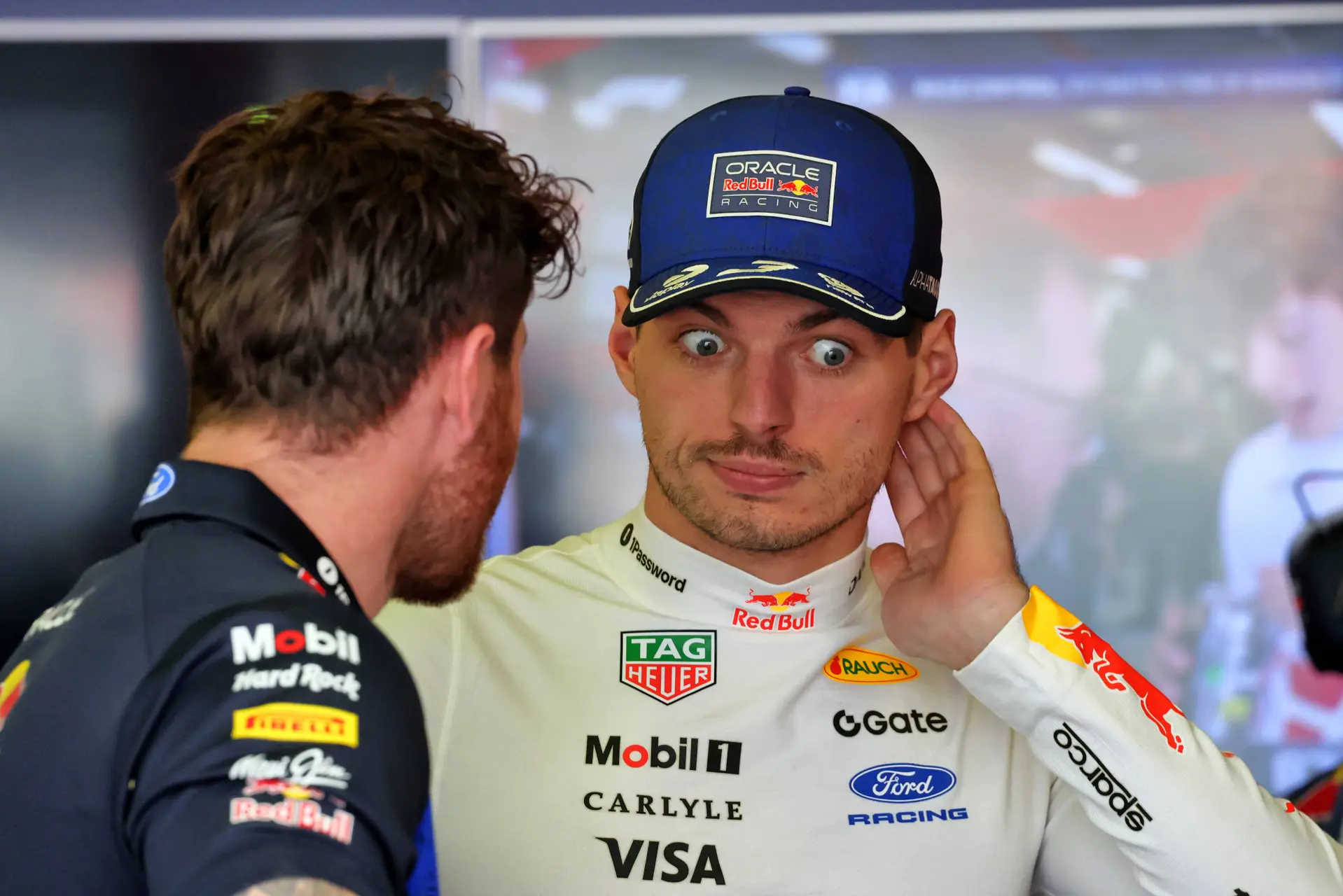
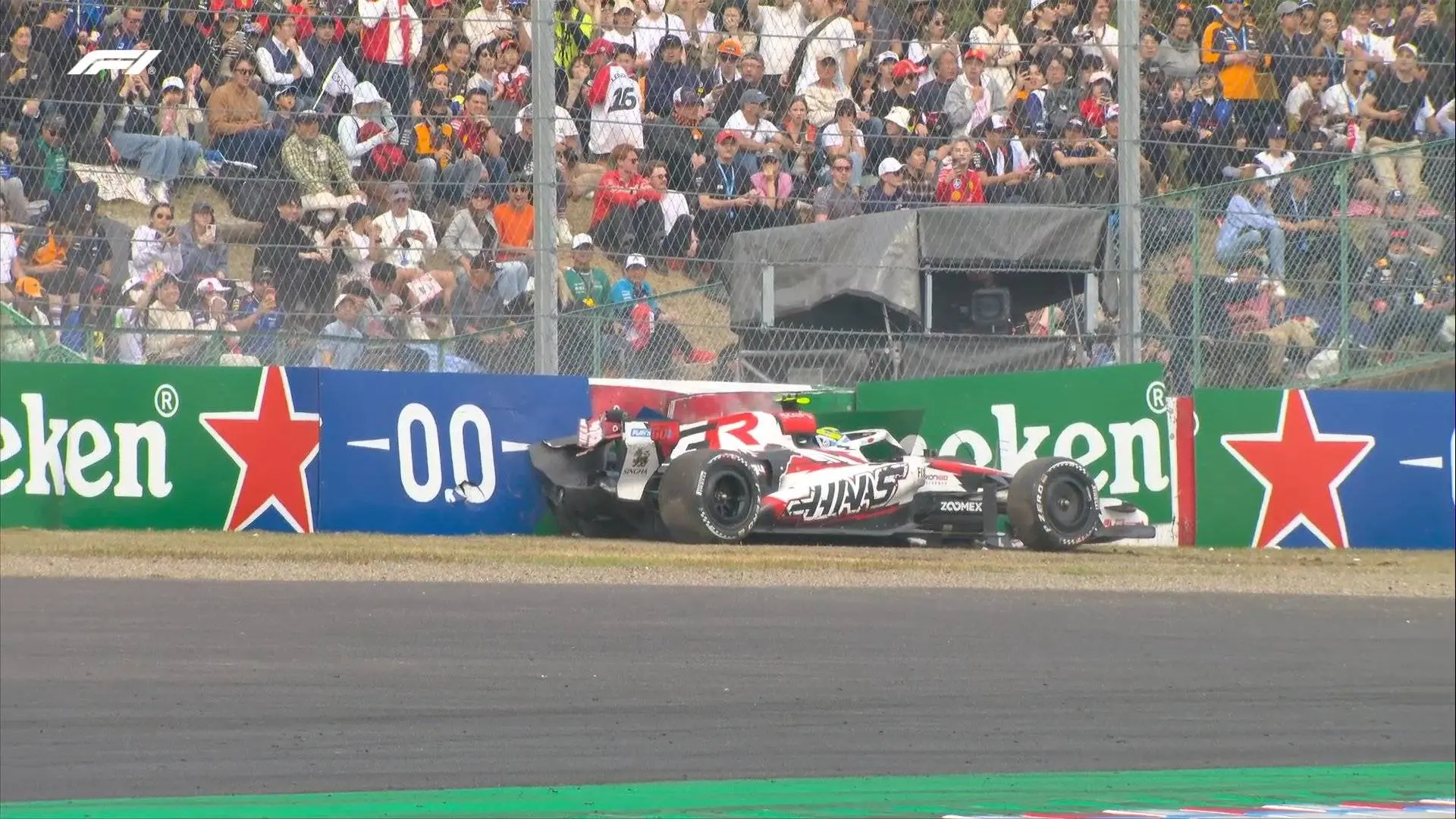
Max Verstappen’s criticism of the current Formula 1 regulations is growing is support after Oliver Bearman’s heavy crash in the Japanese GP as more drivers are voicing concerns about the current rules.
Verstappen has been clear for years that he disapproved of the new rules. In China, it was clear that discussions had taken place with the drivers behind the scenes. Formula 1 and the FIA were keen to project a positive message about the new regulations. “Let’s focus mainly on the fact that the races are more exciting now,” seemed to be the thinking.
More and more drivers pointed to the number of overtakes and suddenly seemed to forget how those overtakes actually came about, through battery deployment and regeneration.
Verstappen gains support from F1 colleagues
Verstappen was one of the few consistent voices in the paddok. He sounded the alarm about these new rules back in 2023 and has clearly been supported in his view. Lando Norris and Oscar Piastri have both backed Verstappen for weeks, but in Japan more drivers joined in.
For a long time, the other drivers seemed able to keep up appearances. The trigger was Bearman’s crash at Suzuka. With the new power units - and the regeneration, you inherently create enormous speed differentials. Drivers have been warning about this for years, but no one at F1 or the FIA has made changes.
ADVERTISEMENT
Want to stay up to date with the very latest Formula 1 news? Follow GPblog.com now on WhatsApp Channels. You’ll be the first to hear the most important news every day.
The view that everything had to be done to attract new manufacturers to Formula 1 is prevailing. Audi joined under these new rules and Honda returned after all. Formula 1 fears it would be left only with Mercedes and Ferrari if it charted its own course on engines—that it would look more like IndyCar than Formula 1. But what F1 has become now is hardly palatable either.
These rules, in fact, put drivers in life-threatening danger due to the way the power units operate. That became painfully clear with Bearman’s crash. Until now, things often just about went right; this time, they just went wrong. Critics will point to Franco Colapinto’s move, but he wasn’t at fault here. A driver’s instinct is to move to the inside there, but no driver is used to such huge speed differentials caused by an empty battery.
Formula 1 has been ruined
In other sports, the game for children, youths, and adults is exactly the same. Footballers are on a pitch with a ball from the age of 3 or 4, and the game changes hardly at all over the years. Only the pitch they play on gets bigger.
ADVERTISEMENT
In Formula 1, however, from karting through Formula 2, motorsport is a discipline where the driver must push with the internal combustion engine and defends and attacks on the straights against rivals with similar combustion engines. Once in F1, though, it becomes a completely different sport: suddenly you have to recharge a battery in fast corners and you’re dealing with extreme speed differentials against the very drivers you’re fighting on track.
It’s good that more drivers are lining up behind Verstappen. It could lead to change. The problem, however, is that F1 is tied to these power units, as Oscar Piastri so painfully pointed out in the press conference. Those engines won’t be adjusted overnight. And so we keep sticking on band-aids. All of this, just to keep the manufacturers happy. The drivers and a portion of the fans are paying the price.
Don’t miss GPblog in Google
Mark us as a preferred source and our articles will appear more often at the top of Top Stories.
Add as a preferred / source on GoogleRead more about:
latest news

Bahrain Grand Prix
Overview
Friday 02.10.26
Practice 1
04:30 AM
Practice 2
08:00 AM
Saturday 03.10.26
Practice 3
04:30 AM
Qualification
08:00 AM
Sunday 04.10.26
Race
07:00 AM
Friday 02.10.26
Practice 1
Fri 04:30 AM
Practice 2
Fri 08:00 AM
Saturday 03.10.26
Practice 3
Sat 04:30 AM
Qualification
Sat 08:00 AM
Sunday 04.10.26
Race
Sun 07:00 AM
Times are in your local timezone
Rumors
Popular on GPBlog
1
Vasseur under pressure: they could be his replacement
3093 times read
2
Red Bull appears to have already revealed Fred Vasseur's successor at Ferrari
2579 times read
3
F1 drivers to face new challenge according to Malaysia weather forecast
2037 times read
4
Argentina's foreign minister fires back at Lando Norris over Colapinto
1776 times read
F1-stand 2026
Season
| Pos. | Driver | Team | Points |
|---|---|---|---|
1 | MercedesMER | 302 | |
2 | MercedesMER | 236 | |
3 | FerrariFER | 199 | |
4 | McLarenMCL | 186 | |
5 | FerrariFER | 179 | |
6 | Red Bull RacingRBR | 163 | |
7 | McLarenMCL | 120 | |
8 | Red Bull RacingRBR | 86 | |
9 | Racing BullsRCB | 59 | |
10 | AlpineALP | 41 |
Loading