With F1 set to return to Malaysia, here's why Formula 1 drivers loved Sepang’s heat, speed and wide-open racing
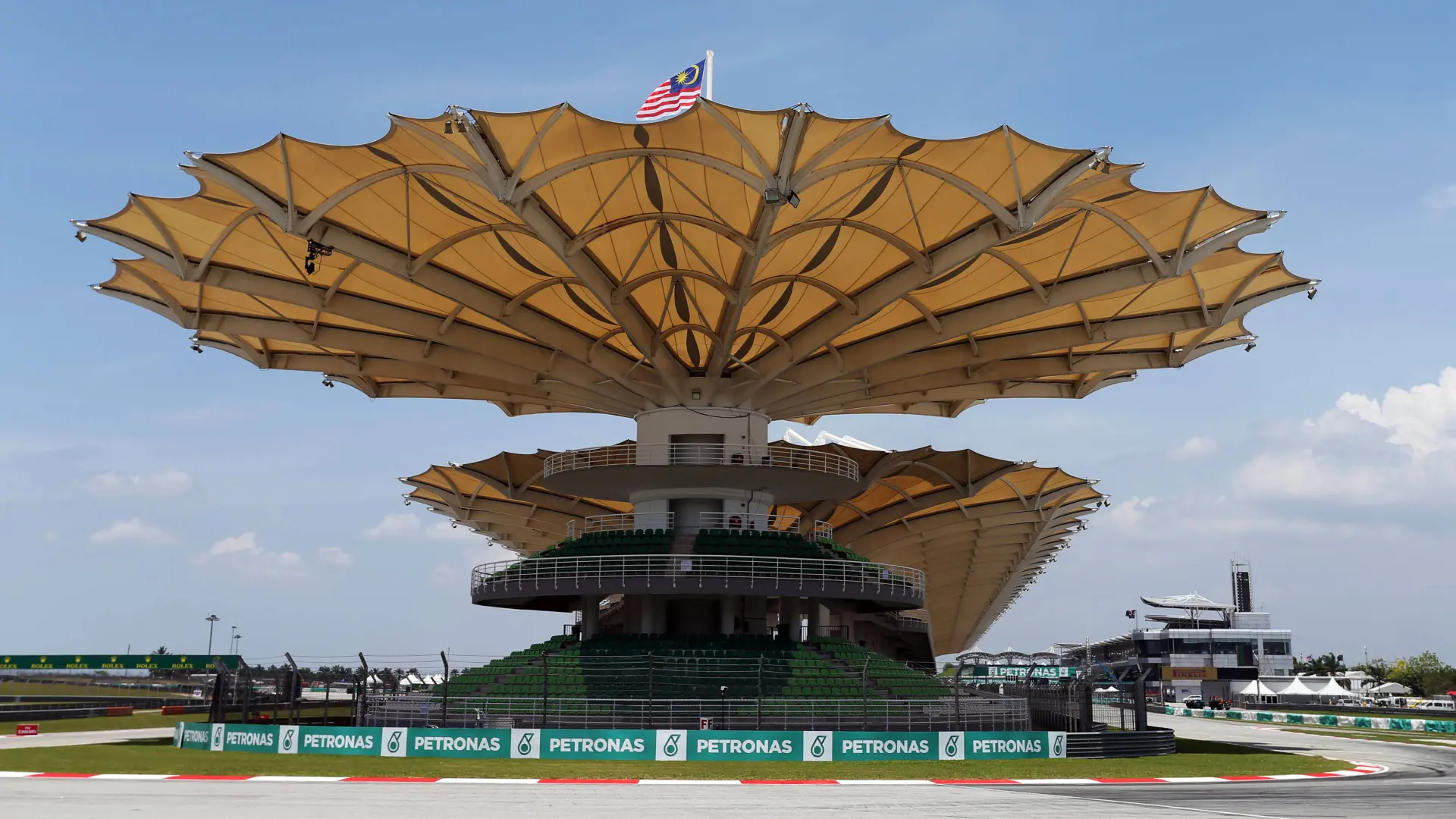
Photo: Race Pictures
Updated: 09:49, 04 Aug
1 Comments

Ben Hunt is an award-winning motorsport journalist with over two decades of experience in Formula 1 and international media. As a former editor-in-chief and bestselling author, he delivers in-depth analysis and strategic insight from the highest level of the sport.
Sepang International Circuit was never an easy place to race. The Malaysian Grand Prix demanded physical endurance, technical precision and absolute concentration, often within the same lap. Yet those challenges were precisely why so many Formula 1 drivers regarded the circuit as one of the most rewarding venues on the calendar. With the circuit back in F1 for 2026 as a host for the Bahrain GP, here is what makes it so special.
When Formula 1 left Malaysia after the 2017 race amid growing fees and before the Netflix Drive to Survive boom, the sport lost more than a Grand Prix in Asia. It lost a track that combined speed, width, weather and strategy in a way few modern circuits could match.
Designed by Hermann Tilke and opened in 1999, Sepang was created as a genuine racing circuit rather than a temporary venue. Its broad layout provided space for different lines, while its long straights and heavy braking zones gave drivers real opportunities to attack.
Appreciated by drivers for its overtaking possibilities
Former Lotus driver Romain Grosjean described Sepang as one of his favourite circuits because of its “great flow” and “good overtaking opportunities”. His assessment captured the main appeal of the venue - Sepang was fast and technically demanding without becoming narrow or processional.
ADVERTISEMENT
The lap began with a challenging opening sequence in which drivers needed a responsive front end and confidence through quick changes of direction. The middle sector then mixed medium-speed corners with long-radius turns, placing a premium on aerodynamic balance and tyre management.
The final section provided the clearest overtaking opportunities. Sepang’s two long straights were separated by a tight hairpin, creating a powerful combination of slipstreaming and heavy braking. A driver could attack into the hairpin, defend on the run towards the final corner and then launch another move into Turn 1.
Sergio Pérez, who scored his first Formula 1 podium at Sepang in 2012, highlighted the layout’s variety.
“The track is really interesting and the three sectors each have their own character,” Pérez said in a 2015 preview. “It is physical but it has some very technical parts as well. You also have some very long straights at the end of the lap that offer a lot of opportunities for overtaking.”
That width was crucial. Unlike narrow circuits where a pursuing car may be trapped behind another, Sepang allowed drivers to move away from the conventional racing line. Cars could run side by side and attempt different approaches into the braking zones, making battles feel more natural and less dependent on artificial overtaking aids.
ADVERTISEMENT
The Malaysian humidity also made things tough
The circuit’s physical demands were equally important. Malaysia’s heat and humidity turned the cockpit into an endurance test. Lewis Hamilton called the race “really tough” because of the conditions, while Daniel Ricciardo compared the cockpit to a sauna and stressed the importance of hydration and heat preparation.
The challenge extended beyond the driver. Mercedes former technical director Paddy Lowe once described Sepang as one of the most difficult events of the season for both “human and mechanical endurance”, citing the extreme heat, humidity and frequent heavy rain.
Those conditions forced teams to balance competing demands. Cars needed sufficient downforce for the fast corners, but excessive drag could leave them vulnerable on the two long straights. Tyres also faced severe punishment. Former Pirelli motorsport director Paul Hembery pointed to Sepang’s abrasive asphalt, fast corners and high ambient temperatures, warning that wear and degradation that would also be major factors in the race.
The threat of rain kept strategists guessing
ADVERTISEMENT
Then came the weather. Sepang’s tropical storms could transform a dry race into a strategic gamble within minutes. Drivers and engineers had to monitor the radar, protect their tyres and decide whether to pit before the rain arrived or remain on slicks and hope the shower passed.
That unpredictability produced some of the circuit’s most memorable races, including Fernando Alonso’s wet-weather victory in 2012 and the shortened 2009 Grand Prix, which was stopped after torrential rain.
For engineers, Sepang was a demanding but revealing test. Rob Smedley, then Williams’ head of vehicle performance, said the circuit challenged both drivers and engineers, with the track evolving from front-tyre graining early in the race to rear-tyre limitation later on.
That combination explains Sepang’s lasting reputation. It was difficult without being unfair, fast without sacrificing overtaking and unpredictable without relying solely on chance.
Drivers were tested physically, engineers were forced to compromise and fans were given the possibility of a dramatic race every time the clouds gathered. Sepang did not make life easy for Formula 1. That was exactly why the drivers loved it.
Drivers were tested physically, engineers were forced to compromise and fans were given the possibility of a dramatic race every time the clouds gathered. Sepang did not make life easy for Formula 1. That was exactly why the drivers loved it.
Read also
ADVERTISEMENT
Don’t miss GPblog in Google
Mark us as a preferred source and our articles will appear more often at the top of Top Stories.
Add as a preferred / source on GoogleRead more about:
latest news


Azerbaijan Grand Prix
Overview
Thursday 24.09.26
Practice 1
08:30 AM
Practice 2
12:00 PM
Friday 25.09.26
Practice 3
08:30 AM
Qualification
12:00 PM
Saturday 26.09.26
Race
11:00 AM
Thursday 24.09.26
Practice 1
Thu 08:30 AM
Practice 2
Thu 12:00 PM
Friday 25.09.26
Practice 3
Fri 08:30 AM
Qualification
Fri 12:00 PM
Saturday 26.09.26
Race
Sat 11:00 AM
Times are in your local timezone
Popular on GPBlog
1
McLaren makes decision on Norris' participation in the 24 Hours of Le Mans
3702 times read
2
Herta considers return to US as F1 dream slips further away
1644 times read
3
Azerbaijan GP schedule: why the race is a day earlier
1005 times read

4
F1 Today | Hamilton takes to social media to react to Ferrari rumors
900 times read
F1-stand 2026
Season
| Pos. | Driver | Team | Points |
|---|---|---|---|
1 | MercedesMER | 292 | |
2 | MercedesMER | 211 | |
3 | FerrariFER | 191 | |
4 | McLarenMCL | 186 | |
5 | FerrariFER | 167 | |
6 | Red Bull RacingRBR | 145 | |
7 | McLarenMCL | 120 | |
8 | Red Bull RacingRBR | 71 | |
9 | Racing BullsRCB | 59 | |
10 | AlpineALP | 41 |
Loading