
Ludo van Denderen is a motorsport journalist at GPblog, specializing in Formula 1 and international racing series.
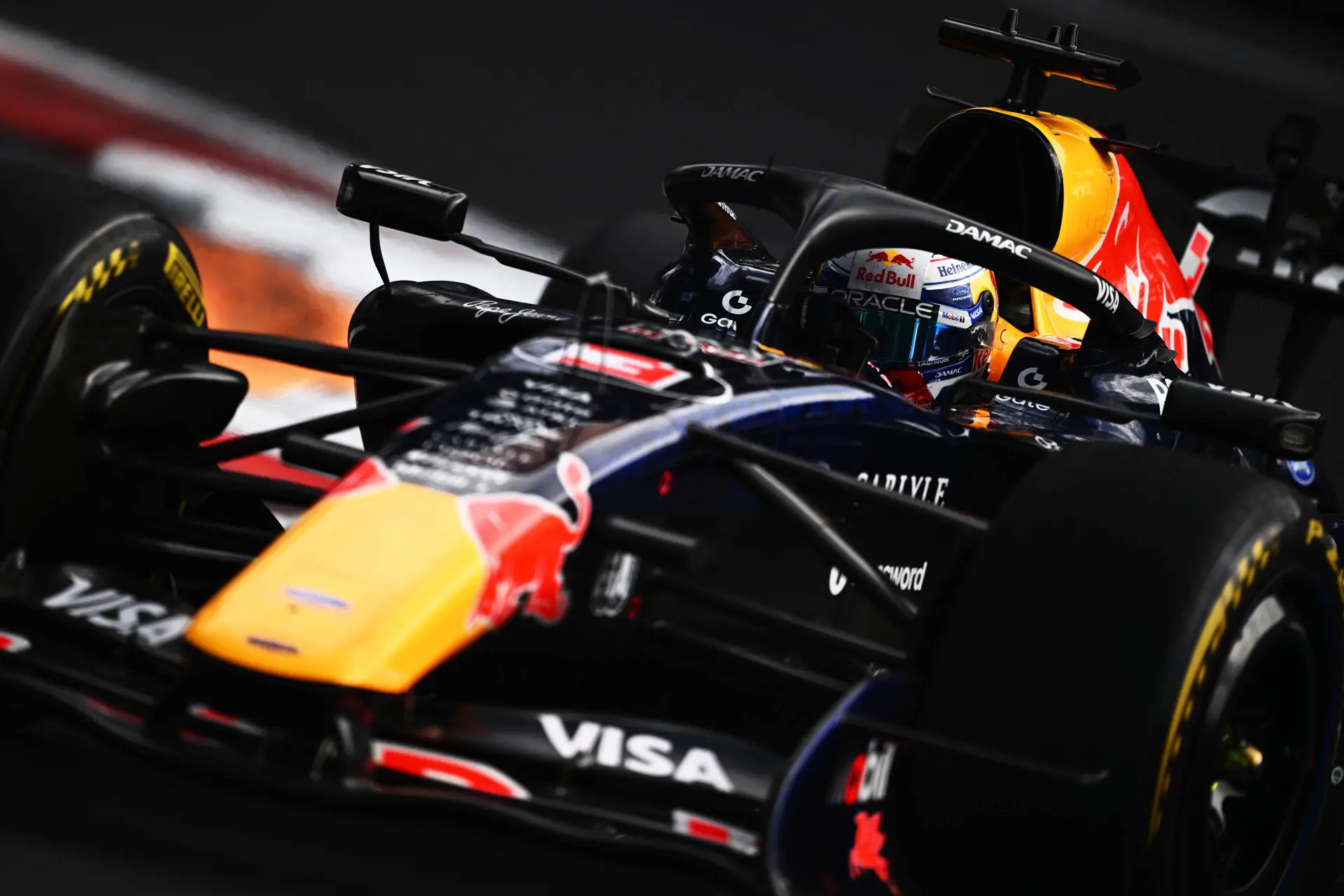
Given the circuit's high altitude in Mexico and the resulting thin air, Red Bull Racing was keen to see how its power unit would perform. It did more than just fine, with Max Verstappen taking victory. The test was passed with flying colours, said Red Bull team principal Laurent Mekies.
The Mexican Grand Prix is held each year at the Autódromo Hermanos Rodríguez, which sits more than 2,200 metres above sea level. The thin air always puts the engines and cooling systems of Formula 1 cars to the test. As it was the first time Red Bull Ford Powertrains had raced in Mexico, the team was keen to see how it would cope with the conditions.
"You're right to say that Mexico is an exception and brings very specific challenges," the Frenchman said after the race. "It clearly worked well, so huge credit and congratulations to the guys."
The team principal stressed that the credit did not belong solely to the engine department. The chassis also had to be specially adapted to cope with the conditions in Mexico. "Everything worked well on the chassis side too. You have to make a large number of changes to the chassis, including for the car's cooling, brake cooling and all sorts of other things," the team principal explained.
Ahead of the race weekend, Red Bull made several changes to the bodywork to improve hot-air extraction. The lower air density makes it harder to get enough cooling air flowing through the car in Mexico. This means teams have to compromise on aerodynamic performance to keep the temperatures of the various components under control.
ADVERTISEMENT
Mekies admitted that Red Bull went into the Grand Prix with some uncertainty. "We knew that everything we would see in Mexico had to be treated as a one-off situation. We didn't know whether we would have a competitive advantage or, conversely, a competitive disadvantage. But in the end, we got it right."
'The balance of the RB22 wasn't right'
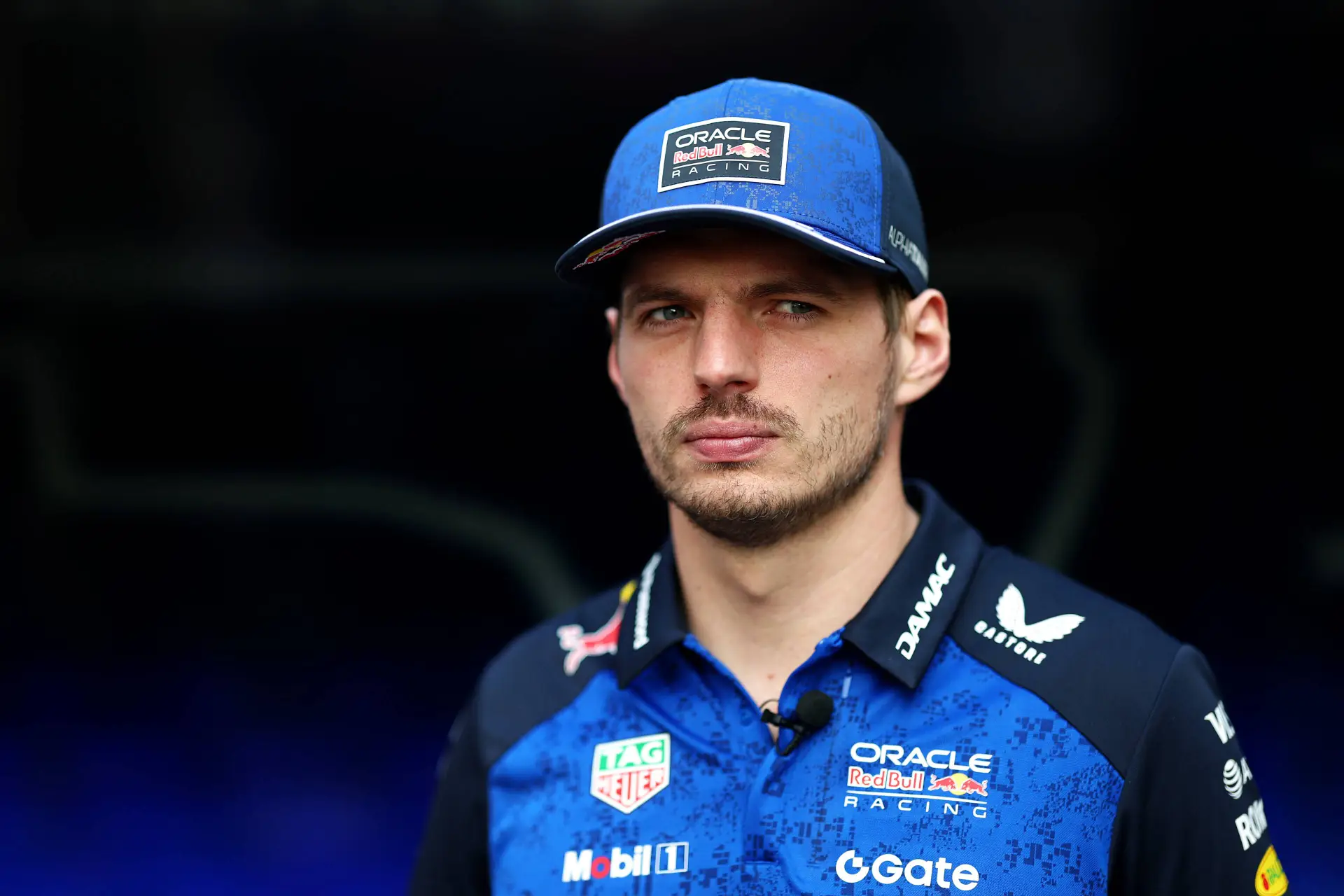
Red Bull's competitiveness in Mexico was far from assured on Friday. According to Mekies, both Verstappen and Isack Hadjar struggled significantly with the balance of their cars. The problems had not entirely gone away by Saturday morning either.
"I'm not going to lie. The car was in a very difficult place for both drivers on Friday. Both Max and Isack were struggling. We were nowhere near the right window and didn't have the right balance. That was true on Friday and, in some respects, still on Saturday morning," the team principal said.
ADVERTISEMENT
Red Bull then managed to significantly improve the cars ahead of qualifying. Mekies highlighted the role played by both drivers and their engineers. "Thanks to the work of Max, Isack and their engineers, the cars were much better for qualifying."
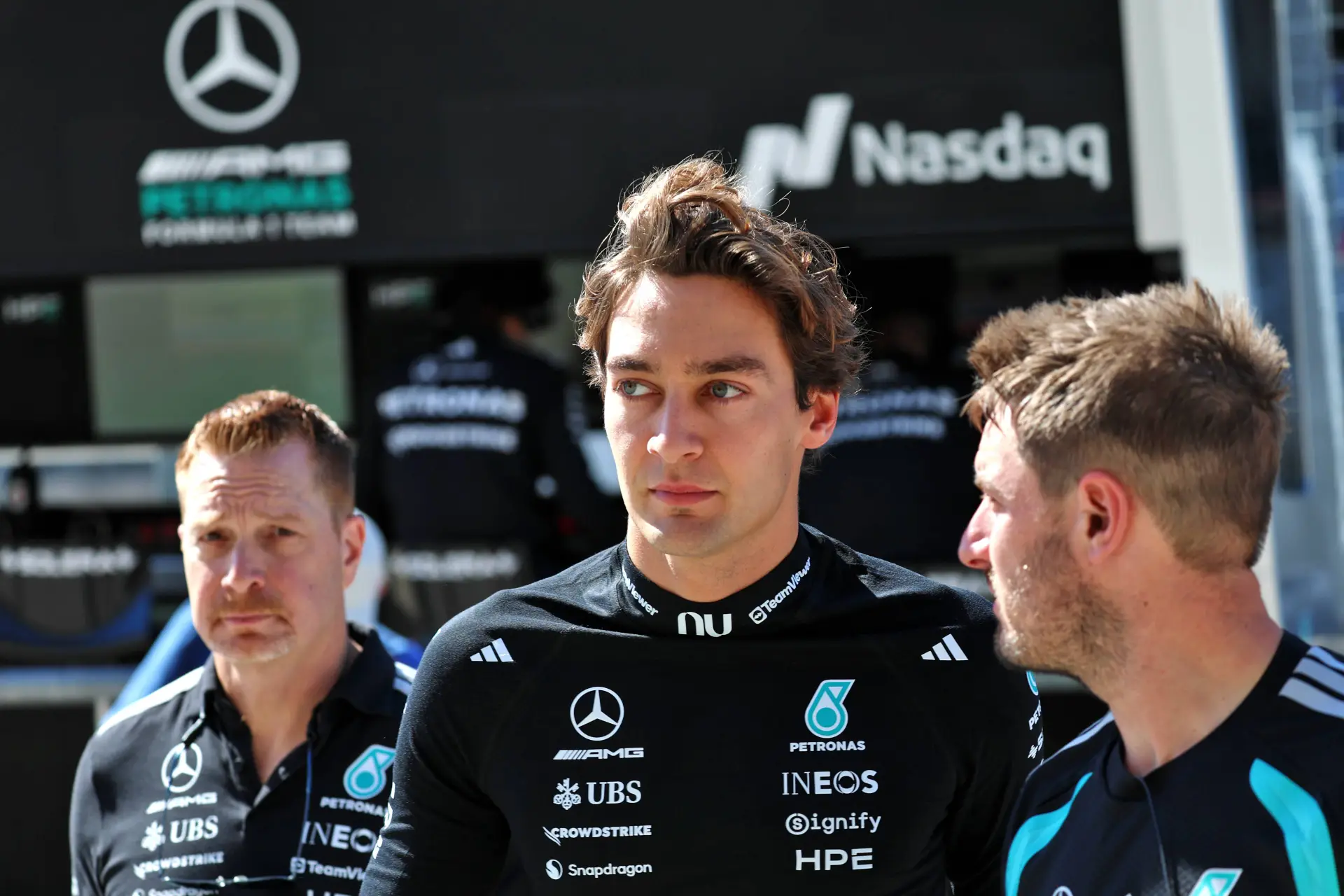
Isack Hadjar had a difficult day after a collision with George Russell. "Isack definitely had the pace in qualifying. There's no doubt about that. We also saw during the race that, whenever he had clear air and was making his way through the field, his pace was once again at the right level," the French team principal concluded.
Don’t miss GPblog in Google
Mark us as a preferred source and our articles will appear more often at the top of Top Stories.
Add as a preferred / source on Google