More Ferrari power, an Antonelli grid penalty? Monza could be a title turning point
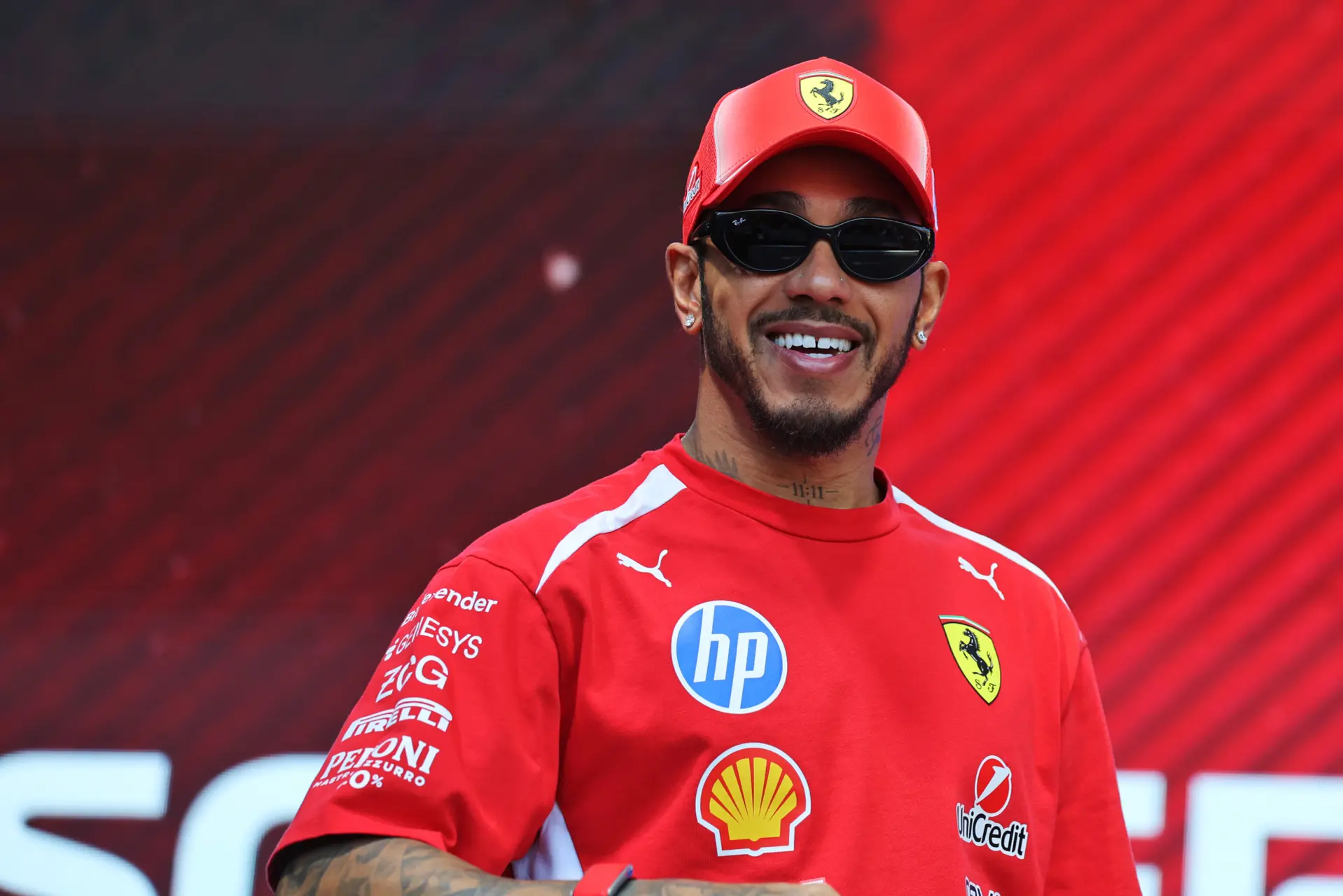
Photo: Race Pictures
13:00, 10 Aug
0 Comments

Ben Hunt is an award-winning motorsport journalist with over two decades of experience in Formula 1 and international media. As a former editor-in-chief and bestselling author, he delivers in-depth analysis and strategic insight from the highest level of the sport.
Monza could become a decisive weekend in the 2026 title fight, with Ferrari expected to introduce the bigger phase of its power-unit recovery plan as Mercedes considers taking an engine-related grid penalty with championship leader Kimi Antonelli.
The two developments are not confirmed outcomes. Ferrari’s prospective performance gain remains based on reporting around its planned upgrade, while Mercedes has not announced an Italian Grand Prix penalty for Antonelli. But Ferrari adding power at its home race while its leading rival starts from behind would create an opportunity where small margins matter.
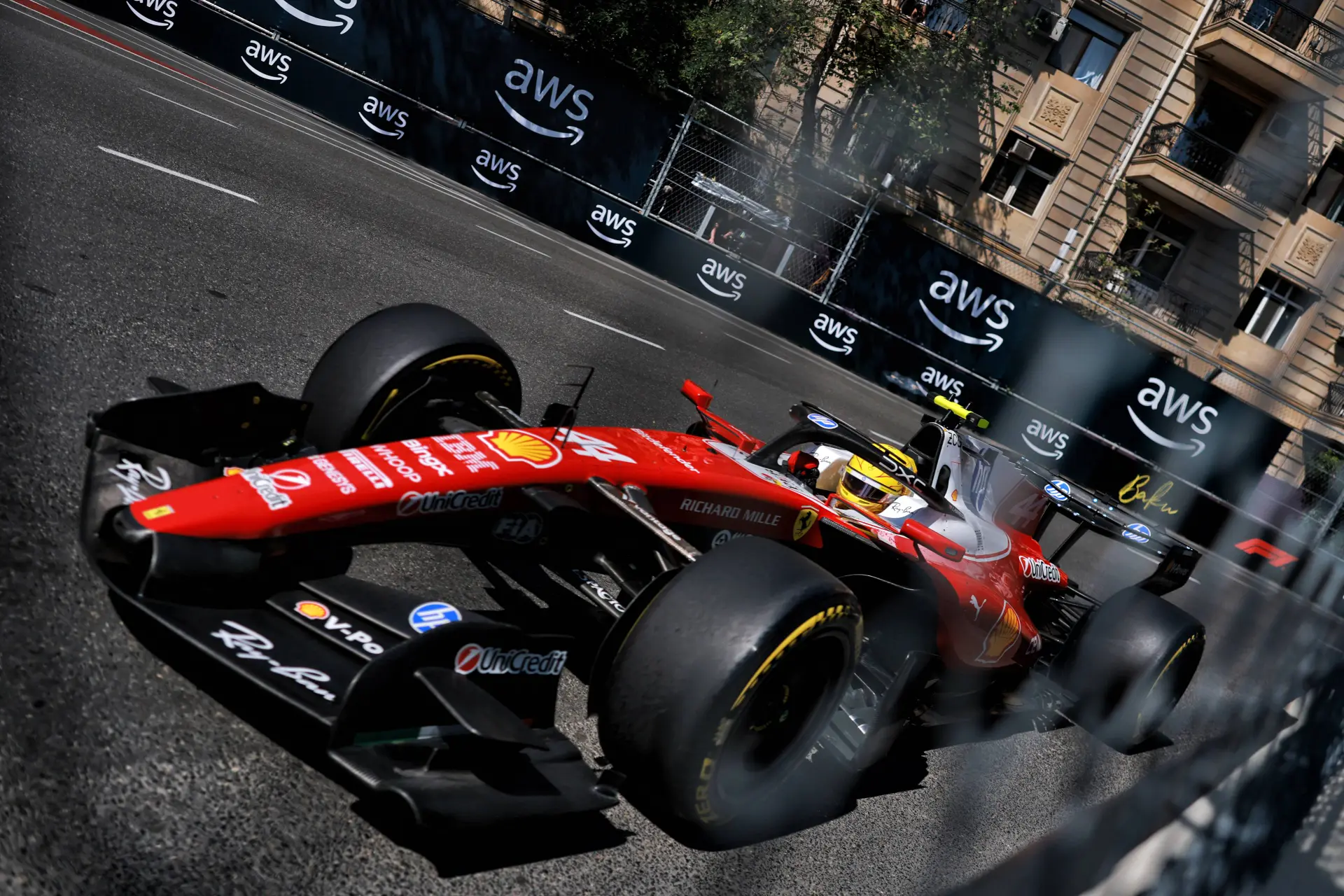
Ferrari’s development is understood to be split into two stages. The earlier package, linked to a revised Shell fuel specification, was reported to be worth around five horsepower. The more substantial step is expected for Monza, centred on a redesigned turbocharger and associated power-unit changes.
Reports have put the target for the combined programme at up to 30 horsepower. That figure should be treated cautiously until Ferrari runs the final specification and rivals can measure its effect. A dyno gain is not automatically a lap-time gain: deployment, reliability, cooling, drag level and track characteristics all influence the result. Still, Monza is the circuit most likely to magnify a genuine improvement in engine performance.
The Italian track is defined by long full-throttle sections, heavy braking zones and low-downforce configurations. Extra power can influence qualifying speed, defensive ability into the first chicane and the capacity to attack in the tow. For Ferrari, an upgrade that improves top-end performance without compromising drivability would be a weapon at the circuit where its tifosi expect a statement.
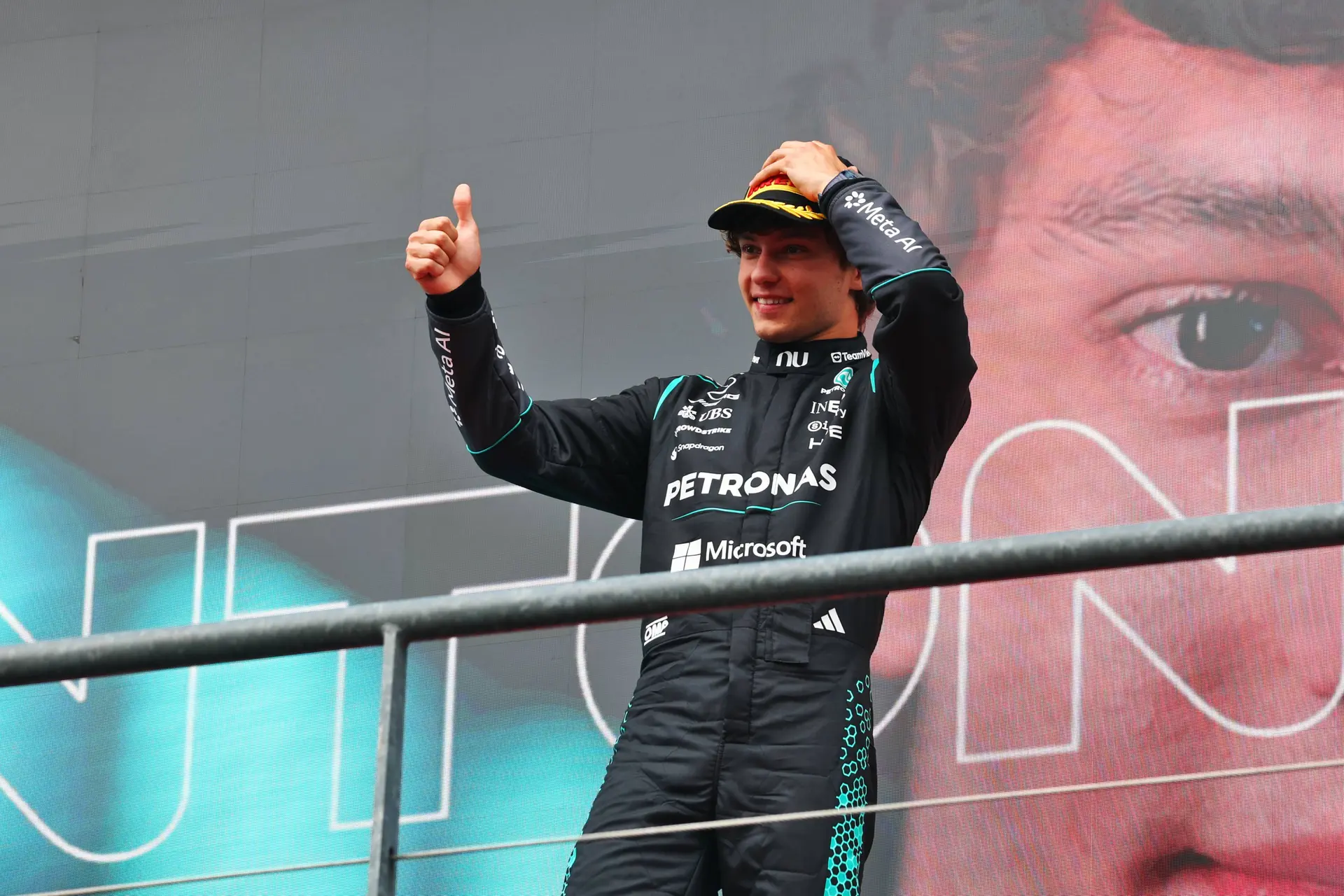
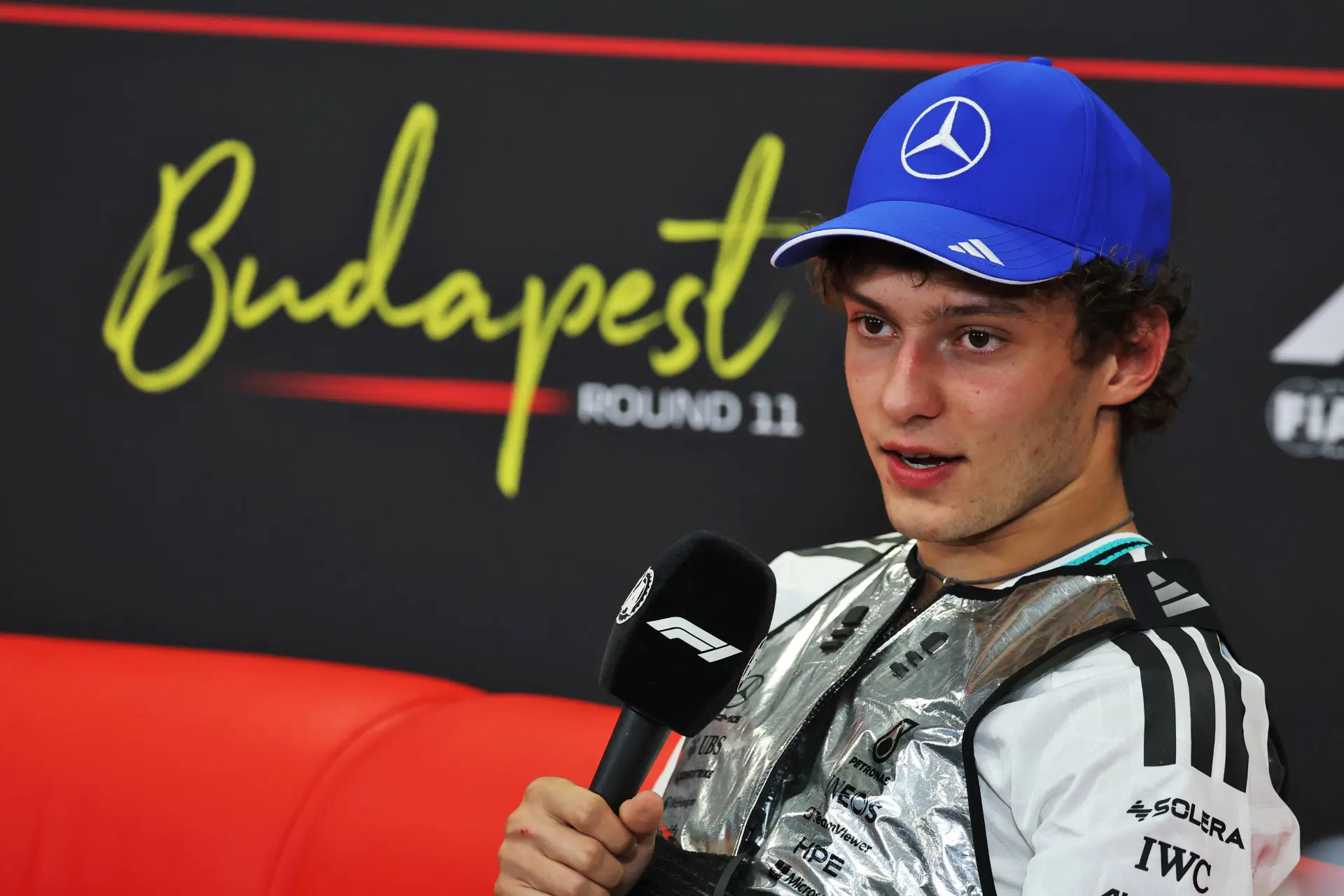
The pressure could be amplified by Mercedes’ power-unit position. Antonelli is reportedly close to several component allocation limits, leaving Mercedes to weigh the cost of a grid penalty against the danger of a later reliability failure, which would be triggered at the Italian GP.
It would be a bold choice. Monza offers overtaking possibilities, allowing a fast car to recover positions through slipstreaming and braking-zone moves. But an engine penalty also makes a driver vulnerable to traffic, strategy variance and first-lap incidents. If Ferrari’s new unit brings the anticipated step, Antonelli could face a more difficult recovery drive than Mercedes would normally expect.
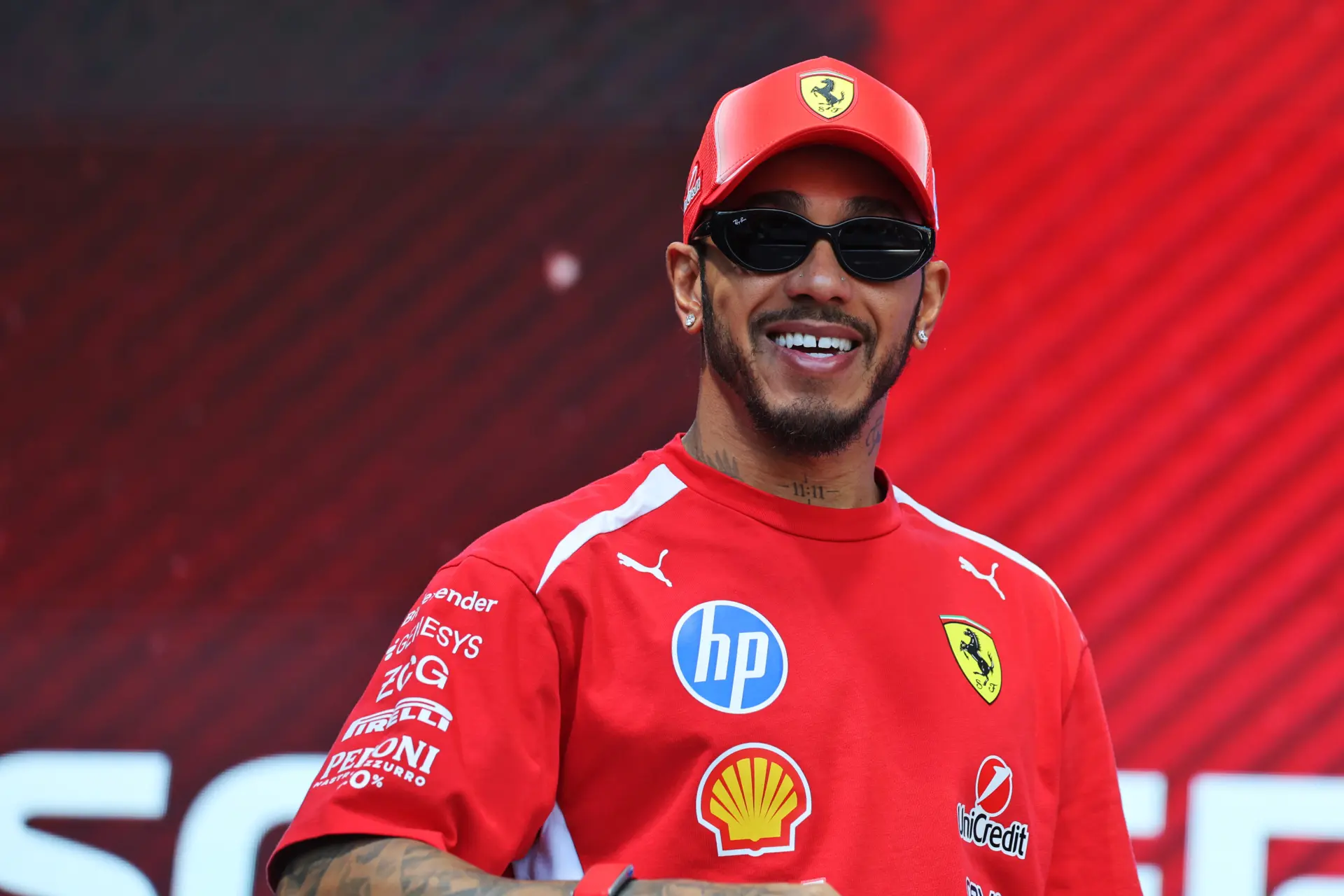
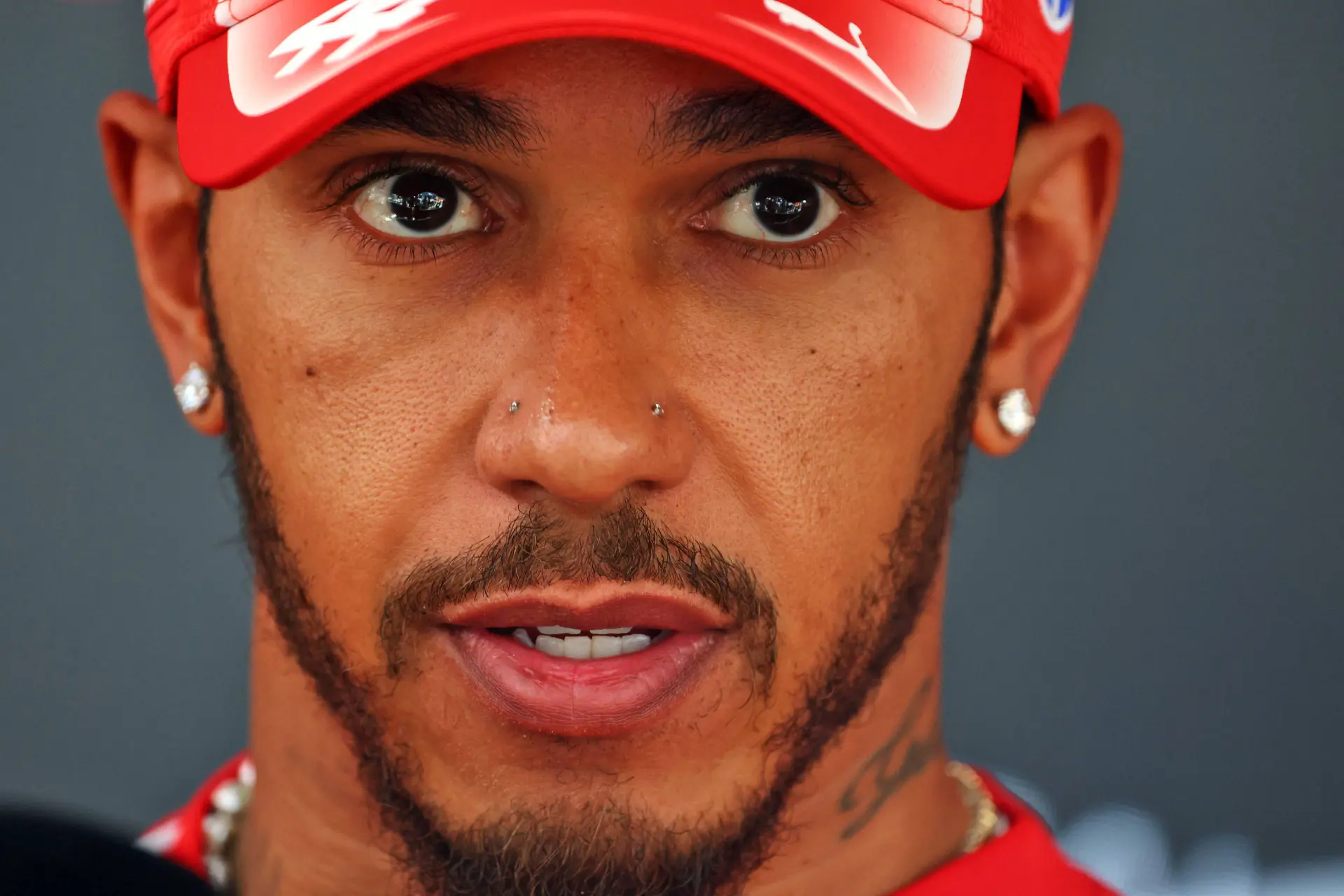
For Lewis Hamilton, the scenario would carry particular importance. Ferrari’s newest driver would arrive at Monza with a potential technical upgrade behind him and the chance to take points from a Mercedes rival whose weekend could begin compromised. Hamilton’s role would not simply be symbolic: he could become central to how effectively the team converts a power-unit gain into championship momentum.
The wider title effect depends on where Hamilton, who has been tipped for a championship revival, Antonelli and their team-mates stand by Monza. A penalty does not guarantee a poor result, nor does an upgrade guarantee pole position. Mercedes could use the weekend strategically, accepting short-term pain for fresher components later in the season.
That is what makes Monza potentially pivotal. Ferrari may unleash more power at the championship’s most power-sensitive venue. Mercedes may accept a grid setback with its title leader. If both happen, the Italian Grand Prix will be more than a homecoming: it could alter the rhythm of the title fight.
Ferrari’s development is understood to be split into two stages. The earlier package, linked to a revised Shell fuel specification, was reported to be worth around five horsepower. The more substantial step is expected for Monza, centred on a redesigned turbocharger and associated power-unit changes.
Reports have put the target for the combined programme at up to 30 horsepower. That figure should be treated cautiously until Ferrari runs the final specification and rivals can measure its effect. A dyno gain is not automatically a lap-time gain: deployment, reliability, cooling, drag level and track characteristics all influence the result. Still, Monza is the circuit most likely to magnify a genuine improvement in engine performance.
The Italian track is defined by long full-throttle sections, heavy braking zones and low-downforce configurations. Extra power can influence qualifying speed, defensive ability into the first chicane and the capacity to attack in the tow. For Ferrari, an upgrade that improves top-end performance without compromising drivability would be a weapon at the circuit where its tifosi expect a statement.
The pressure could be amplified by Mercedes’ power-unit position. Antonelli is reportedly close to several component allocation limits, leaving Mercedes to weigh the cost of a grid penalty against the danger of a later reliability failure, which would be triggered at the Italian GP.
It would be a bold choice. Monza offers overtaking possibilities, allowing a fast car to recover positions through slipstreaming and braking-zone moves. But an engine penalty also makes a driver vulnerable to traffic, strategy variance and first-lap incidents. If Ferrari’s new unit brings the anticipated step, Antonelli could face a more difficult recovery drive than Mercedes would normally expect.
For Lewis Hamilton, the scenario would carry particular importance. Ferrari’s newest driver would arrive at Monza with a potential technical upgrade behind him and the chance to take points from a Mercedes rival whose weekend could begin compromised. Hamilton’s role would not simply be symbolic: he could become central to how effectively the team converts a power-unit gain into championship momentum.
The wider title effect depends on where Hamilton, who has been tipped for a championship revival, Antonelli and their team-mates stand by Monza. A penalty does not guarantee a poor result, nor does an upgrade guarantee pole position. Mercedes could use the weekend strategically, accepting short-term pain for fresher components later in the season.
That is what makes Monza potentially pivotal. Ferrari may unleash more power at the championship’s most power-sensitive venue. Mercedes may accept a grid setback with its title leader. If both happen, the Italian Grand Prix will be more than a homecoming: it could alter the rhythm of the title fight.
Don’t miss GPblog in Google
Mark us as a preferred source and our articles will appear more often at the top of Top Stories.
Add as a preferred / source on GoogleRead more about:
latest news

Azerbaijan Grand Prix
Overview
Thursday 24.09.26
Practice 1
08:30 AM
Practice 2
12:00 PM
Friday 25.09.26
Practice 3
08:30 AM
Qualification
12:00 PM
Saturday 26.09.26
Race
11:00 AM
Thursday 24.09.26
Practice 1
Thu 08:30 AM
Practice 2
Thu 12:00 PM
Friday 25.09.26
Practice 3
Fri 08:30 AM
Qualification
Fri 12:00 PM
Saturday 26.09.26
Race
Sat 11:00 AM
Times are in your local timezone
Popular on GPBlog

1
Hamilton learns stewards’ verdict after ‘dangerous’ Azerbaijan FP2 incident with Lawson
5573 times read

2
Audi reaches final decision over its 2027 F1 driver line-up
1655 times read
3
Verstappen receives the confirmation he wanted from Red Bull in Baku
1140 times read
4
Cadillac hires former Red Bull key figure, but Alpine blocks the move for now
1138 times read
F1-stand 2026
Season
| Pos. | Driver | Team | Points |
|---|---|---|---|
1 | MercedesMER | 292 | |
2 | MercedesMER | 211 | |
3 | FerrariFER | 191 | |
4 | McLarenMCL | 186 | |
5 | FerrariFER | 167 | |
6 | Red Bull RacingRBR | 145 | |
7 | McLarenMCL | 120 | |
8 | Red Bull RacingRBR | 71 | |
9 | Racing BullsRCB | 59 | |
10 | AlpineALP | 41 |
Loading