F1 Tech | The ultimate guide for the 2026 regulations
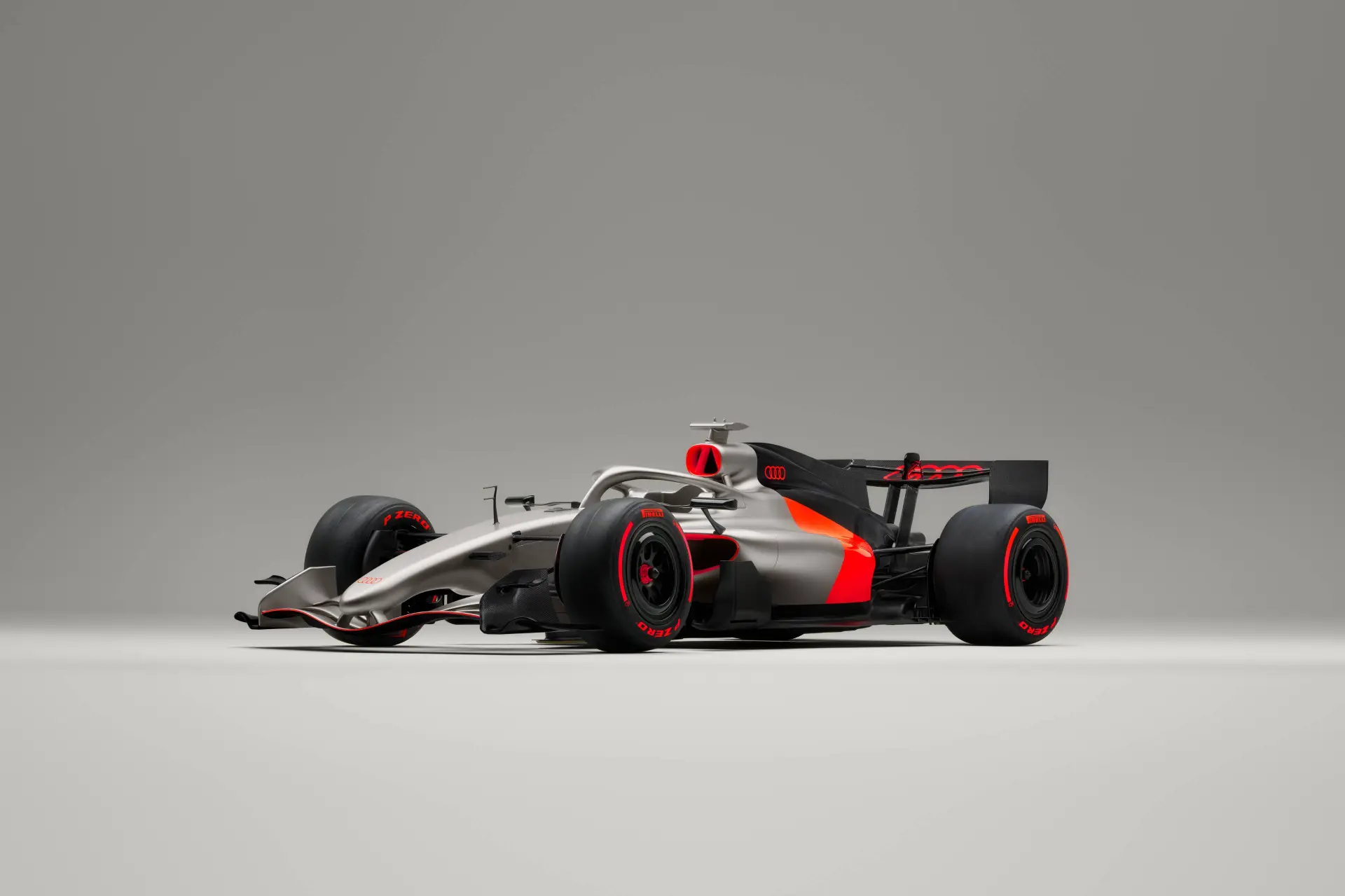
Rendering of the 2026 Audi's F1 car - Image: Audi MediaCenter

Francesco is a technical analyst at GPblog, specializing in the technical side of Formula 1. Through illustrations and analysis, he makes complex components and developments accessible to a wide audience.
Here’s the ultimate guide for the 2026 regulations, with all the details concerning the changes to engine, engine modes, aerodynamics, car’s size and brakes.
The 2026 regulation change will be a huge change from a technical point of view, as not only a 50:50 power split will change the way cars produce power, but also the active aerodynamic and the return to flat floor will have a big effect on the way competitors are expected to drive during the race.
For this reason, all teams are tasked with big challenges during these last few weeks that separate them from the first official tests in Barcelona.
Focusing on all the technical aspects and details that will change for the upcoming season, there are 5 main areas where fans will see big changes: the engine, the different battery modes used, the aerodynamics, the size of the cars and the brakes. Let’s try to unpack how all these different elements work and how they will influence performance and battles out on track.

ADVERTISEMENT
1. The engine
Starting from the engine, since 2014 F1 cars have been powered by hybrid Power Units, where 82% of the power was provided by the internal combustion engine, with the remaining 12% coming from the electrical side, consisting of the MGU-K, which harvested energy from the braking phase and from the accelerator release phase, and the MGU-H, which harvested energy from the turbo.
Looking at the exact numbers, up until the end of 2025, the ICE produced 550 kW of the total power, while the remaining 120 kW were provided by the battery pack. In 2026, this percentage will shift to 50:50, meaning that both the electrical side and the internal combustion engine will produce the same power percentage.
To achieve this ambitious goal, the power unit will be will undergo a profound change from the structural design point of view: the ICE will still be a 1.6 later V6 engine, but will produce 400 kW, while the electrical side, made of just the MGU-K, will produce 350 kW, with an increase of almost 300% compared to the previous regulations.
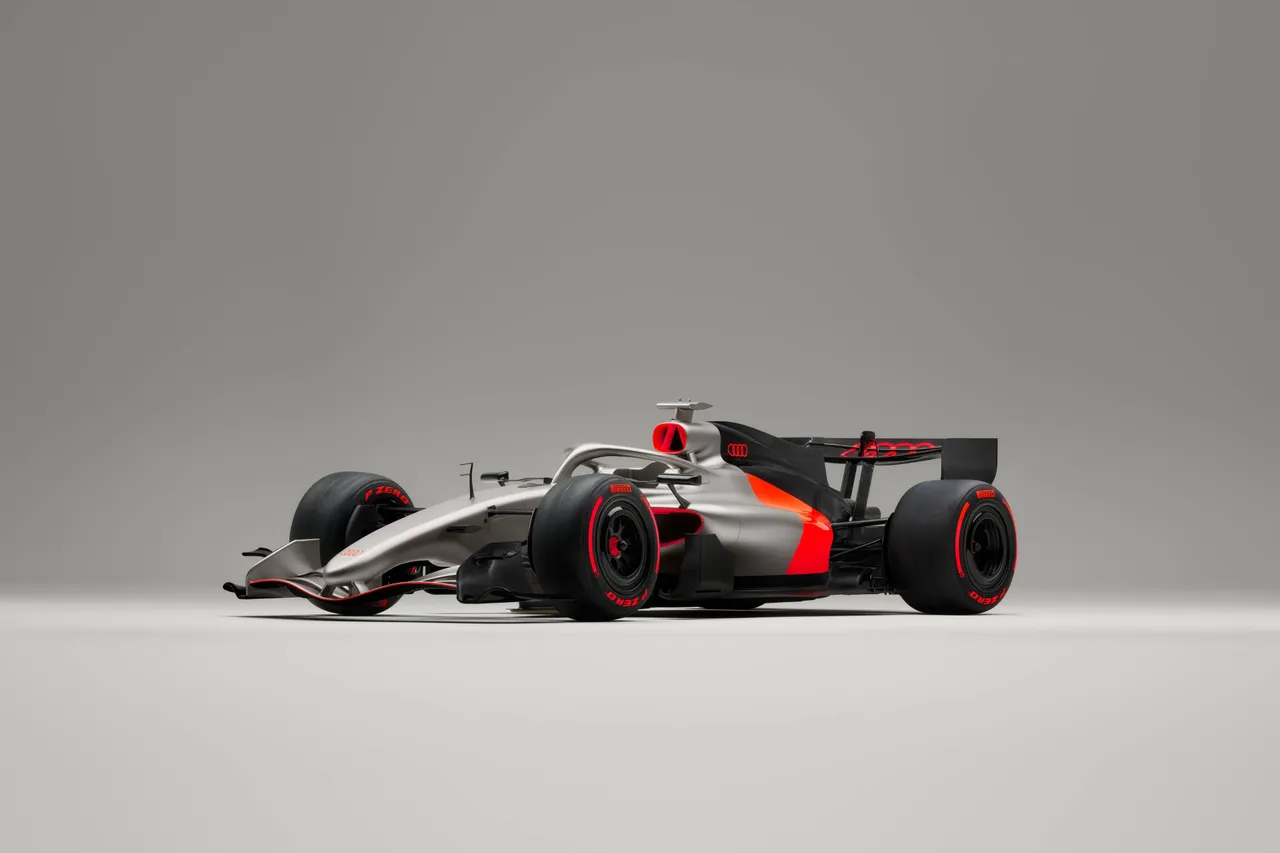
Rendering of the 2026 Audi's F1 car - Image: Audi MediaCenter
ADVERTISEMENT
The MGU-H will be removed, not only to reduce the weight of the car but also because the technology related to its design didn’t have a significant impact on road-car development.
Despite these big changes on the electrical side, the maximum charge of the battery will stay at 4 MJ, meaning that a full charged battery will deplete energy three times faster. To compensate for this faster and bigger consumption, 2026 cars will be able to recover 8.5 MJ of energy per lap under braking, compared to the 2 MJ established by the previous regulations.
Due to the removal of the MGU-H, drivers will recharge the battery in a completely different way to what we’ve been used until last season: since energy will be recovered only during the braking and accelerator release phase, drivers will probably be using lower gears and will keep the rpm higher during the cornering phase.
This will increase the speed of the turbine, generating more kinetic energy that is converted into electrical energy and charges the battery.
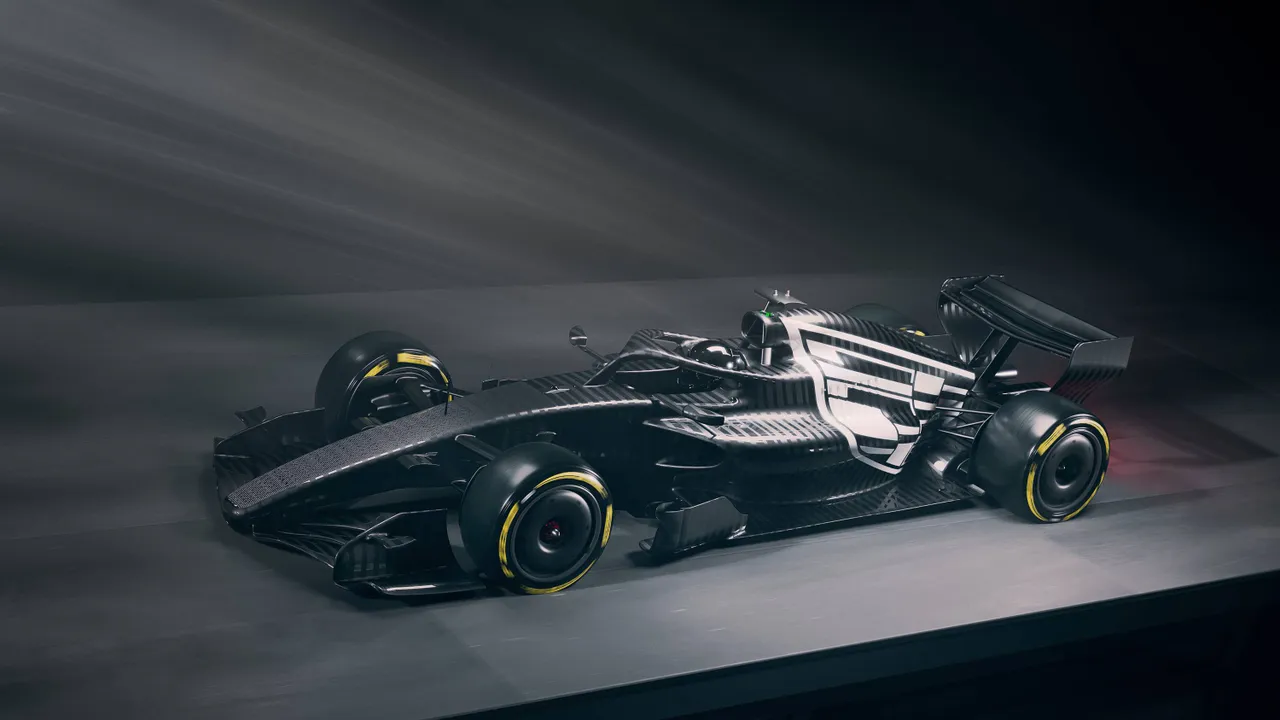
Cadillac livery for the test in Barcelona - Photo: Cadillac
ADVERTISEMENT
This will have an impact on the car’s performance compared to the ground-effect cars: 2026 cars will probably will be way slower in the slow-speed corners, because drivers will focus more on charging the battery than on pure performance (especially in the slow-speed and medium-speed corners), while the top speed, thanks to the reduced weight and to the higher level of electrical energy available, fundamental to attack and defend during races.
Another interesting and not less important aspect, will be the fuels used in the internal combustion engine: from 2026 all teams must use 100% sustainable fuels to reduce the emissions and contribute in the Formula 1’s slogan to be carbon free by 2030. These fuels will be derived from municipal waste, carbon capture and non-food biomass and are set to have a big impact on performance.
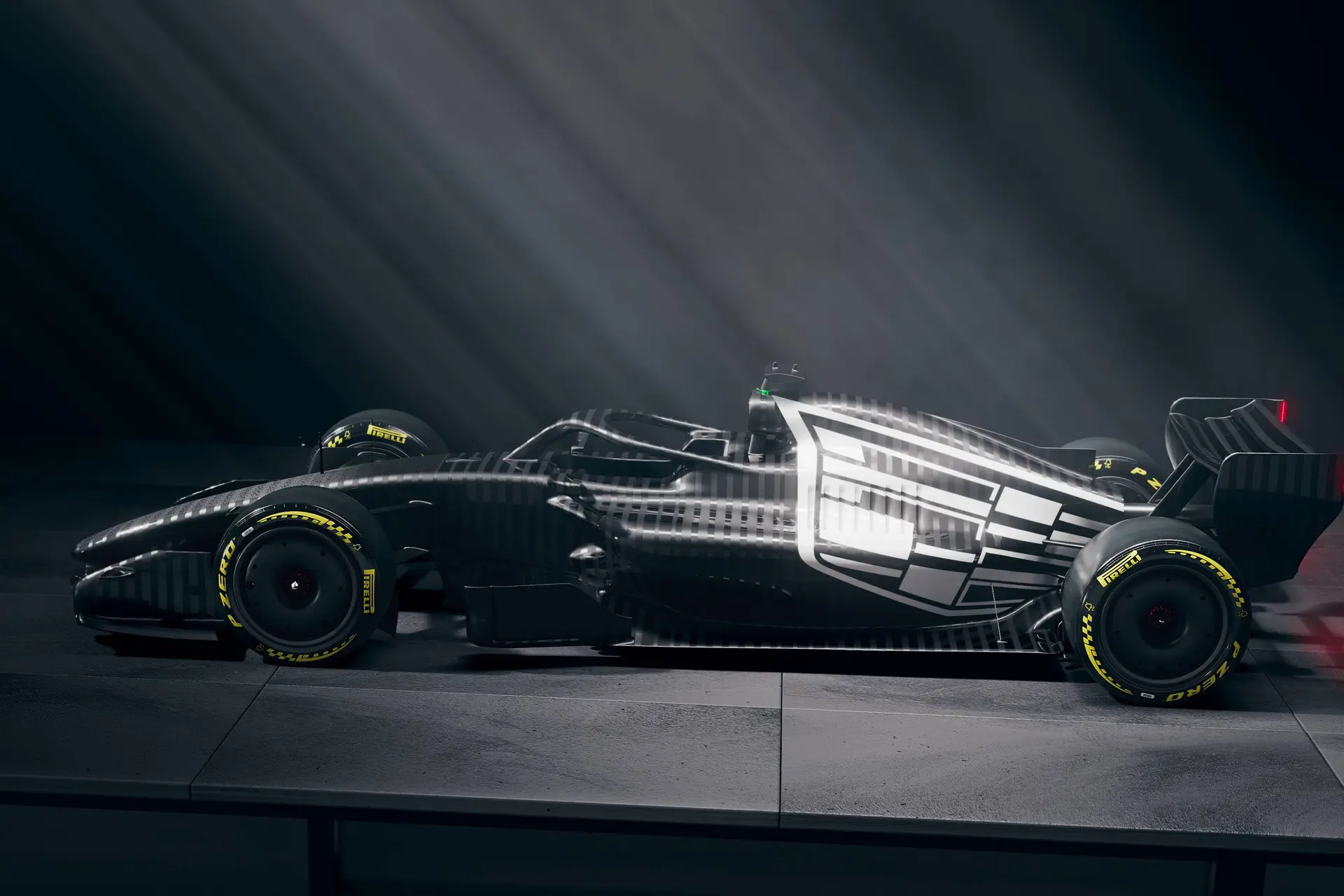
2. The battery modes
Drivers will be able to use three different engine modes in 2026:
ADVERTISEMENT
- Overtake mode: this mode will be used when a driver is within a specific distance from the driver in front (the distance will be decided by the FIA depending on the track layout). In this situation, he’ll have an additional 0.5 MJ of energy available to try and overtake the car in front. Unlike DRS, this mode will be available for the whole lap and it’ll be down to the driver to decide where to use it, so long as he is on full throttle for more than 3 seconds.
- Boost mode: this will be the “standard mode” used by the drivers during the race, as it manages the energy inside the battery to be deployed in some specific sections (mainly straights) to compensate for the reduced amount of power provided by the internal combustion engine.
- Recharge mode: this mode will be specifically used by drivers to recover energy under braking or during accelerator release phases to recharge the battery, in order to have as much capacity as possible on the straights to attack and defend.
3. The aerodynamics
For what concerns the aerodynamics, 2026 cars will appear completely different to the ground-effect cars that have been driven until the last race in Abu Dhabi, mainly to favour racing and make them easier to drive.
Starting from the floor, the new regulations set the comeback of the flat floor, after the FIA decided to shift to ground-effect cars in 2022.
The flat floor will produce way less downforce than the Venturi channels, as the frontal area generates way less vortices than the floor fences previously used, and the diffuser is simpler and smaller as well.
ADVERTISEMENT
This means that cars will be much slower through corners (especially high-speed corners) compared to the 2025 cars, but they’ll have a higher top speed thanks to the active aerodynamic.
To favour racing and avoid clipping at end of long straights on tracks like Monza or Spa-Francorchamps, the FIA have introduced two different modes on 2026 cars: through high speed corners and on the long straights, drivers will use the X-mode, a similar DRS system adopted on both the front and rear wing.
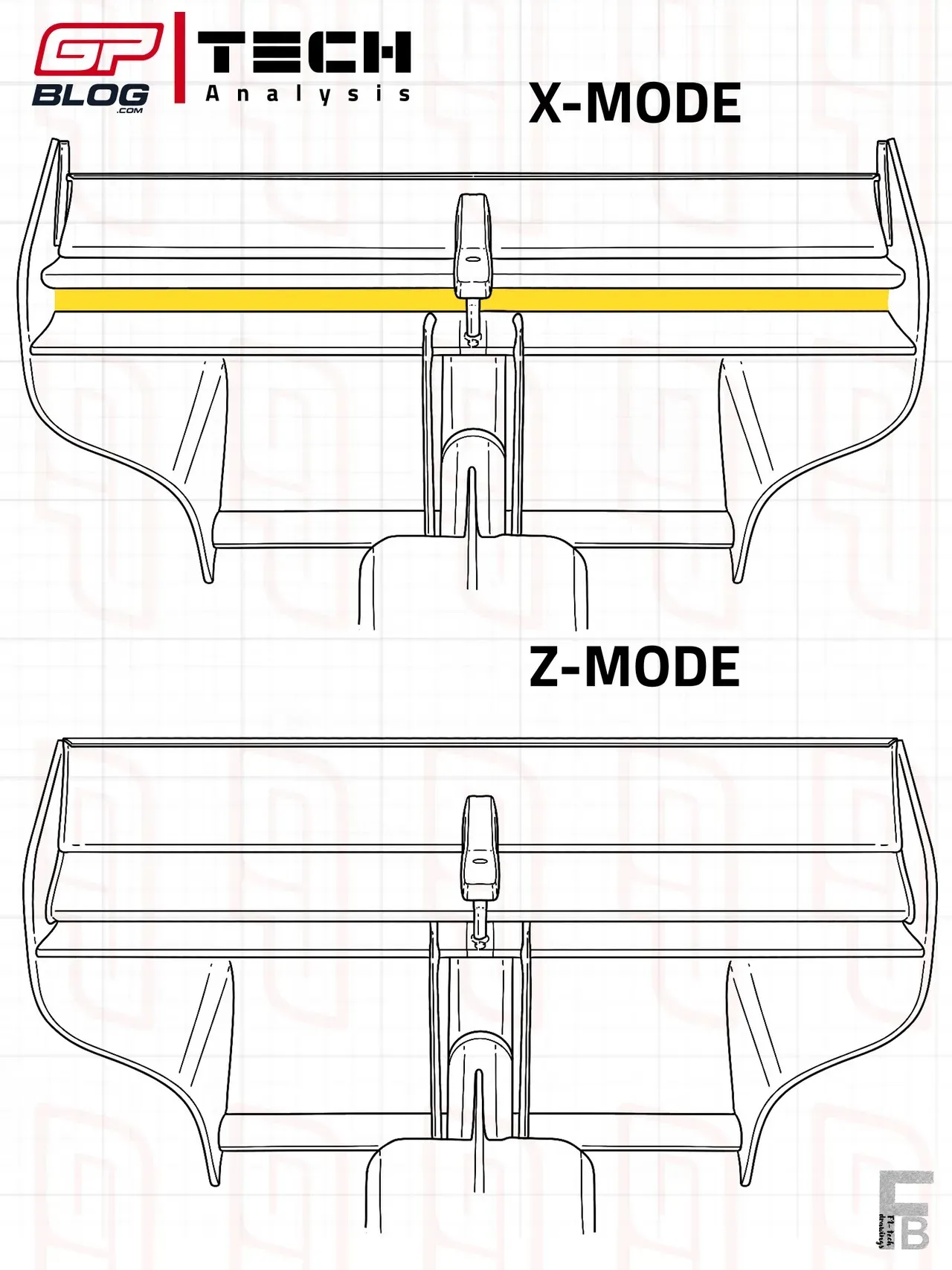
X-mode and Z-mode on the rear wing of a 2026 F1 car - Image: Francesco Bianchi
Through medium and slow-speed corners, instead, drivers will use the Z-mode, with both front and rear wing flaps closed to generate maximum downforce and grip to get through these sections.
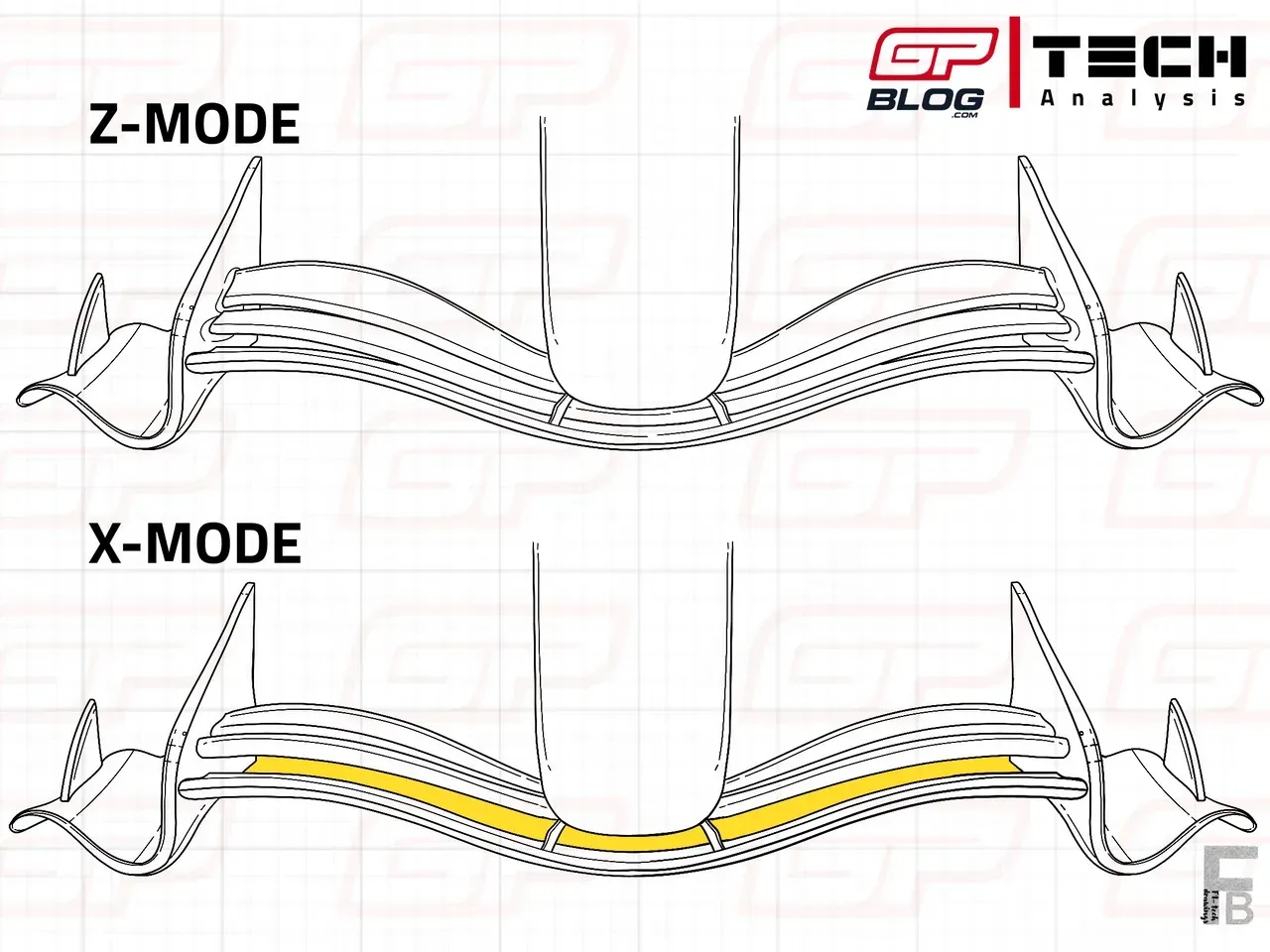
X-mode and Z-mode on the front wing of a 2026 F1 car - Image: Francesco Bianchi
ADVERTISEMENT
This aerodynamic solutions have been designed by the FIA to make cars quicker on the straights, favouring overtakes and close racing. Another reason to adopt these two different modes is that, with the battery depleting fast on low downforce circuits, there was the risk that drivers had to shift in the middle of the straight to recharge the battery.
With these two different mode, cars will reach higher top speed thanks to the less amount of drag produced, compensating for the loss of power coming from the battery.
Beyond this aspect, the flat floor will probably encourage all teams to shift back to the push-rod front suspension scheme, as it provides a better stability and a bigger working window for this generation of cars.
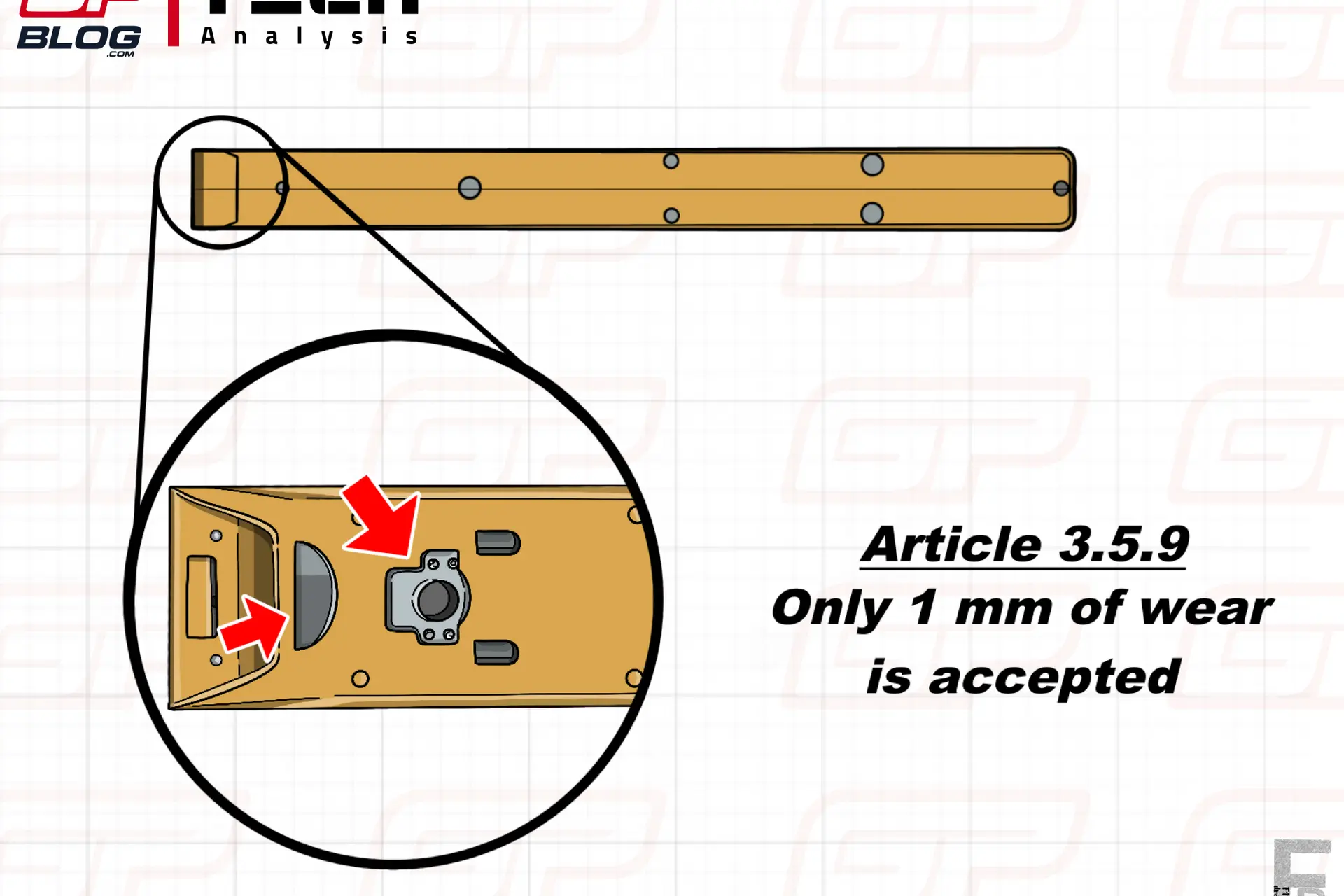
Thanks to the flat floor, in fact, engineers will adopt softer mechanical set-ups and more conservative ride heights, without risking to excessively wear the plank, as it happened during the ground-effect era.
ADVERTISEMENT
4. The car's size
For what concerns the car’s size, the FIA have decided to design smaller and lighter car for 2026, not only to make them more suitable to tight tracks and street circuits, but especially to make them more agile and more fun to drive for drivers.
The ground-effect cars had reached the absurd minimum weight of 798 kg, while this new generation of cars is set to have a minimum weight of 768 kg, even if it’s unsure that all teams will be within that limit for the Bahrain testing.
This choice is also a consequence of the smaller dimensions: the new cars will be 200mm shorter, with a wheelbase reduced to 3400mm and the width reduced to 1900mm from the previous 2000mm. The floor’s length has also been reduced by 150mm in the new generation of cars.
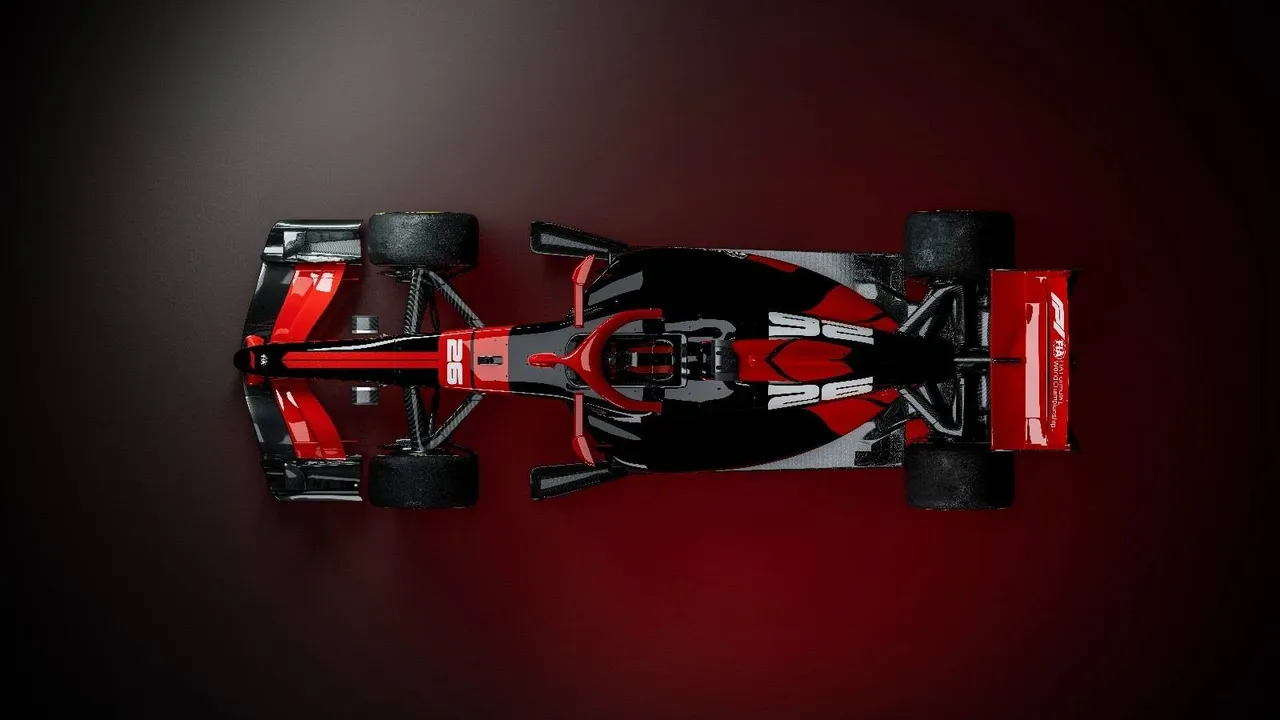
Rendering of the new 2026 F1 cars - Photo: F1
ADVERTISEMENT
Not only the bodywork will face major dimension changes, but also the tyres: while keeping 18-inch compounds, Pirelli’s 2026 front tyres will be 25mm narrower, and the rears will also be 30mm narrower compared to the current rear tyres. The FIA estimates that these cars will produce around 40% less than downforce than the ground-effect cars but will significantly improve the efficiency, with a reduction of the drag produced of almost 55%, making the cars quicker on the straights.
5. The brakes
Last but not least, new F1 cars will also feature some major changes to the brakes: due to the higher top speeds reached at the end of the straights, brakes will be fundamental to sufficiently slow the car down to tackle the apex of corners.
As a consequence, both Brembo and Carbon Industries (the two main suppliers in the F1 circus), will need to adapt their produces: the front brake rotors will have a diameter between 325mm and 345mm, while the rear’s diameter will vary between 260mm and 280mm.
All discs will need to have a maximum thickness of 34mm and, due to the importance of braking for energy recovering, most team will probably adopt bigger discs on the front axle and smaller on the rear axle.
In conclusion, everything is set for the shakedown of the new F1 cars at the Circuit de Barcelona-Catalunya in a couple of weeks, which will give fans a first taste of how these new cars will behave on track. The first real answers will however come from the two sessions of testing held in Bahrain (11-13 and 18-20 February), which will be a first showcase of these radical changes to the fastest cars in the world.
Read also




GPblog's F1 Paddock Update
Want to stay up-to-date with what happens in the F1 paddock? Then GPblog's F1 Paddock Update video is the perfect way to do it. Subscribe to GPblog's YouTube channel and turn on notifications to never miss the latest episodes.
Don't forget to follow us on Spotify as well!
Don’t miss GPblog in Google
Mark us as a preferred source and our articles will appear more often at the top of Top Stories.
Add as a preferred / source on Google