Why Lando Norris wants shorter grands prix: 'Rely on driving, not battery management'
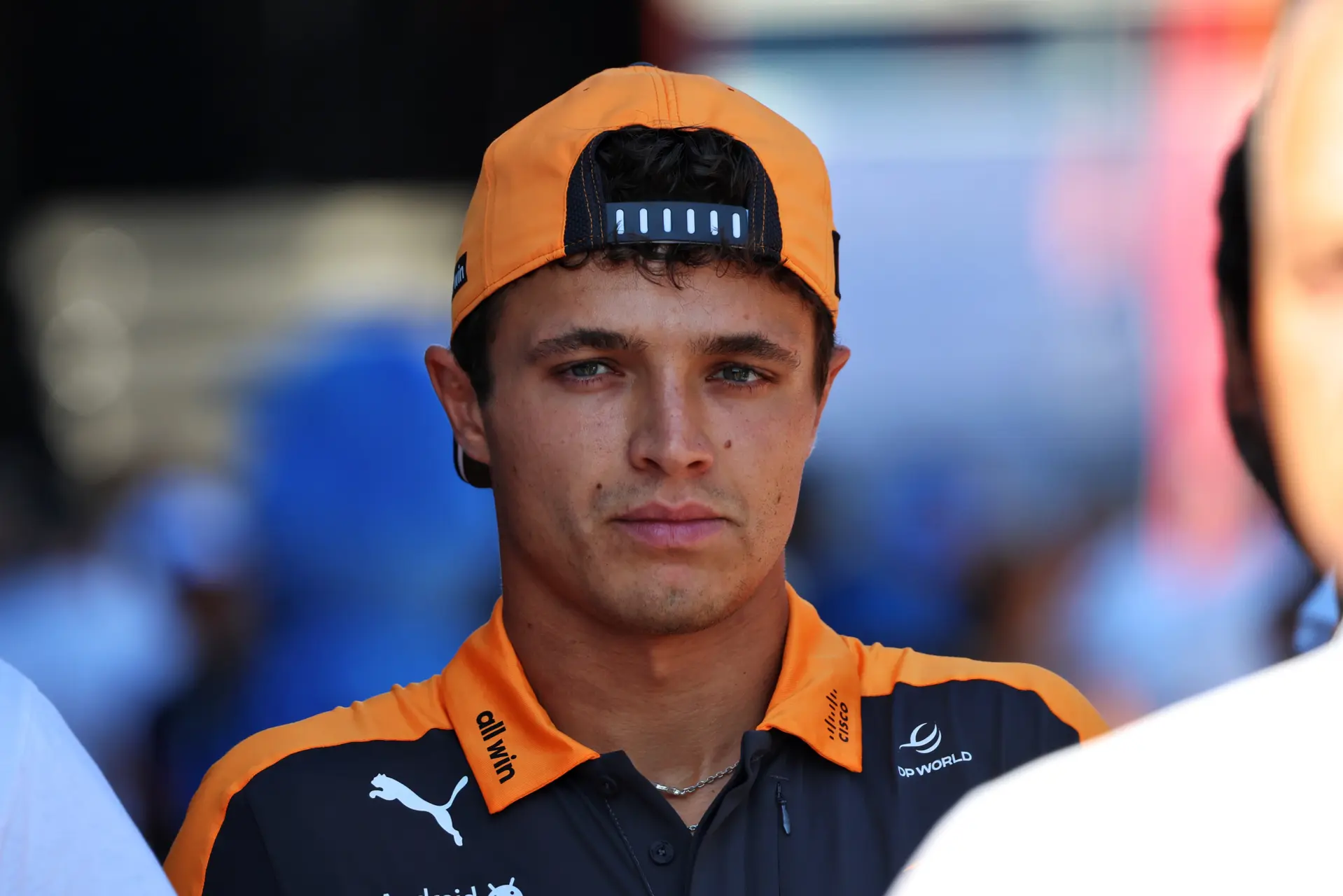
Norris fumed at his bad luck, but Mercedes think there was more to it (Photo: Race Pictures)
16:32, 23 Sep
0 Comments

Ben Hunt is an award-winning motorsport journalist with over two decades of experience in Formula 1 and international media. As a former editor-in-chief and bestselling author, he delivers in-depth analysis and strategic insight from the highest level of the sport.
McLaren star Lando Norris has backed proposals to shorten Formula 1 race distances, arguing that radical changes are essential to prevent modern grand prix racing from turning into an electrical conservation contest. Formula 1 bosses have weighed up trimming race lengths to better manage the extreme demands of next-generation hybrid battery systems and heavy electrical power deployment.
Under current and future hybrid frameworks, drivers increasingly face the frustrating task of managing state-of-charge figures rather than pushing machinery flat out from lights to flag. For Norris, trimming grand prix distances represents a vital and welcome trade-off that will shift the sporting spotlight back toward genuine driving talent rather than delicate system monitoring.
Speaking candidly on the debate, the British world champion explained why reducing distances is necessary to restore authentic wheel-to-wheel combat.
"It's not that you push harder," Norris said when evaluating the impact of shorter races. "I mean, you're just not having to think about the battery as often as you are this year, which is what we want as drivers. So it's a good compromise that we need to make to make our sport better and rely more on driving rather than who can look after a battery the best."
Battery management is not what F1 should be about
ADVERTISEMENT
Norris emphasised that excessive energy micromanagement directly conflicts with what grand prix racing should represent at elite level.
In his eyes, fans tune in to witness high-stakes battles where competitors push to the absolute edge, not cautious coasting dictated by dashboard readouts.
"This is not what this sport is about," Norris said ahead of the Azerbaijan GP. "It's about which drivers can extract the most from the car, and that's not what we're seeing this year. So, yeah, that's the compromise we have to make."
While motorsport purists may balk at tampering with the historic 300-kilometre grand prix distance that has defined the series for decades, Norris views the move as an effective short-term fix while engine technology continues to evolve.
He remains confident that once powertrain regulations mature, Formula 1 can seamlessly reintroduce traditional formats without sacrificing entertainment.
ADVERTISEMENT
"It's a short-term compromise, I think, in a few years' time," Norris noted regarding the future path of the championship. "Having more fuel again and having bigger tanks and all of that, then it's something we can go back to the longer races and the races that we've always had in Formula 1. But it's a compromise we have to make to suit all teams."
As discussions over race formats continue to divide opinion inside the paddock, Norris has delivered an unmistakable verdict to decision-makers: drivers want flat-out racing restored, even if it requires running shorter grands prix to achieve it.
Don’t miss GPblog in Google
Mark us as a preferred source and our articles will appear more often at the top of Top Stories.
Add as a preferred / source on GoogleRead more about:
latest news
Azerbaijan Grand Prix
Overview
Thursday 24.09.26
Practice 1
08:30 AM
Practice 2
12:00 PM
Friday 25.09.26
Practice 3
08:30 AM
Qualification
12:00 PM
Saturday 26.09.26
Race
11:00 AM
Thursday 24.09.26
Practice 1
Thu 08:30 AM
Practice 2
Thu 12:00 PM
Friday 25.09.26
Practice 3
Fri 08:30 AM
Qualification
Fri 12:00 PM
Saturday 26.09.26
Race
Sat 11:00 AM
Times are in your local timezone
Popular on GPBlog
1
Patrese delivers Ferrari reality check as Horner question takes centre stage
6081 times read

2
F1 Today | Wolff to miss Baku as Domenicali’s monster earnings come to light
3243 times read
3
Charles Leclerc says Lewis Hamilton Ferrari controversy has gone too far
2351 times read
4
No rain, no heat, but Baku weekend has another weather factor to watch
650 times read
F1-stand 2026
Season
| Pos. | Driver | Team | Points |
|---|---|---|---|
1 | MercedesMER | 292 | |
2 | MercedesMER | 211 | |
3 | FerrariFER | 191 | |
4 | McLarenMCL | 186 | |
5 | FerrariFER | 167 | |
6 | Red Bull RacingRBR | 145 | |
7 | McLarenMCL | 120 | |
8 | Red Bull RacingRBR | 71 | |
9 | Racing BullsRCB | 59 | |
10 | AlpineALP | 41 |
Loading