Russell's illegal Ferrari theory confirmed? Here's what Palmer's deep dive shows
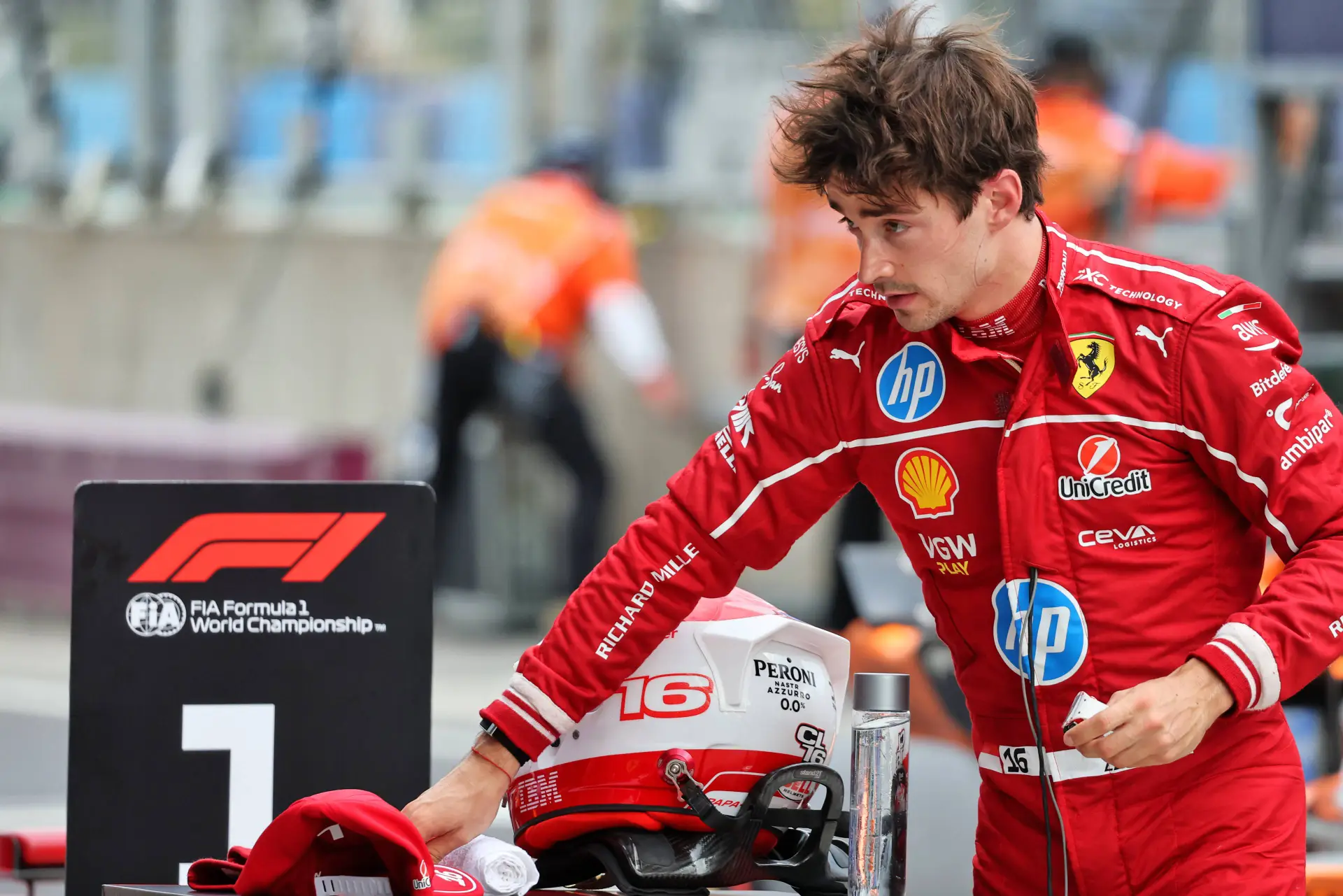
Charles Leclerc
Updated:
0 Comments

A filmmaker with a soft spot for Ronnie Peterson, Gilles Villeneuve, Mika Hakkinen and above all, Tazio Nuvolari and Ayrton Senna, is also a diehard Formula One fan since the age of 4 (mid-90's). An avid researcher of the past of Grand Prix Racing since before it was even named F1, and with a thirst for knowledge of the ins and outs of the actuality of the sport, as well as for the technical aspects that define it, is a member of GPblog since 2023, where he has put his love of racing to good use.
Jolyon Palmer believes Charles Leclerc’s sudden loss of pace in the final stint of the Hungarian Grand Prix could have come about due to three distinct scejnarios: Is George Russell's theory one of them?
“What could it possibly be for Leclerc, who said afterwards it was a chassis issue?” Palmer said on F1’s official channel during his habitual post-race debrief.
“We’re thinking it’s not anything to do with the power unit, and there are really three possibilities: some damage that he picked up, a front wing adjustment at the pit stop that was wrong, or whether Ferrari was on the absolute cusp of legality.”

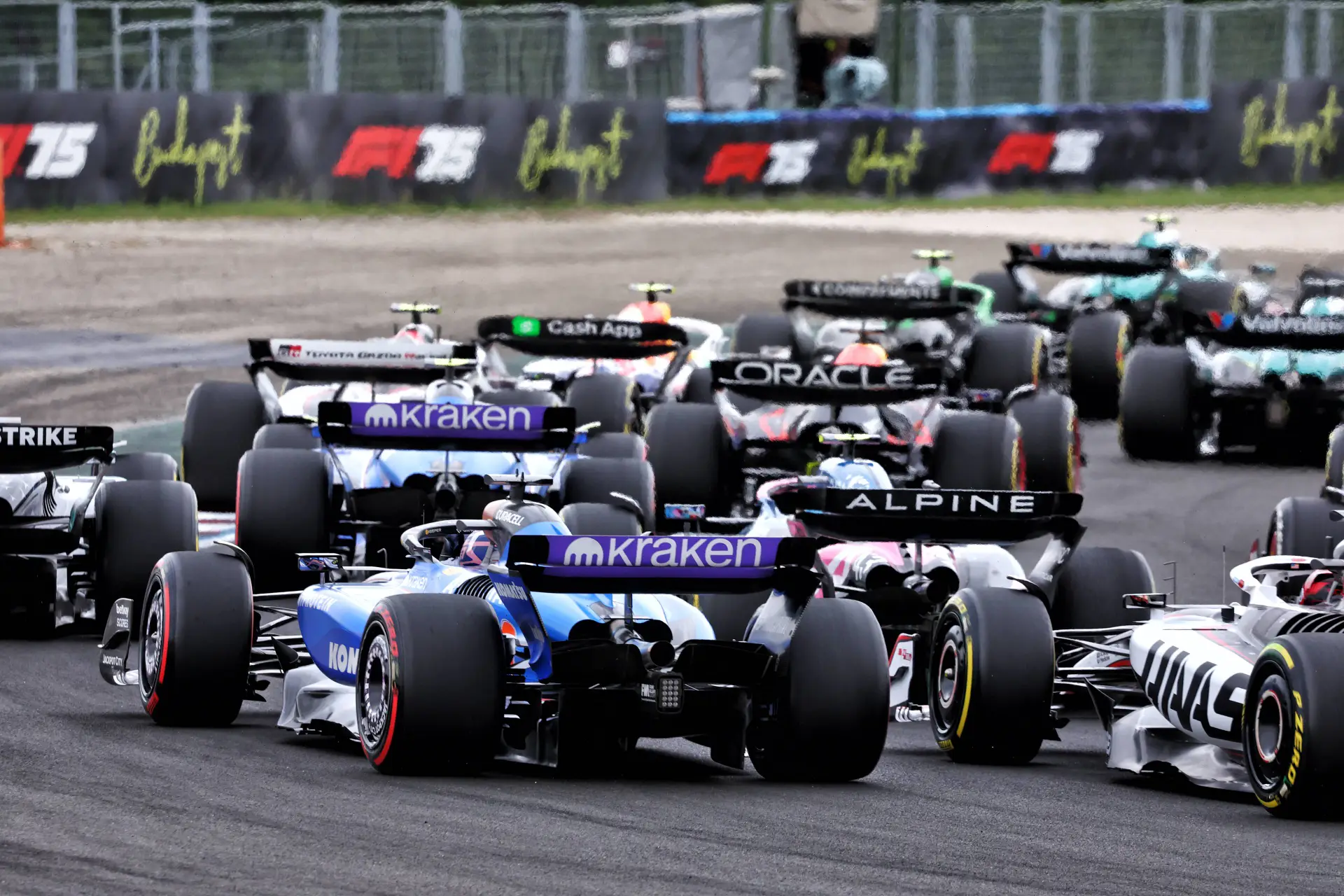
George Russell and Charles Leclerc in Hungary
'Russell's theory the most plausible', finds Palmer
ADVERTISEMENT
Palmer noted that Mercedes quickly suspected the latter, pointing to the risk of excessive plank wear.
“To me, that seems the most plausible, and the data is here,” he said.
Comparing Leclerc with George Russell, Palmer showed the Ferrari driver was quicker in the first two stints but “[the] final stint, it suddenly got horrific… he’s actually not miles away from being caught by Fernando Alonso.”
“On Lap 48, the final stint, Russell is now catching Leclerc. Ferrari is not using full energy deployment on the straight… and now he’s got no pace through the corners either,” Palmer explained.
Did Ferrari alter tyre pressures in Hungary to avoid disqualification?
ADVERTISEMENT
He believes the likely scenario is that Ferrari increased tyre pressures to raise ride height, sacrificing grip to protect legality.
“The only thing you can change in the pit stop is front wing angle, which they did change, or tyre pressures.
"Normally you’d never go higher than the Pirelli minimum… but if you did, you’d lift the floor of the car off the ground. It would make you really slow, but you’d be legal.”
“I’m sure Ferrari will know the answer to this already,” Palmer concluded.
“But I can see the logic for Ferrari… however, the pace was just too slow, and for poor Leclerc, he was defenceless and couldn’t even stand on the podium.”
ADVERTISEMENT


Don’t miss GPblog in Google
Mark us as a preferred source and our articles will appear more often at the top of Top Stories.
Add as a preferred / source on Google