Rosberg proposes multiple VSC changes to prevent future Norris-style setbacks
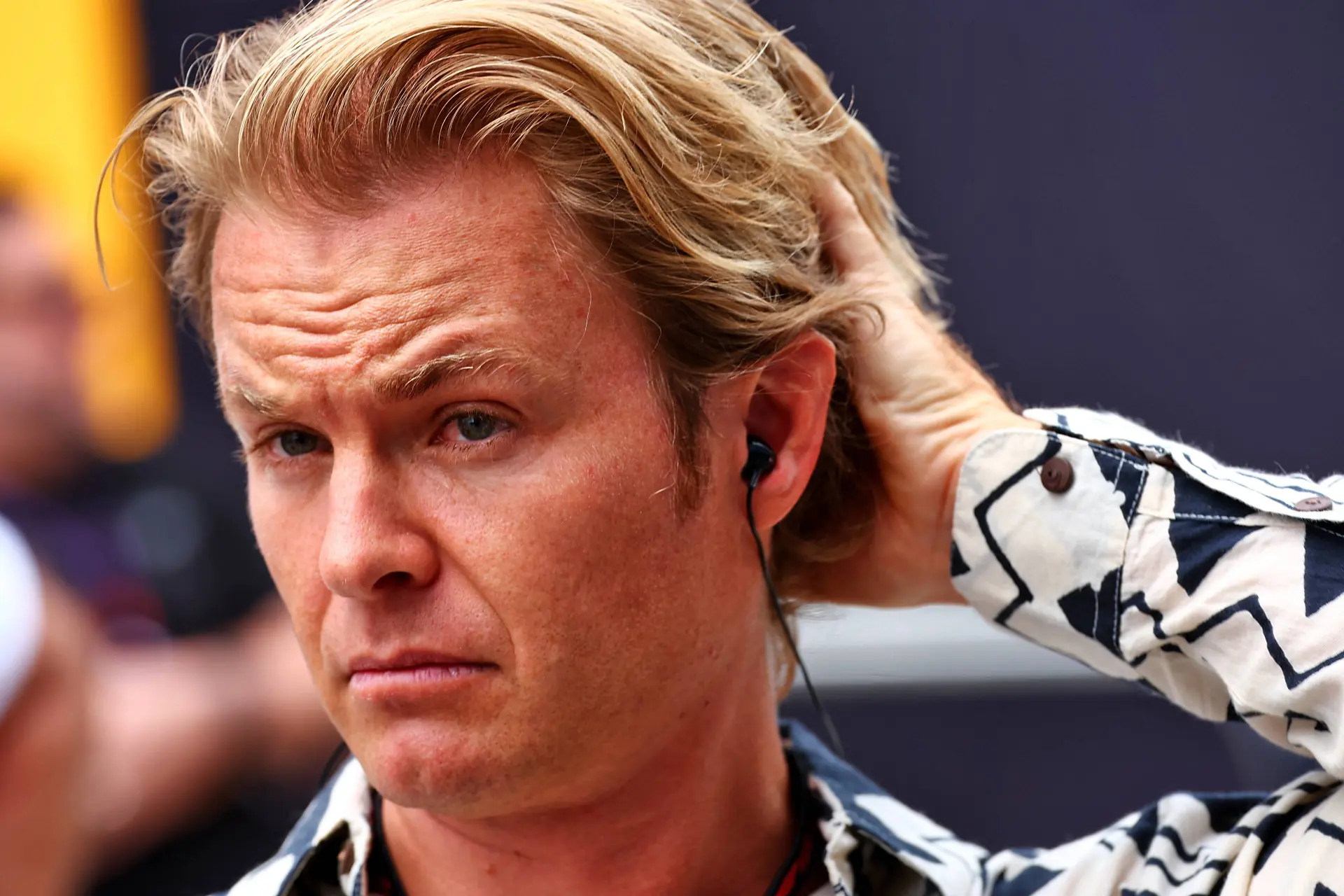
Photo: Race Pictures
16:01, 18 Sep
3 Comments
Tobia is a Formula 1 journalist at GPblog with experience at international circuits. Since 2022, he has covered Grands Prix across Europe, delivering reliable coverage and insights from the paddock.
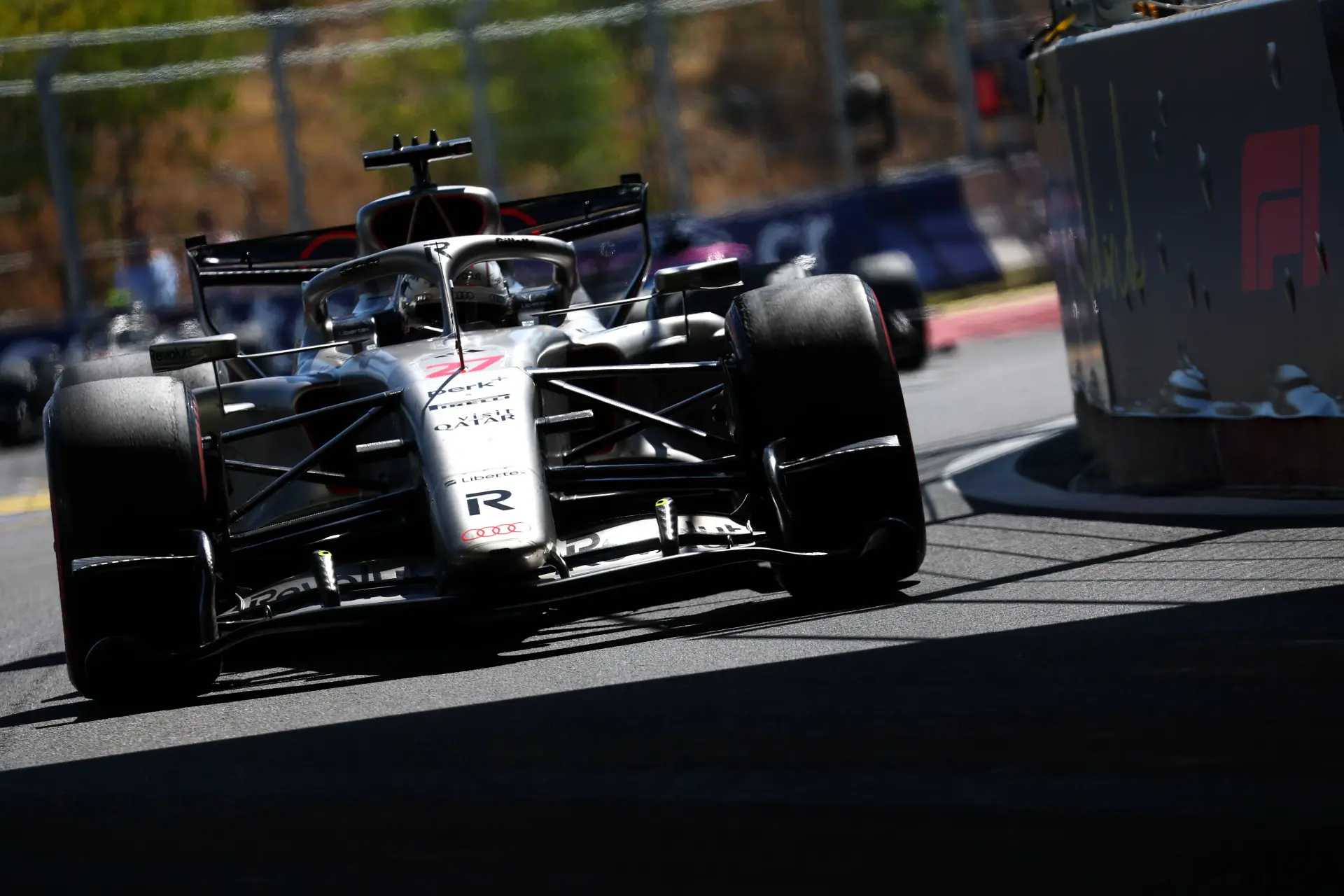
Nico Rosberg remains a supporter of the use of the Virtual Safety Car during Grands Prix as a way of avoiding the need to deploy the conventional Safety Car every time. However, the 2016 world champion has also proposed potential solutions to prevent controversies such as the one seen at the Madrid Grand Prix last weekend.
Lando Norris was the driver who lost out the most from the timing of the VSC in Madrid. The McLaren driver had already passed the pit entry when the neutralisation was triggered following Lance Stroll's stoppage, leaving him unable to take advantage of the reduced-speed conditions. His rivals were able to stop under the VSC and lose significantly less race time, with Norris paying the price for being in the wrong place at the wrong moment.
Speaking on the Sky F1 Show podcast, the former German driver backed the continued use of the Virtual Safety Car for incidents that can be resolved without fully neutralising the race. In Rosberg's view, the system remains a useful alternative to sending out the Safety Car, with Stroll's retirement in Madrid providing a recent example of a situation that only required a brief intervention.
At the same time, Rosberg acknowledged that the current rules can have a major impact on strategy depending on when the VSC is deployed. To make such situations less influential on the outcome of a race, the 2016 world champion raised the possibility of changing the rules surrounding pit stops, either by restricting access to the pit lane or adjusting the speed drivers are allowed to maintain while passing through it.

Photo: Race Pictures
ADVERTISEMENT
"We hate seeing cars going round and round behind a safety guard. It's the most boring thing in the world of motorsports. And that's why VSC has been brought in so that we can reduce speed out there for minor dangers. Like now in the case of Lance Stroll, because he was almost out the way. It just took a little bit of time to clear him out, and that was it.
"I think VSCs still are a great thing. Those are good ideas, which might be worth re exploring. Either the pit lane stays closed during VSC, that then doesn't give anybody the opportunity to take an advantage during it. Or even why not something like during VSC, the pit lane speed limit gets reduced massively so that because it's all about the time lost during a pit stop."
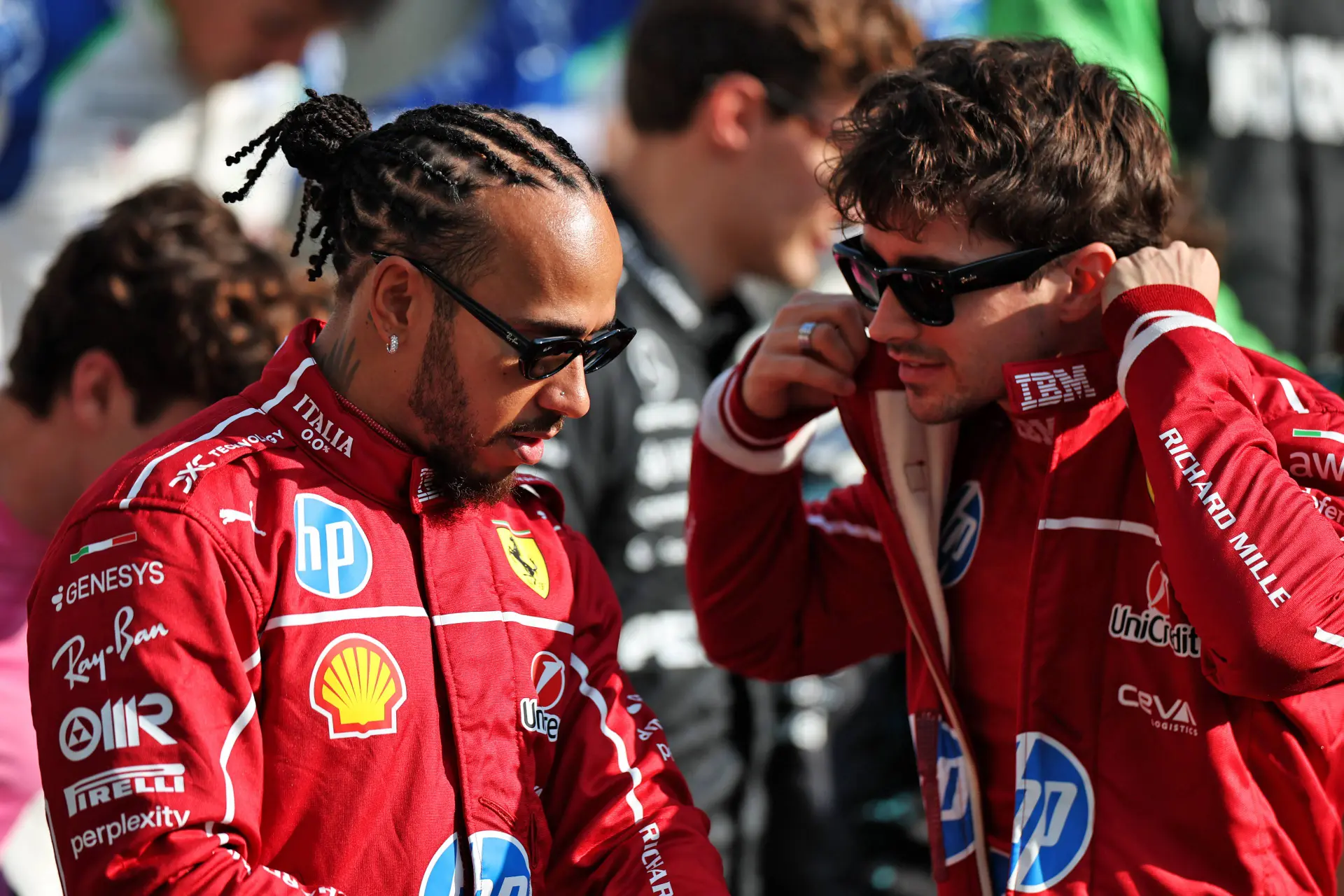
Rosberg also added that the main issue lies in the strategic advantage created by making a pit stop under VSC conditions. With the cars on track travelling at a reduced speed, drivers who enter the pits lose considerably less time than they would under normal racing conditions. The German therefore believes the regulations could be adjusted to make the time loss more comparable in both situations, creating a more level playing field for all drivers.
"The problem is during VSC, the pit stop time lost is so much less because everybody on track is driving past so slowly. So by going in the pits, you lose a lot less race time. And that is the big problem why then it becomes unfair. But if you somehow find a way to make the pit stop time lost, during VSC As much time lost as when there's no VSC. So you need to somehow slow people down who are going for the pit stop. That could be an idea, for example. So then it's all fair and equal for everybody again."
ADVERTISEMENT
Norris revives old driver proposal after costly Madrid VSC blow
Norris himself, speaking to Sky Sports, revived a proposal that had already been discussed in previous drivers' briefings as a possible way of making VSC periods fairer. The McLaren driver argued that the neutralisation should remain in place for at least one full lap after being deployed, ensuring that every driver has the opportunity to react before racing resumes.
The Brit believes the current system can have a significant impact on a Grand Prix simply because of where a driver happens to be on the circuit when the VSC is activated. That was the case in Madrid, where he was unable to benefit from the reduced time loss associated with pitting under VSC conditions while his rivals could. Norris estimated that the timing of the intervention cost him around 20 seconds of race time and ultimately played a major role in his fight for victory.
Read also
ADVERTISEMENT
Don’t miss GPblog in Google
Mark us as a preferred source and our articles will appear more often at the top of Top Stories.
Add as a preferred / source on GoogleRead more about:
latest news
Azerbaijan Grand Prix
Overview
Thursday 24.09.26
Practice 1
08:30 AM
Practice 2
12:00 PM
Friday 25.09.26
Practice 3
08:30 AM
Qualification
12:00 PM
Saturday 26.09.26
Race
11:00 AM
Thursday 24.09.26
Practice 1
Thu 08:30 AM
Practice 2
Thu 12:00 PM
Friday 25.09.26
Practice 3
Fri 08:30 AM
Qualification
Fri 12:00 PM
Saturday 26.09.26
Race
Sat 11:00 AM
Times are in your local timezone
Popular on GPBlog
1
McLaren makes decision on Norris' participation in the 24 Hours of Le Mans
3779 times read
2
Herta considers return to US as F1 dream slips further away
1793 times read
3
Azerbaijan GP schedule: why the race is a day earlier
1076 times read
4
F1 Today | Hamilton takes to social media to react to Ferrari rumors
904 times read
F1-stand 2026
Season
| Pos. | Driver | Team | Points |
|---|---|---|---|
1 | MercedesMER | 292 | |
2 | MercedesMER | 211 | |
3 | FerrariFER | 191 | |
4 | McLarenMCL | 186 | |
5 | FerrariFER | 167 | |
6 | Red Bull RacingRBR | 145 | |
7 | McLarenMCL | 120 | |
8 | Red Bull RacingRBR | 71 | |
9 | Racing BullsRCB | 59 | |
10 | AlpineALP | 41 |
Loading