FIA makes key changes to restore flat-out runs in Japanese GP qualifying
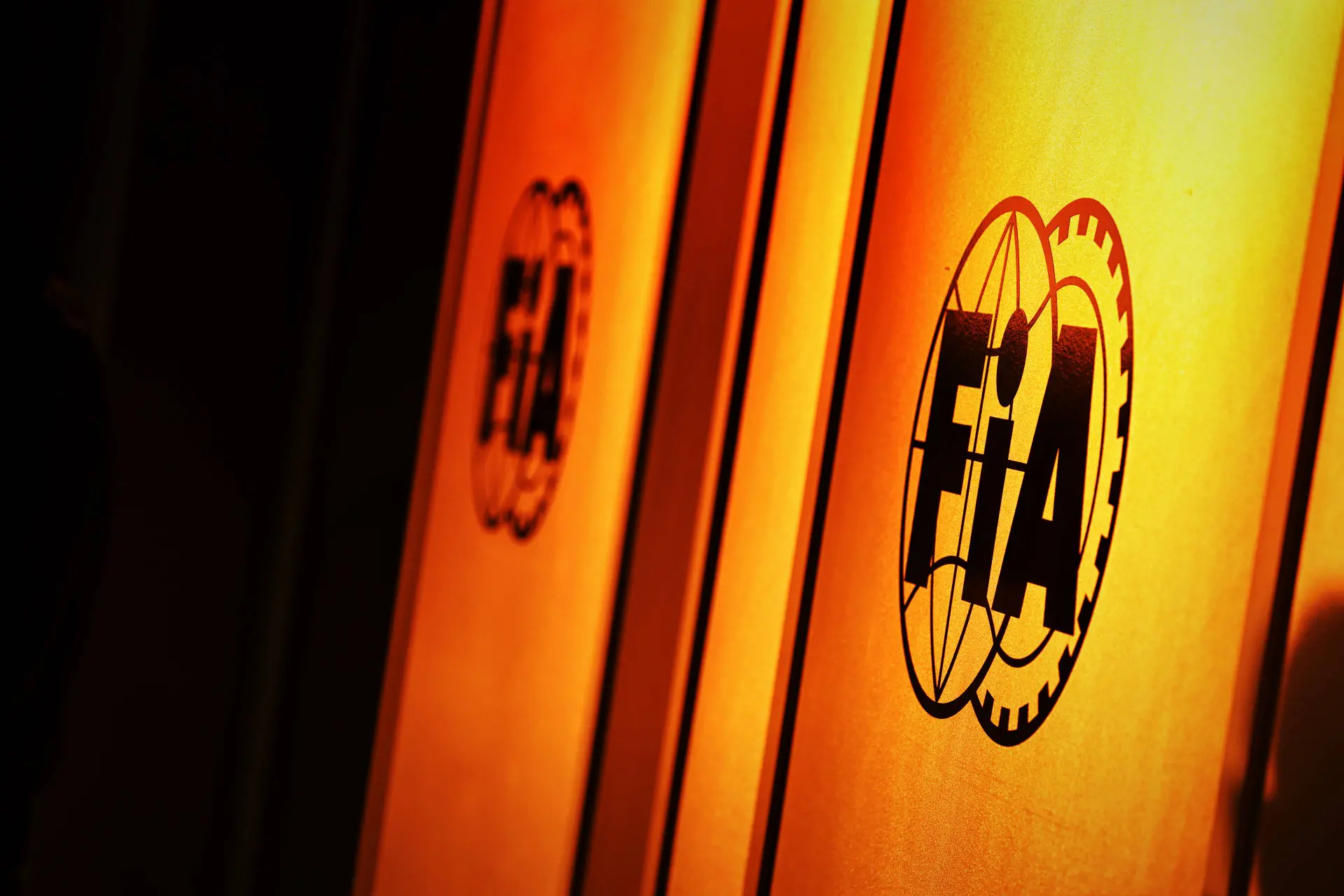
Photo: Race Pictures
Updated: 06:30, 26 Mar
2 Comments
Tobia is a Formula 1 journalist at GPblog with experience at international circuits. Since 2022, he has covered Grands Prix across Europe, delivering reliable coverage and insights from the paddock.
The FIA has confirmed that changes will be introduced to qualifying in Japan in a bid to address the clipping issues seen in the opening two races.
| Key point | Summary |
| Energy tweak agreed | FIA, teams and power unit manufacturers unanimously approved a qualifying adjustment for the Japanese GP |
| Recharge reduced | Maximum energy recharge cut from 9.0 MJ to 8.0 MJ to better balance deployment and driver performance |
| Ongoing refinement | Change follows driver feedback, with further discussions planned as 2026 rules continue to be optimised |
One of the main concerns raised by drivers between Melbourne and Shanghai has been the need to manage energy even in qualifying – traditionally the one session where an F1 car is pushed to its absolute limit.
Instead, both in China and especially in Australia, drivers were seen abruptly lifting off on the straights to harvest energy, a tactic that ultimately made them quicker over a lap but sparked clear frustration across the grid.
In response, the FIA has confirmed a tweak for this weekend, stating that the maximum permitted energy recharge in qualifying has been reduced from 9.0 MJ to 8.0 MJ following feedback from teams and drivers.
ADVERTISEMENT
Photo: Race Pictures
Read also
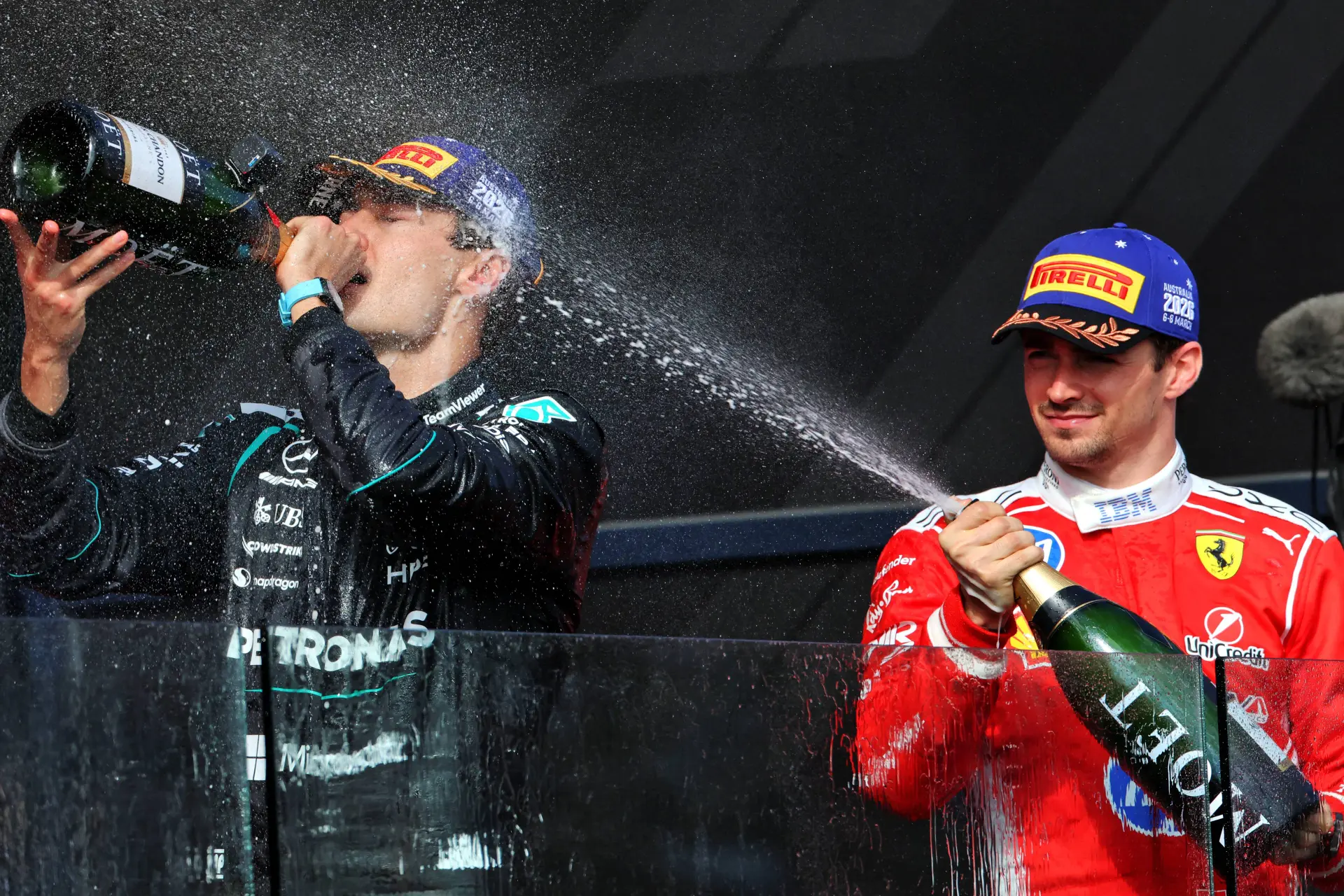
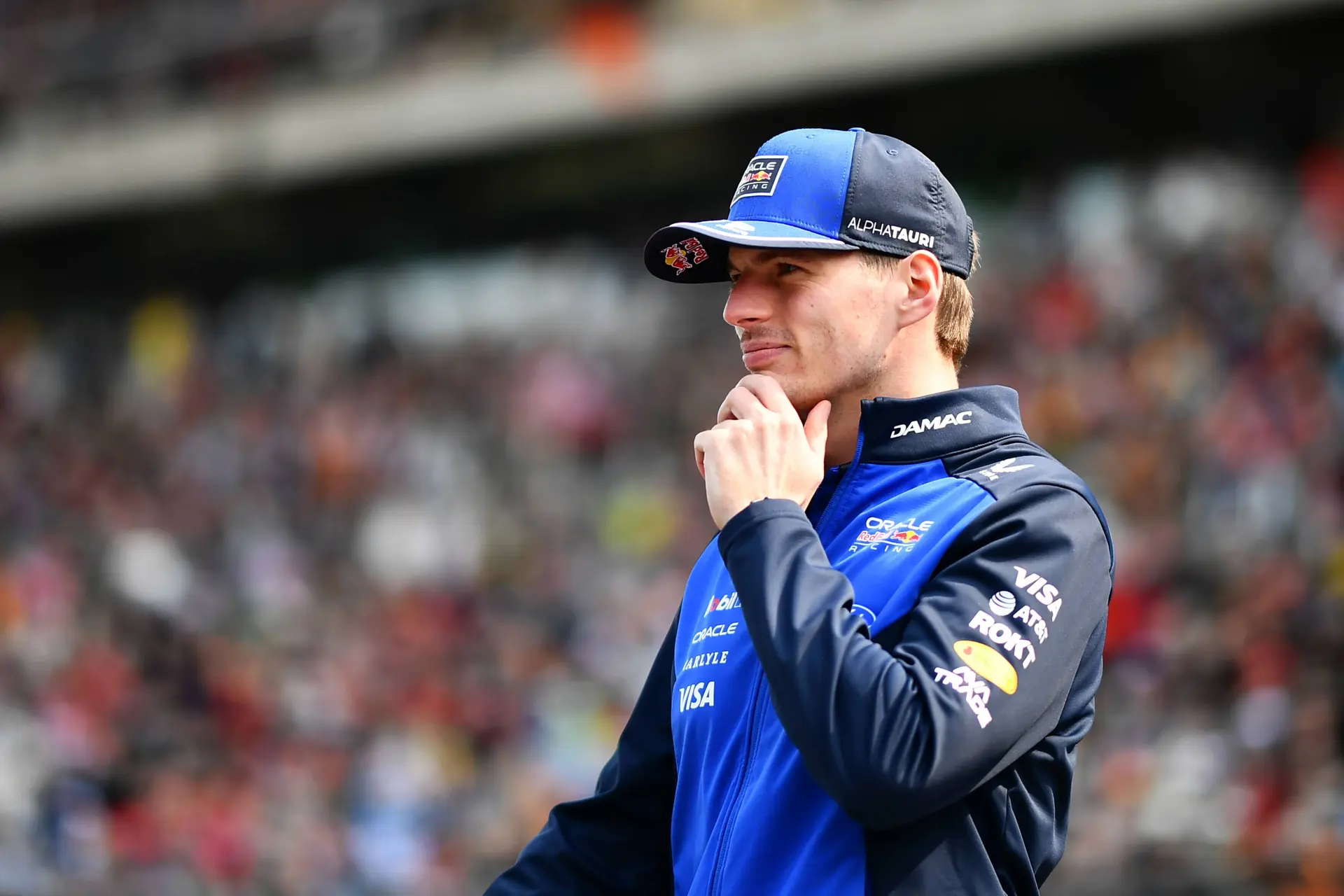

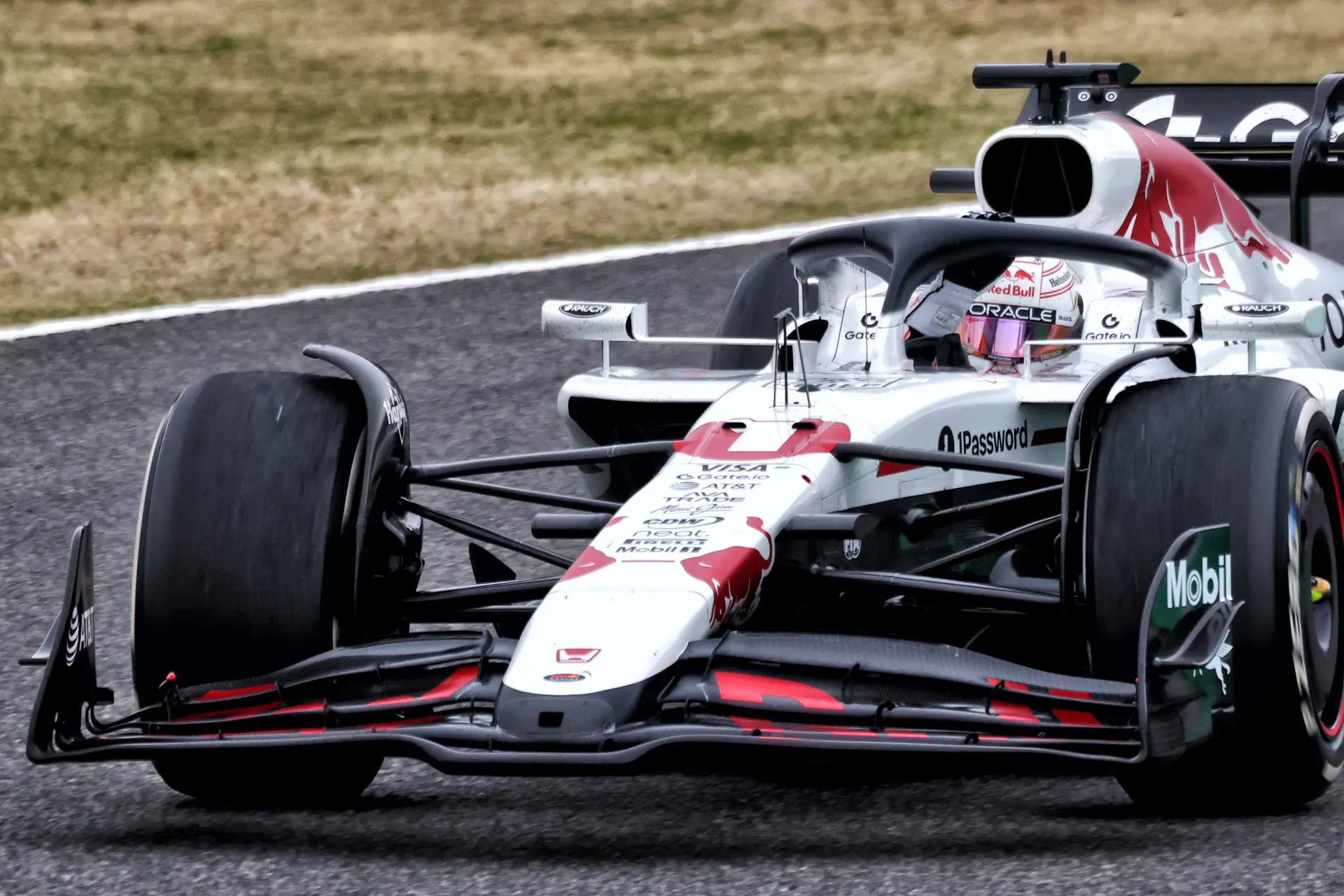
FIA acts on driver concerns with Japan qualifying tweak
"Following discussions between the FIA, F1 teams and Power Unit Manufacturers, a minor adjustment to the energy management parameters for Qualifying at the Japanese GP has been agreed with the unanimous support of all Power Unit Manufacturers,” the statement reads.
"To ensure that the intended balance between energy deployment and driver performance is maintained, the maximum permitted energy recharge for Qualifying this weekend has been reduced from 9.0 MJ to 8.0 MJ.
ADVERTISEMENT
"This adjustment reflects feedback from drivers and teams, who have emphasised the importance of maintaining Qualifying as a performance challenge.
"The FIA notes that the first events under the 2026 Regulations have been operationally successful, and this targeted refinement is part of the normal process of optimisation as the new regulatory framework is further validated in real-world conditions.
"The FIA, together with F1 teams and Power Unit Manufacturers, continues to embrace evolutions to energy management, with further discussions scheduled in the coming weeks.”
ADVERTISEMENT
Don’t miss GPblog in Google
Mark us as a preferred source and our articles will appear more often at the top of Top Stories.
Add as a preferred / source on GoogleRead more about:
latest news

Bahrain Grand Prix
Overview
Friday 02.10.26
Practice 1
04:30 AM
Practice 2
08:00 AM
Saturday 03.10.26
Practice 3
04:30 AM
Qualification
08:00 AM
Sunday 04.10.26
Race
07:00 AM
Friday 02.10.26
Practice 1
Fri 04:30 AM
Practice 2
Fri 08:00 AM
Saturday 03.10.26
Practice 3
Sat 04:30 AM
Qualification
Sat 08:00 AM
Sunday 04.10.26
Race
Sun 07:00 AM
Times are in your local timezone
Rumors
Popular on GPBlog

1
FIA reaches verdict on Hadjar as rival is hit with time penalty
4195 times read
2
F1 Today | Russell beats Verstappen to Baku win, Hamilton responds to Horner rumours
3189 times read

3
Leclerc may have said too much on new Ferrari engine in Baku
2567 times read

4
Hadjar summoned after Baku GP as FIA calls up two more drivers
2175 times read
F1-stand 2026
Season
| Pos. | Driver | Team | Points |
|---|---|---|---|
1 | MercedesMER | 302 | |
2 | MercedesMER | 236 | |
3 | FerrariFER | 199 | |
4 | McLarenMCL | 186 | |
5 | FerrariFER | 179 | |
6 | Red Bull RacingRBR | 163 | |
7 | McLarenMCL | 120 | |
8 | Red Bull RacingRBR | 86 | |
9 | Racing BullsRCB | 59 | |
10 | AlpineALP | 41 |
Loading