F1 driver identifies serious concerns over 'strange' problem with new 2026 cars
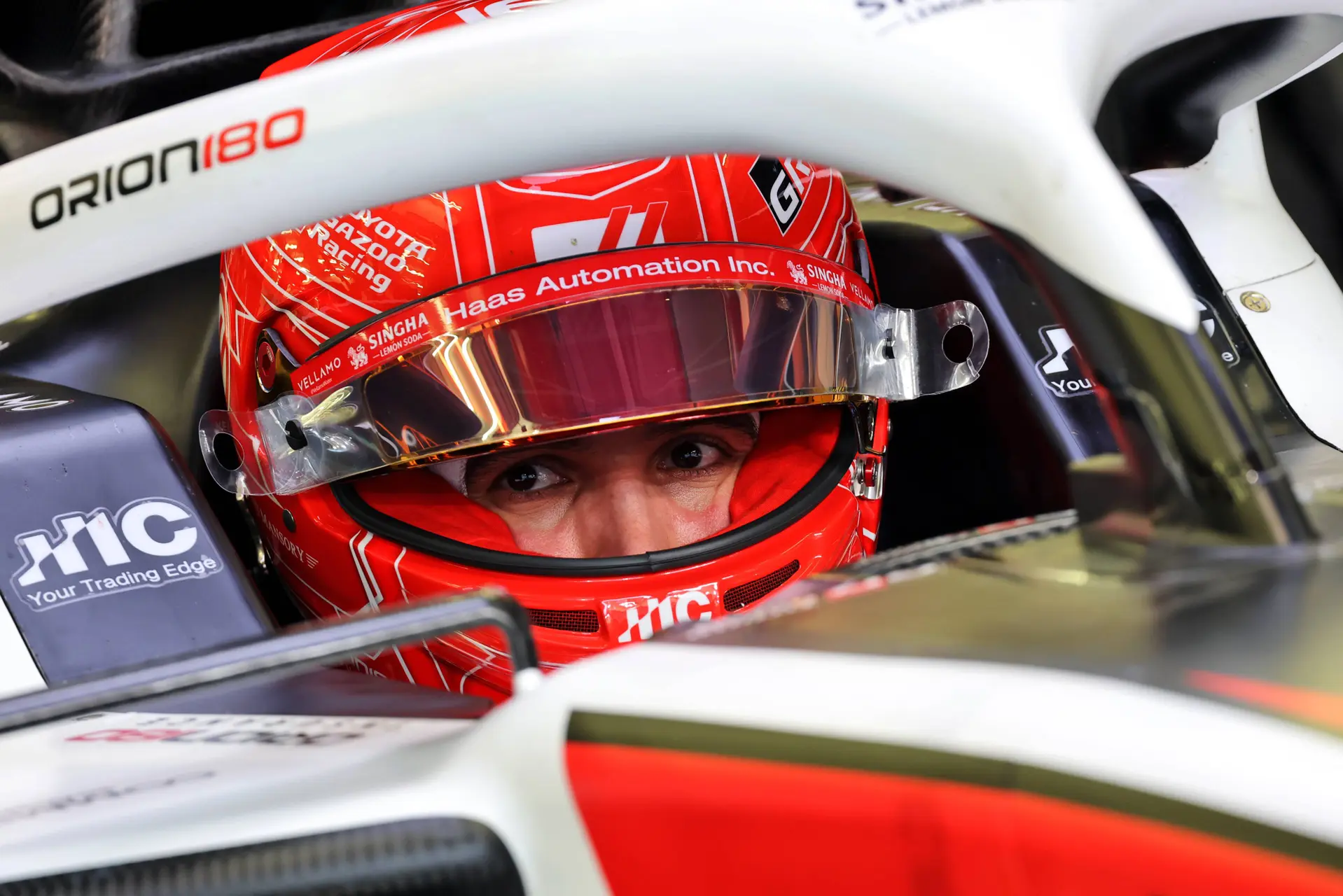
Photo: Race Pictures

Tobia is a Formula 1 journalist at GPblog with experience at international circuits. Since 2022, he has covered Grands Prix across Europe, delivering reliable coverage and insights from the paddock.
Esteban Ocon has highlighted some of the headaches the new generation of cars has created when it comes to race starts.
“It wouldn’t be nice, I think, for the top three to be waiting something like one minute and 30 seconds before the cars stop”- Esteban Ocon
Ocon sounds alarm on race starts with new F1 cars
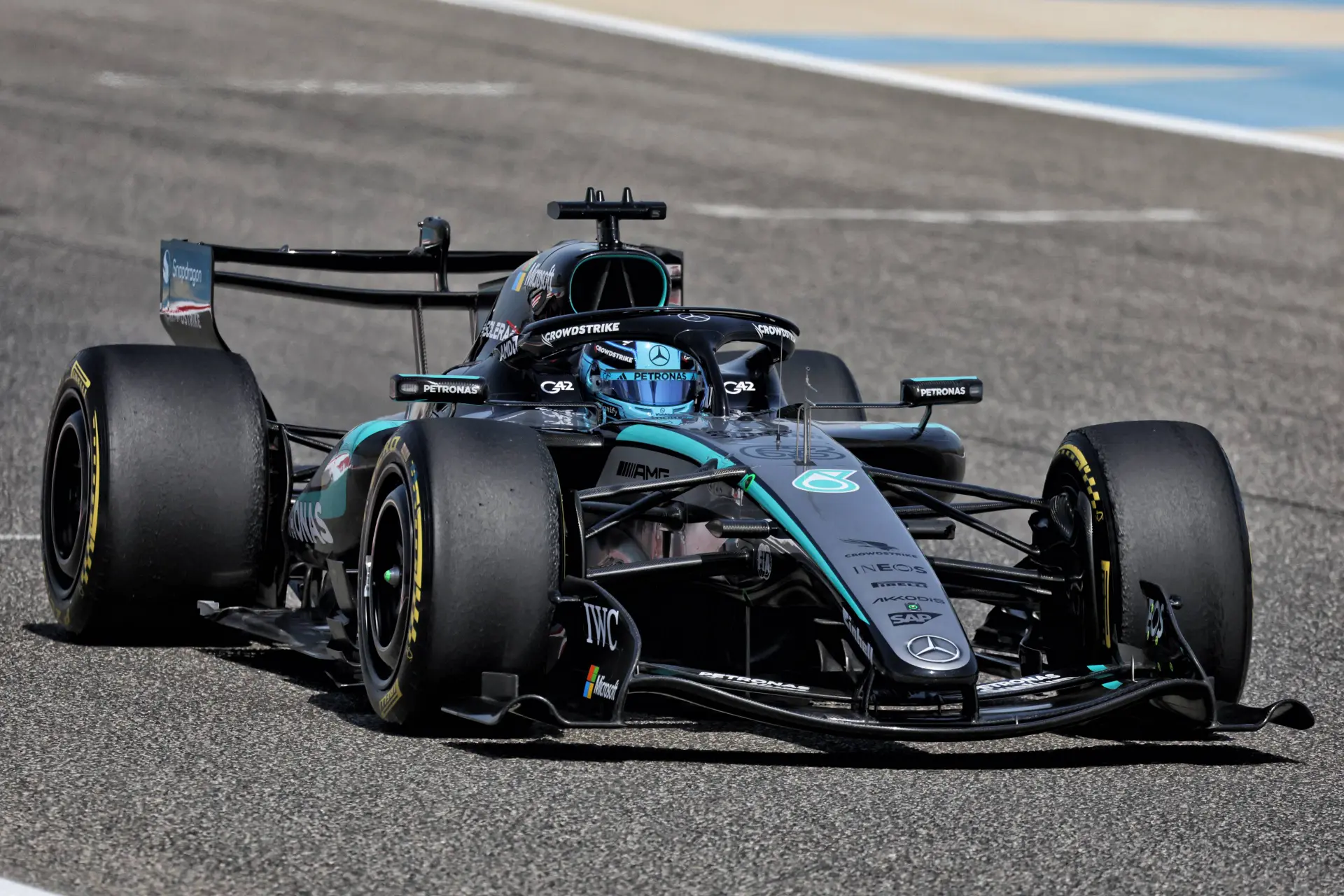
Race starts became a central talking point during the Bahrain tests, with several cars caught on camera taking a long time before releasing the clutch and getting away. All of this stems from the removal of the MGU-H, which has forced drivers to wait significantly longer to reach the ideal engine revs before launching.
Speaking to GPblog among other media in Sakhir, the Haas driver believes race starts will create significant differences this year with the return of turbo lag, adding that work is already underway to find solutions.
ADVERTISEMENT
“We are obviously working on that with the team. It’s clear that turbo lag is a very big topic, but we have to adapt to what the rules are. It wouldn’t be nice, I think, for the top three to be waiting something like one minute and 30 seconds before the cars stop, heading into Turn 1 with cold tyres.
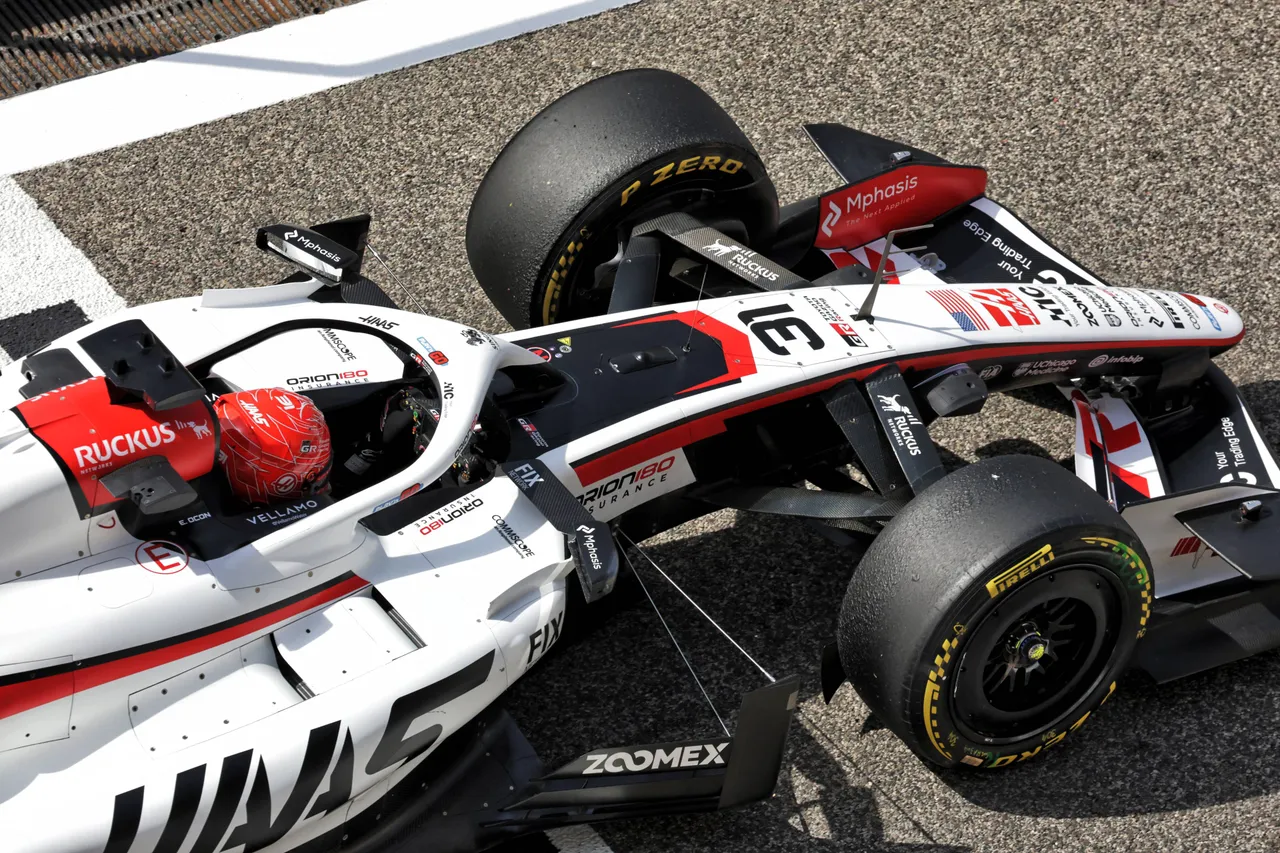
Photo: Race Pictures
“You’re going to see a lot more struggling at the start and far bigger differences compared to previous years, where the worst start was losing one or two positions, now you can lose the whole lot.
“We’re improving it step by step and it’s still early days, but unfortunately this isn’t the best track to practise starts either because the grip is very low. It’s very strange, but I think it’s the same for everyone.”
Russell tips Ferrari power unit to master F1 2026’s hottest talking points
ADVERTISEMENT
Starts have quickly emerged as one of the key discussion points from the Bahrain tests, with onboard footage showing the latest generation of cars taking noticeably longer to build revs before the clutch can be dropped and the launch properly executed.
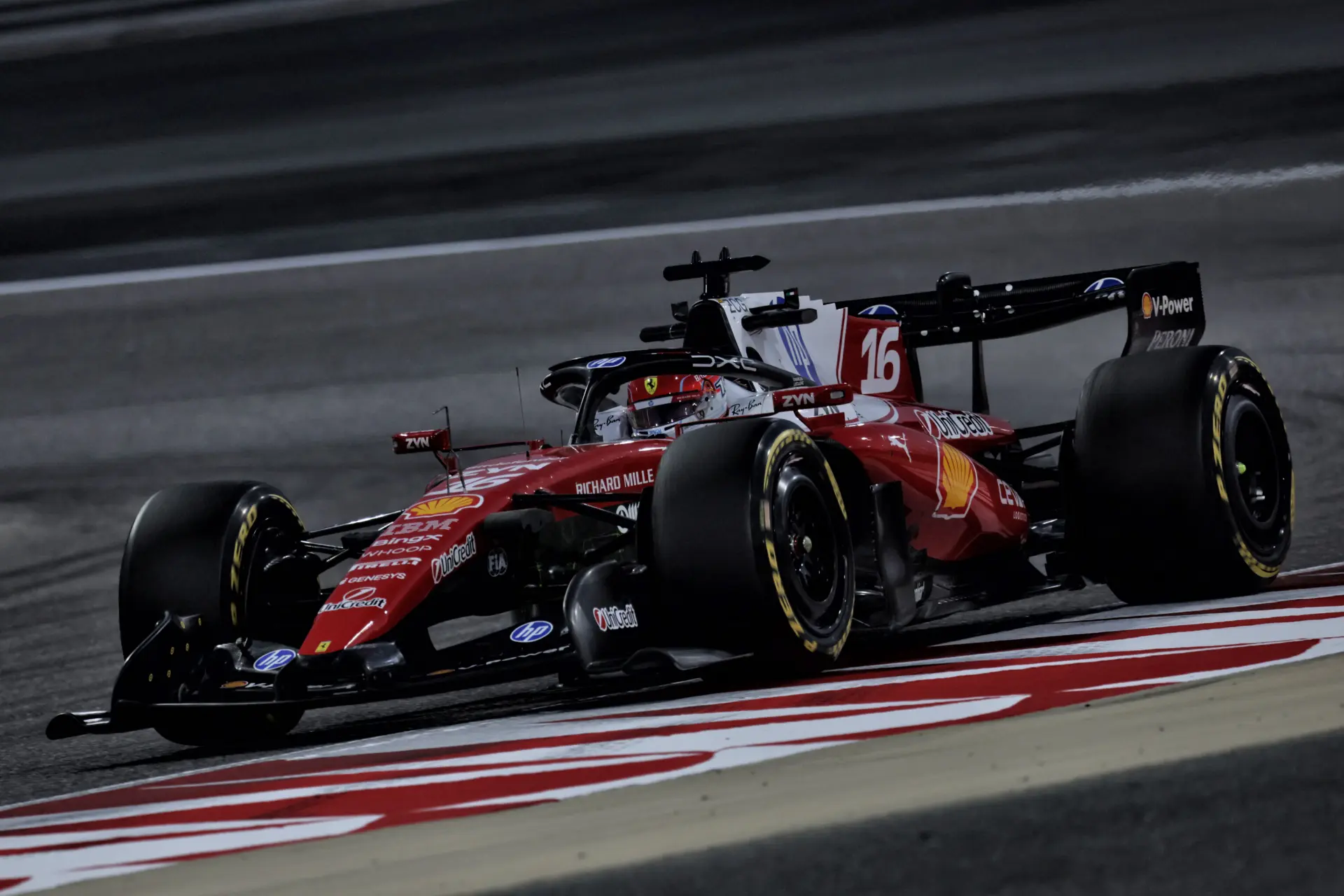
With the MGU-H no longer part of the power unit, the turbo now requires additional time to spool up into its optimal operating range, inevitably prolonging the entire start sequence. Speaking to GPblog among other media, George Russell suggested that this characteristic could work in Ferrari’s favour, particularly due to the specific configuration of its turbo size.
Don’t miss GPblog in Google
Mark us as a preferred source and our articles will appear more often at the top of Top Stories.
Add as a preferred / source on Google