The three unanswered questions the final Bahrain test aims to resolve
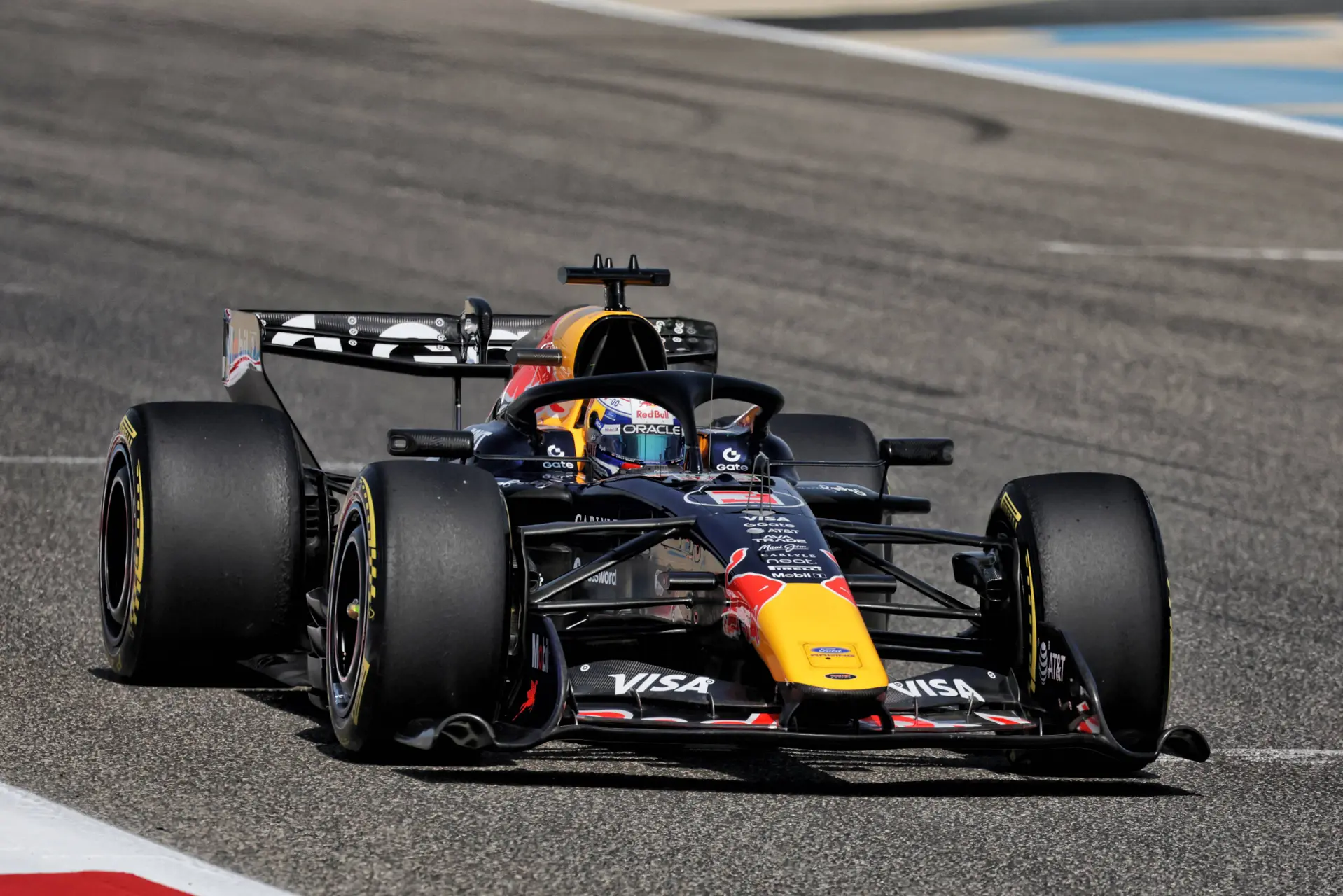
Photo: Race Pictures

Tobia is a Formula 1 journalist at GPblog with experience at international circuits. Since 2022, he has covered Grands Prix across Europe, delivering reliable coverage and insights from the paddock.
The final Bahrain test that will bring the pre-season to a close kicks off in Bahrain and will offer us the chance to get some real answers from the track.
Just three days of testing stand between now and the 2026 season-opening Australian GP in Melbourne, meaning teams have limited chances of refining their cars and development before the season kicks off.
But before the focus fully turns to Melbourne, there is still plenty of work to be done on cars that, while impressive in terms of reliability during the previous sessions, have also exposed a number of weaknesses that have raised more than a few concerns throughout the paddock.
Energy deployment is an area teams and drivers will inevitably have to learn to live with. As first pointed out by Toto Wolff, Red Bull appear to have an edge in this respect, showing a superior ability to manage and recover energy more efficiently than their rivals.
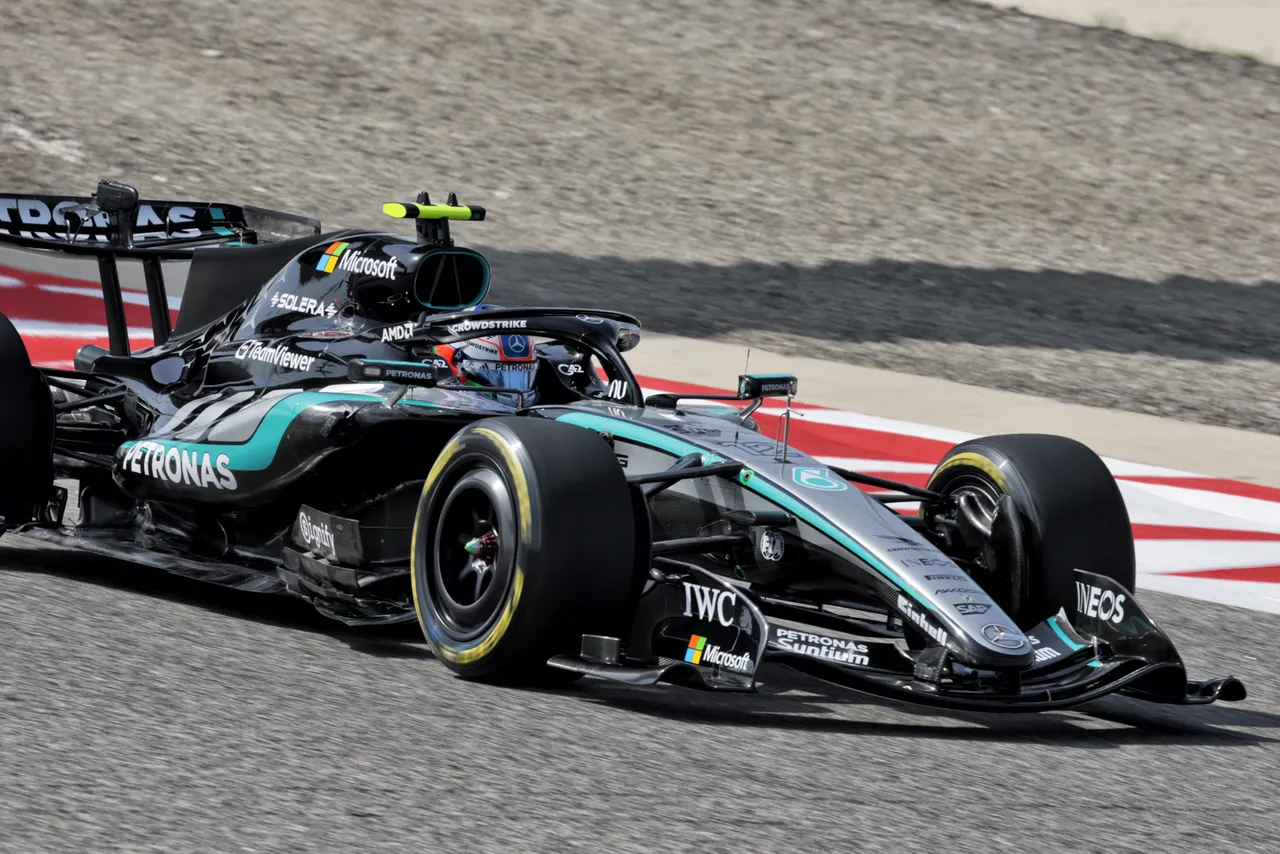
Photo: Race Pictures
ADVERTISEMENT
Will F1 teams finally start to show their hand?
Almost all teams focused on a wide range of areas during the first three days of last week’s session, including their initial race simulations, but genuine qualifying laps in full time-attack mode have yet to be revealed.
Kimi Antonelli was the outright benchmark over the first three days, setting a best time of 1:33.669 — more than four seconds slower than last year’s fastest lap, which was recorded by Carlos Sainz in a Williams.
It is reasonable to expect that, after analysing data gathered from hundreds upon hundreds of laps, teams will now want to start pushing reliability in conditions that are much closer to race scenarios, while also getting a clearer picture of what these cars are truly capable of over a qualifying lap.
Who is really the benchmark?
ADVERTISEMENT
Over the course of last week, during the various media sessions held alongside the on-track action, the topic was passed around as to which team had the quickest package with each pointing the figure in other directions.
It was Wolff who got the ball rolling, deflecting attention towards Red Bull by playing down any notion of Mercedes starting the season as favourites. Instead, he pointed to Red Bull as the clear benchmark at this stage, particularly when it comes to energy deployment.
A similar game followed elsewhere, with Ferrari and McLaren subtly shifting expectations back and forth between themselves. Among the leading teams, there appears to be a collective effort to avoid the favourite tag at all costs — even if, at this point, drawing up a definitive pecking order remains an almost impossible task.
In testing, it only takes a small variable — such as a few extra kilos of ballast or slightly more or less fuel on board — to completely distort a car’s apparent competitiveness, making the game of hide-and-seek far easier to play.
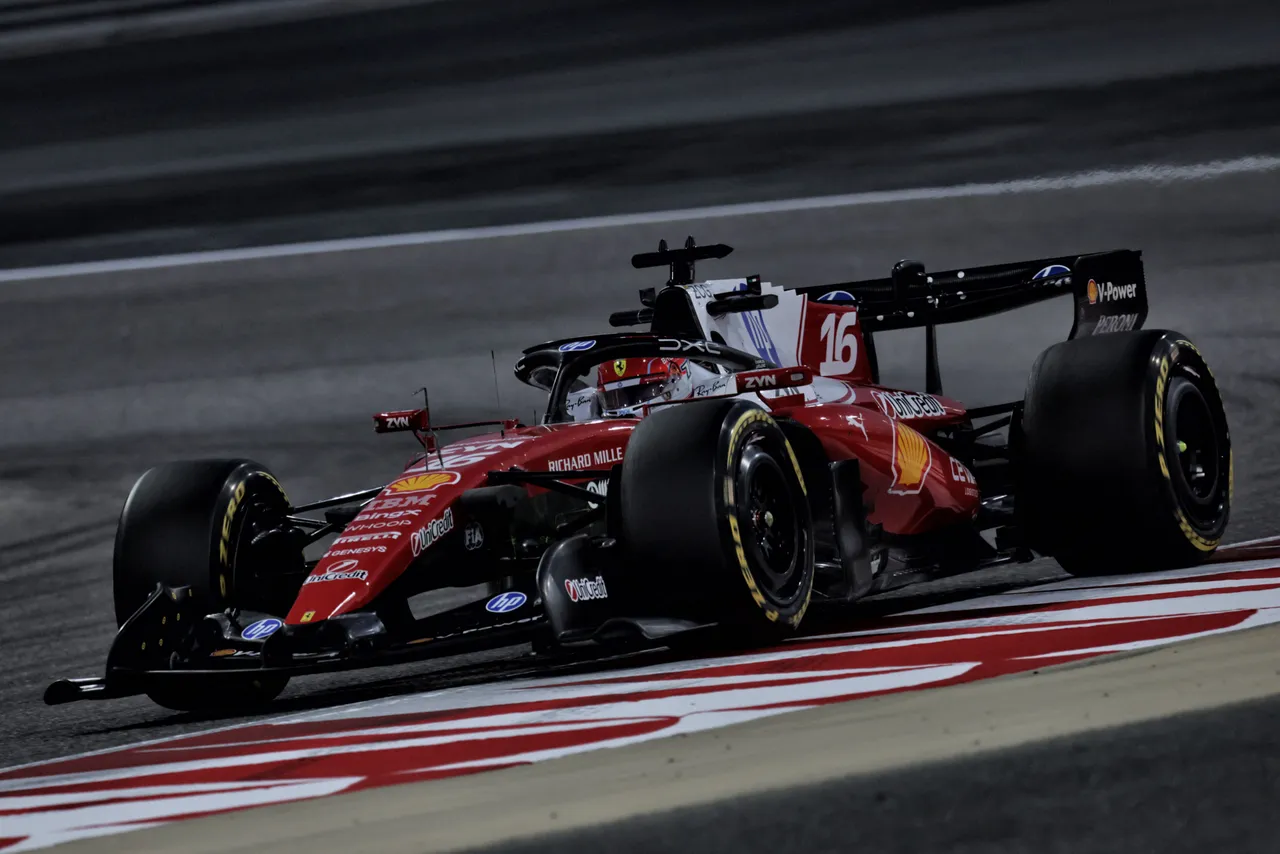
Photo: Race Pictures
ADVERTISEMENT
Is Aston Martin really at the back of the grid?
The first Aston Martin designed under Adrian Newey had turned heads in Barcelona, thanks to its striking appearance and a number of innovative technical solutions not seen on rival cars.
In Bahrain last week, however, the picture looked very different. The AMR26 was among the cars that generated the most negative discussion in the paddock.
There are also growing concerns over the reliability of the new Honda power unit. The Silverstone-based team completed the fewest laps over the three days of testing — less than half of what Williams managed, with the latter topping the mileage charts.
Adding to the worries are some downbeat comments from both drivers, particularly Lance Stroll, who went as far as suggesting the car could be lacking as much as four to four-and-a-half seconds compared to the front-runners.
ADVERTISEMENT
Aston Martin engineers still have time to iron out teething problems, but if Stroll is correct and they are four seconds off the pace, it could be an uncomfortable time for the Silverstone-based team.
Read also


Don’t miss GPblog in Google
Mark us as a preferred source and our articles will appear more often at the top of Top Stories.
Add as a preferred / source on Google