F1 champion rejects Domenicali’s stance on key 2026 regulation issue
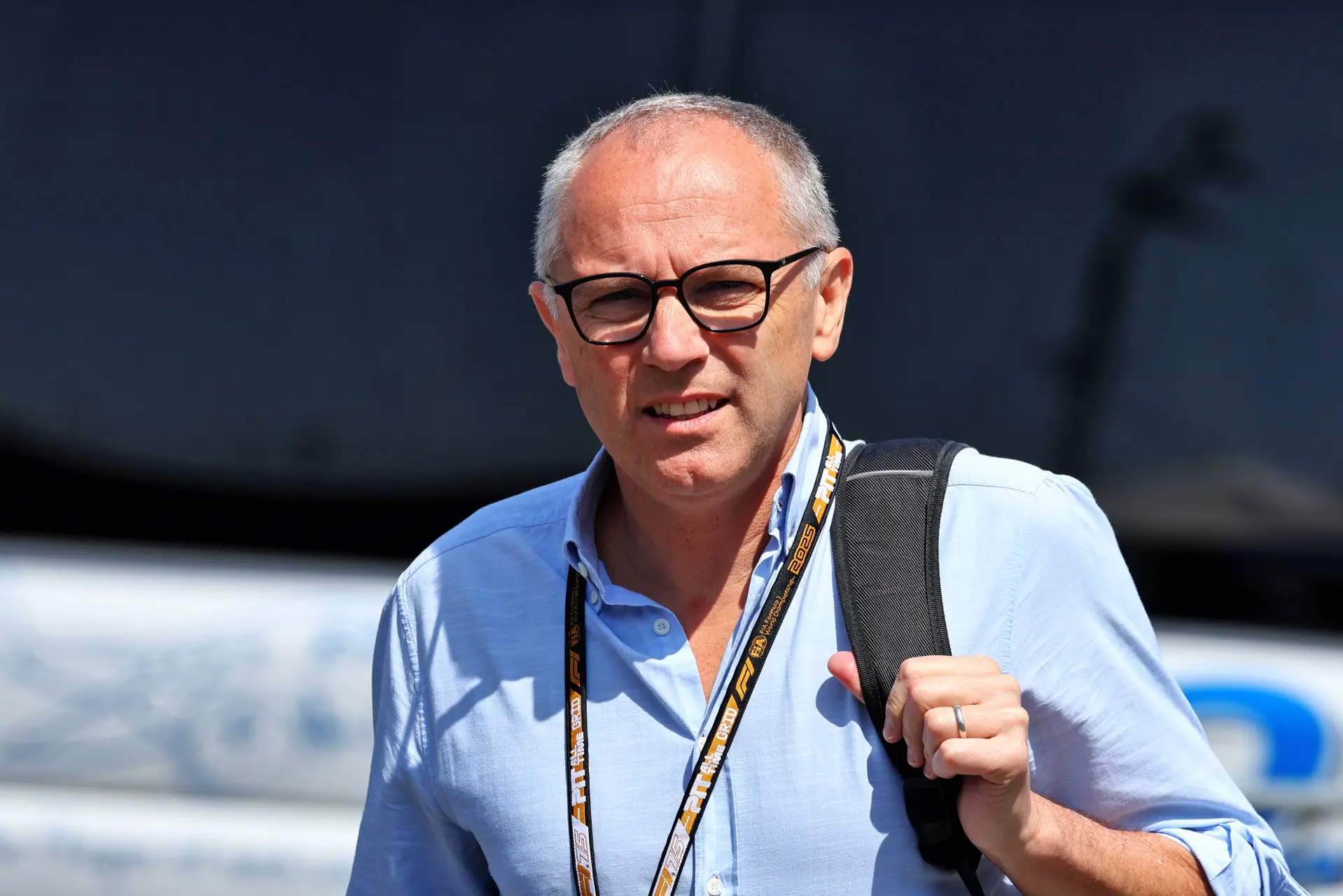
Photo: Race Pictures
Updated: 10:11, 29 Apr
10 Comments
Tobia is a Formula 1 journalist at GPblog with experience at international circuits. Since 2022, he has covered Grands Prix across Europe, delivering reliable coverage and insights from the paddock.
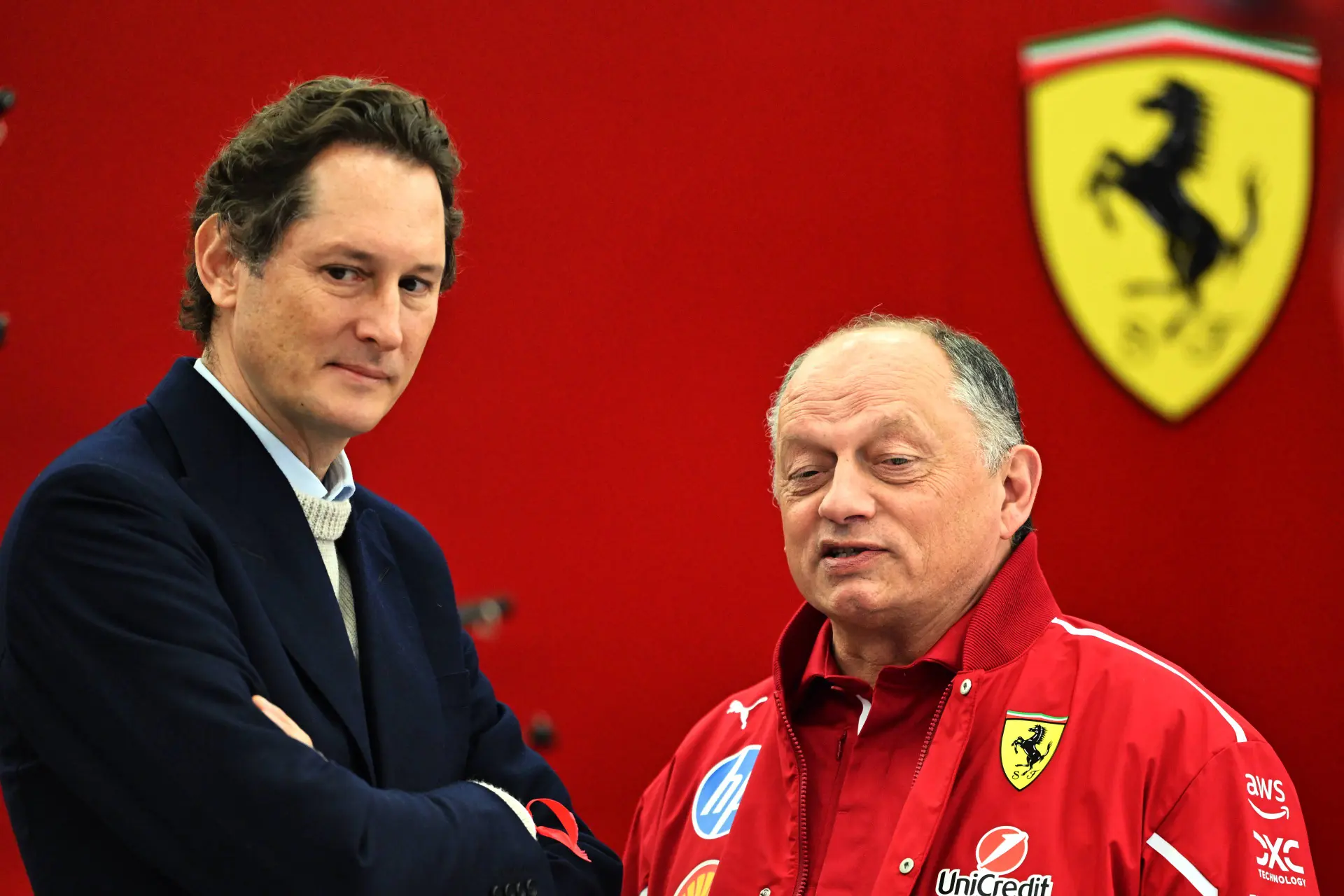
1992 Formula 1 world champion Nigel Mansell has offered a completely contrasting view on the new 2026 regulations compared to the stance taken by CEO Stefano Domenicali.
In a recent interview, the F1 CEO claimed that drivers were already being asked to use lift-and-coast techniques back in the 1980s, one of the key concepts behind the new 2026 regulations and, more broadly, modern Formula 1. Speaking to Autosport, Mansell strongly disagreed with that interpretation.
The Briton explained that drivers in his era were not managing races in the same way seen today, arguing that what occasionally happened in the past was simply intelligent throttle management while slipstreaming another car or choosing not to attempt an overtake in order to save fuel, rather than the kind of sustained lift-and-coast driving now associated with modern Formula 1.
"No, we didn't. If you lifted than coasted it was like feathering, feathering a throttle when you're slipstreaming somebody and deciding not to overtake them, that's saving fuel and feathering, that's smart.
"Having to have a computer just take over the running of the car and harvest for the battery, that's something totally different and we didn't slow down 50 to 70 k's going into the fastest corners. So it's a bit of a stretch to compare that I have to say and you know, not that you've asked me, I do sympathise with the drivers enormously, I think it's very dangerous at the moment and we got away with one terrible accident in Japan already, so that was luck, he could have been hurt really bad."
ADVERTISEMENT
Mansell then shifted the focus onto modern-day overtaking, criticising what he sees as increasingly artificial racing under the current regulations. The Briton argued that many overtakes may appear spectacular on television at first glance, but are ultimately misleading because they are heavily influenced by computer-managed power deployment rather than purely by driver skill.
"I might get shot for saying this, but sadly some of the overtakes are just totally false. Some of the overtakes look great and then you come out the next corner and then the car just blasts past you and the other car goes backwards because the computer is giving you the extra power not at the right time and the driver doesn't control that obviously because he wouldn't have employed it."
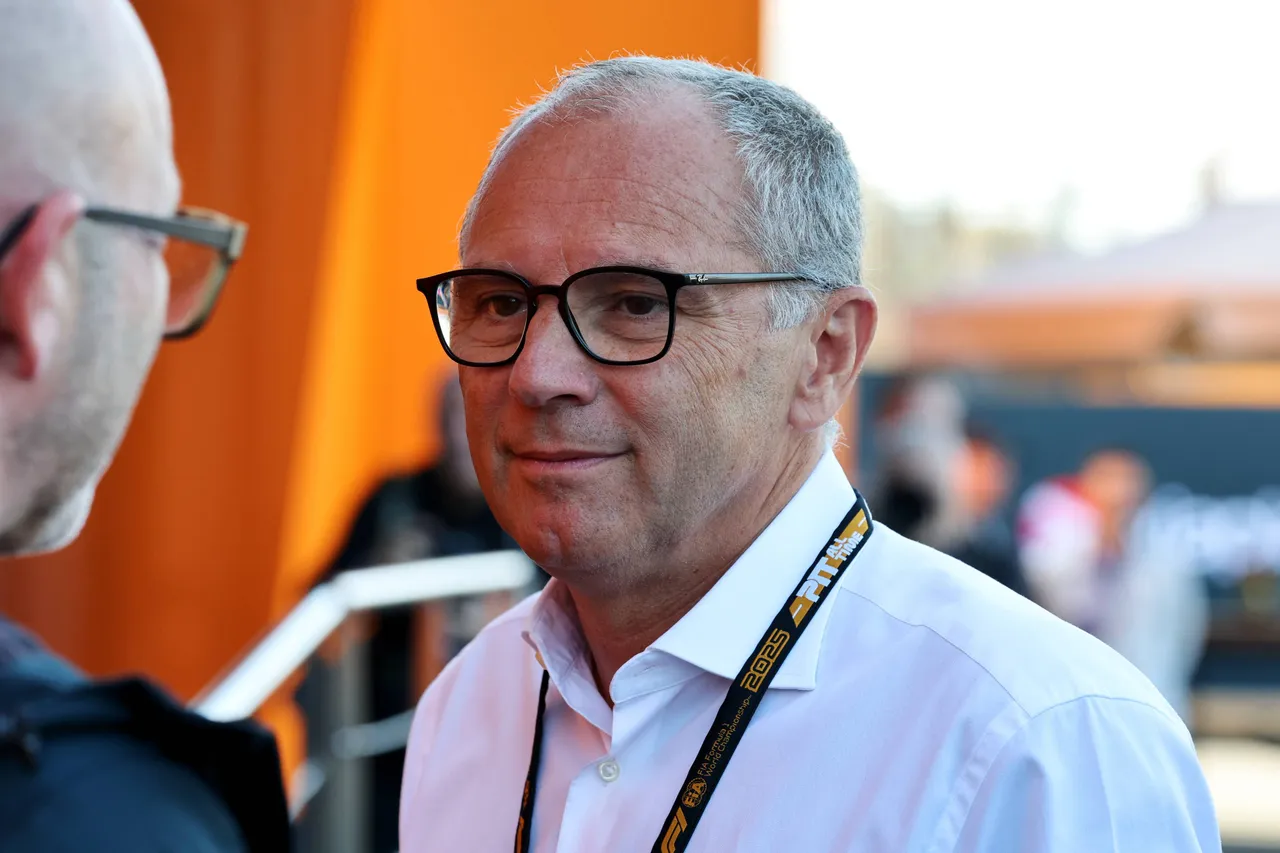
Photo: Race Pictures
Domenicali shuts down ‘crazy' conspiracy theory over missing onboard footage
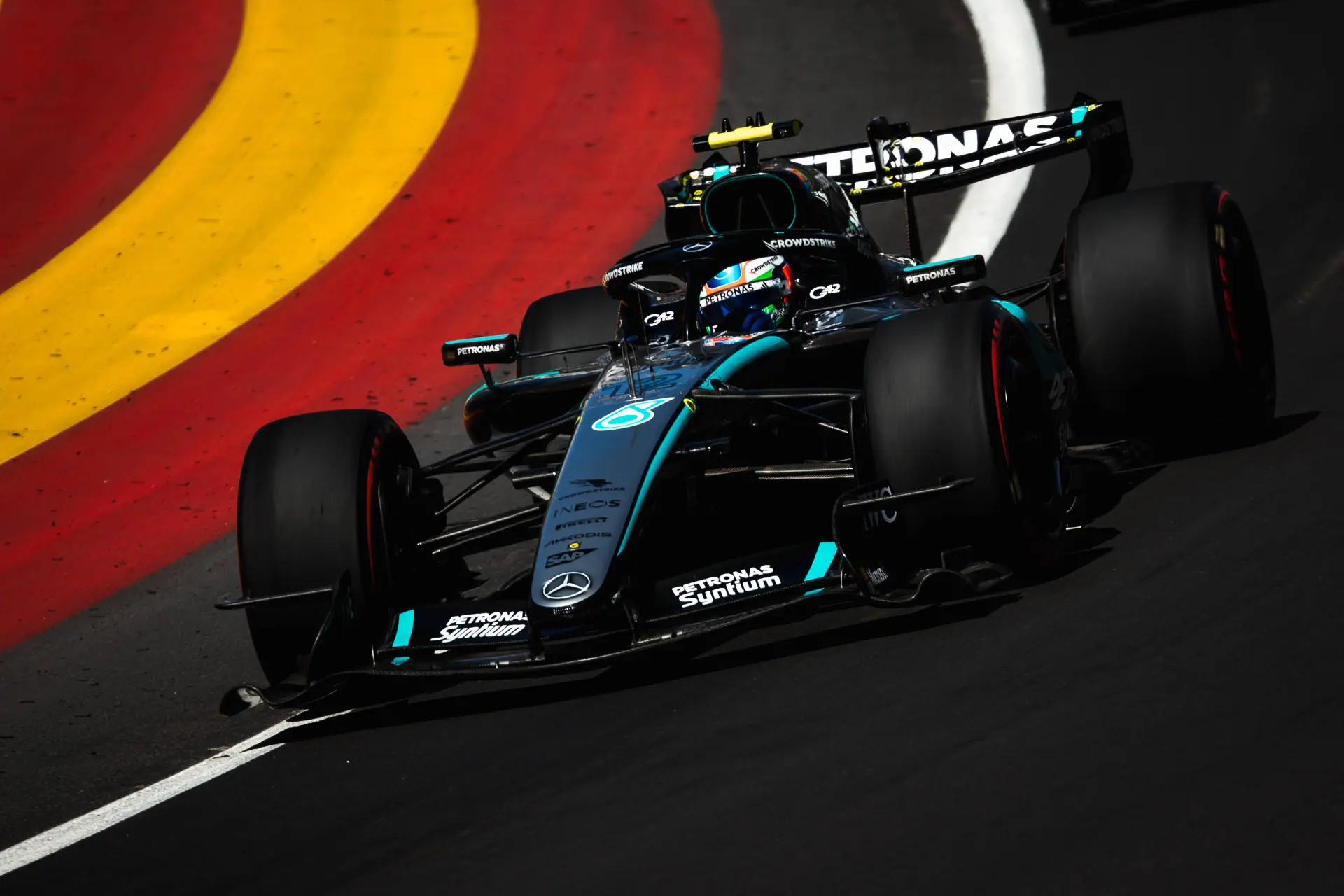
Speaking to The Race, the Italian also pushed back against claims that Formula 1 was attempting to hide the superclipping issue during Antonelli’s pole lap in Japan, after the broadcast cut away from the onboard footage from 130R onwards. The decision sparked frustration among fans, many of whom interpreted it as an effort to avoid further attention on a problem that had already become evident during the previous race weekend.
ADVERTISEMENT
Domenicali, however, strongly rejected the idea that Formula 1 was trying to “protect” anything from viewers, insisting the championship has no interest in hiding aspects of the current package. The Italian defended the 2026 regulations and explained that what fans are currently seeing is exactly the product Formula 1 intends to present, while also dismissing the wave of negativity that has surrounded the new rules in recent weeks.
At the same time, the Formula 1 CEO acknowledged that the sport is continuing to closely monitor reactions from fans, teams and stakeholders. Domenicali stressed that listening to criticism remains an important part of the process, but made it clear that Formula 1 must separate constructive feedback from exaggerated 'conspiracy theories' surrounding the regulations.

Don’t miss GPblog in Google
Mark us as a preferred source and our articles will appear more often at the top of Top Stories.
Add as a preferred / source on GoogleRead more about:
latest news


Spanish Grand Prix
Overview
Friday 11.09.26
Practice 1
11:30 AM
Practice 2
03:00 PM
Saturday 12.09.26
Practice 3
10:30 AM
Qualification
02:00 PM
Sunday 13.09.26
Race
01:00 PM
Friday 11.09.26
Practice 1
Fri 11:30 AM
Practice 2
Fri 03:00 PM
Saturday 12.09.26
Practice 3
Sat 10:30 AM
Qualification
Sat 02:00 PM
Sunday 13.09.26
Race
Sun 01:00 PM
Times are in your local timezone
Rumors
Popular on GPBlog
1
Hamilton causes headaches for multiple drivers in FP1 at the Madring
1798 times read

2
Hamilton holds power advantage over Leclerc after Ferrari forced to revert engine for Madrid
1387 times read

3
Hamilton crashes as red flag brings Madrid FP3 to a halt
1353 times read

4
Verstappen reveals true feelings on Madring layout after Friday running
1273 times read
F1-stand 2026
Season
| Pos. | Driver | Team | Points |
|---|---|---|---|
1 | MercedesMER | 267 | |
2 | MercedesMER | 201 | |
3 | FerrariFER | 191 | |
4 | McLarenMCL | 171 | |
5 | FerrariFER | 155 | |
6 | Red Bull RacingRBR | 127 | |
7 | McLarenMCL | 116 | |
8 | Red Bull RacingRBR | 71 | |
9 | Racing BullsRCB | 51 | |
10 | AlpineALP | 41 |
Loading