Coulthard warns 2026 F1 racing will feel ‘very different’
Co-author:Luke-John Buckle

Kevin Doldersum is a Formula 1 reporter at GPblog, specializing in data, strategy, and technical developments within the sport. With a background in media and years of F1 experience, he delivers reliable live coverage, analysis, and insights that go beyond the results.
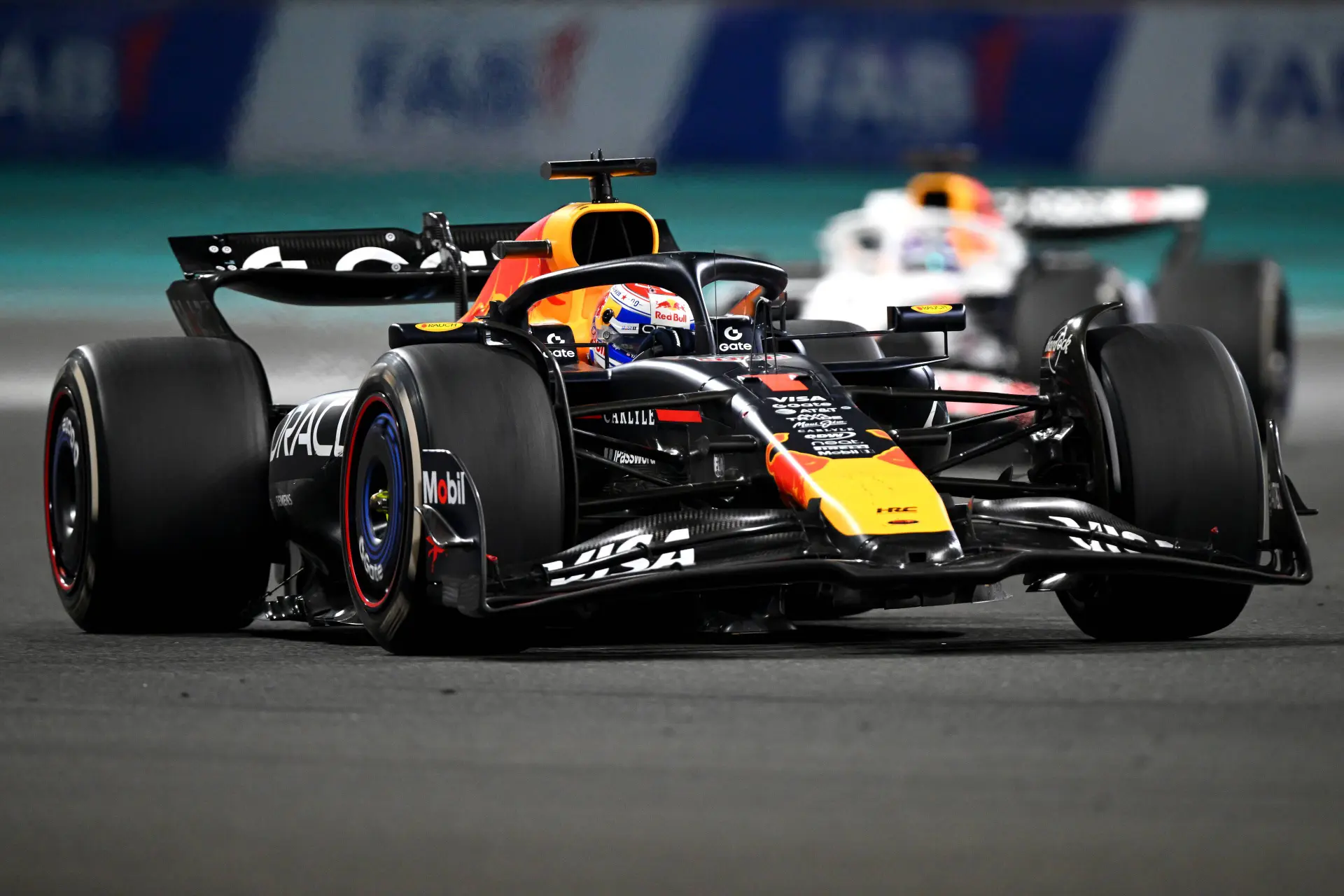
David Coulthard expects that wheel-to-wheel racing in Formula 1 will look completely different in 2026.
"So as long as it's all kind of about the same, but the risk, I guess, in any new regulation is that one manufacturer [dominates]."- David Coulthard
Speaking to F1Technical, the former Formula 1 driver, including for Red Bull Racing, said the following: "I think the very fact that there was a conversation with all of the teams about the future of the engine rules was because they had a doubt. So, let's say they... they were going into an era now where there's going to be 50% electrical energy, 50% internal combustion."
Coulthard expects major change in F1 racing
He added: "That will have a very different profile of racing. You know, the typical profile of racing is you leave the corner, you go faster and faster. You hit the max and then you brake and you arrive at the corner.
ADVERTISEMENT
"With this, most probably you're going to accelerate to a speed, there'll be no more electrical energy, and then the car will have more drag than it has horsepower."
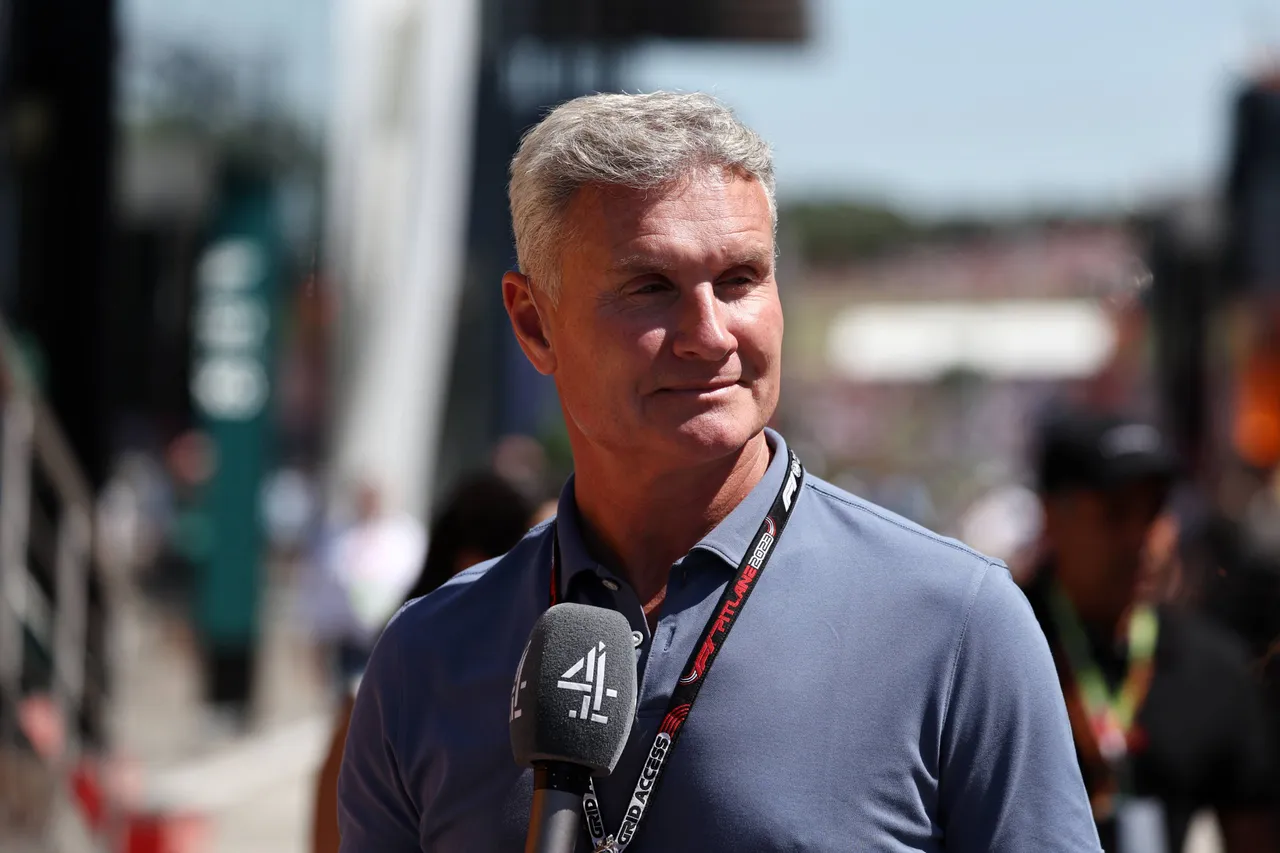
David Coulthard expects major changes in F1 from 2026 - Photo: RacePictures
The British analyst, therefore, expects that F1 cars will be slower in 2026. Yet that could actually make the races an exciting prospect. He noted that the gaps could be minimal, but that small innovations might make the difference.
"So as long as it's all kind of about the same, but the risk, I guess, in any new regulation is that one manufacturer... Like with Mercedes, with the hybrid era, they had such an advantage in the engine that they didn't need the best car to win," he concluded.
Next year’s F1 cars will be slower, smaller, and lighter. This is partly due to the power unit, but the aerodynamics will be adjusted as well. As a result, the new cars will have less downforce than before, slowing down lap times.
ADVERTISEMENT
GPblog's latest F1 Paddock Update
Want to stay up-to-date with what happens in the F1 paddock? Then GPblog's F1 Paddock Update video is the perfect way to do it. Subscribe to GPblog's YouTube channel and turn on notifications to never miss the latest episodes.
iframe data-testid="embed-iframe" style="border-radius:12px" src="https://open.spotify.com/embed/episode/18YX115KS7CdrxHMDxR0Kl/video?utm_source=generator" width="624" height="351" frameBorder="0" allowfullscreen="" allow="autoplay; clipboard-write; encrypted-media; fullscreen; picture-in-picture" loading="lazy">
Read also

ADVERTISEMENT
Don’t miss GPblog in Google
Mark us as a preferred source and our articles will appear more often at the top of Top Stories.
Add as a preferred / source on Google