Bearman: Consistency, not raw speed, key to my F1 progress
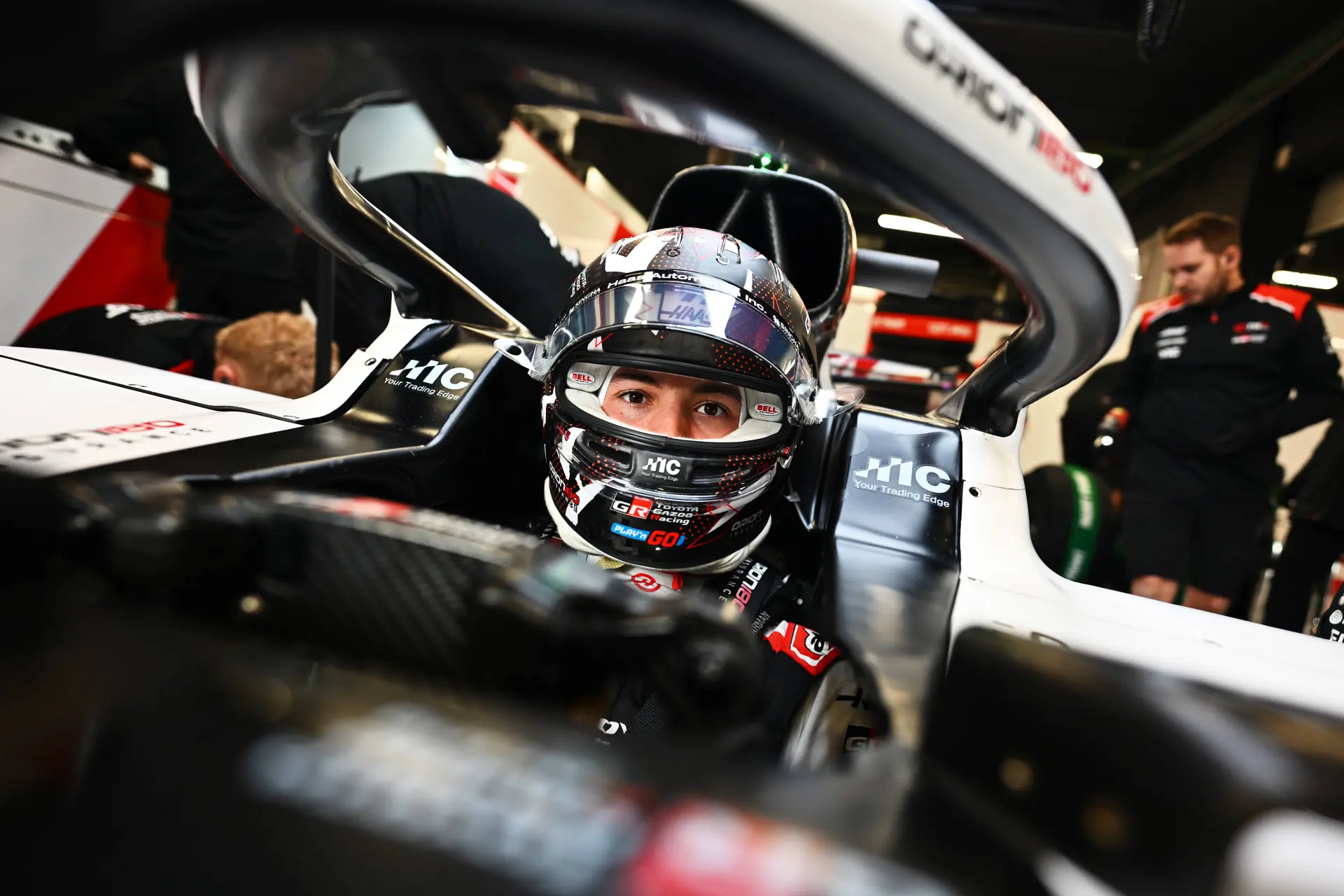
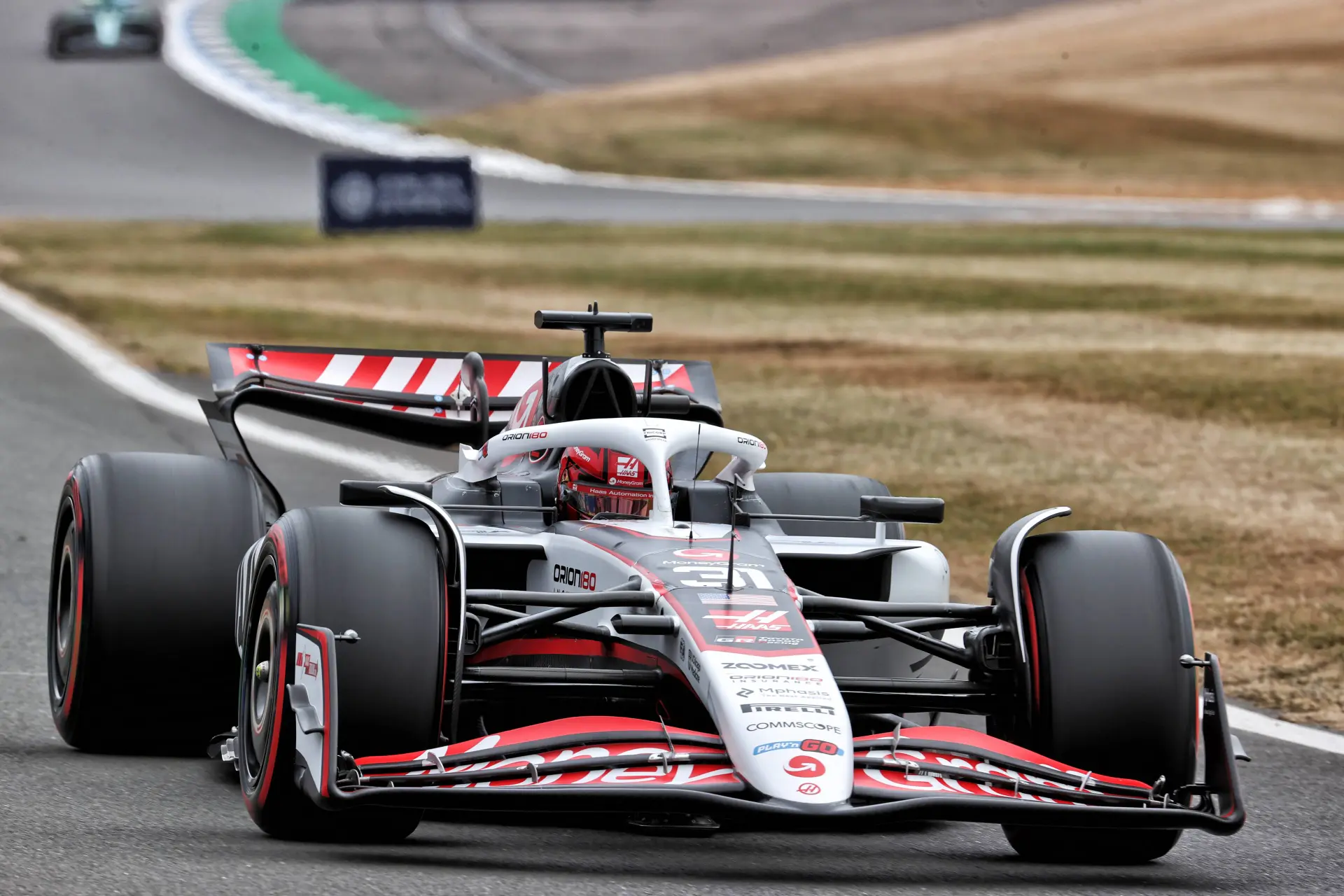
Photo: Haas F1 Team
Updated: 16:02, 02 Feb
1 Comments

Ben Hunt is an award-winning motorsport journalist with over two decades of experience in Formula 1 and international media. As a former editor-in-chief and bestselling author, he delivers in-depth analysis and strategic insight from the highest level of the sport.
Oliver Bearman has played down expectations that he will unlock significant gains in outright pace as he continues his progression in Formula 1.
The Haas driver impressed last season with a string of fine displays and as he approaches his second year in the sport, he says his focus is firmly on consistency and execution rather than raw speed.
Bearman, who was testing with Haas in Barcelona last week, believes his fundamental pace that carried him through the junior categories is already established, and that meaningful improvements are more likely to come from how effectively he operates across an entire race weekend.
“I don't expect to become a faster driver or find another few tenths. It's not realistic,” Bearman explained to selected media including GPblog, adding that he does not feel any quicker now than he was in Formula 3 or Formula 4. Instead, Bearman identified areas such as feedback to engineers, session management and weekend preparation as the key elements where gains can be made.
He described this as a mindset that develops only through experience, rather than something that can be artificially accelerated.
The 19-year-old believes that by improving the quality of his practice sessions, he can place himself in a stronger position when it matters most. Stronger FP1, FP2 and FP3 outings, he argues, will naturally allow him to extract more from the car in qualifying, even if the ultimate lap-time potential remains unchanged.
“I don't think my ultimate lap time will improve,” Bearman added. “But if I'm able to string together cleaner weekends, I can get the car in a better place. And by virtue of having better free practice sessions, I’ll be able to find a bit more lap time in qualifying and get more out of myself.”
Bearman’s comments underline a pragmatic and measured approach to his development. Rather than chasing marginal gains in peak performance, his priority is to deliver at a high level more consistently and to reduce the variability that often defines many fledgling F1 drivers.
By targeting repeatability and process-driven improvement, Bearman is aiming to ensure he performs closer to his potential more often as he and the rest of the field navigate the sweeping changes for the 2026 season.
The driver, who is part of the Ferrari young driver programme, is expected to eventually replace Lewis Hamilton at the Italian team.
The Haas driver impressed last season with a string of fine displays and as he approaches his second year in the sport, he says his focus is firmly on consistency and execution rather than raw speed.
Bearman, who was testing with Haas in Barcelona last week, believes his fundamental pace that carried him through the junior categories is already established, and that meaningful improvements are more likely to come from how effectively he operates across an entire race weekend.
“I don't expect to become a faster driver or find another few tenths. It's not realistic,” Bearman explained to selected media including GPblog, adding that he does not feel any quicker now than he was in Formula 3 or Formula 4. Instead, Bearman identified areas such as feedback to engineers, session management and weekend preparation as the key elements where gains can be made.
He described this as a mindset that develops only through experience, rather than something that can be artificially accelerated.
The 19-year-old believes that by improving the quality of his practice sessions, he can place himself in a stronger position when it matters most. Stronger FP1, FP2 and FP3 outings, he argues, will naturally allow him to extract more from the car in qualifying, even if the ultimate lap-time potential remains unchanged.
“I don't think my ultimate lap time will improve,” Bearman added. “But if I'm able to string together cleaner weekends, I can get the car in a better place. And by virtue of having better free practice sessions, I’ll be able to find a bit more lap time in qualifying and get more out of myself.”
Bearman’s comments underline a pragmatic and measured approach to his development. Rather than chasing marginal gains in peak performance, his priority is to deliver at a high level more consistently and to reduce the variability that often defines many fledgling F1 drivers.
By targeting repeatability and process-driven improvement, Bearman is aiming to ensure he performs closer to his potential more often as he and the rest of the field navigate the sweeping changes for the 2026 season.
The driver, who is part of the Ferrari young driver programme, is expected to eventually replace Lewis Hamilton at the Italian team.
Read also
Don’t miss GPblog in Google
Mark us as a preferred source and our articles will appear more often at the top of Top Stories.
Add as a preferred / source on GoogleRead more about:
latest news

Azerbaijan Grand Prix
Overview
Thursday 24.09.26
Practice 1
08:30 AM
Practice 2
12:00 PM
Friday 25.09.26
Practice 3
08:30 AM
Qualification
12:00 PM
Saturday 26.09.26
Race
11:00 AM
Thursday 24.09.26
Practice 1
Thu 08:30 AM
Practice 2
Thu 12:00 PM
Friday 25.09.26
Practice 3
Fri 08:30 AM
Qualification
Fri 12:00 PM
Saturday 26.09.26
Race
Sat 11:00 AM
Times are in your local timezone
Rumors
Popular on GPBlog
1
F1 forced to break with tradition for expected season finale in Imola
5049 times read
2
Toto Wolff reveals how he really knew Lewis Hamilton was okay after Abu Dhabi
2303 times read
3
MotoGP Full Race Results | Acosta snaps winless streak at the Red Bull Ring
718 times read
4
Rosberg reveals where Mercedes has the real edge over Red Bull engine
432 times read
F1-stand 2026
Season
| Pos. | Driver | Team | Points |
|---|---|---|---|
1 | MercedesMER | 292 | |
2 | MercedesMER | 211 | |
3 | FerrariFER | 191 | |
4 | McLarenMCL | 186 | |
5 | FerrariFER | 167 | |
6 | Red Bull RacingRBR | 145 | |
7 | McLarenMCL | 120 | |
8 | Red Bull RacingRBR | 71 | |
9 | Racing BullsRCB | 59 | |
10 | AlpineALP | 41 |
Loading