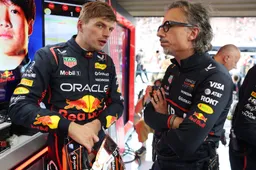
Apple TV Lands Exclusive U.S. F1 Rights Starting 2026—Streaming Revolution Begins
13:38, 14 Nov 2025
0 Comments
When it comes to industry success, exclusivity is the name of the game as exclusive rights to a highly coveted product or service attract a huge market share. Take online casinos as an example. An online casino attracts players by acquiring exclusive rights to popular games, thus ensuring that anyone who wants to play these games comes to their site. And casinos are not alone in this. Luxury brands, pharmaceutical companies, retail stores, and huge suppliers do the same thing. And now, it seems that Apple TV has borrowed a leaf from these and other industries by securing exclusive rights to F1 coverage. We talk about how they were able to secure this deal and what this means for fans going forward.
How Did Apple TV Score This Deal?
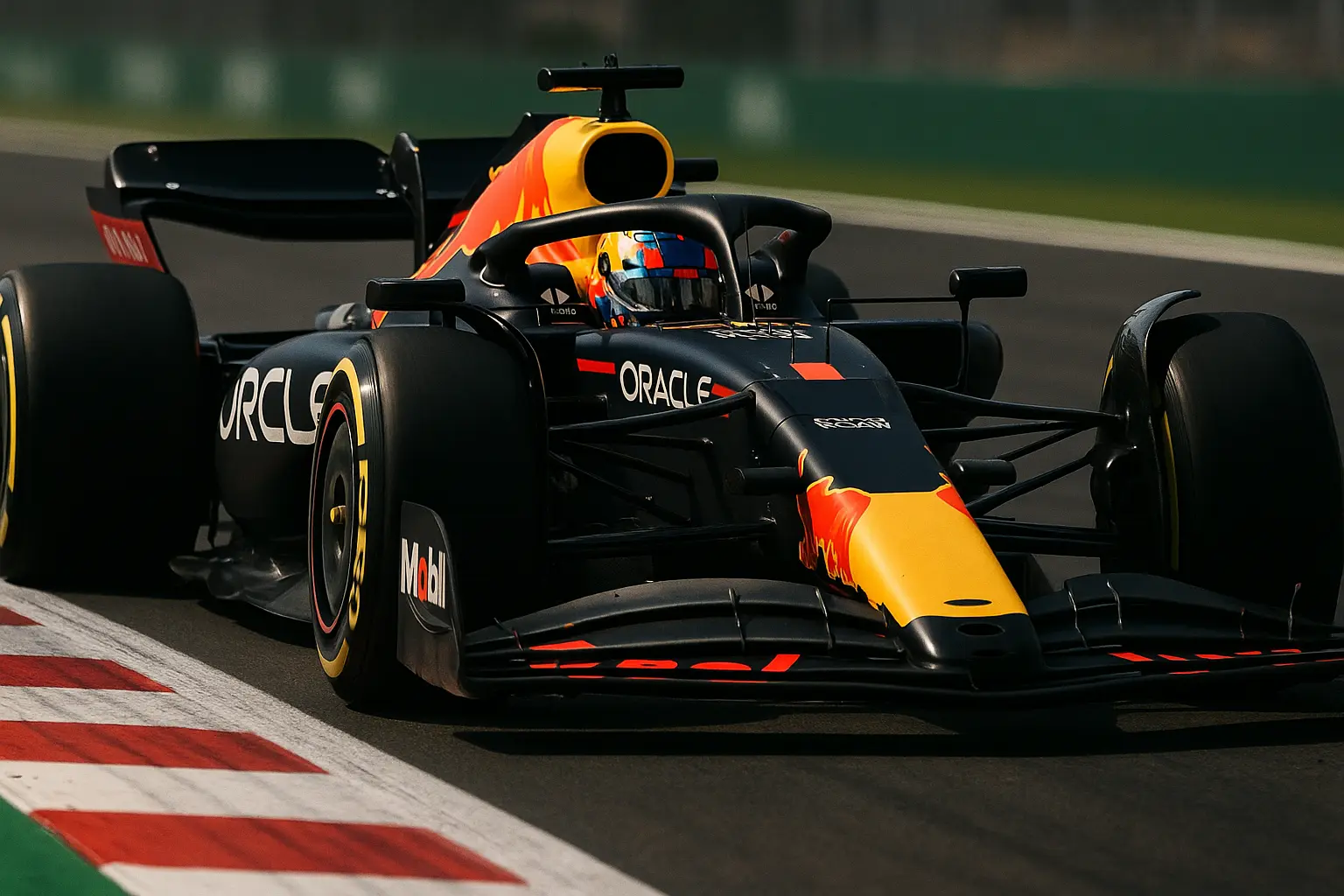
Starting in 2026, Apple TV will have the exclusive rights to cover Formula 1 in the US, which is a deal that will span several years. That means that instead of people tuning in to watch the races in traditional broadcasts, they will now need to use Apple TV. So, how was this powerhouse able to clinch this impressive deal?
1. Its Ecosystem.
Apple TV is just one of the many services that Apple has to offer. After all, it has several networks, including:
ADVERTISEMENT
- Apple News.
- Apple Maps.
- Apple Music.
- Apple Sports.
- Apple Fitness, etc.
These and other networks will allow F1 to broaden its reach. For example, Apple Maps can offer guides to the Grand Prix locations while Apple Sports can offer fans real-time updates about the races. As such, while F1 may be partnering with Apple TV, this partnership gives it access to these other networks, which are used by hundreds of millions of iPhone users in the US.
2. Its F1 History.
This exclusive coverage deal is not Apple’s first stint with F1. If anything, it is the continuation of what has been a successful collaboration between these two industries. Take ‘F1 The Movie’ as an example, which was an Apple Originals film. This movie, which featured authentic fan experiences, did so well that it currently ranks as one of the highest-grossing sports movies. So, it makes sense that F1 would turn to a partner whom they knew had what it took to not only drum up interest in the races but also ensure that the coverage was of the high-quality that F1 fans have become accustomed to over the decades.
3. Its Audience.
Did you know that the growing F1 fanbase is mainly made up of young women aged 18 to 24? That’s right. F1, which already boasts a huge fanbase across other age groups, hopes to capitalize on this growing interest by making its races more accessible to them. As it turns out, this fanbase falls smack into what Apple considers its strategic customer base. After all, iPhones appeal to women in this age bracket as they offer premium features that allow them to work, connect with others, and even make memories right at the tap of a button. So, with F1 partnering with the manufacturer of these phones, it gets one step closer to its target market.
ADVERTISEMENT
4. Its Premium Offer.
This strategic deal between F1 and Apple cost the latter a pretty penny. So, why was Apple willing to pay a premium for these exclusive rights? Well, because it will be able to charge a subscription fee to people who are not Apple TV subscribers, which creates a source of revenue. And for F1, this will also be financially beneficial, with sources saying that this move will allow it to generate a higher income than it did with its previous ESPN deal.
What Does This Mean For Fans?
Apple’s move means that F1 races will no longer be available on cable and broadcast TV, save for the free races that it may offer. Thus, many fans will have to subscribe to catch all the races. On the plus side, since Apple is a leader when it comes to unparalleled user experience and technology, fans could have the rare treat of high-quality streams that traditional TV cannot
Don’t miss GPblog in Google
Mark us as a preferred source and our articles will appear more often at the top of Top Stories.
Add as a preferred / source on GoogleRead more about:
latest news

Bahrain Grand Prix
Overview
Friday 02.10.26
Practice 1
04:30 AM
Practice 2
08:00 AM
Saturday 03.10.26
Practice 3
04:30 AM
Qualification
08:00 AM
Sunday 04.10.26
Race
07:00 AM
Friday 02.10.26
Practice 1
Fri 04:30 AM
Practice 2
Fri 08:00 AM
Saturday 03.10.26
Practice 3
Sat 04:30 AM
Qualification
Sat 08:00 AM
Sunday 04.10.26
Race
Sun 07:00 AM
Times are in your local timezone
Popular on GPBlog
1
After four years under Fred Vasseur, Ferrari is still no closer to the title
1024 times read
2
Ferrari shares new statement amid rumours over Vasseur's future
974 times read
3
F1 Today | Hamilton accused of ‘sulking’ at Ferrari as Norris makes amends with Colapinto
930 times read
4
Formula 1 is working on a major change set to completely transform overtaking
817 times read
F1-stand 2026
Season
| Pos. | Driver | Team | Points |
|---|---|---|---|
1 | MercedesMER | 302 | |
2 | MercedesMER | 236 | |
3 | FerrariFER | 199 | |
4 | McLarenMCL | 186 | |
5 | FerrariFER | 179 | |
6 | Red Bull RacingRBR | 163 | |
7 | McLarenMCL | 120 | |
8 | Red Bull RacingRBR | 86 | |
9 | Racing BullsRCB | 59 | |
10 | AlpineALP | 41 |
Loading