In today’s F1 racing, not many people compete on the basis of raw speed. In fact, many F1 races are settled, so to speak, on the basis of something much more intangible on the timing screens: F1 tyre degradation. The tyre degradation factor is the invisible force behind unexpected podiums, race crashes and seemingly crazy strategy calls that only make sense after the chequered flag flies.
They’re talking about it all the time on the radios, the team are implementing race strategies around it, and the fans are debating it at every race but the truth is, tyre degradation is still not fully understood. In this article, we will seek to address exactly what it is, why it’s happening, and quite why it’s become such an important skill in Formula 1 racing in the twenty-first century.
What Is Tyre Degradation in Formula 1?
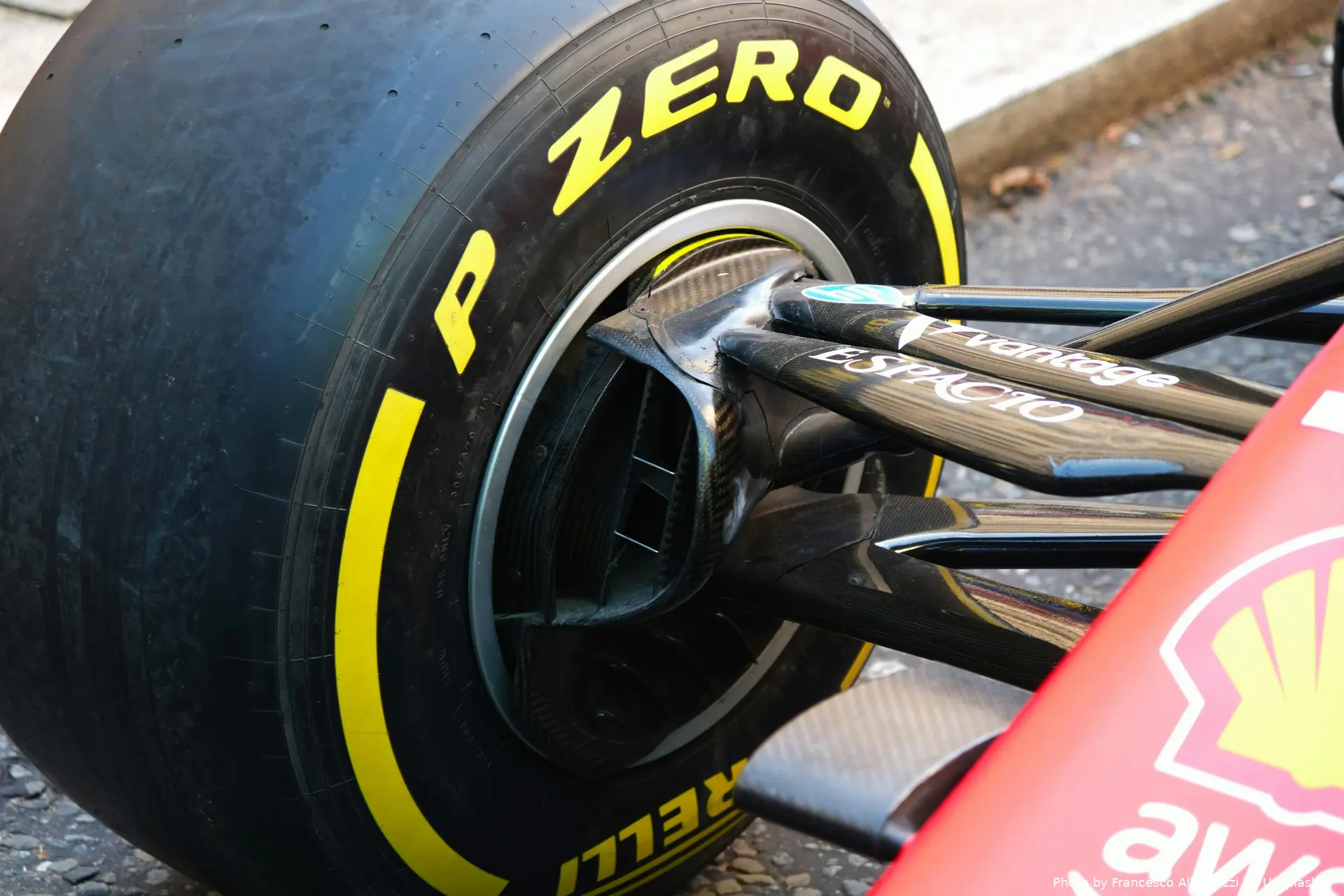
Degradation, in F1 terms, refers to the process of losing tyre performance, rather than how much rubber has worn away. It is an important distinction: a tyre can still look intact visually yet lose grip and balance and lap time dramatically.
That is the point where a difference between F1 tyre wear versus degradation becomes apparent. Wear is physical: the rubber is taken off the tyre. Degradation is performance-based: the tyre is simply not delivering the grip it did anymore, even if there is still tread material present.
ADVERTISEMENT
Drivers often report degradation as a loss of grip, understeer in corners, or rear instability during acceleration. These events, communicated through the radio to the pits, are usually the first indicators that a tyre run has fallen apart, even though the tyre may not “look finished" to the naked eye.
How Formula 1 Tyres Generate Grip — and Why It Doesn’t Last
In Formula 1, tyres generate grip from heat, pressure, and adhesion to the surface. Each compound has a narrow operating window in which it performs best. When the tyres sit inside that operating window, the rubber deforms and takes grip on the track surface efficiently.
The problem is that pushing harder doesn't always mean going faster. When tyres overheat, the rubber structure breaks down; grip falls away, sliding increases and so do lap times. It becomes a vicious circle: more sliding generates more heat and accelerates degradation further.
This will be the cause-and-effect relationship central to understanding F1 race pace tyre degradation, with drivers who look quick early in a stint often actually harming their long-run pace by overheating their tyres, and smoother drivers often coming alive later as others fade.
ADVERTISEMENT
The Two Main Types of Tyre Degradation
Thermal Degradation
Thermal degradation occurs when the tyres are subjected to temperatures beyond the desirable range. This is usually evident in hot tracks, hard pushing, or difficulties balancing the vehicle.
The main difference with thermal degradation is that grip goes away without wear. Tyres may look good but feel terrible. An example of this might be tracks with lots of fast corners or during a race when drivers are stuck in dirty air and cannot cool their tyres.
Physical Wear
ADVERTISEMENT
Physical wear is more intuitive: the rubber is literally removed from the tyre surface because of abrasive track surfaces, aggressive kerbs, or repeated heavy braking and traction zones.
Tracks with harsh asphalt or sharp changes in direction accelerate wear and shorten stints, regardless of management temperatures. There, teams have to balance outright pace with survival especially on longer runs.
What Factors Influence How Quickly Tyres Degrade
Several variables determine how fast tyres lose performance during a race:
● Track surface: Smooth tracks care for tyres; fast surfaces can be unforgiving.
ADVERTISEMENT
● Tyre compound: Softer tyres are grippy but have a shorter lifespan.
● Car setup and balance: Understeer or oversteer causes sliding and excessive heat.
● Driving style and traffic: Aggressive driving increases temperature because of dirty air.
● Fuel load and stint length: Heavier cars are harder on tyres during stints.
This is why some teams appear dominant early in races but fade badly later. The pace was real; it just wasn’t sustainable.
ADVERTISEMENT
Why Tyre Degradation Shapes Formula 1 Race Strategy
These sit at the centre of the F1 race strategy, with the decision whether to use a one-stop or multiple pit stops totally depending on the degradation pattern that is expected to occur in due course.
High degradation makes aggressive undercuts viable, with newer tyres gaining enough to make up for the cost of the pits. Low degradation makes track position crucial, with cars staying out to maximise their advantage. Offset tyre strategies, with different tyres in the cars, can even cause swings in the standings without a single pass for placement.
Many drivers do not “lose” places; they simply run out of tyre life at the wrong time. This is why tyres often have more to do with the result than overtaking does.
Why Tyre Degradation Makes Formula 1 So Hard to Predict
ADVERTISEMENT
Formula 1 works on incredibly tight margins. A couple of degrees of track temperature, the tiniest gust of wind or a fractionally heavier fuel load can push tyres outside their ideal window.
That's why practice and qualifying often don't translate to race performance. Long-run data is important but degradation isn't static; it evolves with conditions, traffic and pressure.
To the fan, though, this unpredictability is part of the appeal: the fastest car on paper doesn't always win and races can turn on tyre behaviour rather than outright speed.
How Fans Use Tyre Performance to Form Race Expectations
The modern fan doesn't just watch the races; they dissect them. Long-run pace, compound choices, and degradation trends are picked apart across social media and the broadcast throughout the weekend.
ADVERTISEMENT
This is especially so in the UK, where many fans follow Formula 1 alongside broader sports conversations that cover form, strategy, and outcomes across different competitions. The platforms, like 7bet, are already familiar to many as part of that wider sports landscape in which there is a big role for understanding performance variables in how fans interpret events.
Tyres have quietly turned into one of the most crucial variables that fans track when creating their expectations about race outcomes.
Why Tyre Management Separates the Best Drivers and Teams
Certain drivers are always complimented for how well they handle the tyres. This doesn’t imply they are slow; it means they know when to hold back.
Smooth steering movements, proper throttle use, and understanding when to be aggressive or conservative all play a part in good tyre management. This can add up over a season. Being able to manage tyres allows drivers to be strategic, helps prevent errors, and can squeeze extra race performance from a given package.
ADVERTISEMENT
As such, at the team level, the management of degradation between cars, tracks, and conditions is arguably the difference between fighting for the championship and simply competing.
Final Thoughts: Tyres Are Often the Real Story of an F1 Race
Tyres rarely grab centre stage but they define pretty much everything that happens on a Formula 1 Sunday. From the strategy calls to the driver reputations, F1 tyre degradation has a bigger impact on pace, predictability, and outcomes than any single upgrade or headline moment.
Understanding tyres and their behaviour explains a lot of why races pan out as they do and why Formula 1 is so engrossing. Beneath the speed, noise, and drama, it’s often the tyres, quietly dictating who wins and who fades away.
Don’t miss GPblog in Google
Mark us as a preferred source and our articles will appear more often at the top of Top Stories.
Add as a preferred / source on Google