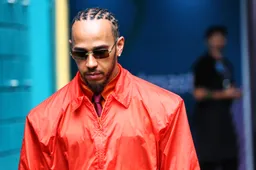
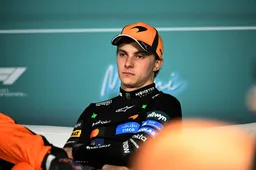
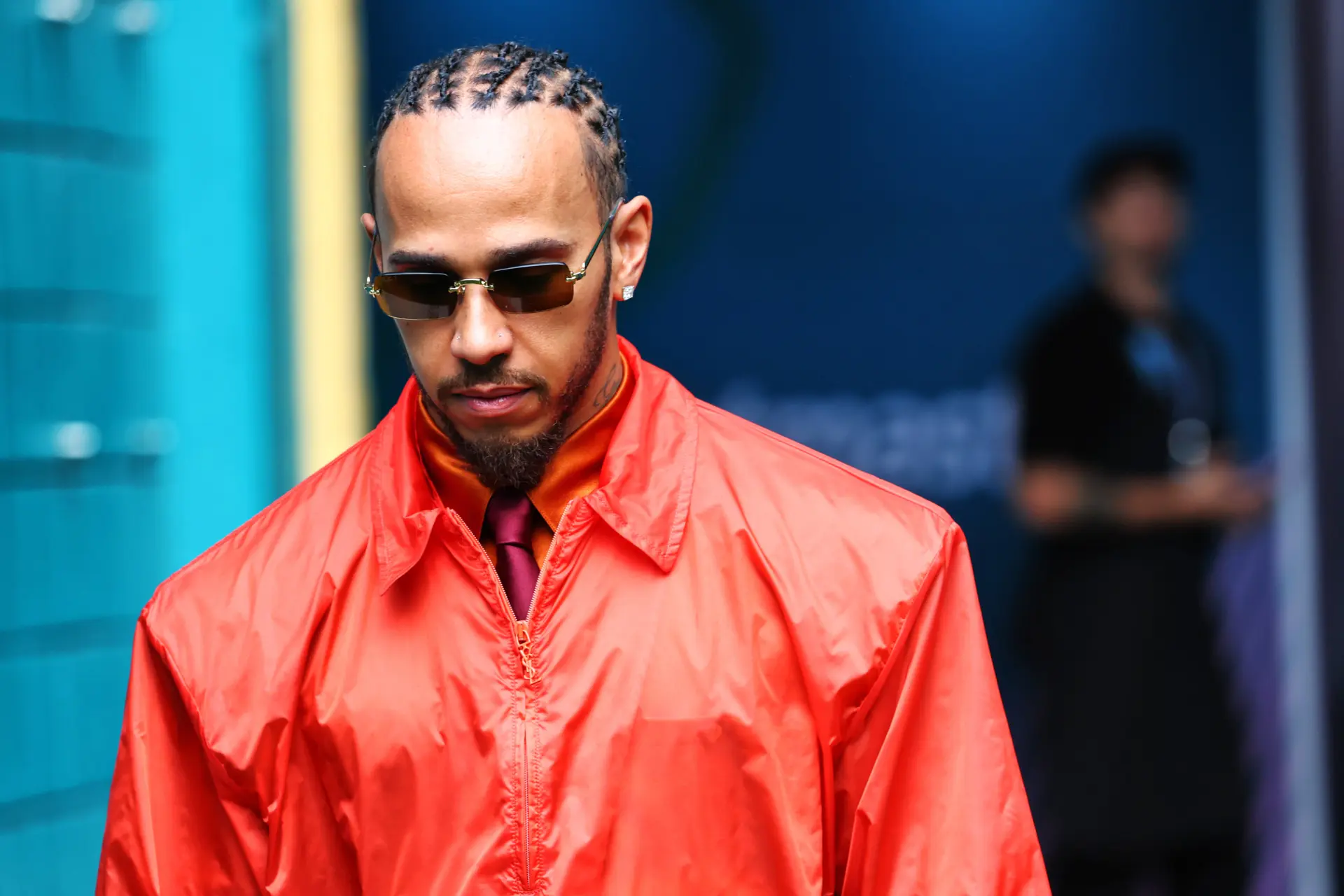
Why stewards deliberately took their time before making decisions in Miami
12:31, 04 May
3 Comments

Ludo van Denderen is a motorsport journalist at GPblog, specializing in Formula 1 and international racing series.
The stewards at the Miami Grand Prix took their time with their decisions. Despite some complaints, this approach was exactly what the teams, drivers, and the FIA had agreed upon.
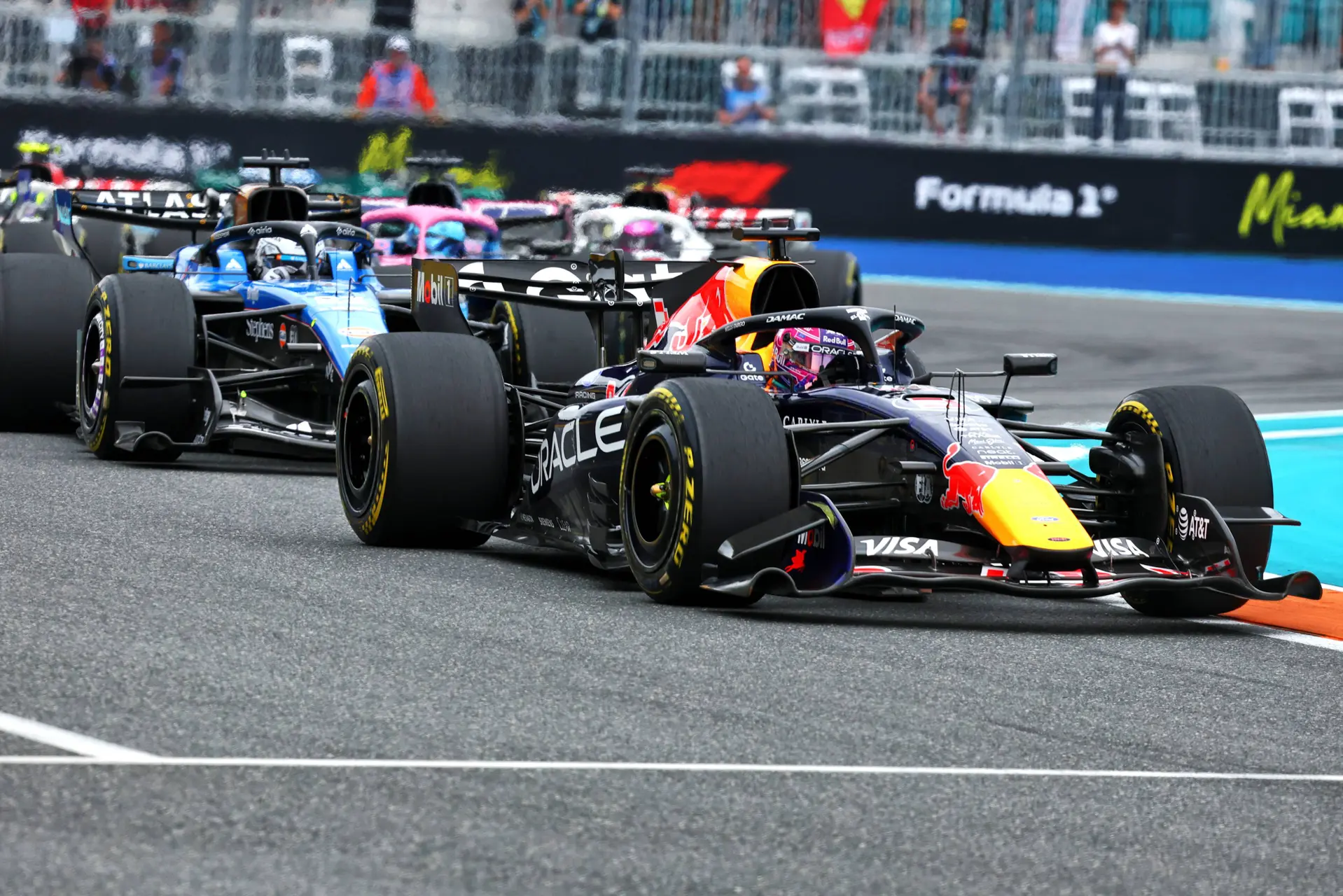
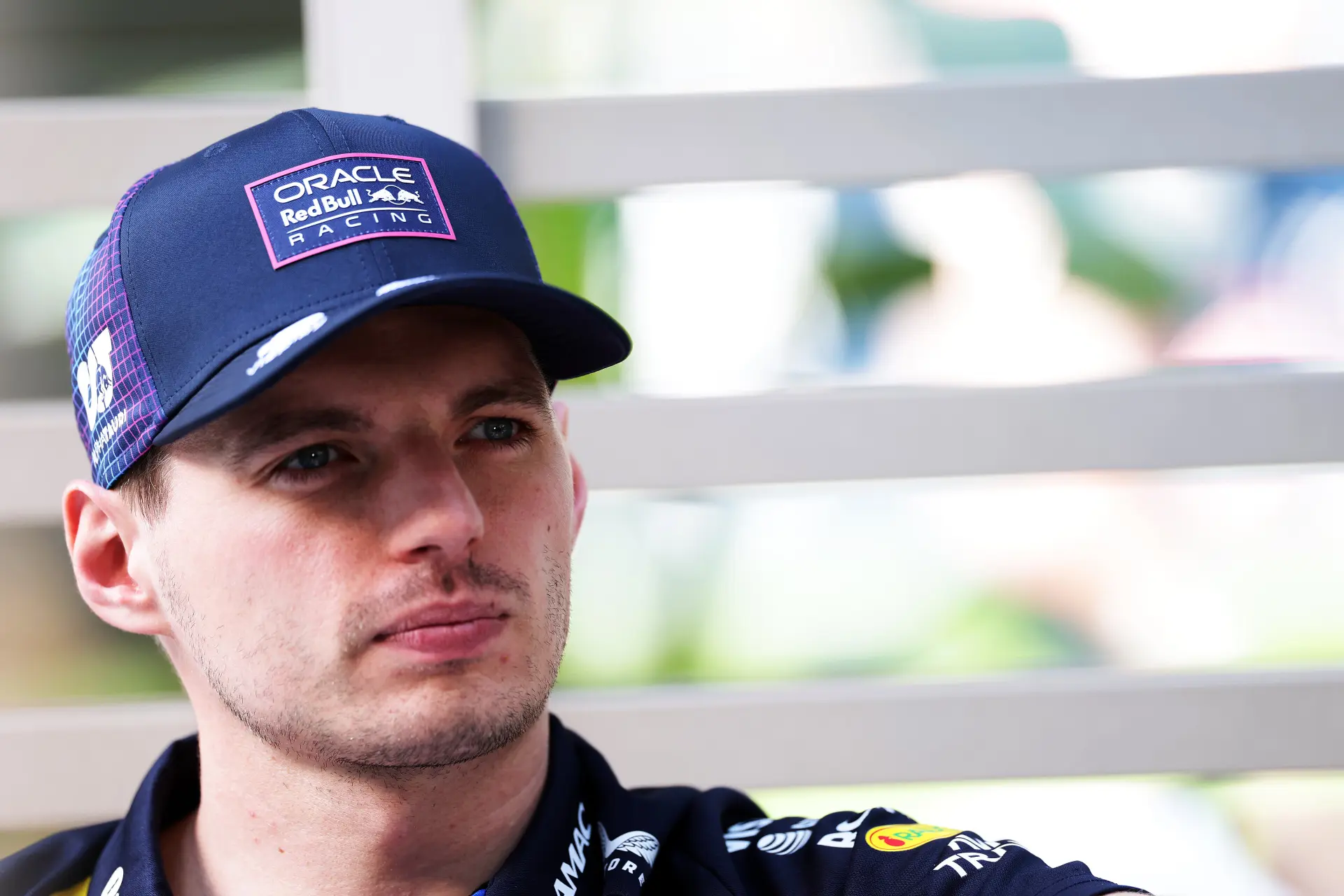
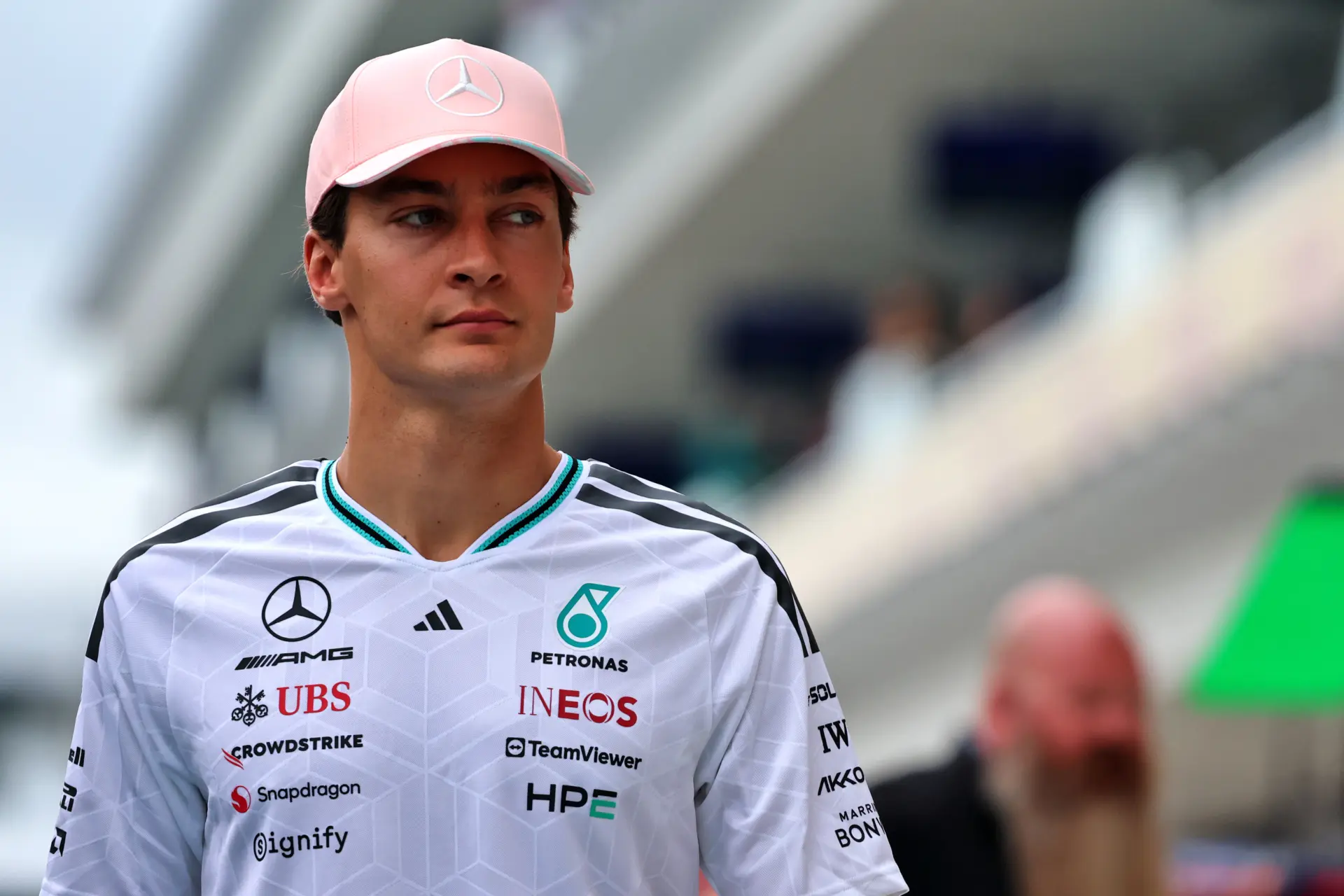
Hours after the Miami Grand Prix, Charles Leclerc, George Russell, and Max Verstappen learned their fate following possible infringements. During the race, commentators and then social media complained about the stewards, who could not reach a decision. 'It’s black-and-white,' David Croft said on Sky Sports about the incident involving Verstappen, for example. He argued that the Dutchman either crossed the line or he did not.
FIA changed approach at drivers' request
Apparently, the British commentator, and the people complaining on social media, hadn’t been paying attention at the start of the season. The FIA and the drivers had specifically agreed that when there is any doubt, an investigation would take place after the session. That way, additional camera footage could be reviewed and, if necessary, drivers could be heard.
There are always shots that are not immediately available in the live broadcast but only become so afterward. These are often the images teams present when they submit a 'Right of Review'. It was precisely these kinds of hearings (which often led nowhere, ed.) that the FIA, the drivers, and the teams wanted to avoid from this season onward.
ADVERTISEMENT
The stewards therefore followed the process very well, working toward fairer decision-making. Afterwards, no driver openly expressed annoyance about the lengthy consultations. That would have been odd, since, as mentioned, the drivers were key catalysts behind this improved way of working.
Fairer decision-making in Miami
Moreover, it has been shown that the decisions taken by the stewards were truly based on all available information. Going back to the Verstappen incident: if they had relied solely on the footage available during the race, the Dutchman likely could not have been penalized. After all, the images did not provide a definitive conclusion on whether he had crossed the line. Doubt means no penalty. The additional footage then showed that Verstappen had indeed committed an infraction, so a penalty was justified.
Perhaps decisions could be communicated a bit more quickly after the race, but at the same time, thoroughness outweighs speed. It also remains a human process: drivers can be heard, footage is carefully reviewed, and all the paperwork is put in order. That simply takes time.
ADVERTISEMENT
Don’t miss GPblog in Google
Mark us as a preferred source and our articles will appear more often at the top of Top Stories.
Add as a preferred / source on GoogleRead more about:
latest news
Azerbaijan Grand Prix
Overview
Thursday 24.09.26
Practice 1
08:30 AM
Practice 2
12:00 PM
Friday 25.09.26
Practice 3
08:30 AM
Qualification
12:00 PM
Saturday 26.09.26
Race
11:00 AM
Thursday 24.09.26
Practice 1
Thu 08:30 AM
Practice 2
Thu 12:00 PM
Friday 25.09.26
Practice 3
Fri 08:30 AM
Qualification
Fri 12:00 PM
Saturday 26.09.26
Race
Sat 11:00 AM
Times are in your local timezone
Rumors
Popular on GPBlog
1
Leclerc swaps Ferrari red for striking all-black look in Singapore
2781 times read
2
Fernando Alonso eyes 2027 WEC switch with Aston Martin
2623 times read
3
MotoGP Full Sprint Race Results | Martin wins after Acosta crash breaks KTM hearts
1861 times read
4
The Lambiase saga shows how far Formula 1 has gone overboard
803 times read
F1-stand 2026
Season
| Pos. | Driver | Team | Points |
|---|---|---|---|
1 | MercedesMER | 292 | |
2 | MercedesMER | 211 | |
3 | FerrariFER | 191 | |
4 | McLarenMCL | 186 | |
5 | FerrariFER | 167 | |
6 | Red Bull RacingRBR | 145 | |
7 | McLarenMCL | 120 | |
8 | Red Bull RacingRBR | 71 | |
9 | Racing BullsRCB | 59 | |
10 | AlpineALP | 41 |
Loading