F1’s new energy game: Why 2026 is testing drivers like never before
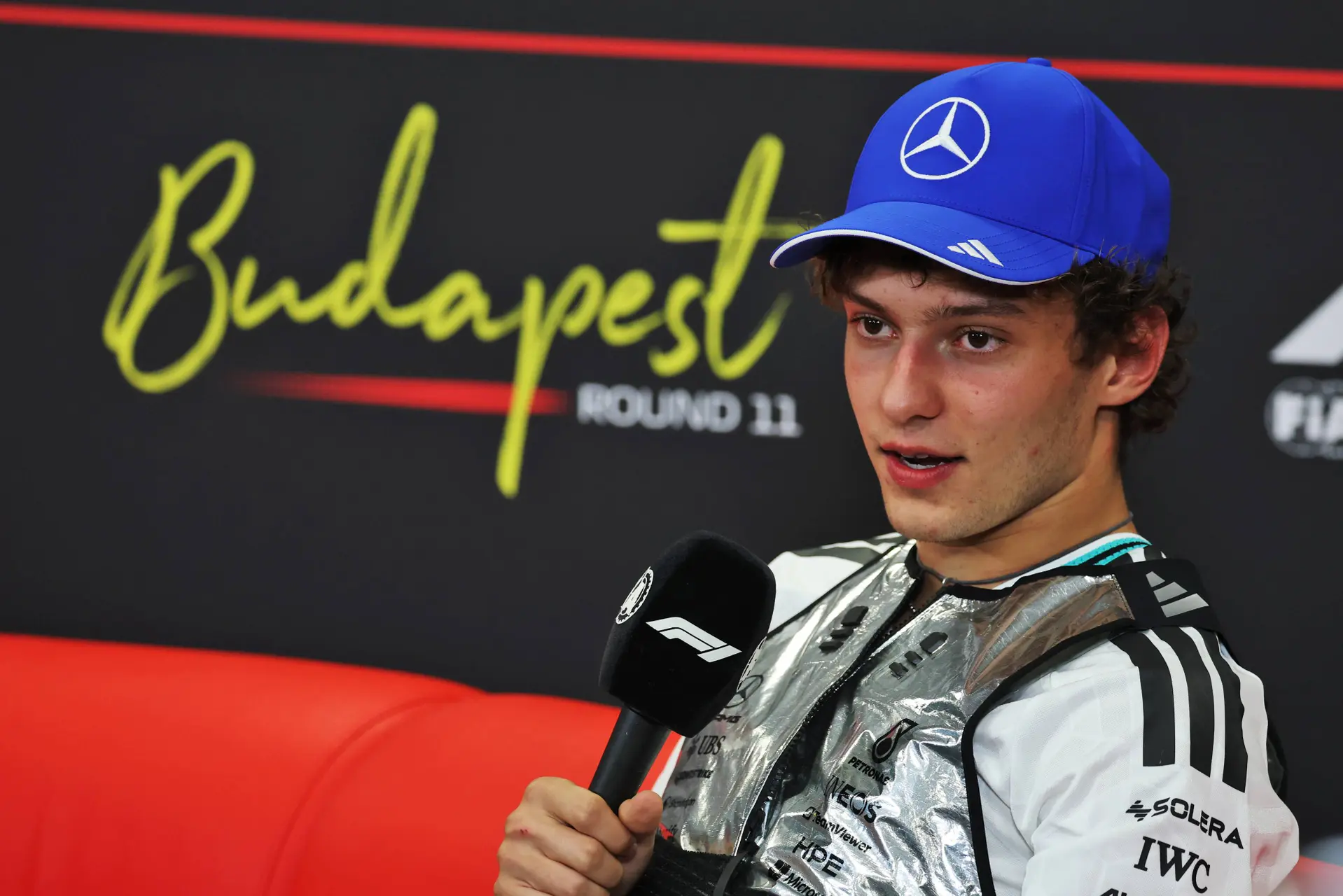
Photo: Race Pictures
09:00, 10 Aug
0 Comments

Ben Hunt is an award-winning motorsport journalist with over two decades of experience in Formula 1 and international media. As a former editor-in-chief and bestselling author, he delivers in-depth analysis and strategic insight from the highest level of the sport.
Formula 1’s 2026 reset has made energy management more visible than at any time in the hybrid era. The new power-unit formula divides performance far more evenly between combustion and electricity: the internal-combustion engine contributes up to 400kW, while the MGU-K can add up to 350kW. The MGU-H has been removed. That places greater emphasis on when a driver harvests energy, when they deploy it, and how they adjust their driving when the battery state of charge is falling. So, which drivers are benefiting most?
The honest answer is that timing and championship points cannot isolate driver energy management from car performance, power-unit efficiency, strategy and reliability. There is no official driver-by-driver ranking for deployment or harvesting. However, the early season offers clues. Drivers who consistently protect tyre life, hit lift-and-coast targets accurately and adapt their braking points without losing control of the car are likely to gain most under the new rules, which could yet be tweaked further.
Any claim beyond that would overstate what the public data can show. Sector times may reveal where a car gains or loses speed, but they cannot identify whether the cause is a driver’s energy choices, a calibration advantage or differing aerodynamic configurations.
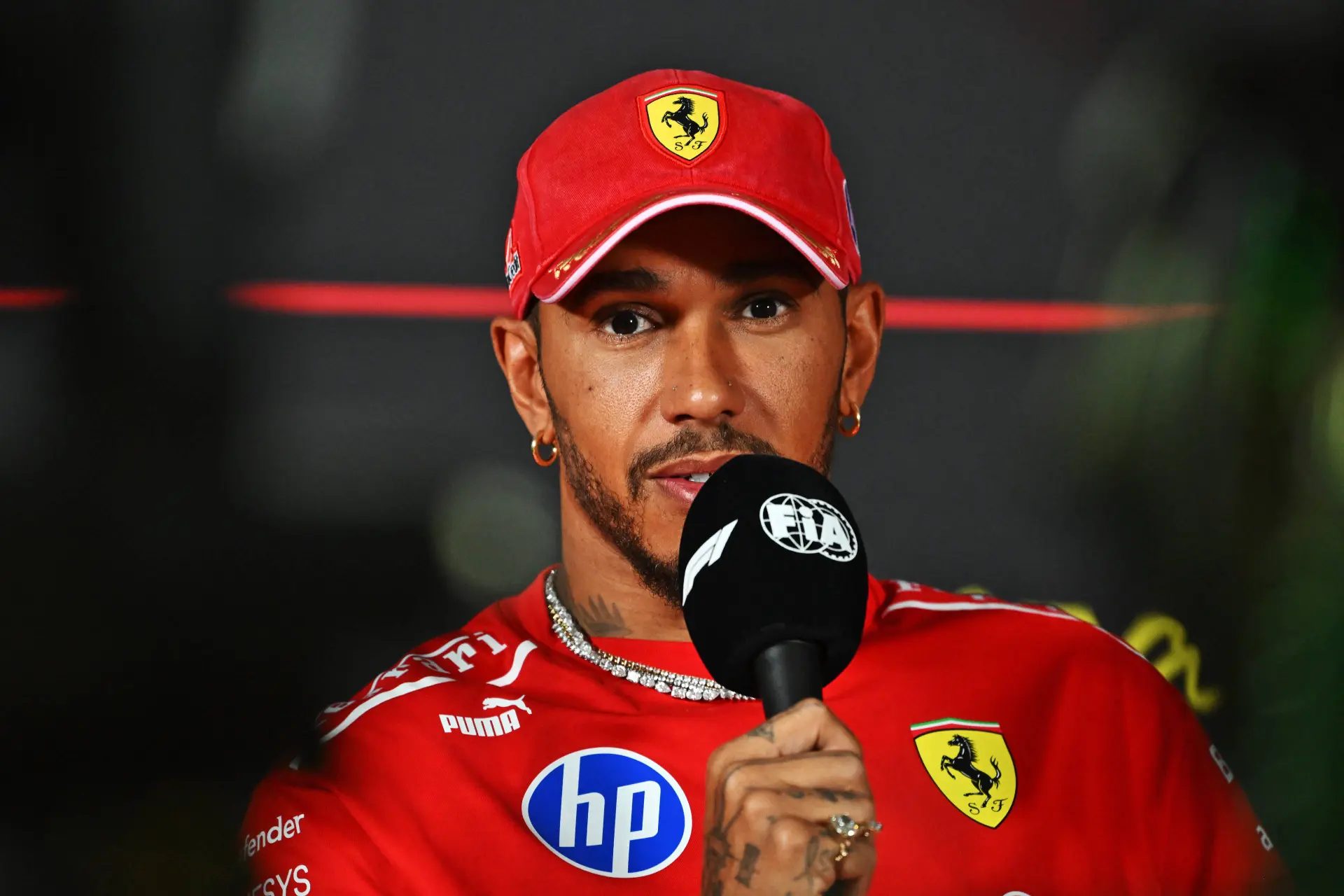
Mercedes’ Kimi Antonelli is the standout candidate based on results. He leads the drivers’ standings on 219 points, ahead of Lewis Hamilton on 169 and George Russell on 160. That alone does not prove Antonelli is the grid’s best energy manager. Yet his ability to convert pace into results across varied events suggests he is exploiting the package with unusual efficiency, particularly for a young driver operating in F1’s most demanding energy-management environment to date.
Hamilton and Russell also deserve attention. Both have extensive hybrid-era experience, but the 2026 challenge is different. The old system relied on a 120kW MGU-K and an MGU-H that recovered energy from exhaust heat. The new car has a much stronger MGU-K, while braking and lift phases carry more importance because the MGU-H no longer replenishes the battery. Experienced drivers may benefit from their understanding of brake management, tyre preservation and race pacing, but they must also unlearn previous deployment habits.
The honest answer is that timing and championship points cannot isolate driver energy management from car performance, power-unit efficiency, strategy and reliability. There is no official driver-by-driver ranking for deployment or harvesting. However, the early season offers clues. Drivers who consistently protect tyre life, hit lift-and-coast targets accurately and adapt their braking points without losing control of the car are likely to gain most under the new rules, which could yet be tweaked further.
Any claim beyond that would overstate what the public data can show. Sector times may reveal where a car gains or loses speed, but they cannot identify whether the cause is a driver’s energy choices, a calibration advantage or differing aerodynamic configurations.
Mercedes’ Kimi Antonelli is the standout candidate based on results. He leads the drivers’ standings on 219 points, ahead of Lewis Hamilton on 169 and George Russell on 160. That alone does not prove Antonelli is the grid’s best energy manager. Yet his ability to convert pace into results across varied events suggests he is exploiting the package with unusual efficiency, particularly for a young driver operating in F1’s most demanding energy-management environment to date.
Hamilton and Russell also deserve attention. Both have extensive hybrid-era experience, but the 2026 challenge is different. The old system relied on a 120kW MGU-K and an MGU-H that recovered energy from exhaust heat. The new car has a much stronger MGU-K, while braking and lift phases carry more importance because the MGU-H no longer replenishes the battery. Experienced drivers may benefit from their understanding of brake management, tyre preservation and race pacing, but they must also unlearn previous deployment habits.
The power deployment confuses the statistics
The drivers most likely to lose time are not necessarily the slowest over one lap. The risk is a driver who repeatedly arrives at key acceleration zones with insufficient energy, or who harvests so aggressively that they sacrifice exit speed and compromise the next straight. With roughly half of a 2026 power unit’s potential output electrical, these small compromises can quickly become a lap-time problem and, in traffic, a defensive weakness.
Circuit layout deepens the difference. Tracks with heavy braking zones offer more opportunities to recover energy. High-speed venues with fewer braking events can make the energy balance harder, requiring drivers to lift earlier, adjust throttle application or accept reduced electrical assistance late on a straight.
Formula 1 has already refined its approach, including circuit-dependent qualifying recharge limits, to limit excessive energy-saving behaviour. That confirms the competitive challenge is not fixed from one Grand Prix to the next.
For now, Antonelli’s points lead makes him the strongest results-based example of a driver thriving in the new era. But a definitive answer requires telemetry that teams do not publish: state of charge, deployment maps, lift points, brake-energy recovery and power-unit modes.
Until that data is available, it is more accurate to say the 2026 energy-management gap is being shaped by driver execution and manufacturer performance together and not by either factor alone.
Circuit layout deepens the difference. Tracks with heavy braking zones offer more opportunities to recover energy. High-speed venues with fewer braking events can make the energy balance harder, requiring drivers to lift earlier, adjust throttle application or accept reduced electrical assistance late on a straight.
Formula 1 has already refined its approach, including circuit-dependent qualifying recharge limits, to limit excessive energy-saving behaviour. That confirms the competitive challenge is not fixed from one Grand Prix to the next.
For now, Antonelli’s points lead makes him the strongest results-based example of a driver thriving in the new era. But a definitive answer requires telemetry that teams do not publish: state of charge, deployment maps, lift points, brake-energy recovery and power-unit modes.
Until that data is available, it is more accurate to say the 2026 energy-management gap is being shaped by driver execution and manufacturer performance together and not by either factor alone.
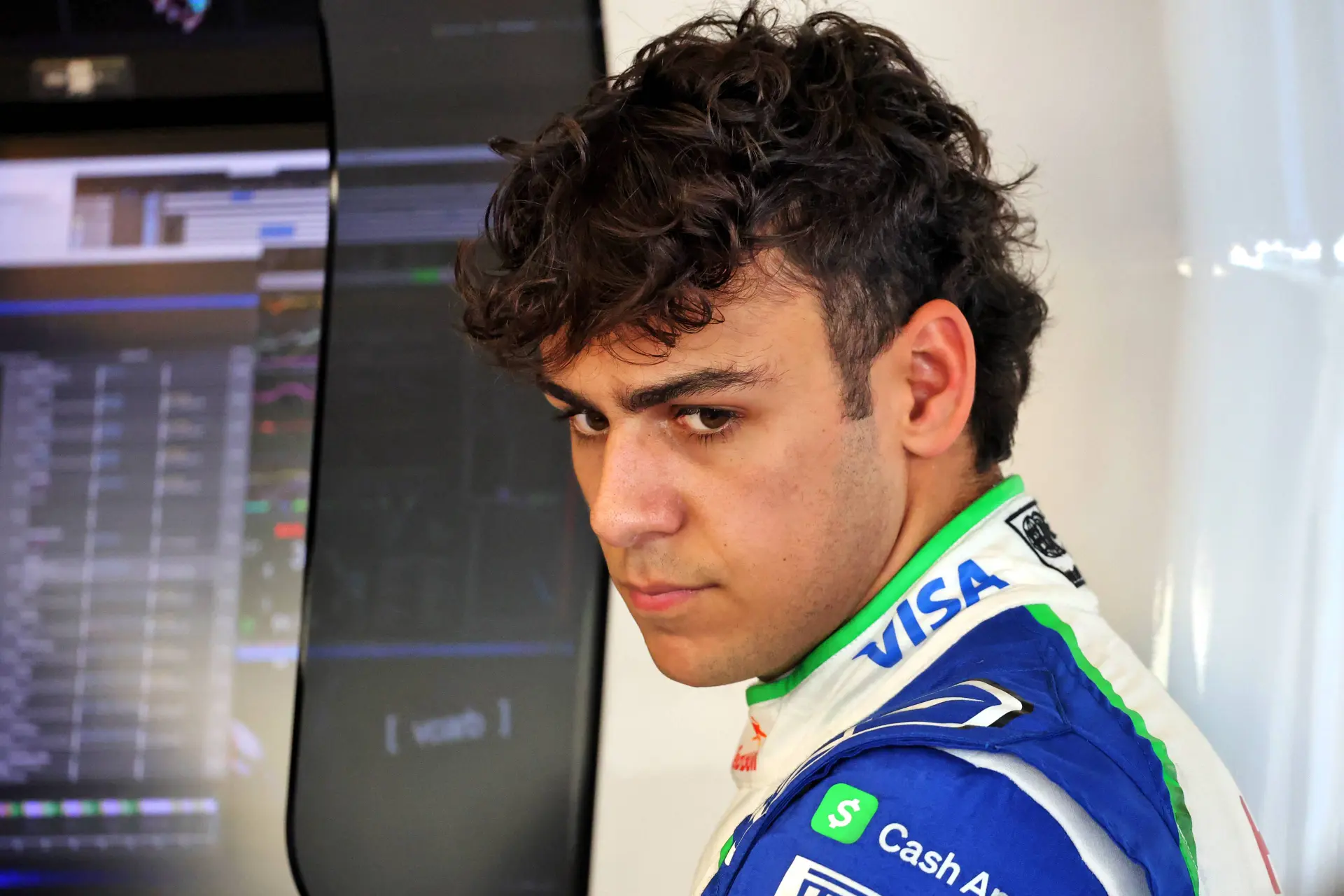
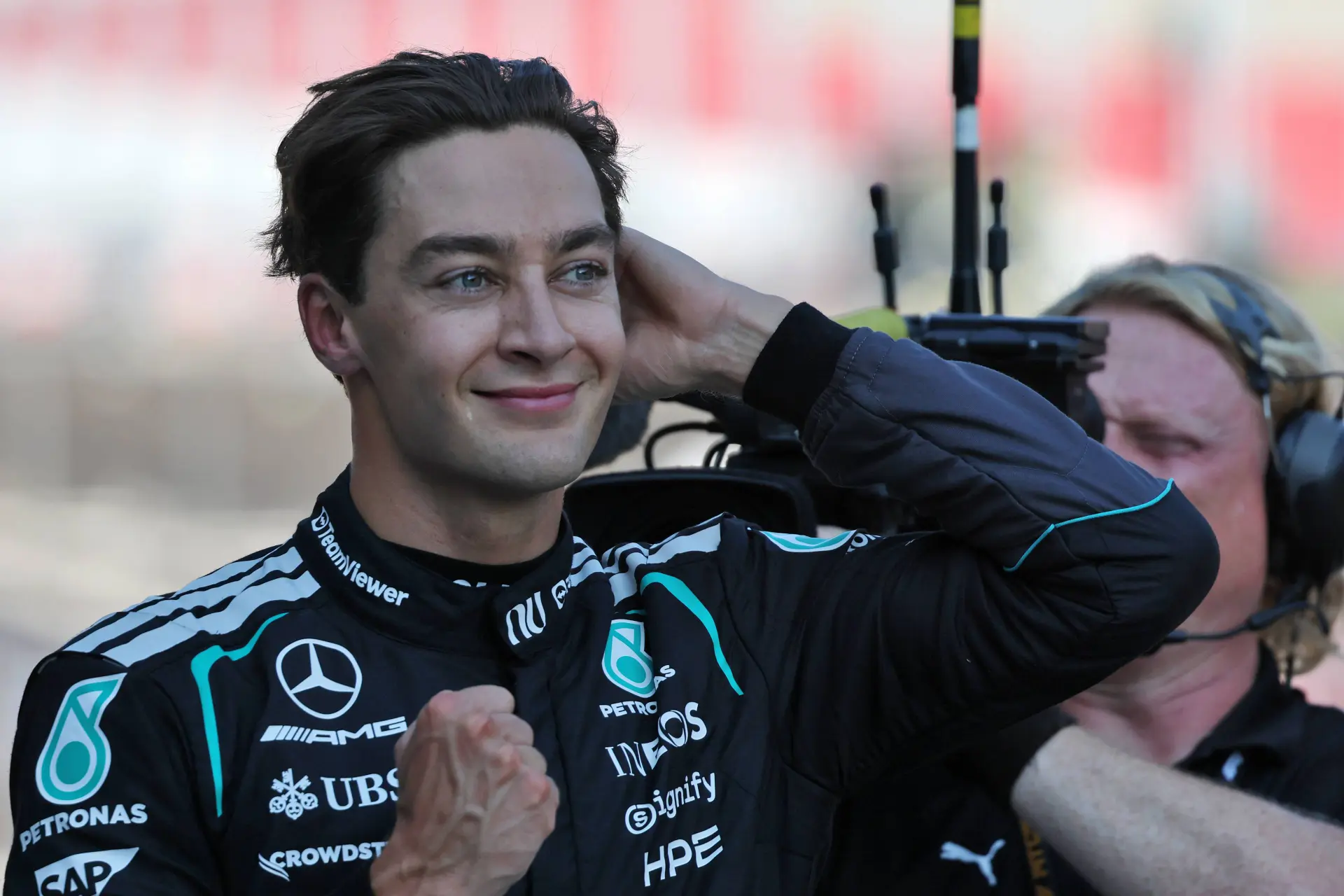
Don’t miss GPblog in Google
Mark us as a preferred source and our articles will appear more often at the top of Top Stories.
Add as a preferred / source on GoogleRead more about:
latest news
Azerbaijan Grand Prix
Overview
Thursday 24.09.26
Practice 1
08:30 AM
Practice 2
12:00 PM
Friday 25.09.26
Practice 3
08:30 AM
Qualification
12:00 PM
Saturday 26.09.26
Race
11:00 AM
Thursday 24.09.26
Practice 1
Thu 08:30 AM
Practice 2
Thu 12:00 PM
Friday 25.09.26
Practice 3
Fri 08:30 AM
Qualification
Fri 12:00 PM
Saturday 26.09.26
Race
Sat 11:00 AM
Times are in your local timezone
Rumors
Popular on GPBlog
1
Hamilton learns stewards’ verdict after ‘dangerous’ Azerbaijan FP2 incident with Lawson
3958 times read

2
Audi reaches final decision over its 2027 F1 driver line-up
1571 times read
3
Verstappen receives the confirmation he wanted from Red Bull in Baku
1090 times read
4
Cadillac hires former Red Bull key figure, but Alpine blocks the move for now
1048 times read
F1-stand 2026
Season
| Pos. | Driver | Team | Points |
|---|---|---|---|
1 | MercedesMER | 292 | |
2 | MercedesMER | 211 | |
3 | FerrariFER | 191 | |
4 | McLarenMCL | 186 | |
5 | FerrariFER | 167 | |
6 | Red Bull RacingRBR | 145 | |
7 | McLarenMCL | 120 | |
8 | Red Bull RacingRBR | 71 | |
9 | Racing BullsRCB | 59 | |
10 | AlpineALP | 41 |
Loading