
Shanna LutgertEindredacteur
Shanna is a Formula 1 journalist at GPblog, specializing in both F1 and endurance and GT racing. With a Master’s degree in Journalism and experience at international circuits, she provides in-depth, reliable coverage and insights based on her presence at Grands Prix and racing events worldwide.
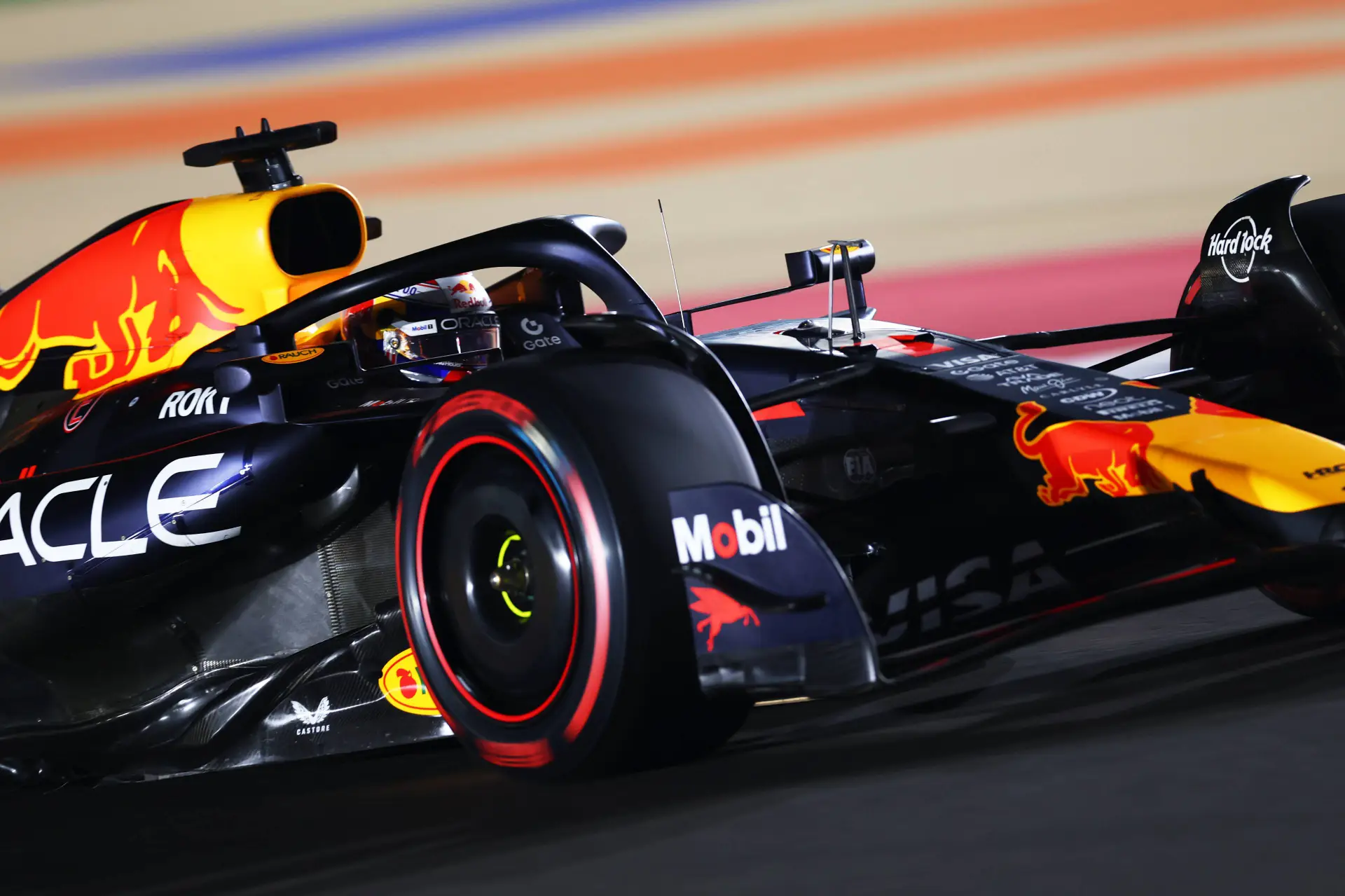
Max Verstappen is aiming for his fourth consecutive victory at Lusail in Qatar. On a circuit he knows so well, the fast corners call for a different approach this year. GPblog simulates a qualifying lap to show where the new engine could make the difference, and why Verstappen will already need to factor in the long straight through the final corners.
Max Verstappen clocked a 1:19.651 in Qatar last year, earning him third place on the grid. In the RB22, he could manage a 1:21.9 on a dry track. That estimate is based on a comparison of qualifying times at seventeen circuits. In Lusail’s fast final sector in particular, Verstappen faces a choice he did not have to make in quite the same way last year. How much electrical power should he use there if he also wants to keep accelerating along the straight?
For its calculation, GPblog reviewed all 21 Grand Prix qualifying sessions held so far. At the seventeen comparable circuits, the fastest lap of the field this year was, on average, 2.82 per cent slower than in 2025. Applied to Verstappen’s own time in Qatar, that amounts to a difference of around 2.25 seconds. The results do not show how much of that he would lose in any one particular corner. The pink line in the graph shows one possible way of distributing the time loss across the lap.
What changes for Verstappen on the straight
ADVERTISEMENT
The difference is easiest to spot on the run to Turn 1. Last year, Verstappen’s speed continued to climb to around 330 kilometres per hour. For the current generation of cars, brake manufacturer Brembo expects a top speed of about 322 kilometres per hour at that point. In the simulation, the RB22 initially accelerates just as well, before the pink line levels off sooner. That fits a lap in which Verstappen receives less electrical assistance at the end of the straight. How early that happens depends on the setup Red Bull chooses.

A simulation of Max Verstappen’s potential fastest lap in Qatar - Source: GPblog
Looking only at top speed means missing an interesting part of the lap. In its technical preview, Williams specifically highlights Turn 9 and the sequence from Turn 12 through Turn 15. Around Turn 9, Verstappen’s speed on last year’s lap still rises briefly before he brakes for Turn 10. This is a point where Red Bull can decide how much energy to save. In the graph, the result appears as a lower peak just before the braking zone.
Why the final sector reveals so much about the RB22
ADVERTISEMENT
From Turn 12, Verstappen sweeps through three consecutive high-speed right-handers. The front-left tyre bears much of the load there. In qualifying, the work starts during the out-lap. The right-front tyre is difficult to get up to temperature at Lusail, while the tyres on the left can quickly overheat during a fast lap. If Verstappen lacks grip on turn-in at Turn 12, he carries that loss through the entire sequence. Even with enough energy in the battery, he could lose time there.
Sepang gives Red Bull some encouragement. Verstappen was able to maintain a fast pace on the soft tyre for twenty laps there, at a circuit that also puts significant demands on the car through its fast corners. In Brazil, his race pace on the soft tyre was almost identical to Lando Norris’s. The RB22 has therefore shown at several tracks that it has the speed to fight at the front. Whether Verstappen can keep the left-side tyres in good shape over a single qualifying lap in Qatar is another question.
Red Bull will get its first indication on Friday evening. Temperatures during practice are expected to be around 22 degrees, making the second practice session a better comparison than the warmer daytime sessions.
Don’t miss GPblog in Google
Mark us as a preferred source and our articles will appear more often at the top of Top Stories.
Add as a preferred / source on Google