Qatar GP could expose a major weakness in F1's 2026 cars
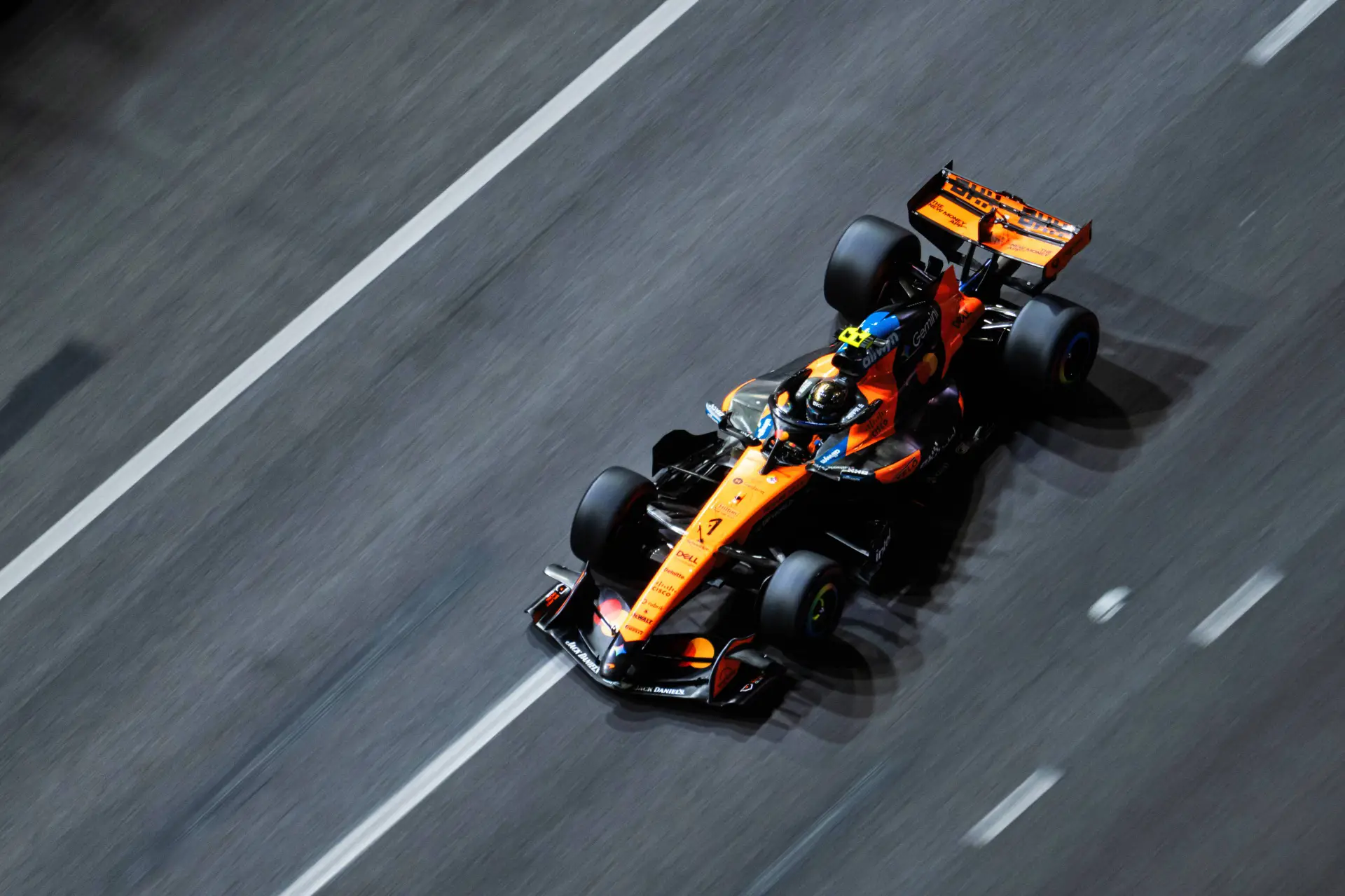
Will McLaren finish fourth in the championship? - Photo: RacePictures

Ben Hunt is an award-winning motorsport journalist with over two decades of experience in Formula 1 and international media. As a former editor-in-chief and bestselling author, he delivers in-depth analysis and strategic insight from the highest level of the sport.
Formula 1's new technical regulations have fundamentally changed the characteristics of the cars in 2026. However, as the season approaches its conclusion, the Qatar Grand Prix could provide another important indication of how successfully teams have adapted to the new generation of machinery.
The Lusail International Circuit presents a particularly interesting challenge. Unlike several circuits on the calendar, Qatar features a succession of fast and flowing corners, placing sustained demands on the cars rather than relying primarily on heavy braking zones and slow-speed traction.
That makes the penultimate race of the season an interesting test of the 2026 regulations, particularly when considering the changes introduced to aerodynamic performance and power-unit deployment.
Qatar presents a different challenge
The 2026 regulations introduced a significant reduction in aerodynamic load, alongside changes to the power units and the way electrical energy is deployed.
ADVERTISEMENT
While these changes were designed to improve racing and make the cars more efficient, their impact varies depending on the characteristics of individual circuits.
Lusail is particularly demanding because of its sequence of medium- and high-speed corners. Drivers spend considerable time applying sustained loads through corners, with relatively few opportunities to recover between them.
This is also reflected in Pirelli's preparations for the weekend. The tyre manufacturer has selected its three hardest compounds, the C1, C2 and C3, while introducing a maximum stint length of 27 laps.
The 57-lap race will consequently require every driver to make at least two pit stops. Pirelli has explained that the restriction is a precautionary measure linked to the circuit's energy loads, thermal stress and tyre wear.
The 2026 cars have allowed the maximum stint length to increase from 25 laps in 2025, partly because of lower aerodynamic loads and reinforced tyre construction.
ADVERTISEMENT
GPblog has already examined the implications of this restriction as Qatar's tyre rule leaves teams choices, but no one-stop option. However, the more interesting question is what the race can reveal about the cars themselves.

A difficult test for the new regulations
One of the biggest challenges facing the teams this season has been finding the right balance between aerodynamic performance, mechanical grip and electrical energy management.
The reduction in aerodynamic load has changed how the cars behave through corners, while the increased importance of electrical power has introduced another variable into driver performance.
ADVERTISEMENT
Qatar combines these challenges in a particularly interesting way. The long corners require drivers to maintain speed while managing tyre temperatures and aerodynamic balance. Meanwhile, the power-unit regulations mean teams must carefully consider how much electrical energy they deploy during different sections of the lap.
This creates a situation in which the fastest car on a conventional circuit might not necessarily enjoy the same advantage at Lusail.
A team with particularly efficient aerodynamics could find itself in a stronger position, while another might benefit from a power unit capable of managing electrical energy more effectively.
It is therefore worth examining whether the competitive order changes when the characteristics of the circuit change.
ADVERTISEMENT
Which teams could benefit?
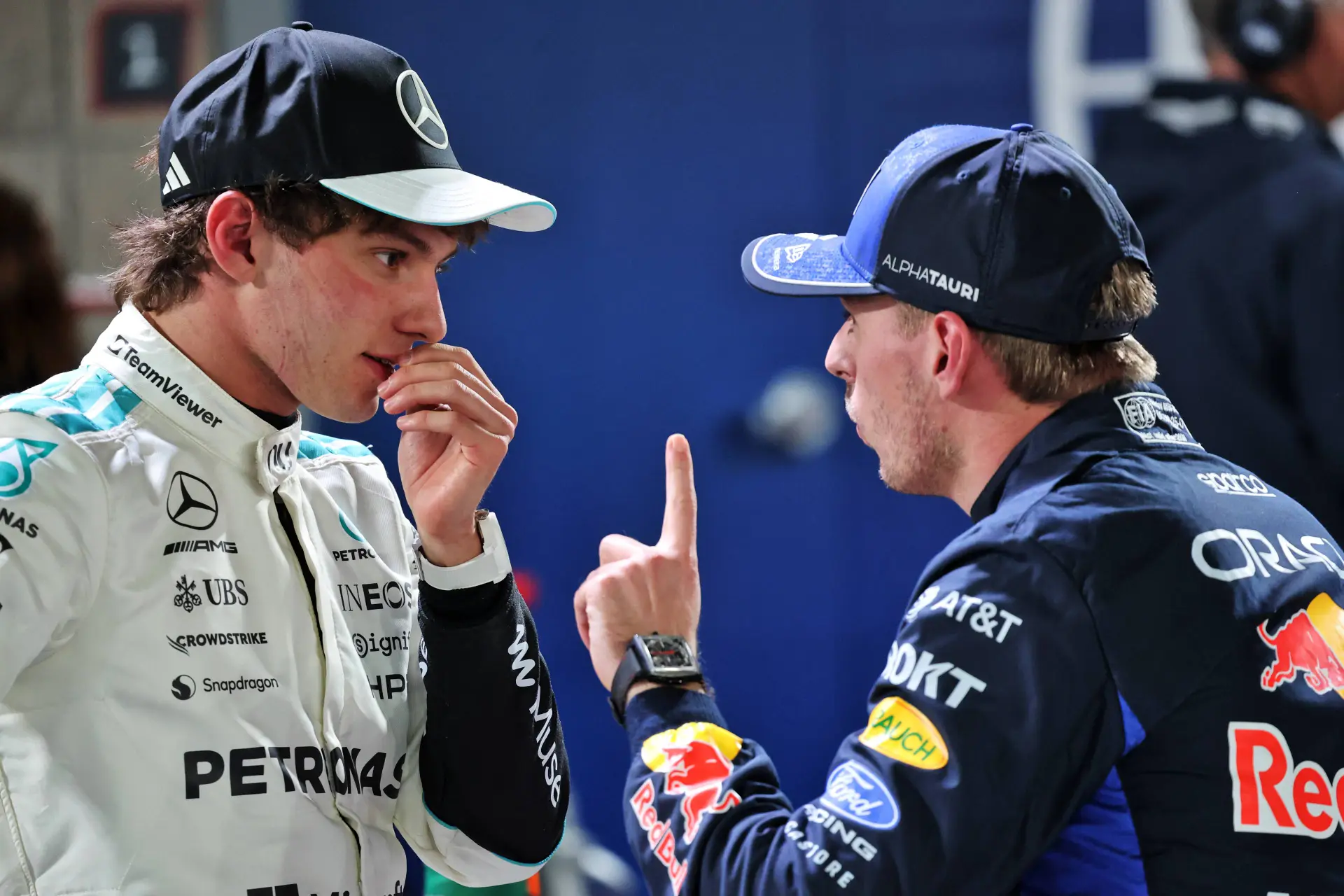
The battle between the leading manufacturers will provide an interesting comparison.
Mercedes, Ferrari, Red Bull and McLaren have all had to adapt to the new regulations, but their respective approaches to aerodynamic development and power-unit performance have not necessarily produced identical results.
Qatar could provide another opportunity to identify which teams have found the best compromise.
McLaren has already highlighted the importance of battery-energy management at Lusail. The team's associate director of car race engineering, Adrian Goodwin, explained in its official race preview that the long corners and variable wind conditions make energy deployment an important consideration.
ADVERTISEMENT
Qualifying could be particularly revealing because teams will need to optimise their energy usage while maintaining performance through the circuit's demanding corners.
GPblog previously examined the wider learning curve associated with the new regulations in its report, Hamilton admits much more study is needed for challenging 2026 F1 power rules.
The Qatar weekend could offer another indication of how much progress drivers and teams have made since the beginning of the season.
What Qatar could tell us about 2027
ADVERTISEMENT
The significance of the weekend extends beyond the immediate championship battle.
Teams are already considering how to approach the next development cycle, with the 2027 regulations introducing further adjustments to the technical framework.
Understanding where the current cars perform well and where they struggle will be important when deciding which areas require attention.
If certain teams consistently struggle at circuits with long, high-speed corners, that could influence their development priorities heading into next season.
Equally, a strong performance at Lusail would provide evidence that a team has developed a package capable of performing across a wider range of circuit characteristics.
ADVERTISEMENT
The Qatar Grand Prix will not provide a definitive verdict on the success of the 2026 regulations. However, it could offer another valuable piece of evidence as Formula 1 approaches the end of its first season under the new rules.
Don’t miss GPblog in Google
Mark us as a preferred source and our articles will appear more often at the top of Top Stories.
Add as a preferred / source on Google