
Ben Hunt is an award-winning motorsport journalist with over two decades of experience in Formula 1 and international media. As a former editor-in-chief and bestselling author, he delivers in-depth analysis and strategic insight from the highest level of the sport.
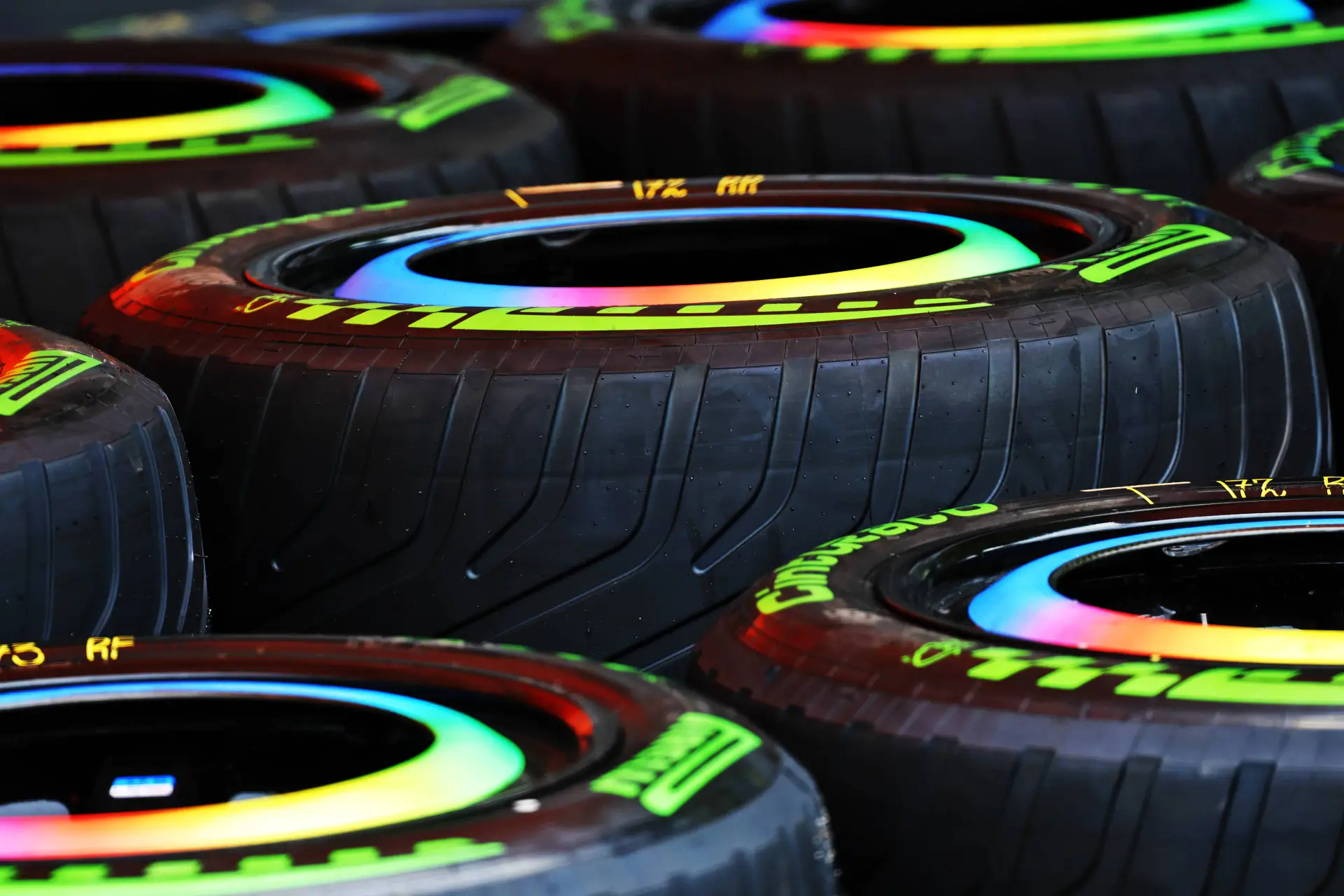
Pirelli’s 27-lap limit will set a hard boundary for teams at the Qatar Grand Prix, making at least two pit stops necessary over the 57-lap race. The tyre supplier has also chosen the three hardest compounds in its range for Lusail, where sustained high-speed corners and heavy wear make tyre management central to the weekend.
Pirelli will bring the C1 hard, C2 medium and C3 soft tyres to Qatar. The selection gives teams the hardest available range, but it does not remove the strategic challenge: they must still manage the maximum stint length and decide how to use each compound across the race.
The 27-lap cap is less restrictive than the 25-lap limit used at the previous Qatar event, but the principle is the same. No set can be used beyond its permitted distance, and the race length means a single stop cannot cover the required mileage. At least two stops are therefore unavoidable.
In its Qatar tyre selection announcement, Pirelli said the choice of compounds was “dictated by the characteristics of the Qatari circuit”. It noted that Lusail’s 16 corners include a succession of high-speed turns that subject the tyres to continuous stress.

Pirelli
ADVERTISEMENT
Why Pirelli has chosen its hardest compounds
The circuit’s demands are not limited to overall tyre wear. Pirelli says the front-left tyre is particularly exposed, while the relatively smooth track surface and high temperatures can encourage graining across all three compounds. Graining can further increase wear, adding another variable for teams as they assess how long a set can remain competitive.
The C1, C2 and C3 selection is intended to suit those conditions, but the compounds do not guarantee a straightforward race. A tyre that lasts within the permitted stint may still lose performance, and teams must weigh that degradation against the time lost in the pit lane and the risk of rejoining in traffic.
GPBlog’s report on the 2026 Qatar stint limit outlines the restriction. Its coverage of the 2025 cap provides context for the previous event’s tighter limit.
ADVERTISEMENT
Teams still have choices within the two-stop requirement
With the minimum number of stops established, the strategic battle shifts from whether to stop twice to when. An early stop could create an undercut opportunity, but it may leave a driver with longer stints later in the race. Extending a stint could help protect track position or open a different sequence, provided the team stays within the 27-lap maximum.
The hardest compounds provide a consistent starting point for the weekend, but teams will still need to assess how the tyres behave on track. Practice running, qualifying choices and the condition of each set will all inform the race plan. The rule defines the maximum distance for a set however it does not dictate the fastest legal strategy.
Race-day circumstances could also alter the calculations. Traffic, a safety car or unexpected tyre performance may prompt teams to adapt their timing. The cap narrows the strategic options, but does not guarantee the same approach will work for every driver.
Qatar’s two-stop requirement may make the broad shape of the race more predictable. The challenge will be to balance tyre life and pace while choosing the right moment to stop. With high wear on the front-left and graining also a concern, the teams that read their tyres best could still find an advantage within Pirelli’s limits.
ADVERTISEMENT
Don’t miss GPblog in Google
Mark us as a preferred source and our articles will appear more often at the top of Top Stories.
Add as a preferred / source on Google