Red Bull-Ford engine sets the benchmark, but stats tell a different story
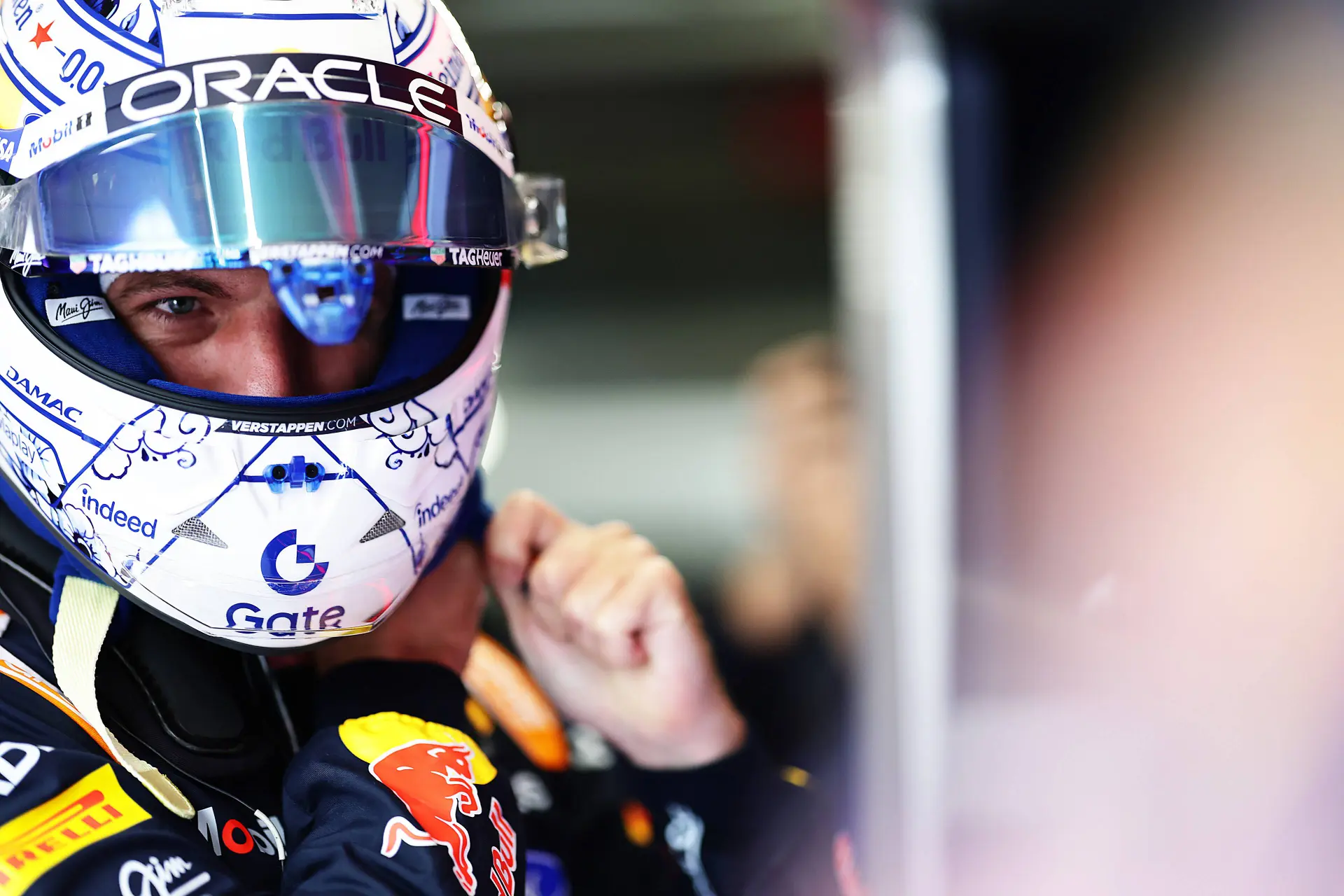
Photo: Race Pictures

Tobia is a Formula 1 journalist at GPblog with experience at international circuits. Since 2022, he has covered Grands Prix across Europe, delivering reliable coverage and insights from the paddock.
For the second ADUO evaluation period, the FIA once again identified the Red Bull-Ford power unit as the benchmark for ICE performance. Yet after the opening 12 races, the picture on track could hardly be more different, with Mercedes-powered cars enjoying overwhelming dominance.
Just a few days ago, the FIA published the results of its second ADUO evaluation period, assessing the performance of the five power units on the grid. Red Bull-Ford once again emerged as the ICE benchmark, while Mercedes was found to be between 2% and 4% behind the reference figure. Ferrari, meanwhile, was assessed as being more than 4% down on the benchmark.
The numbers underline just how overwhelming Mercedes' advantage has been across the opening 12 races. Mercedes-powered cars have led 605 of the 745 racing laps completed so far, accounting for a remarkable 81.2% of the total.
Ferrari is the only manufacturer to have made a meaningful dent in that figure, with its power unit spending 132 laps at the front, equivalent to 17.7%. Combined, Mercedes and Ferrari therefore account for 737 of the 745 laps led this season, leaving virtually nothing for the other three manufacturers.
| Power Unit | Laps led | % |
| Mercedes | 605 | 81.2% |
| Ferrari | 132 | 17.7% |
| Red Bull Ford | 8 | 1.1% |
| Honda | 0 | 0% |
| Audi | 0 | 0% |
| Total | 745 | 100% |
ADVERTISEMENT
It is also worth putting those numbers into the context of reliability. Max Verstappen has already suffered four retirements across the opening 12 Grands Prix, failing to reach the chequered flag in China, Monaco, Great Britain and most recently the Netherlands. That means the Dutchman has failed to finish a third of the races held so far, while his Red Bull teammate Isack Hadjar has also recorded two DNFs, in Australia and Miami.
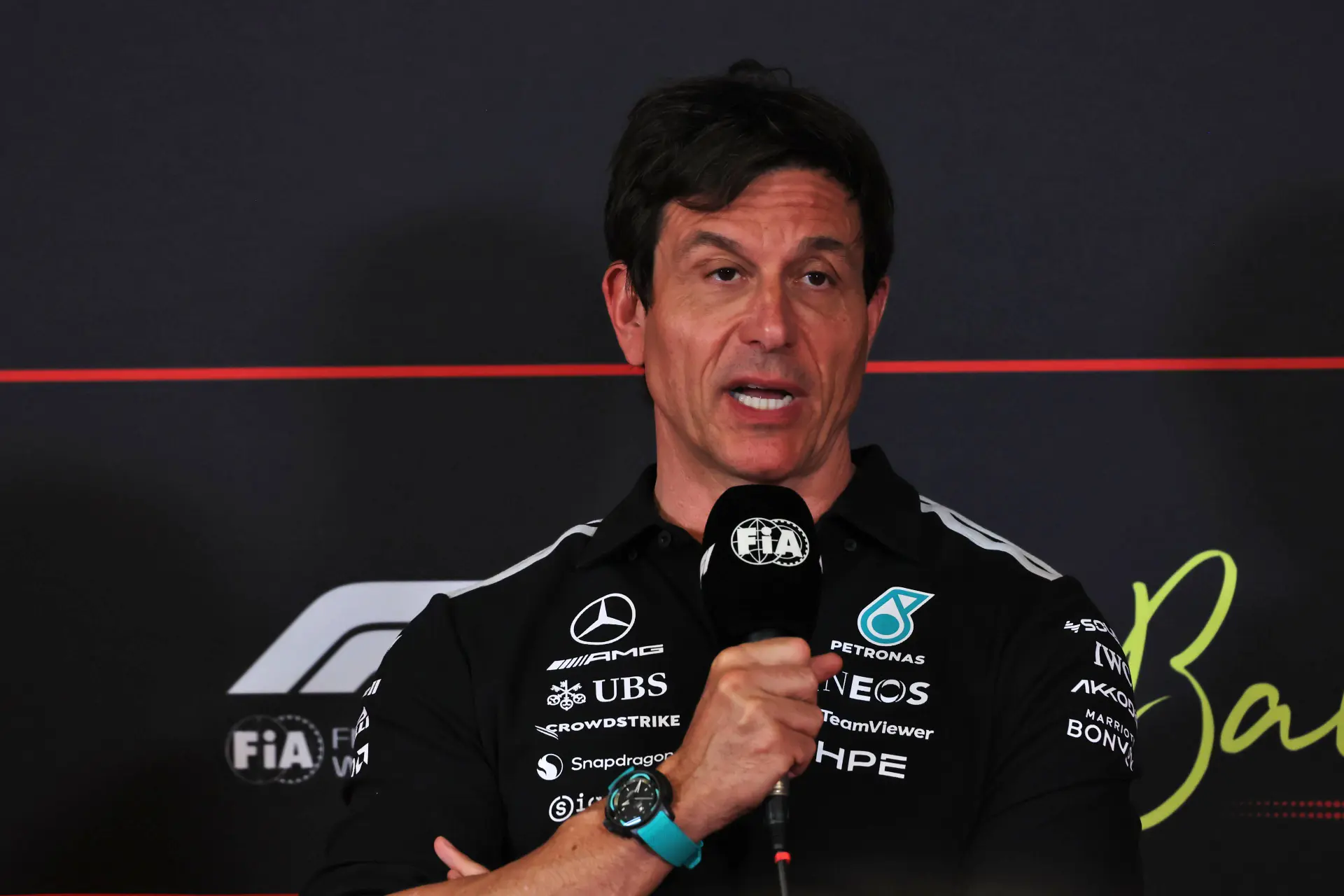
Mercedes has not been immune to reliability problems either. The works team has recorded three retirements, with George Russell failing to finish in Canada and Belgium and Kimi Antonelli retiring in Barcelona.
The picture becomes even more striking at McLaren: the Mercedes-powered team has six non-finishes across Norris and Piastri when DNFs and DNSs are combined, split evenly between the two drivers. Norris failed to start in China and retired in Canada and Monaco, while Piastri recorded DNSs in Australia and China before retiring in Hungary. Despite that considerable number of missed race finishes across two of its leading teams, Mercedes-powered machinery has still accounted for more than 80% of all laps led this season.

Photo: Red Bull Content Pool
Ferrari, by comparison, has suffered only two retirements across the opening 12 races, both involving Charles Leclerc, who failed to reach the chequered flag in Monaco and Barcelona. Lewis Hamilton, meanwhile, has completed every Grand Prix so far.
ADVERTISEMENT
It should be stressed, however, that power-unit performance alone does not define the competitiveness of a car. Even the strongest engine can only deliver results when combined with an effective chassis and aerodynamic package, strong tyre management, reliability and clean execution throughout a race weekend.
The laps-led figures are therefore not definitive proof of where each manufacturer stands in the power-unit hierarchy, but they do offer an interesting counterpoint to the FIA's ICE assessment, particularly given how comprehensively Mercedes-powered cars have dominated the front of the field.

Don’t miss GPblog in Google
Mark us as a preferred source and our articles will appear more often at the top of Top Stories.
Add as a preferred / source on Google