F1's new Rwanda Grand Prix deal is landmark - but these huge questions remain unanswered
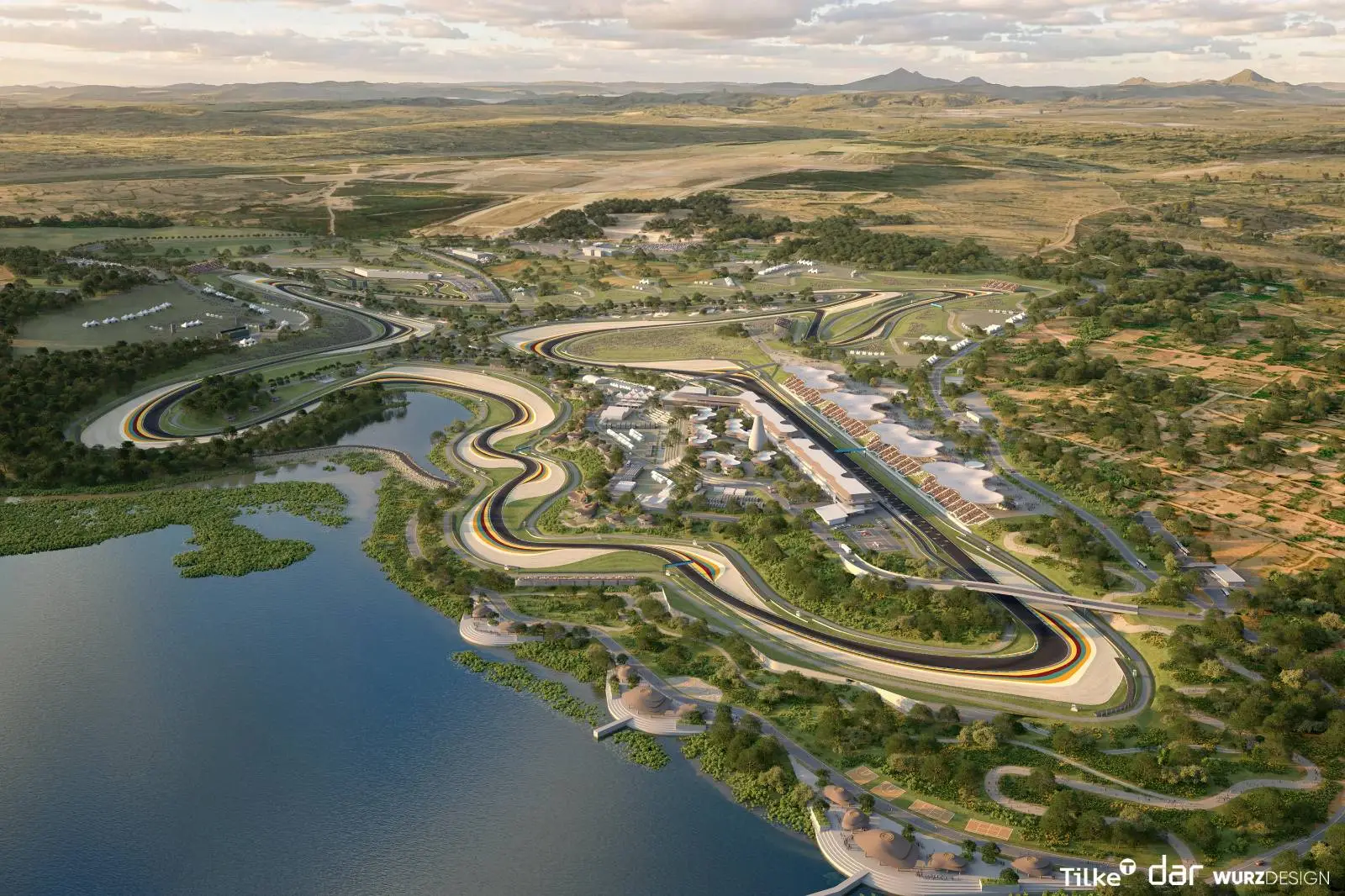
Photo: F1

Ben Hunt is an award-winning motorsport journalist with over two decades of experience in Formula 1 and international media. As a former editor-in-chief and bestselling author, he delivers in-depth analysis and strategic insight from the highest level of the sport.
Formula 1 returning to Africa should be a moment to celebrate. A championship that calls itself global has spent decades without a race on the continent, despite Lewis Hamilton repeatedly making the case for one. Rwanda’s agreement offers a way to correct that absence. But that celebration should not require suspension of judgement or scrutiny.
F1 boss Stefano Domenicali welcomed the new Grand Prix in a lavish presentation in Rwanda, with some of the assembled media there to cover the event having made the trip on F1’s dime, which in itself is a curious move and should be noted.
Rwanda has ambition but also unwelcome attention
There is a convincing sporting argument for the deal. Rwanda has assembled a proposal with financial backing and a coherent development plan, while other African bids have struggled to secure funding or reconcile competing projects. With places on the calendar in demand, it is understandable that F1 favoured a package it considered deliverable.
A 10-year agreement beginning in the early 2030s also gives the project a longer horizon than a fleeting promotional exercise but that does not makes Rwanda beyond scrutiny, especially from those unsuccessful bids in South Africa and Morocco.
The proposed circuit is another reason for genuine enthusiasm.
ADVERTISEMENT
Alex Wurz’s design draws inspiration from Spa, Suzuka and Mugello, using Rwanda’s landscape rather than treating it as an obstacle to flatten. Around six kilometres, seventeen corners and nearly 200 metres of elevation change suggest something with potential character. The layout is still subject to consultation, so nobody should confuse attractive renders with guaranteed racing quality.
Nevertheless, the ambition is welcome. F1 needs circuits that challenge drivers and reward commitment. If Bugesera delivers that, fans should be able to appreciate the racing without pretending the wider questions have somehow disappeared.
There is no doubt Rwanda has ambition. But it also faces a case brought by the Democratic Republic of Congo at the International Court of Justice, alleging breaches of treaties covering genocide prevention, racial discrimination, women’s rights, and torture.
F1 has been here before, of course, with raced in the Middle East. Other sports too have been associated with the African country. Arsenal and Aston Villa’s Rwanda sponsorships, for example. Countries are entitled to pursue tourism, investment, and infrastructure, and an African host should not face a presumption that ambitious sporting projects belong elsewhere. The development around Bugesera includes more than a racetrack, with hotels, housing, entertainment, and other facilities planned near a new airport.
However, F1 needs to address a number of questions. What its human rights commitments mean for this agreement? What risks has it assessed? How will those risks be monitored? Who can raise concerns, and what happens if those concerns are substantiated?
ADVERTISEMENT
Why is there no race date?
Then there is the fact that this 10-year agreement has been signed, yet it has no start date. Unusual for sport to agree such a deal - and to make such a song and dance about it, without actually providing a start date.
Hamilton’s campaign for an African race must also be kept separate from the choice of Rwanda. Supporting the continent’s place in Formula 1 does not require endorsing every aspect of this particular agreement. Africa’s long absence is a legitimate grievance; using that grievance to silence questions about the selected host would be unfair to the cause itself.
The hope is that this project creates opportunities across the continent and encourage other races, yet that ambition deserves examination through what actually happens: who gains access, who develops skills, and whether the benefits extend beyond the people closest to this expensive development.
Ultimately, two positions can coexist: Africa deserves a Grand Prix, and Formula 1 owes its audience a credible explanation of this partnership. The proposed track may become outstanding. The development may bring genuine opportunities.
ADVERTISEMENT
Neither possibility justifies treating scrutiny as hostility towards Rwanda or opposition to African motorsport. Domenicali calls the deal a landmark. Whether it deserves that description will depend on more than the first race, the photographs, or the balance sheet.
F1 should celebrate the return while keeping its promises open to examination and full transparency. A genuinely global championship needs global ambition, but it also needs standards that travel everywhere.
Don’t miss GPblog in Google
Mark us as a preferred source and our articles will appear more often at the top of Top Stories.
Add as a preferred / source on Google