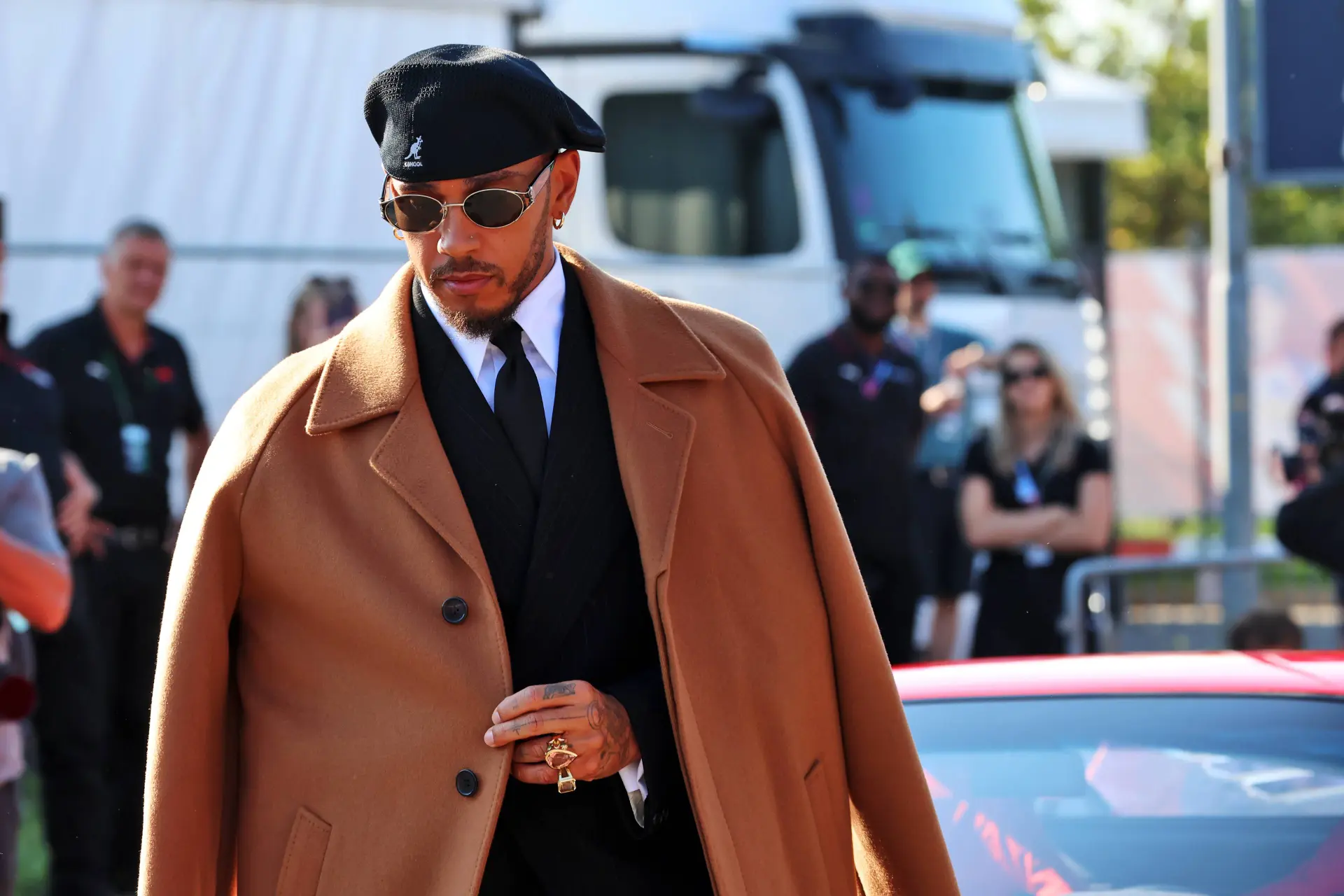
Making Hamilton Ferrari’s number one would not answer Vasseur’s biggest question
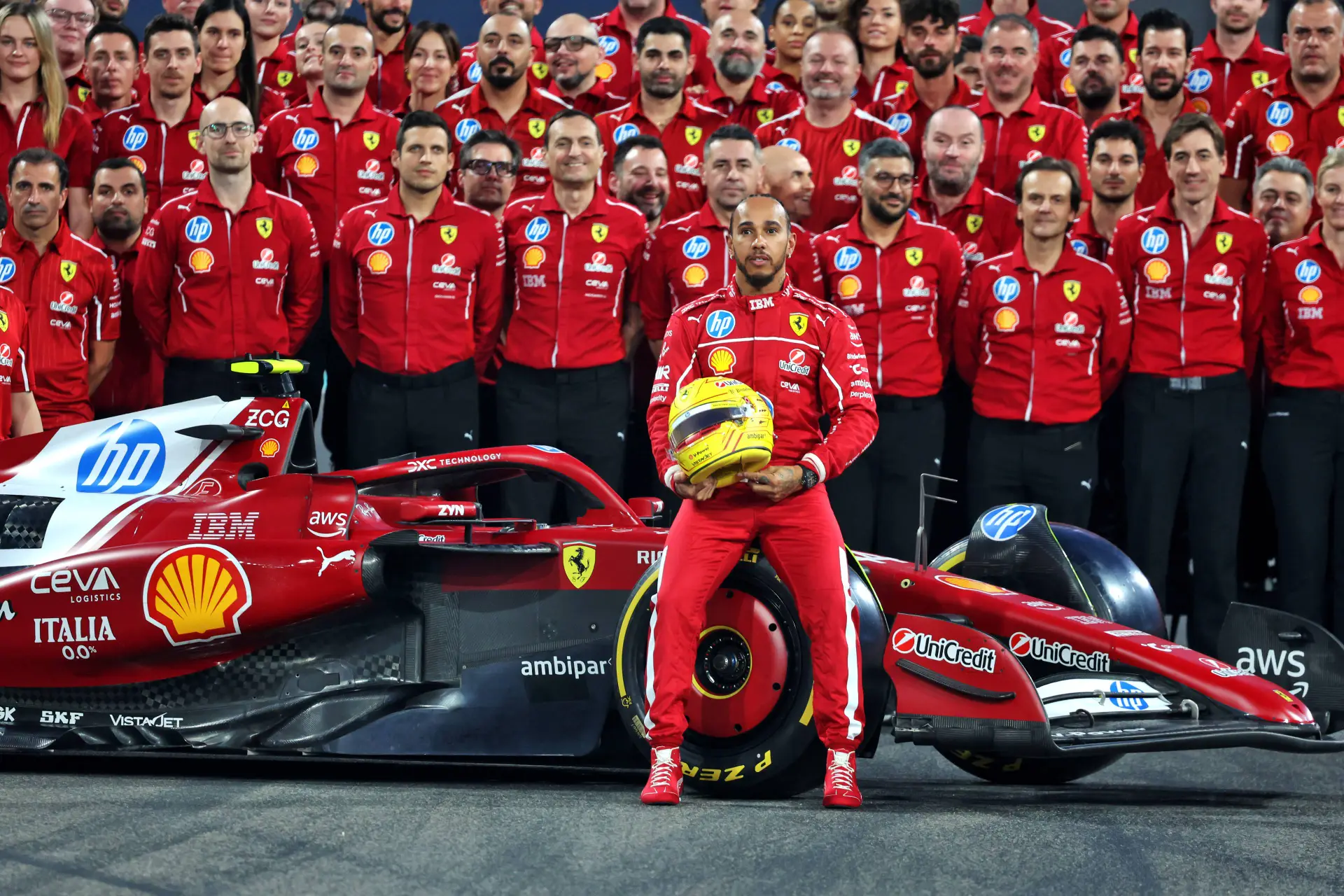
Photo: RacePictures.

Ben Hunt is an award-winning motorsport journalist with over two decades of experience in Formula 1 and international media. As a former editor-in-chief and bestselling author, he delivers in-depth analysis and strategic insight from the highest level of the sport.
Ferrari is being urged to settle its driver hierarchy before 2027. But naming Lewis Hamilton as number one would answer only part of the question confronting Fred Vasseur: how does the team turn two leading drivers into a stronger collective result?
Damon Hill has argued that Ferrari should put its weight behind Hamilton, pointing to the investment involved in bringing him to Maranello and the significance of a potential eighth championship.
Anthony Davidson disagrees. In GPblog’s report on their contrasting arguments, he maintained that preferential status must be earned through performance rather than awarded in advance.
Both positions address a genuine competitive dilemma but neither, on its own, explains how Ferrari should manage the many situations in which its drivers’ interests overlap without being identical. That requires more than choosing a driver.
ADVERTISEMENT
A permanent hierarchy and a race instruction are different things
A team can instruct its drivers to avoid losing time against one another without declaring that one must always finish ahead. It can also prioritise a stronger championship contender later in a season without establishing the same order before the opening race.
But that opens a debate. Who receives a particular strategic opportunity? When should a faster car be released? Under what circumstances should a position be returned? When does the championship justify a change in approach?
A blanket number-one designation appears to offer clarity. In practice, those questions still need answers. Equally, treating both drivers fairly does not require leaving them without firm instructions when their racing threatens the team’s result.
That is the leadership challenge Vasseur faces, regardless of whether Ferrari adopts Hill’s preferred hierarchy.
ADVERTISEMENT
External criticism is not evidence of an internal verdict
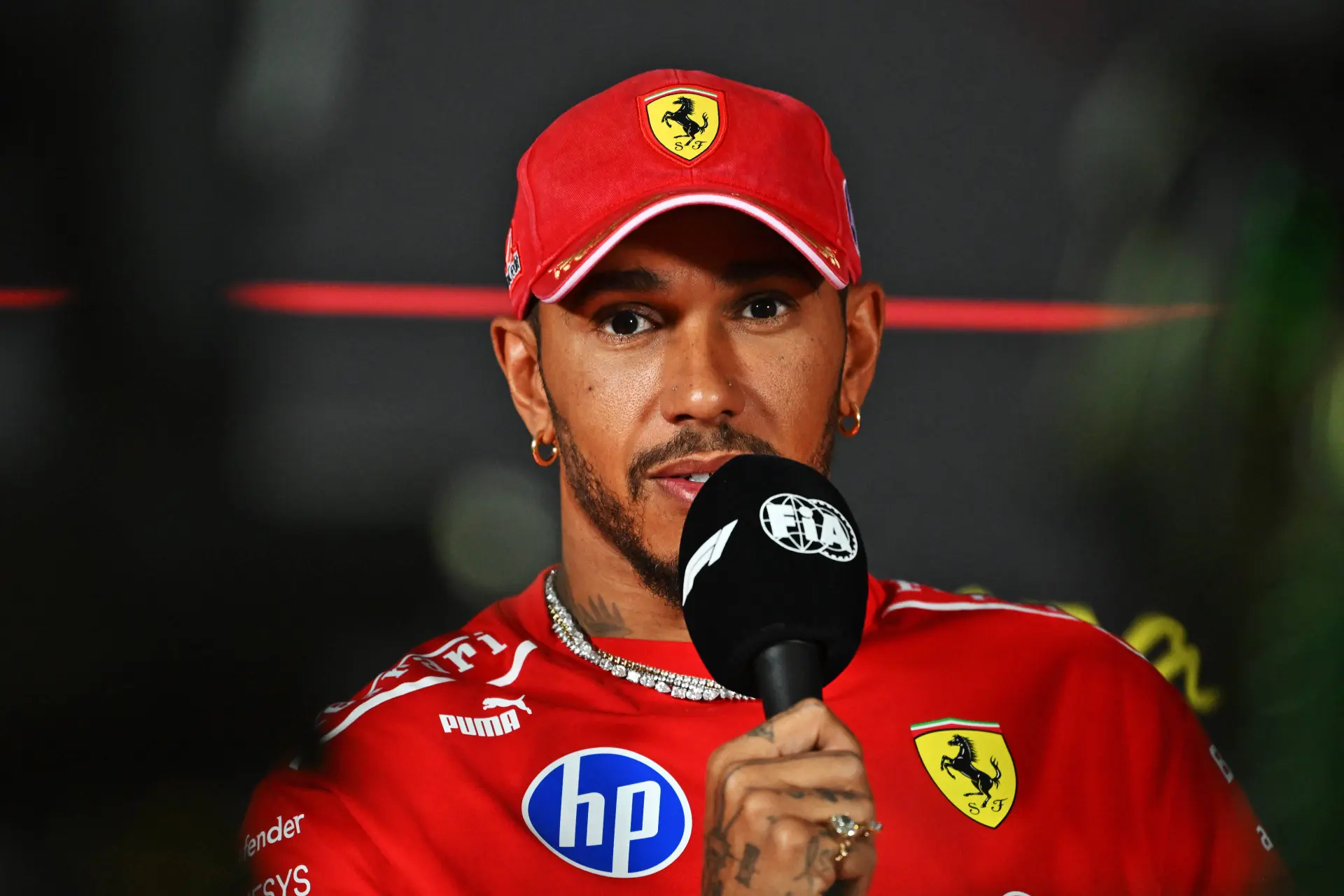
The debate has intensified alongside criticism of Vasseur from Italian commentators.
Giorgio Terruzzi accused him of appearing detached from Ferrari’s difficulties, while Pino Allievi called for intervention from the organisation’s senior leadership. Those are external assessments, not an announcement that Ferrari has withdrawn its support or decided to change its management structure.
GPBlog has also noted Vasseur’s multi-year contract extension and John Elkann’s previous public backing. However, the criticism identifies why a simple declaration about driver priority would face scrutiny. Ferrari would still need to demonstrate that the wider operation is producing better results.
ADVERTISEMENT
Brazil provided an uncomfortable illustration. Hamilton’s race involved an engine change, tyre difficulties and oversteer. Ferrari’s problems cannot responsibly be reduced to his relationship with Leclerc.
Nor is there evidence that declaring either driver number one would have resolved those issues. Hill’s proposal may offer one route towards simplifying Ferrari’s internal contest. Davidson’s objection highlights the sporting cost of imposing that route without a decisive performance case.
The stronger conclusion is that Ferrari needs an approach its drivers understand and its race team can apply consistently. A hierarchy may form part of that approach. It cannot replace it.
Vasseur’s real test is not whether he can announce who comes first. It is whether Ferrari becomes more effective when the answer matters and proves that the Italian team is capable of fighting for titles once again.
ADVERTISEMENT
Don’t miss GPblog in Google
Mark us as a preferred source and our articles will appear more often at the top of Top Stories.
Add as a preferred / source on Google