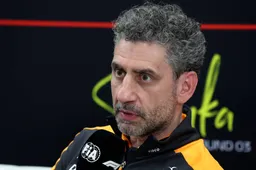
FIA president questions multi-ownership model amid Mercedes-Alpine links
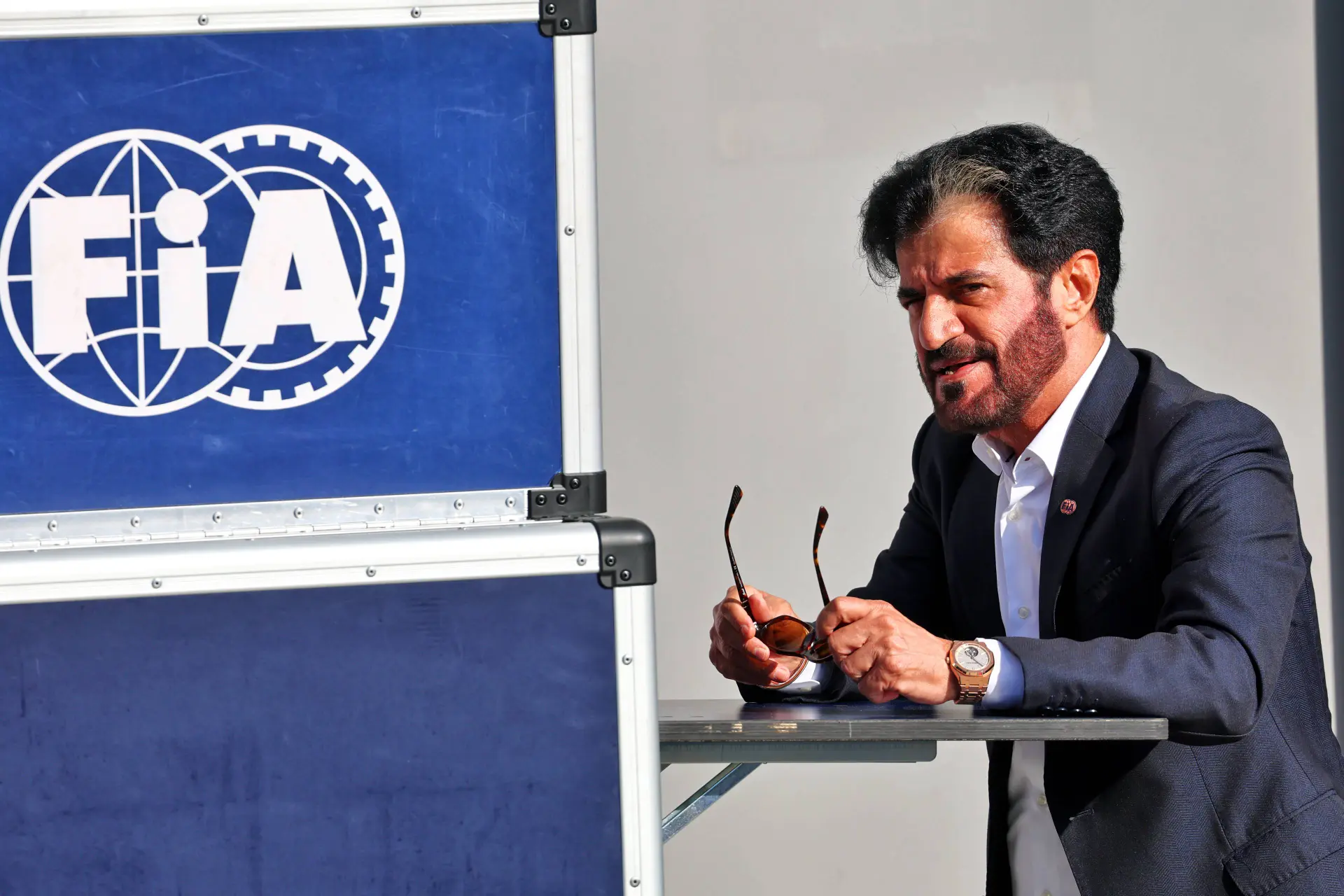
Photo: Race Pictures
20:15, 06 May
13 Comments

Tobia is a Formula 1 journalist at GPblog with experience at international circuits. Since 2022, he has covered Grands Prix across Europe, delivering reliable coverage and insights from the paddock.
FIA president Mohammed Ben Sulayem has spoken out against multi-ownership structures in Formula 1 at a time when Mercedes is being linked with a potential minority stake in Alpine.
After beginning a new partnership this year by supplying power units to the French outfit, Mercedes has been linked with a potential move for the 24% Alpine stake currently owned by Otro Capital - the same shares also reportedly eyed by Christian Horner.
Recently, Toto Wolff addressed the matter directly, insisting that “us looking at that stake is in no connection with Christian. And the idea that there is a rivalry between Christian and me around who buys an Alpine stake is made up.”
As reported by Reuters, the FIA president suggested that minority investments could still be acceptable as long as they are not used to block competitors or gain additional influence over regulatory matters. However, he also made it clear that, from his personal point of view, owning stakes in multiple Formula 1 teams is not the right direction for the sport, while admitting the topic remains a particularly complex area that is still being evaluated.
"As long as you are not trying to take it because you don't want others to take it, or also get voting power when it comes to the regulations, then maybe it's okay. But then I do believe that owning two is not the right way, this is my personal point of view, but we are looking into that because it's a complicated area."
ADVERTISEMENT
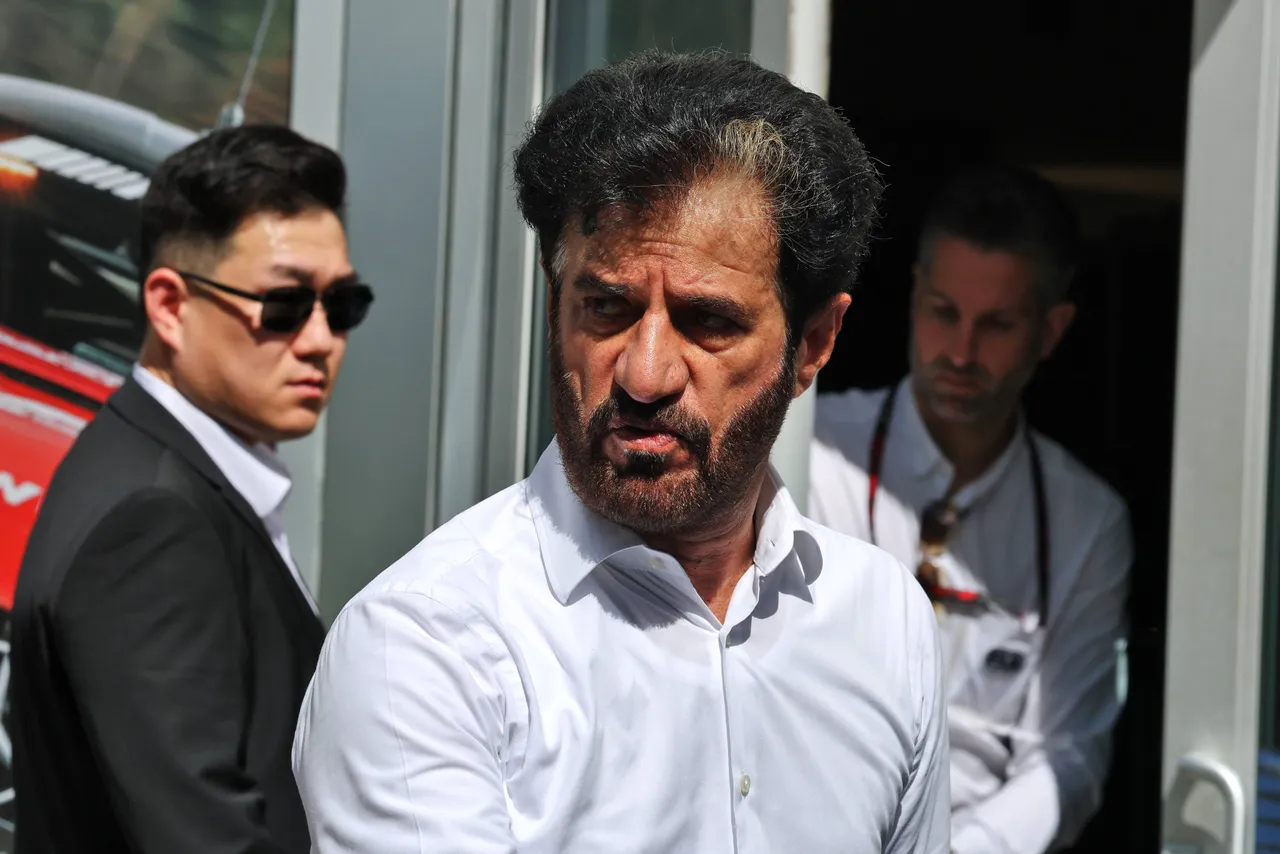
Photo: Race Pictures
Zak Brown hits out with major F1 warning over Alpine deal reports
Zak Brown, who has been openly critical of multi-ownership structures in Formula 1 for years, also raised concerns over the recent rumours surrounding Alpine shares and potential links with Mercedes. The McLaren CEO warned that increasingly close relationships between teams risk undermining both the sporting fairness and integrity of Formula 1, arguing fans ultimately want to believe all 11 teams are operating independently rather than under shared interests.
Brown pointed to several past examples that, in his view, highlighted the dangers of excessive collaboration between teams, including on-track situations that appeared to benefit affiliated outfits, previous intellectual property controversies, and the growing movement of staff between connected organisations.
He also stressed that easier transfers of personnel between linked teams can create both financial and sporting advantages under the cost cap era, particularly when employees move without the same restrictions or compensation typically required elsewhere in the paddock. To reinforce his point, Brown compared the situation to football, suggesting it would be difficult to accept two teams with the same ownership competing directly against each other while potentially having conflicting sporting interests.
ADVERTISEMENT

Don’t miss GPblog in Google
Mark us as a preferred source and our articles will appear more often at the top of Top Stories.
Add as a preferred / source on GoogleRead more about:
latest news
Azerbaijan Grand Prix
Overview
Thursday 24.09.26
Practice 1
08:30 AM
Practice 2
12:00 PM
Friday 25.09.26
Practice 3
08:30 AM
Qualification
12:00 PM
Saturday 26.09.26
Race
11:00 AM
Thursday 24.09.26
Practice 1
Thu 08:30 AM
Practice 2
Thu 12:00 PM
Friday 25.09.26
Practice 3
Fri 08:30 AM
Qualification
Fri 12:00 PM
Saturday 26.09.26
Race
Sat 11:00 AM
Times are in your local timezone
Rumors
Popular on GPBlog
1
Leclerc swaps Ferrari red for striking all-black look in Singapore
2988 times read

2
Fernando Alonso eyes 2027 WEC switch with Aston Martin
2967 times read
3
MotoGP Full Sprint Race Results | Martin wins after Acosta crash breaks KTM hearts
1910 times read

4
The Lambiase saga shows how far Formula 1 has gone overboard
897 times read
F1-stand 2026
Season
| Pos. | Driver | Team | Points |
|---|---|---|---|
1 | MercedesMER | 292 | |
2 | MercedesMER | 211 | |
3 | FerrariFER | 191 | |
4 | McLarenMCL | 186 | |
5 | FerrariFER | 167 | |
6 | Red Bull RacingRBR | 145 | |
7 | McLarenMCL | 120 | |
8 | Red Bull RacingRBR | 71 | |
9 | Racing BullsRCB | 59 | |
10 | AlpineALP | 41 |
Loading