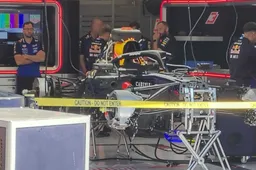
FIA declares heat hazard for Austrian Grand Prix with brutal temperatures forecasted
Photo: Race Pictures
Updated: 10:01, 25 Jun
2 Comments

Kieran is a freelance Formula 1 journalist for GPblog, covering breaking news, live race blogs and feature content across the F1 calendar. An NQJ-qualified journalist with more than a decade of experience, he has previously written for publications including MailOnline, the Manchester Evening News and the Eastern Daily Press.
The FIA has declared a heat hazard warning for this weekend's Austrian Grand Prix, with brutal temperatures forecasted for the eighth race of the Formula One season.
Drivers are currently in for a brutally hot race at the Red Bull Ring, which will challenge the reliability of the cars, the durability of tyres and the fitness of all the drivers involved. Formula One first introduced the heat hazard regulation in 2025, with the protocol first used at the 2025 Singapore Grand Prix.
This came after a number of drivers required medical attention after suffering heat exhaustion at the 2023 Qatar Grand Prix. Lance Stroll went to the medical centre after the race, George Russell said he was close to losing consciousness at the end of the Grand Prix and many other drivers said it was the most physically demanding race of their careers.
The protocol has been put in place ahead of this weekend's Austrian Grand Prix, as a statement from FIA race director Rui Marques on Thursday morning read: "In accordance with Article B1.5.10 of the FIA regulations, having received a forecast from the Official Weather Service predicting that the heat Index will be greater than 31.0°C at some during the Race at this competition, a heat hazard has been declared."
Austrian Grand Prix weather forecast
ADVERTISEMENT
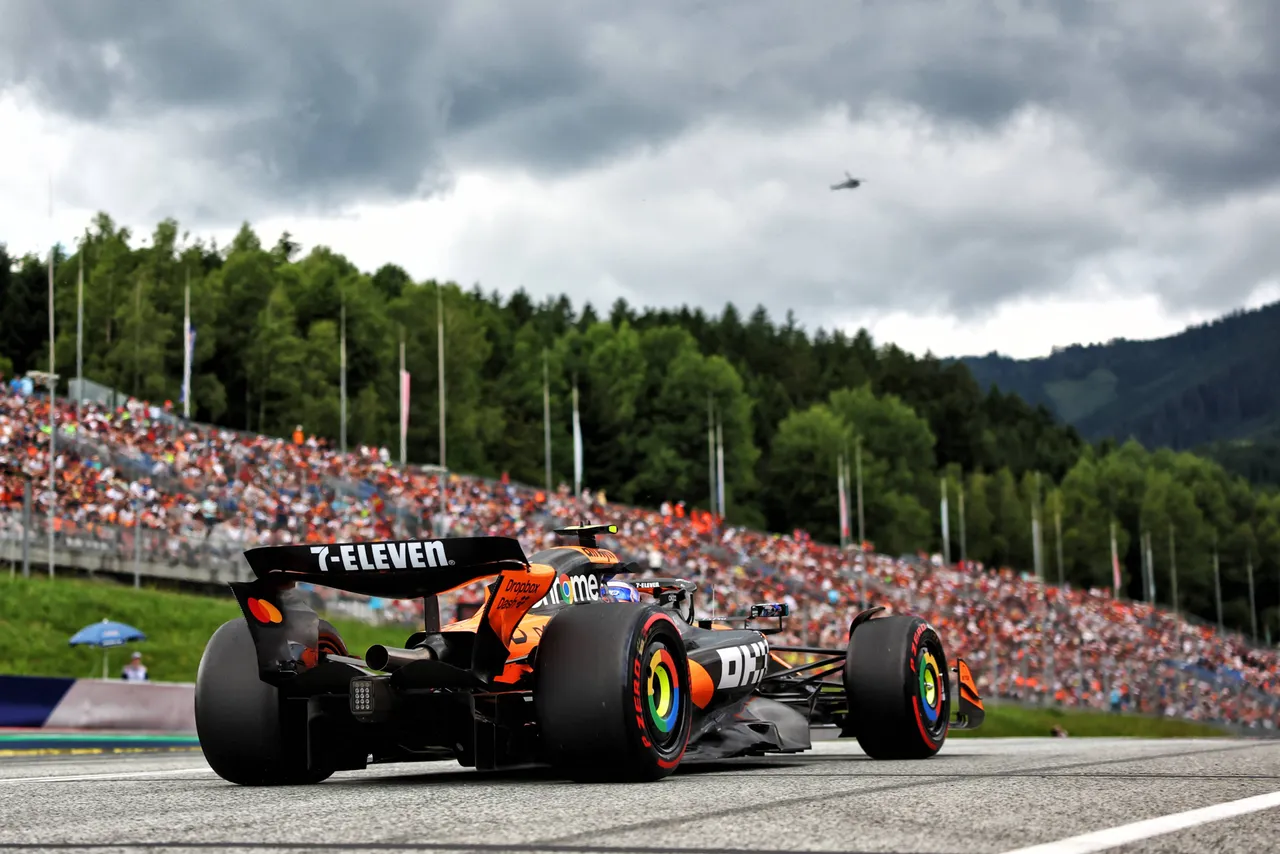
Photo: Race Pictures
Drivers are in for comfortably the hottest race of the year so far at this weekend's Austrian Grand Prix with an orange warning issued by the country's weather service, GeoSphere, for both Saturday and Sunday in Spielberg.
GeoSphere currently forecasts the temperature to hits highs of 36°C across qualifying and race days. A yellow weather warning has also been placed for Friday which is currently forecast to hit a high of 34°C. The heat hazard comes as several countries across Europe have experienced record-breaking temperatures for June, with some expected to surpass 40°C.
The early forecast does suggest the heat could come with a risk of electric storms, which has the potential to add a further layer of intrigue. Sky Sports report that the heat could come with a risk of electric storms, though GeoSphere does not currently forecast any wet weather across this weekend's action.
What does the heat hazard protocol mean for drivers and teams?
ADVERTISEMENT
Once a heat hazard is declared, regulations require teams to equip cars with advanced driver cooling systems, therefore allowing them to increase the minimum car weight to accommodate the additional equipment.
Drivers still have a choice of whether or not to wear a cooling vest, however, if they decide against it, the car is then fitted with extra ballast to ensure weight parity, so that drivers are not penalised for wearing vests.
Article 26.19 of the FIA F1 Sporting Regulations reads: “Any driver may elect not to wear any items of personal equipment that form part of the Driver Cooling System. In such circumstance, all other components, including any cooling medium, of the Driver Cooling System must be fitted.
“In addition, the difference in mass between the driver’s personal equipment normally used and any items of a driver’s personal equipment that form part of the system must be compensated by the fitting of 0.5kg of ballast in the cockpit.”
Read also

ADVERTISEMENT
FIA to provide clarification over Ferrari query
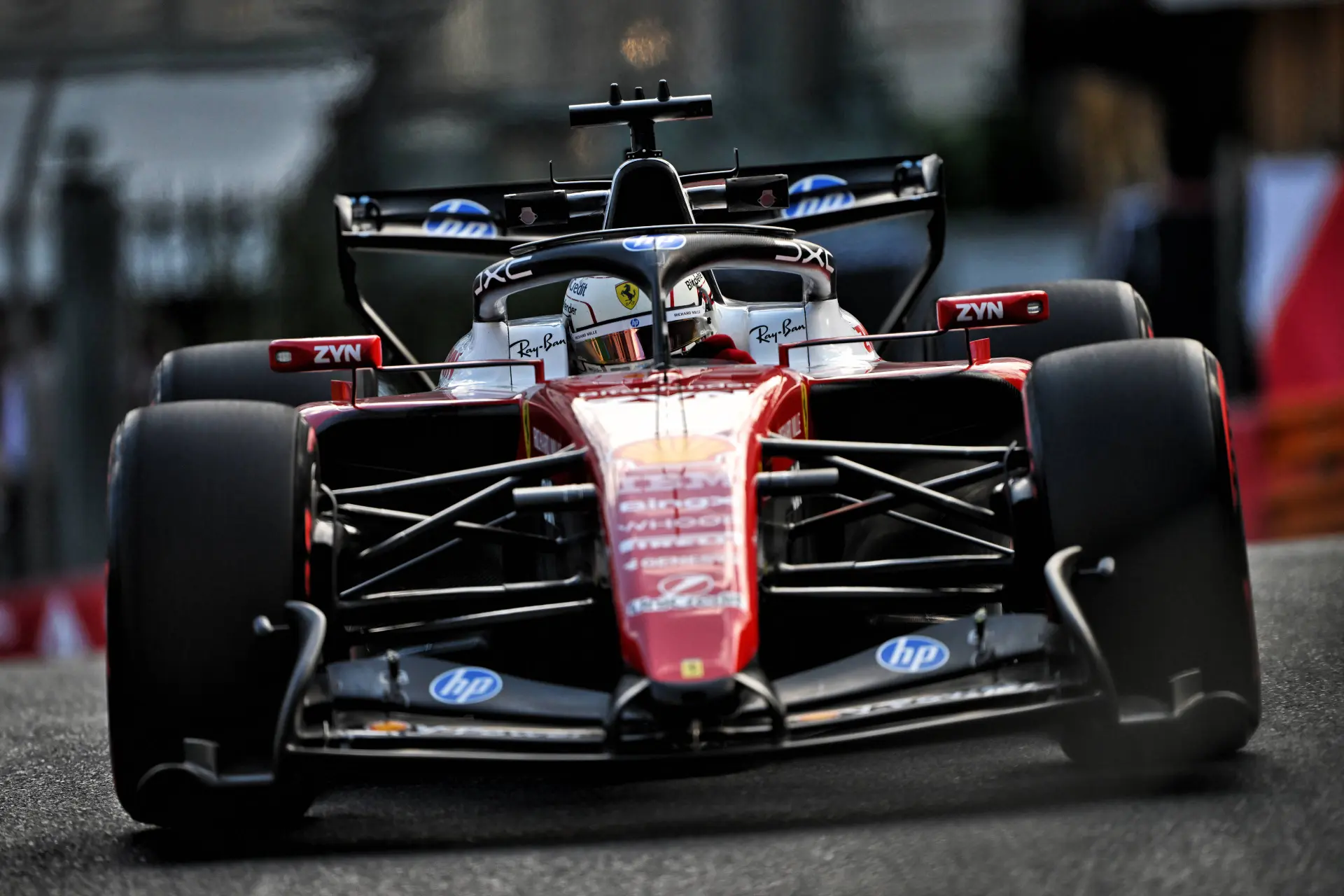
Ahead of the Austrian Grand Prix, Ferrari has asked the FIA whether Mercedes' diffuser complies with the regulations. GPblog understands the FIA will provide clarification, with a letter to be issued in the coming days.
Mercedes, who are leading the drivers' and constructors' championships, recently received an update aimed to better guide airflow and generate more downforce. Ferrari, who are chasing Mercedes in both championships after Lewis Hamilton's win in Barcelona, are keen to discover whether the changes are legal or not.
Mercedes drivers Kimi Antonelli and Russell will arrive at this weekend's race with updates to their cars, with the team hoping to return to the top step of the podium, after Ferrari ended their domination of the season so far in Barcelona.
Don’t miss GPblog in Google
Mark us as a preferred source and our articles will appear more often at the top of Top Stories.
Add as a preferred / source on GoogleRead more about:
latest news




Azerbaijan Grand Prix
Overview
Thursday 24.09.26
Practice 1
08:30 AM
Practice 2
12:00 PM
Friday 25.09.26
Practice 3
08:30 AM
Qualification
12:00 PM
Saturday 26.09.26
Race
11:00 AM
Thursday 24.09.26
Practice 1
Thu 08:30 AM
Practice 2
Thu 12:00 PM
Friday 25.09.26
Practice 3
Fri 08:30 AM
Qualification
Fri 12:00 PM
Saturday 26.09.26
Race
Sat 11:00 AM
Times are in your local timezone
Popular on GPBlog
1
Charles Leclerc says Lewis Hamilton Ferrari controversy has gone too far
5435 times read
2
Verstappen’s close friend decisively sidelined by Alpine
849 times read
3
F1 Today | Leclerc hits back after Hamilton incident was blown out of proportion
744 times read

4
Lewis Hamilton hits out at two major F1 changes: ‘Makes absolutely no sense’
587 times read
F1-stand 2026
Season
| Pos. | Driver | Team | Points |
|---|---|---|---|
1 | MercedesMER | 292 | |
2 | MercedesMER | 211 | |
3 | FerrariFER | 191 | |
4 | McLarenMCL | 186 | |
5 | FerrariFER | 167 | |
6 | Red Bull RacingRBR | 145 | |
7 | McLarenMCL | 120 | |
8 | Red Bull RacingRBR | 71 | |
9 | Racing BullsRCB | 59 | |
10 | AlpineALP | 41 |
Loading