
Shanna is a Formula 1 journalist at GPblog, specializing in both F1 and endurance and GT racing. With a Master’s degree in Journalism and experience at international circuits, she provides in-depth, reliable coverage and insights based on her presence at Grands Prix and racing events worldwide.
Max Verstappen and his rivals will face a combination of challenges at the Las Vegas Grand Prix. The long straights place heavy demands on the battery, while the low temperatures make it difficult to get the tyres up to temperature. These issues could have major consequences for qualifying and the race.
With its long straights, the Las Vegas Strip Circuit is one of the tracks that will put the energy management of the new Formula 1 cars to the test. The track, which is more than six kilometres long, has relatively few braking zones where drivers can recover the necessary energy. That makes it difficult to make optimal use of the battery on every straight.
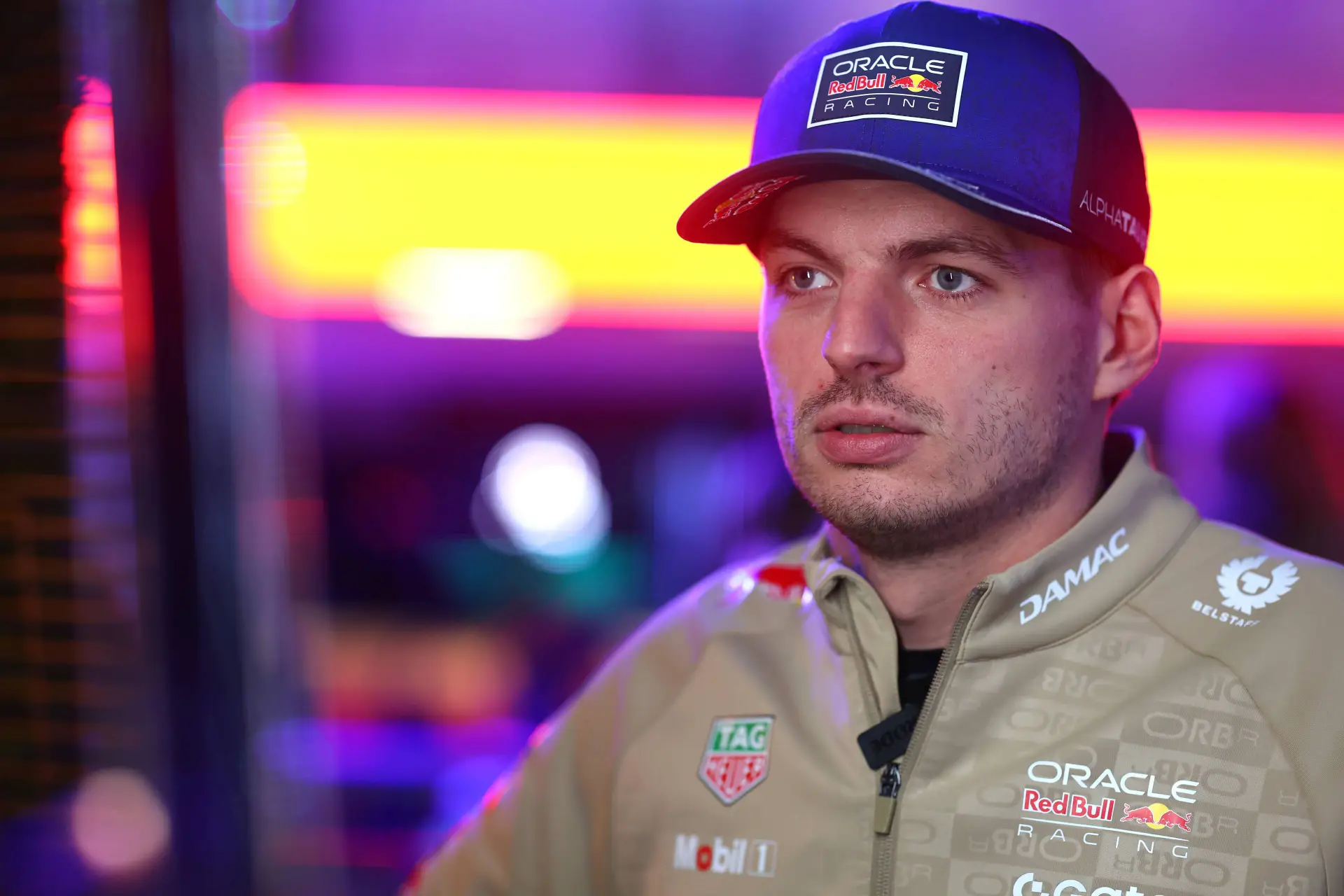
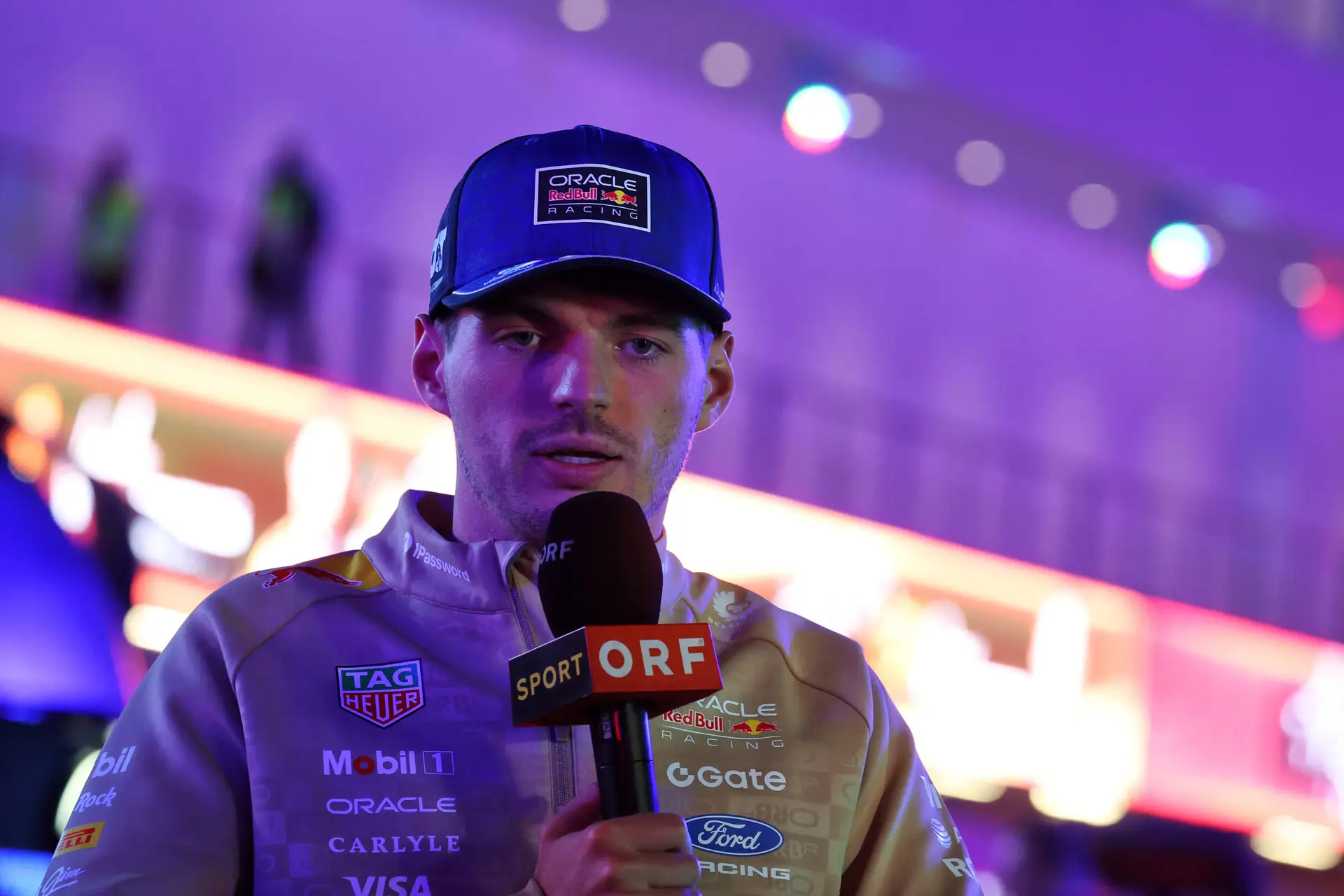
Verstappen prepared for the weekend in the Red Bull Racing simulator, but his first impression was not a positive one. When asked during media day what he thought of the simulation, the Dutchman gave a short but clear answer: "Painful," he answered. "It's just how it is. It's a lot of long straights. You have straights following up on each other, so you only have limited amount that you can also recharge under braking," Verstappen explained to, among others, GPblog.
"It's on the on the lower end of the spectrum in in that sense with the clipping and the same amount of energy that you can you can use in places."
Verstappen and Piastri fear an energy shortfall
ADVERTISEMENT
With the new engine regulations, the electric part of the PU has become a much more important part of performance this season. The available energy has to be carefully distributed over a lap. When the electric boost falls away on a straight, the car can lose speed even as the driver continues to run at full throttle. This phenomenon, known as clipping, has already played a role at circuits such as Monza this season.

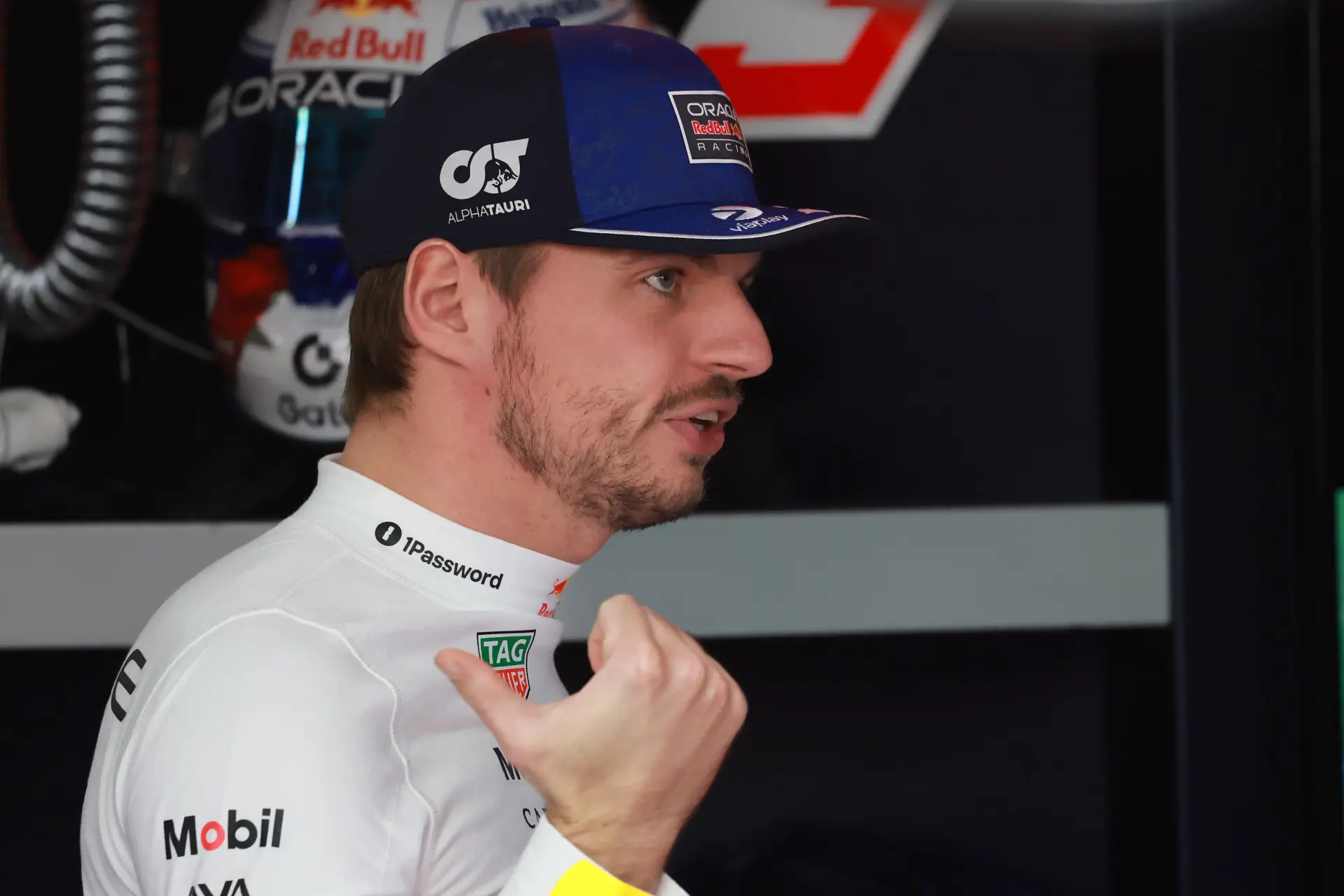
Las Vegas could be an even greater challenge this year than it was in 2025 - Photo: Red Bull Content Pool
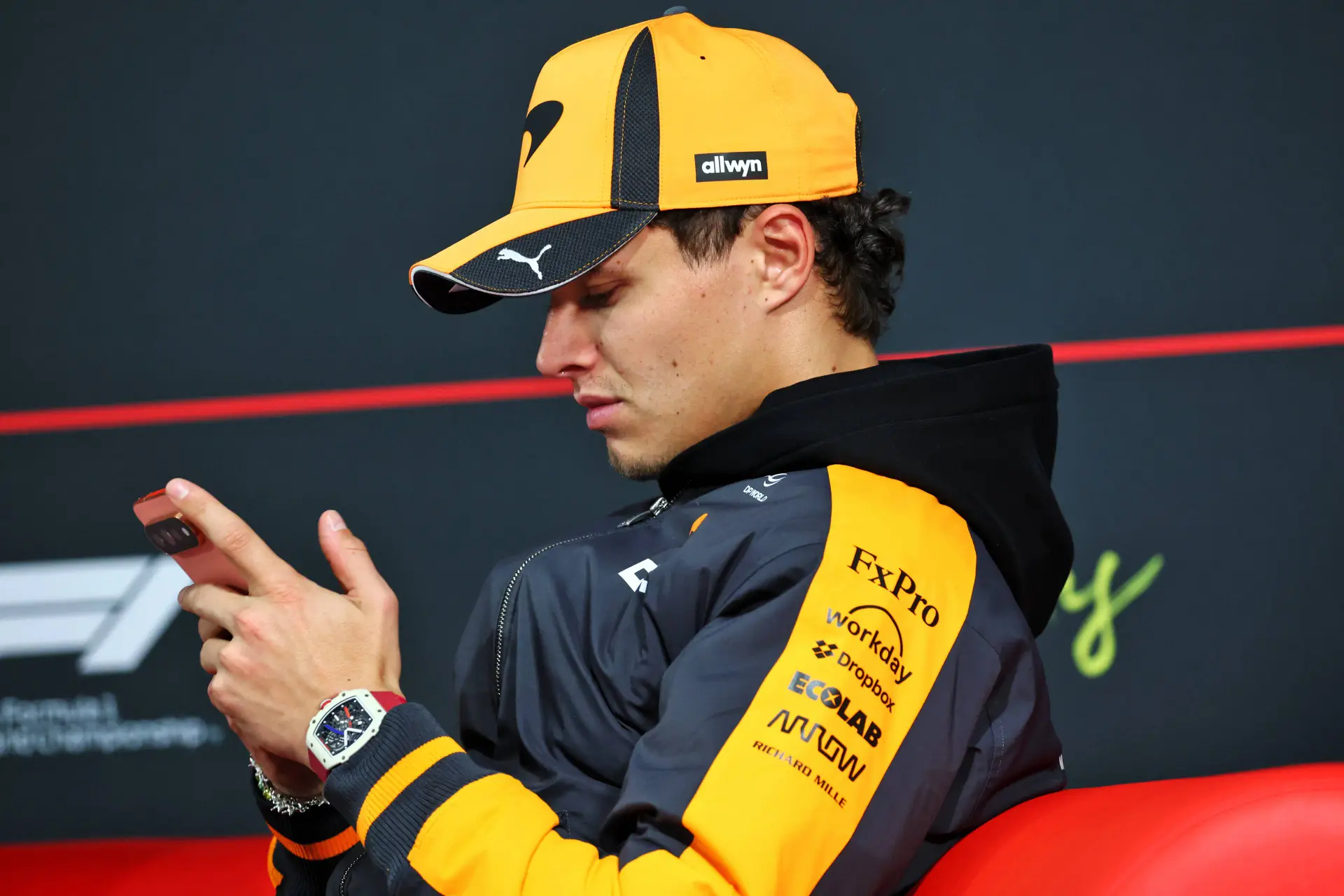
Oscar Piastri expects teams to encounter similar problems in Las Vegas to those they faced at the Italian Grand Prix. "We're definitely short on deployment around here. It's a similar story to Monza, really. So it's not going to be completely different to anything we've seen this year, but, definitely, it will be pretty energy-starved everywhere," the McLaren driver answered GPblog's question.
Piastri says it is difficult to predict which team will handle the challenge best. "I think Red Bull definitely at certain races have looked very competitive on the straights, but at other points, Mercedes, including us, obviously, have looked like a benchmark instead. So it's difficult to know, but I'm expecting Red Bull and the factory Mercedes team to definitely be the benchmark to go and chase."
Verstappen stresses that teams are still working to fully understand the new power units. That could also mean the competitive order shifts quickly over the course of a race weekend. "I mean, we're still learning. Like, every weekend, I think, sometimes you do a better job, sometimes maybe a little bit worse. These these engines are super complicated and and super sensitive as well. Little changes in temperature and stuff like that."
ADVERTISEMENT
Cold temperatures pose a second challenge in Las Vegas
Alongside energy management, the low temperatures are a key concern. The evening and night sessions will take place in cold conditions, which could make it difficult for drivers to keep their tyres within the right window. The long straights make that even harder, as the tyres are under relatively little stress there and lose heat.
Verstappen pointed out that the cold itself comes as no surprise. "It has been cold air every year. It's nothing nothing new. It's just the car... The behaviour of the tyres is always a bit different," he said.
"So, again, you just need to see, yeah, if you're on the good side or the bad side of it because it's normally not something that you design for with the tyres. But, yeah, we'll see."
The Dutchman also expects conditions to be harder to predict with the current generation of cars. "Probably it will be more difficult, yeah, more difficult with the grip in general, but also because of that, you don't know how the tires are gonna behave." Getting the tyres up to temperature could be decisive, particularly in qualifying.
ADVERTISEMENT

Generating grip on the long straights of the Las Vegas Strip Circuit will be difficult - Photo: Red Bull Content Pool
Will qualifying be the toughest challenge?
Antonelli expects one out-lap will not be enough to prepare the tyres for a fast lap. "Especially because it's so cold, you need as much speed as possible everywhere to build any temperature," the world champion began to answer GPblog's question.
"I think it's gonna be one of those occasions where you will see us doing multiple warm up laps just to then start the push lap," the Mercedes driver explained.
"Going out and pushing straight away is not gonna be possible because already this year has been more difficult to build temperature at any tracks we've been. It's been more difficult to warm up. I think here it's gonna be an even, you know, step further on that side. That's why I think it's gonna be one of those weekend that could be an outlier because I think just by having the tyres in the right window when starting a push up is gonna be key."
ADVERTISEMENT
Antonelli predicts a yo-yo race under the new F1 regulations
Battery management issues will not be limited to qualifying. Large speed differences could also emerge during the Grand Prix, depending on how drivers use their available energy. Antonelli thinks the long straights could therefore create plenty of overtaking opportunities.
"Deployment is not the best, I'm not gonna lie. And especially with the long back straight, it's not the easiest, let's say. But I guess it's like this for everyone, but that will create a lot of opportunity to overtake in all kind of places. Probably, we can expect a yo-yo race because of so many long straights and so many opportunities where to use the battery differently."
A driver who uses the batter to overtake someone could later in the lap become vulnerable if their rival still has more power available. With limited opportunities to recover energy, how the electric power is distributed will therefore be an important part of race strategy.
"Of course, it's not easy, and it's not gonna be straightforward for all of us," Antonelli concluded.
ADVERTISEMENT
Don’t miss GPblog in Google
Mark us as a preferred source and our articles will appear more often at the top of Top Stories.
Add as a preferred / source on Google