
Ben Hunt is an award-winning motorsport journalist with over two decades of experience in Formula 1 and international media. As a former editor-in-chief and bestselling author, he delivers in-depth analysis and strategic insight from the highest level of the sport.
In 2023, when Max Verstappen won the Abu Dhabi Grand Prix, it completed a remarkable season for the Milton Keynes-based Red Bull Racing F1 team.
That season, he won the drivers’ championship and the team wrapped up the constructors’ title by winning all but one of that season’s 21 races.
At the final race, Christian Horner joked that Carlos Sainz’s win for Ferrari in Singapore showed that there was still room for improvement from his team.
It was a remarkable season from the team, which had constantly punched above its weight against leading manufacturers.
Red Bull Racing’s rise is without a doubt a fantastic story and arguably one of F1’s best. A soft drinks manufacturer taking on, and beating, motorsport conglomerates with a rich history in the sport.
As research for a book, I interviewed several key personnel behind that transformation from the ashes of the Jaguar F1 team to the dominant force of 2023.
Listen to or watch the GPblog.com video podcast. In the F1 Paddock Update, Jim Kimberley and Ben Hunt discuss the latest Formula 1 news. New episodes are available every Monday and Thursday on YouTube, Spotify, or your favourite podcast app.
ADVERTISEMENT
A few weeks after that result in Abu Dhabi, the team was rocked by accusations of inappropriate behaviour by Horner towards a female colleague. Horner, who was later cleared of any wrongdoing, had always protested his innocence. However, the incident had fractured the all-conquering F1 team.
Many will highlight that incident as the start of the team’s downfall. Horner’s subsequent departure, Adrian Newey leaving for Aston Martin and Jonathan Wheatley moving to Sauber; these were some of the key departures from the team. Under the surface, however, the exodus was more significant.
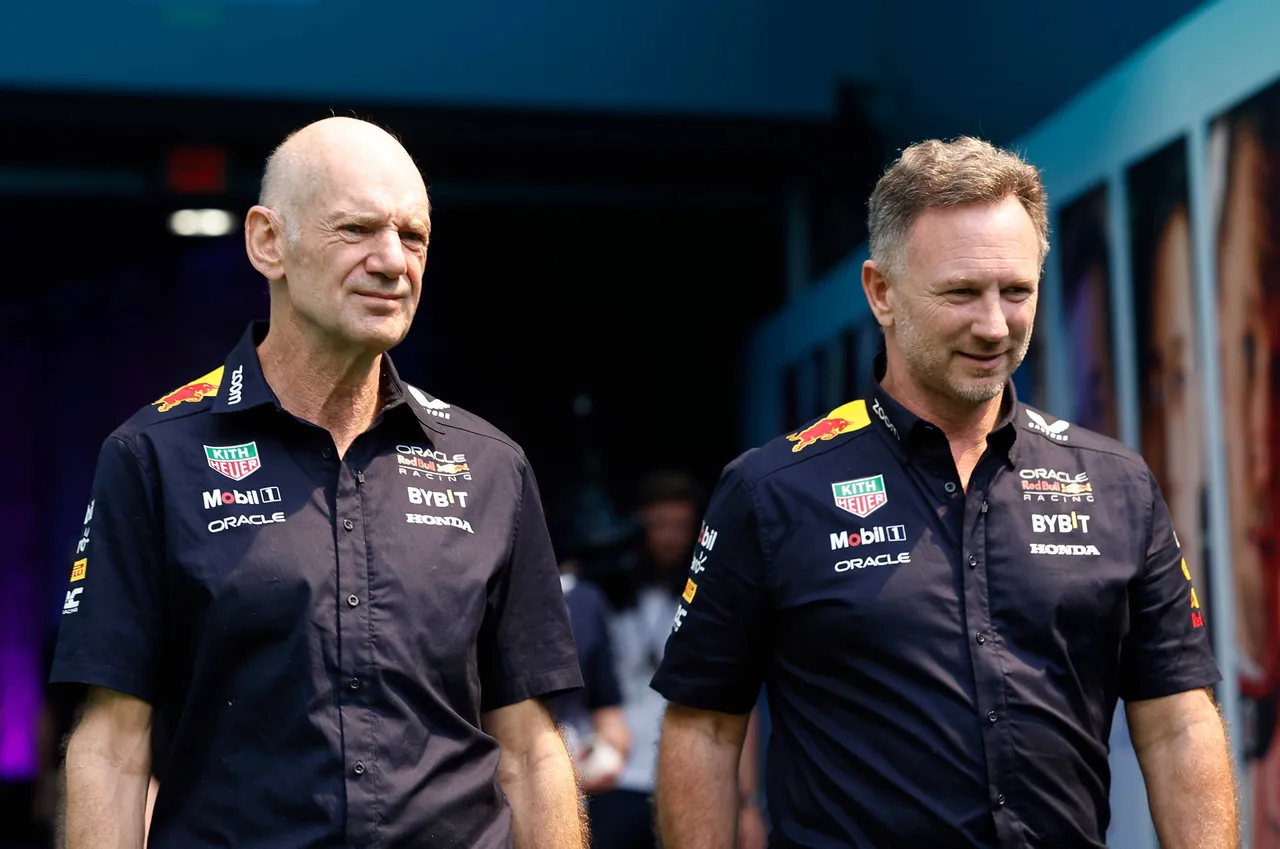
Adrian Newey and Christian Horner
The power grab that sparked it all
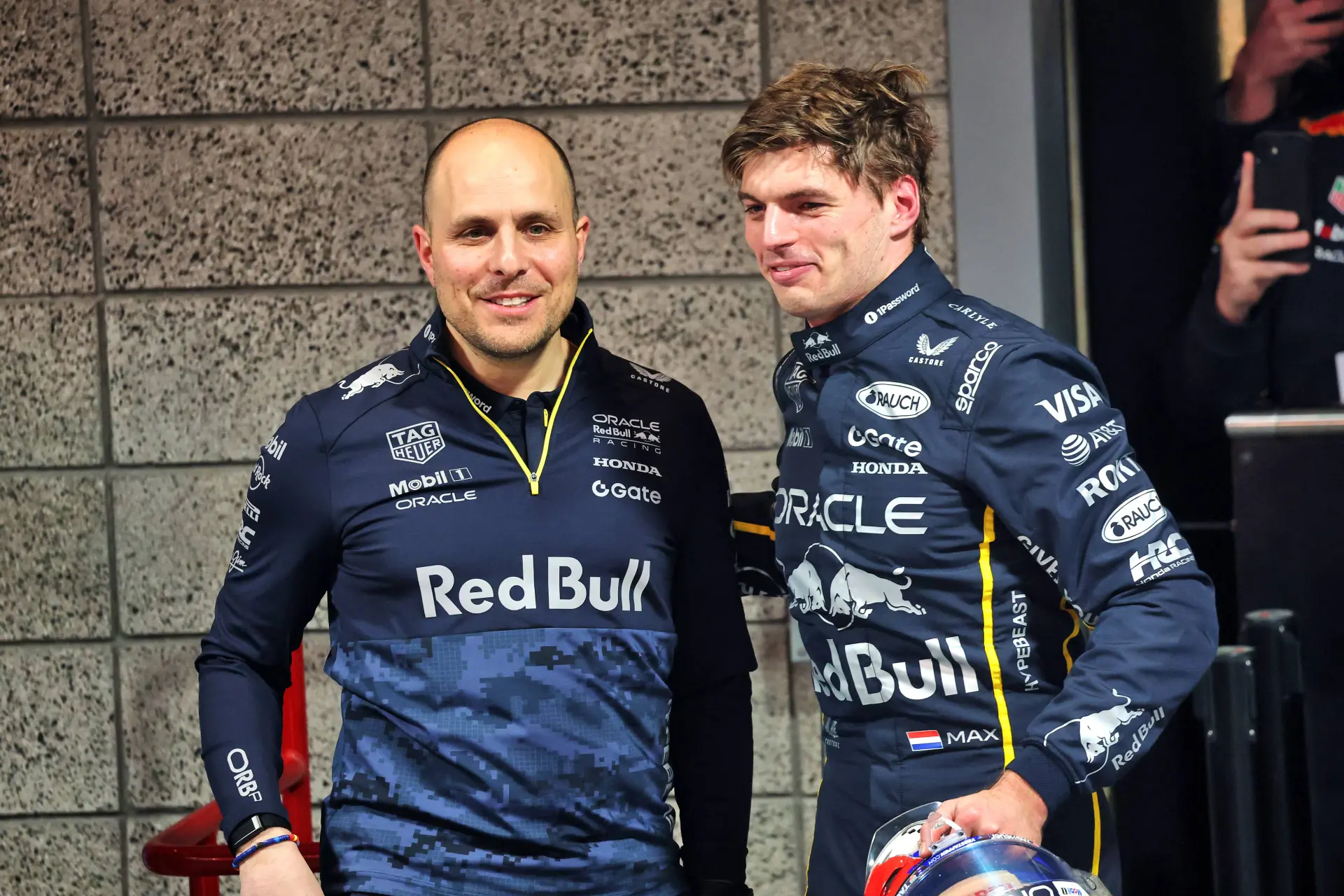
However, the beginning of the end - if this latest departure, that of engineer Gianpiero Lambiase to McLaren, which could now spark the eventual exit of Max Verstappen - was not down to Horner, or indeed any of the personnel that have quit.
ADVERTISEMENT
The pivotal date came in October 2022 when the Red Bull co-founder, Dietrich Mateschitz, passed away. The Austrian, who famously brokered a deal to market the Thai-produced drink upon trying it when he was working as a travelling salesman, was instrumental in his backing of the F1 operation across both teams in F1.
Not responsible for the day-to-day running of the operation; his leadership style granted unusual autonomy to key figures such as Horner and Helmut Marko, allowing Red Bull Racing to operate with a clarity of vision rarely seen in Formula 1.
This structure enabled the team’s dual dynasties: first with Sebastian Vettel (2010–2013), and later with Verstappen.
However, his death created a vacuum that sparked a grab for power. Mateschitz’s death saw his 49 percent shareholding in Red Bull passed to his son, Mark and was portrayed in the media as a power struggle between the Thai ownership, who retained a 51 percent shareholding and Austrian-based Red Bull GmbH.
It was the rush for control that has culminated in this position, with the team facing an internal crisis, not Horner’s departure.
The power struggle that saw Horner released midway through last season was simply a consequence, but it does illustrate an erosion of key figures who were pivotal for the team’s success.
ADVERTISEMENT
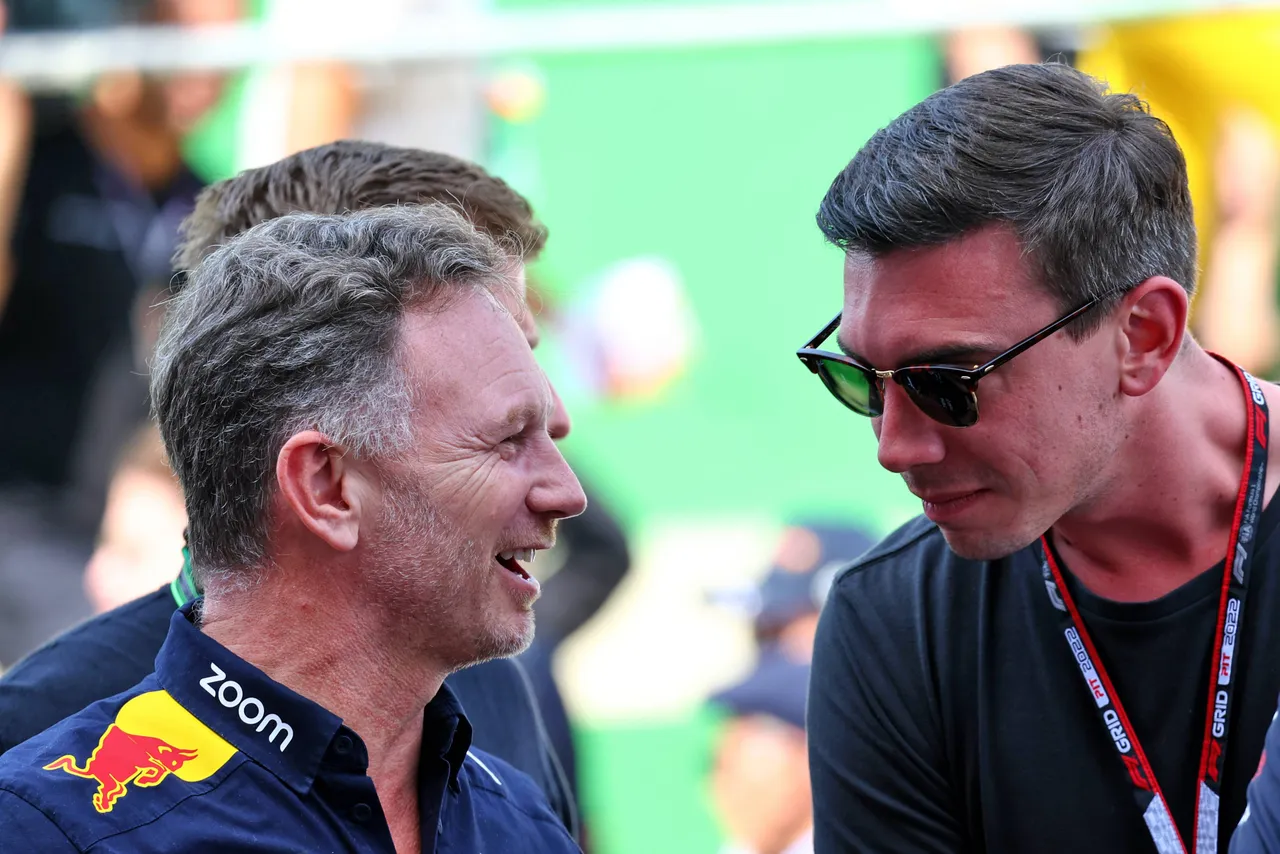
Mark Mateschitz and Horner
The hidden cost of the exodus
It is not only across the race team, too. There have been subsequent departures across communication, marketing, sponsorship - all of which, from the outside at least, appear to be diminished by the exodus.
On track, questions are being asked of designer Pierre Waché and of Laurent Mekies, Horner’s successor, who has the task of stabilising the team and convincing Verstappen to remain with the outfit. Should the Dutchman leave, it would ultimately spell the end of Red Bull’s dynasty.
Red Bull Racing’s fallen legacy is not a story of sudden collapse, but one of gradual disintegration. The death of Mateschitz had not immediately weakened the team’s performance, but it removed the invisible architecture that had held everything together.
ADVERTISEMENT
What followed was a textbook example of how success in Formula 1 depends not just on speed, but on stability. For the time being, Red Bull remains a formidable presence, but no longer an invincible one. As such, its demise serves as a reminder that in Formula 1, dominance is fragile, and even the greatest empires can falter when the invisible foundations beneath them begin to shift.
Read also


Follow GPblog on social media to stay updated on all Formula 1 news: Facebook, Instagram and TikTok.
Make GPblog your preferred source on Google and see our content first in Google Discover and Google News.
ADVERTISEMENT
Don’t miss GPblog in Google
Mark us as a preferred source and our articles will appear more often at the top of Top Stories.
Add as a preferred / source on Google