
Tim Kraaij is Editor-in-Chief of GPblog.com and a Formula 1 analyst. With permanent FIA accreditation and direct access to the paddock, he delivers in-depth, data-driven analysis and insight into key developments within the sport.
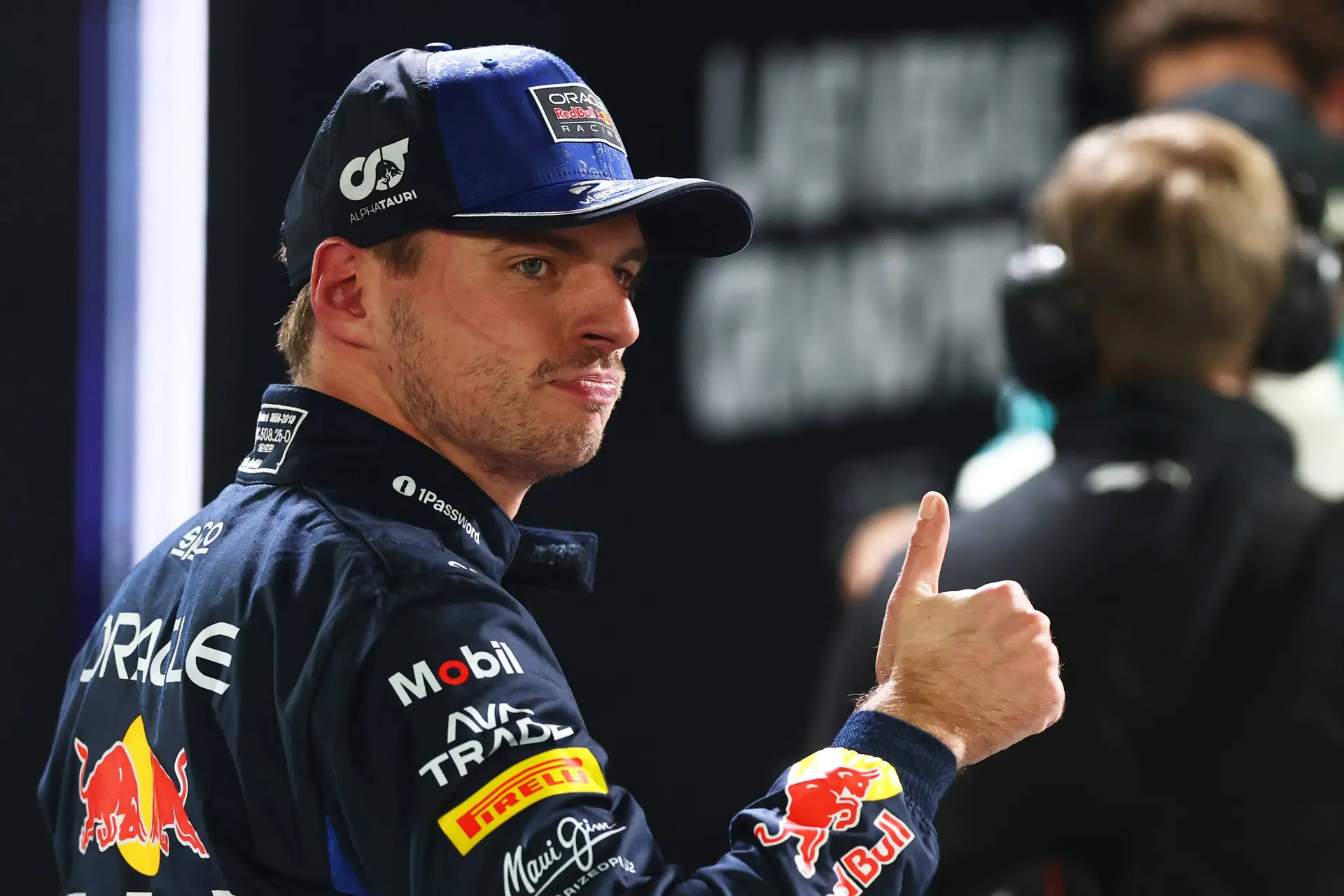
Max Verstappen takes charge of Red Bull Racing once again, George Russell is let down by Mercedes, and Ferrari fails to operate as a team. These are the three main takeaways from qualifying for the F1 Las Vegas Grand Prix.
Ferrari fails to maximise as a team
It was clear beforehand that Ferrari would struggle at the Las Vegas Grand Prix. All season, Ferrari’s car has been characterised by excellent tyre management in races, but it has struggled to get the tyres up to temperature in qualifying. The cold conditions in Las Vegas had already made this a nightmare scenario for the Scuderia.
On a weekend like this, the key is for a team to maximise its potential. It needs to understand its limitations and try to compensate for them as a team. However, the Italian outfit led by Frederic Vasseur has not improved one bit in that respect compared to his predecessors.
Charles Leclerc and Lewis Hamilton each completed their own qualifying sessions. On a circuit where slipstreaming plays such a big role, Ferrari could at least have tested what they might achieve with giving each other a tow. McLaren knows it is slow on the straights, so it repeatedly sent its drivers out together, always behind another team.
ADVERTISEMENT
Ferrari sometimes seems to think it is too good for these kinds of tactics. If the car is not good enough, the team simply watches as a driver completes a lap alone, and that is that. In Ferrari’s eyes, perhaps that was the best they could do, but a better result was possible by working as a team.
Russell let down by Mercedes
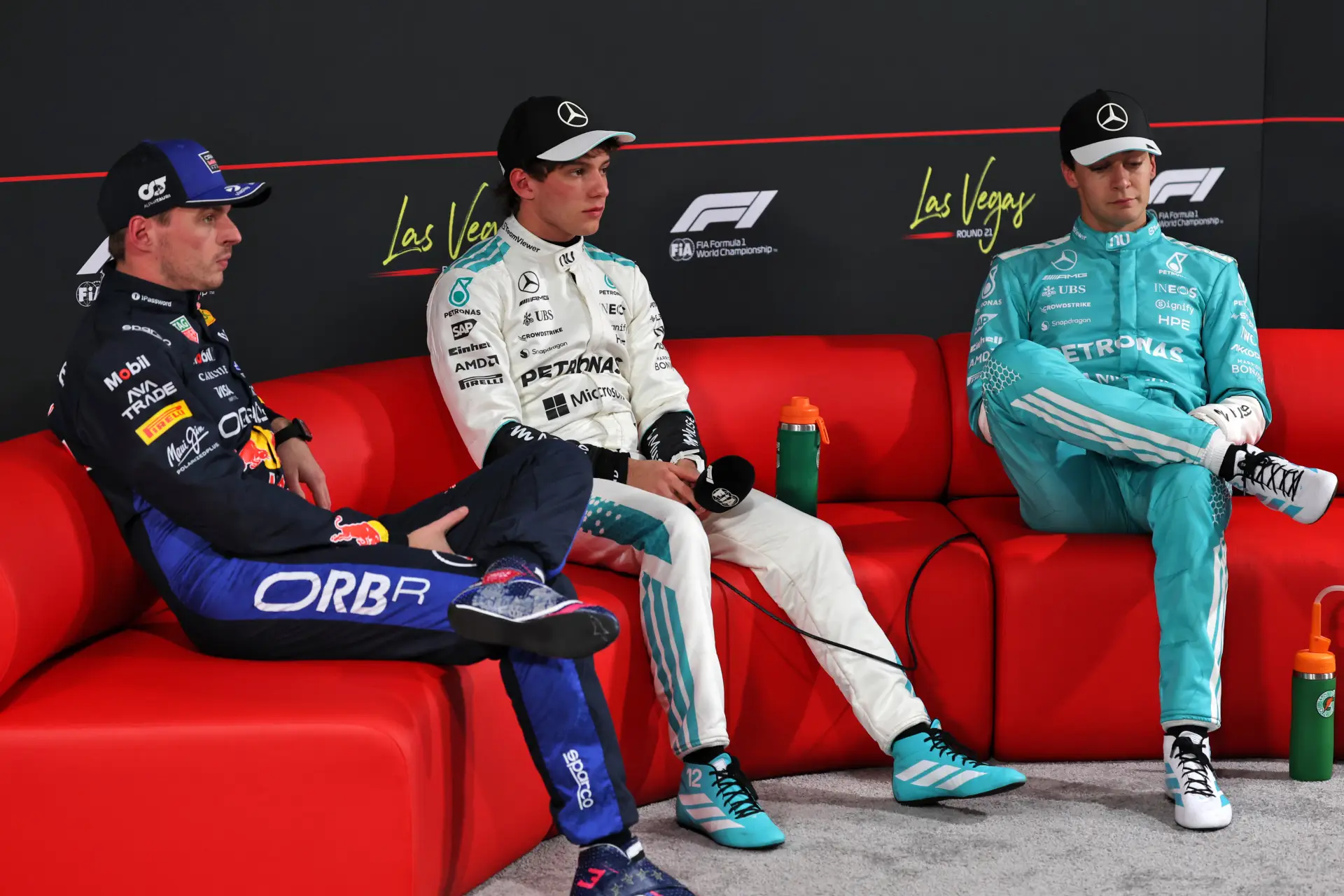
With Kimi Antonelli and Mercedes having secured their titles, Mercedes took the time to state that it would go all out to help Russell finish second in the drivers’ championship. It seemed like a temporary appointment as the lead driver for the only thing Mercedes can still achieve this season. It's important to pay attention to the word “seemed”, because in Las Vegas it became clear that Mercedes was not entirely willing to back Russell.
With Antonelli already guaranteed his title and facing a five-place grid penalty, the maths seemed simple: Antonelli would work for Russell to help him secure pole position. Nothing could have been further from the truth. Russell was sent out first of the two Mercedes drivers and could not count on a gift from his teammate.
Bradley Lord told F1 TV that Antonelli’s position also had to be maximised, since his penalty was only five places. A logical argument, but why then publicly say that everything would be done to help Russell? If that had been the case, Antonelli could have sacrificed his position to give Russell pole.
ADVERTISEMENT
The statement about Russell therefore seemed more intended to boost his confidence than to signal that Antonelli would actually do the dirty work as his wingman. Even with a five-place grid penalty, Mercedes may secretly believe that the Italian is still its best chance of winning.
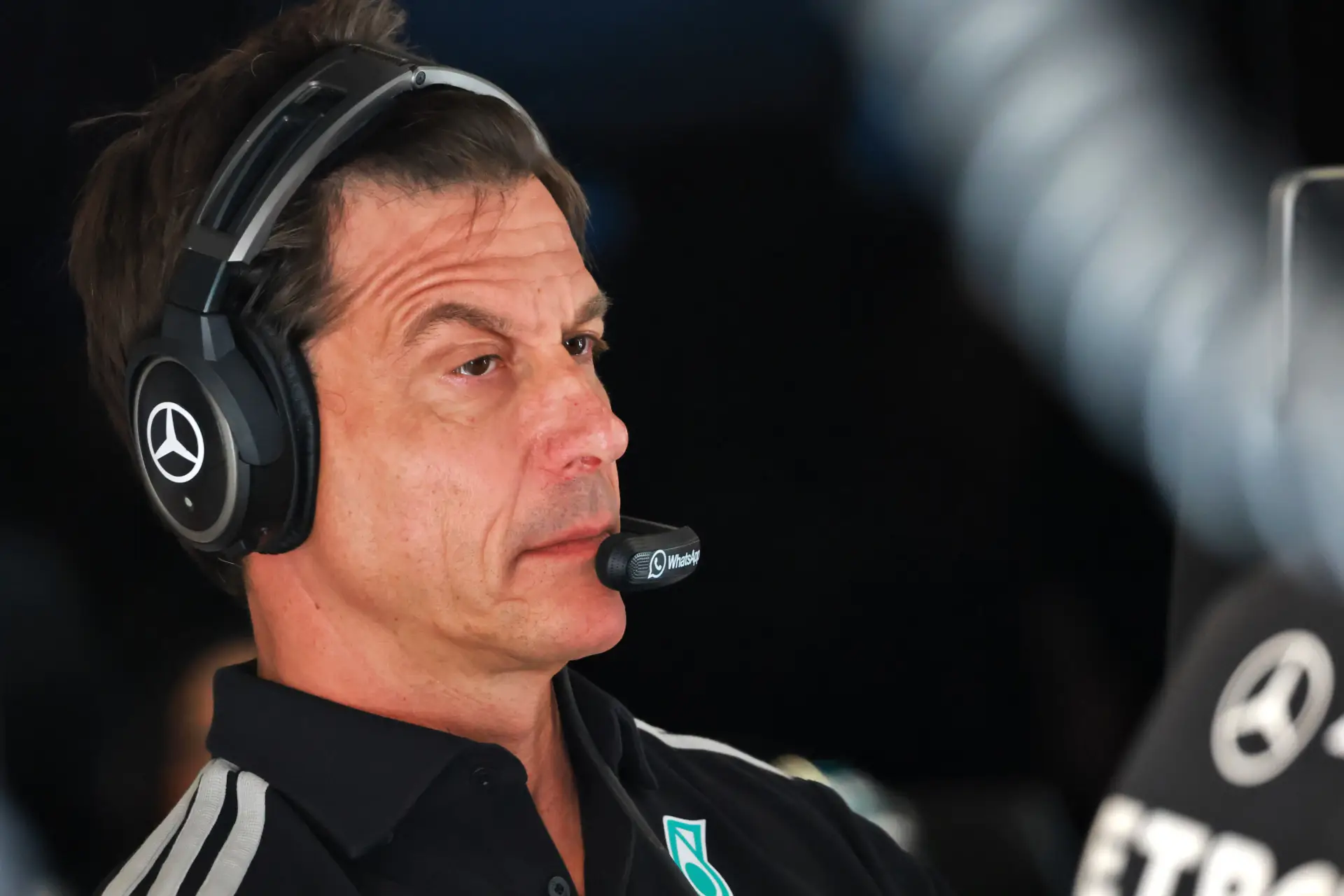
Toto Wolff’s post-session comments to Sky Sports were also painful for Russell. While the Briton wanted a tow from Antonelli, Wolff said Russell had been in the perfect position to take pole but had failed to do so. The fact that his teammate managed to do it only made things more painful.
Red Bull is becoming Verstappen Racing again
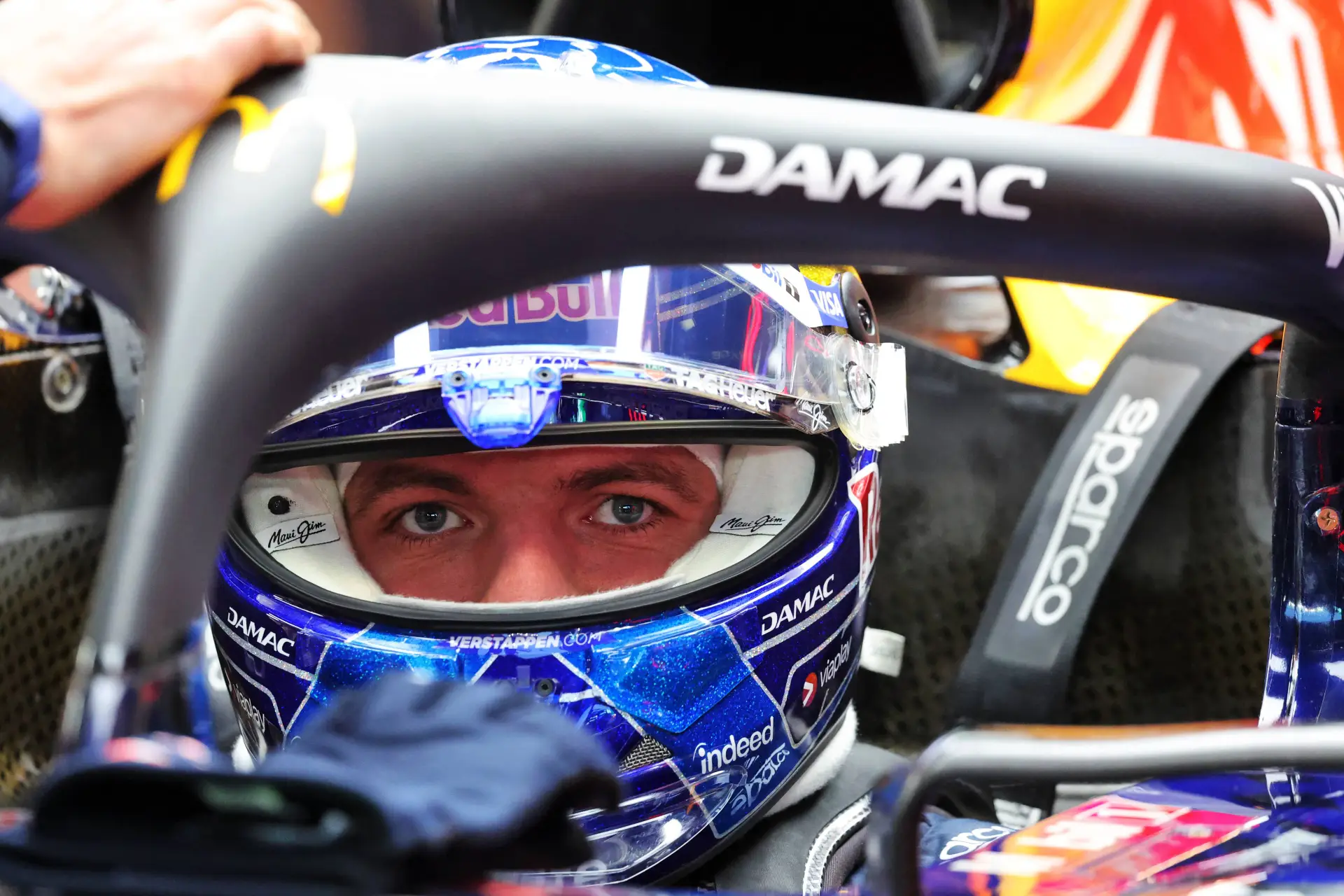
Red Bull Racing is slowly turning into Verstappen Racing once again. Like his predecessors, Isack Hadjar is now finding out what it is like to be in a team with the four-time world champion.
ADVERTISEMENT
Early in the season, the Frenchman was surprisingly able to stay close to Verstappen and even beat the Dutchman in qualifying on one occasion. Now, a familiar picture is beginning to emerge: Verstappen is pulling away from his teammate as the regulations evolve.
Sergio Perez also thought at the start of 2023 that he could seriously keep pace with Verstappen, but as the car was developed further and further, the gap between Perez and Verstappen grew. The same pattern is emerging between Hadjar and Verstappen.
Over the first seven Grands Prix, the average Saturday gap between Hadjar and Verstappen was 0.038s. Over the past seven sessions, that gap has grown to 0.258s. From session to session, the gap between Hadjar and Verstappen has increased by 0.018s.
It is a logical pattern. Under a new set of regulations, the technical team delivers the car, over which the drivers have little or no influence. Only once they start driving it does feedback from the drivers come into play. Naturally, the team listens mainly to the fastest and often most experienced driver in the team. That was already Verstappen at the start of the season.
As Verstappen’s feedback makes the car feel better and better to the Dutchman, the gap continues to grow. The teammate often struggles to keep up once Verstappen becomes familiar with his car.
ADVERTISEMENT
For Red Bull, there is certainly no cause for alarm. Even with a gap of 0.258s, Hadjar is by far Max’s best Red Bull teammate in years, and you could even argue that it does not get much better than this. Hadjar now needs to keep a cool head and not let it get to him. Gaps like these can also mess with your mind, and then they can grow to a point where your seat suddenly comes under pressure again.
| Qualifying | Gap |
| Shanghai | +0,119 |
| Suzuka | −0,284 |
| Montréal | +0,028 |
| Monaco | +0,340 |
| Barcelona | +0,056 |
| Austria | +0,157 |
| Silverstone | −0,147 |
| Spa | +1,145 |
| Hungary | +0,131 |
| Baku | −0,581 |
| Kuala Lumpur | +0,428 |
| Austin | +0,036 |
| Mexico | +0,208 |
| Las Vegas | +0,441 |
Don’t miss GPblog in Google
Mark us as a preferred source and our articles will appear more often at the top of Top Stories.
Add as a preferred / source on Google