Simulators, systems, and status: The new blueprint for the modern F1 leader

Photo: Race Pictures
14:00, 10 Aug
2 Comments

Ben Hunt is an award-winning motorsport journalist with over two decades of experience in Formula 1 and international media. As a former editor-in-chief and bestselling author, he delivers in-depth analysis and strategic insight from the highest level of the sport.
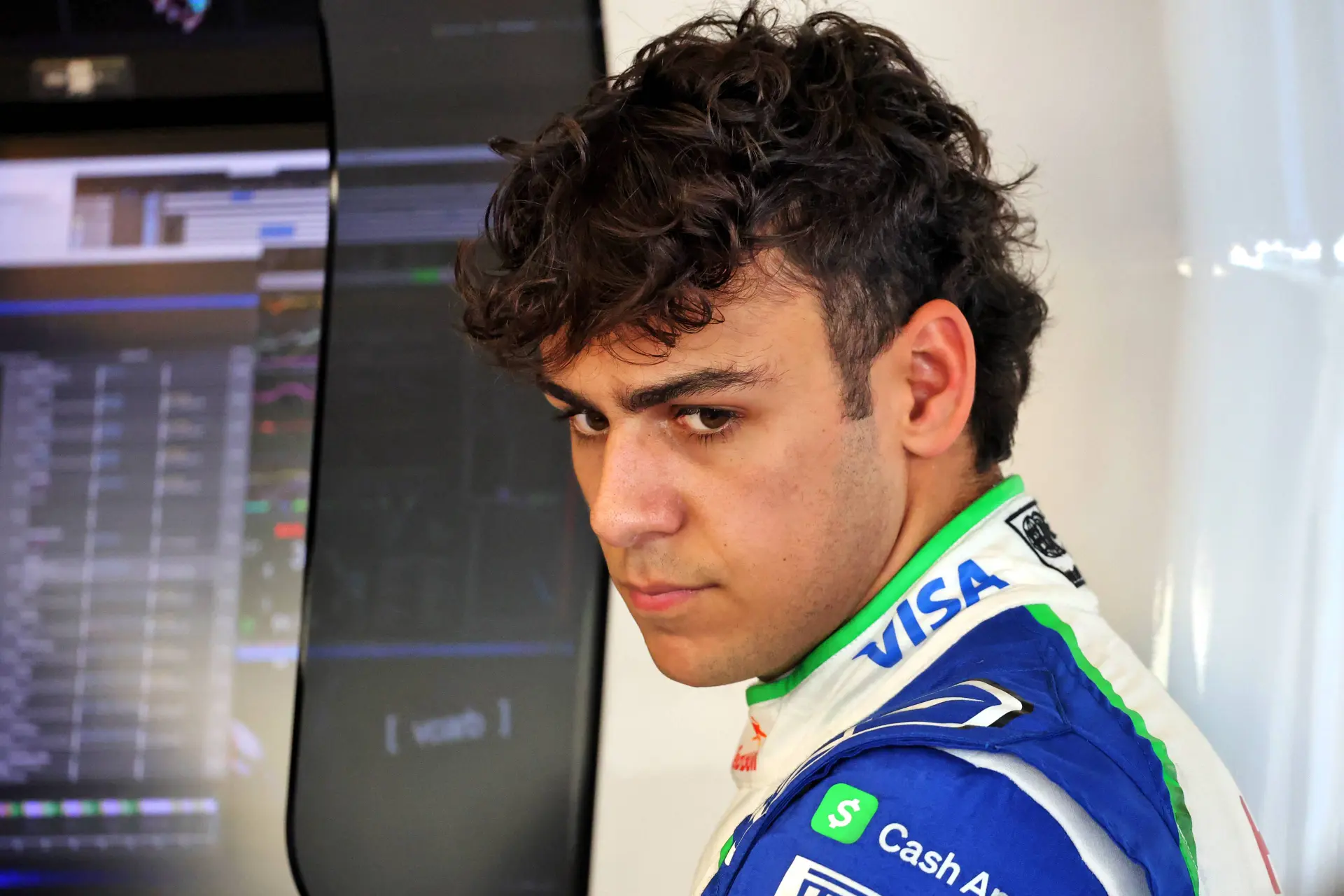
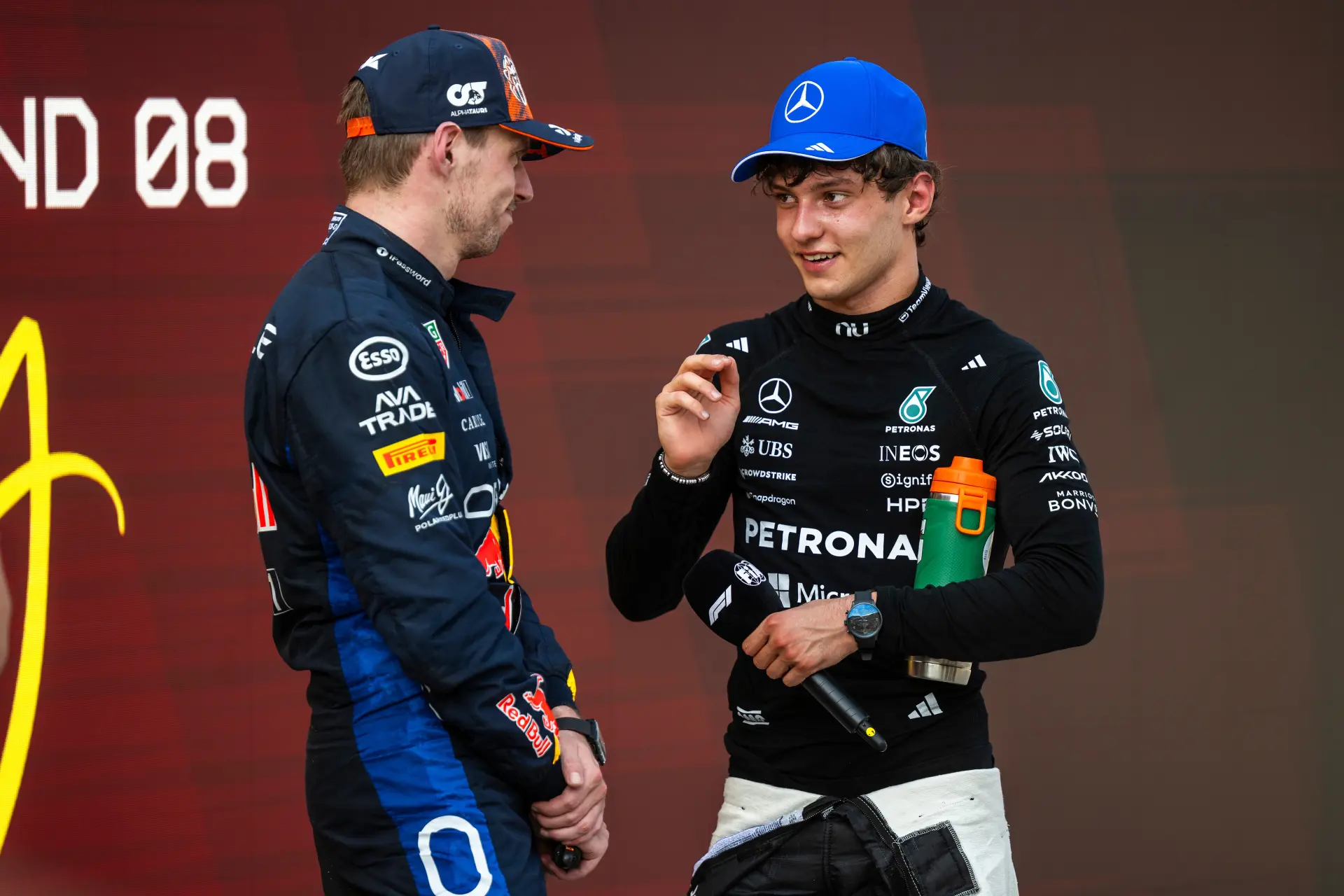
The traditional hierarchy of a Formula 1 team, where a veteran "No.1 Driver" directs development while a junior observes and learns, is becoming redundant. In the 2026 season, the rise of Kimi Antonelli at Mercedes and the central roles occupied by established names who are still in their early-to-mid twenties prove that the sport’s apprenticeship phase has virtually vanished. Today, young drivers are expected to be team leaders almost from the moment they debut.
This shift is not merely a trend in recruitment but a structural change driven by the technical evolution of the sport. The primary catalyst is the restricted nature of modern F1 testing. With track time limited to a handful of sessions, a driver’s value is increasingly measured by their proficiency in the virtual world. The current generation of talent has reached the grid after a childhood spent in high-end simulators and competitive sim-racing. For them, "Driver-in-Loop" (DiL) technology is a native language.
Teams now rely on younger drivers to spend hundreds of hours in the simulator, correlating data from Friday practice to Sunday’s race setup. While older champions might view the "sim" as an arduous necessity, the next generation treats it as a precision instrument. This gives them a seat at the head of the technical table. When a teenager provides the setup breakthrough that gains two-tenths on a Saturday, their technical authority within the garage is established immediately. They are no longer just steering the car; they are architects of its performance.
Teams now rely on younger drivers to spend hundreds of hours in the simulator, correlating data from Friday practice to Sunday’s race setup. While older champions might view the "sim" as an arduous necessity, the next generation treats it as a precision instrument. This gives them a seat at the head of the technical table. When a teenager provides the setup breakthrough that gains two-tenths on a Saturday, their technical authority within the garage is established immediately. They are no longer just steering the car; they are architects of its performance.
Polished athletes and coached in media
Furthermore, the demands of technical feedback have reached a level of granular detail that favors those accustomed to modern data-heavy environments. A 2026 power unit, with its complex energy-management protocols, requires a driver to be a systems manager as much as a racer. Young drivers, trained in digital-heavy junior categories, often adapt to these complex steering-wheel interfaces and energy-harvesting strategies with more fluidity than veterans used to more analog systems. They arrive with a technical vocabulary that aligns perfectly with modern engineering departments.
The commercial landscape has also forced this early leadership. In an era of booming F1 popularity driven by social media and global docuseries, a driver’s "commercial visibility" is a vital team asset.
Young drivers are now polished media entities before they ever score a Grand Prix point. This visibility gives them individual leverage within the team’s power structure. When a driver brings a massive personal following and attracts younger demographics, the team is forced to invest in them as the permanent face of the brand, accelerating their transition into a leadership role.
The commercial landscape has also forced this early leadership. In an era of booming F1 popularity driven by social media and global docuseries, a driver’s "commercial visibility" is a vital team asset.
Young drivers are now polished media entities before they ever score a Grand Prix point. This visibility gives them individual leverage within the team’s power structure. When a driver brings a massive personal following and attracts younger demographics, the team is forced to invest in them as the permanent face of the brand, accelerating their transition into a leadership role.
Experience no long a major factor
ADVERTISEMENT
Finally, the 2026 regulations have created a "clean slate" effect. When the technical regulations change as drastically as they have this year, the experience of driving previous eras becomes less relevant. In a vacuum of new data, the driver who can adapt fastest and communicate best with the engineers becomes the de facto leader.
This environment has removed the safety net. Teams like Mercedes, Ferrari, and McLaren are no longer looking for "safe hands" to support a champion; they are looking for "early leaders" who can anchor a multi-billion dollar project for a decade.
As the 2026 title fight shows, the visor doesn’t just hide a face; it now hides the boardroom-level responsibility that the next generation has shouldered with remarkable ease. The days of waiting for your turn are over. In modern F1, if you are fast enough, you are old enough to lead.
Don’t miss GPblog in Google
Mark us as a preferred source and our articles will appear more often at the top of Top Stories.
Add as a preferred / source on GoogleRead more about:
latest news
Azerbaijan Grand Prix
Overview
Thursday 24.09.26
Practice 1
08:30 AM
Practice 2
12:00 PM
Friday 25.09.26
Practice 3
08:30 AM
Qualification
12:00 PM
Saturday 26.09.26
Race
11:00 AM
Thursday 24.09.26
Practice 1
Thu 08:30 AM
Practice 2
Thu 12:00 PM
Friday 25.09.26
Practice 3
Fri 08:30 AM
Qualification
Fri 12:00 PM
Saturday 26.09.26
Race
Sat 11:00 AM
Times are in your local timezone
Popular on GPBlog
1
Hamilton learns stewards’ verdict after ‘dangerous’ Azerbaijan FP2 incident with Lawson
5538 times read
2
Audi reaches final decision over its 2027 F1 driver line-up
1655 times read
3
Verstappen receives the confirmation he wanted from Red Bull in Baku
1139 times read
4
Cadillac hires former Red Bull key figure, but Alpine blocks the move for now
1136 times read
F1-stand 2026
Season
| Pos. | Driver | Team | Points |
|---|---|---|---|
1 | MercedesMER | 292 | |
2 | MercedesMER | 211 | |
3 | FerrariFER | 191 | |
4 | McLarenMCL | 186 | |
5 | FerrariFER | 167 | |
6 | Red Bull RacingRBR | 145 | |
7 | McLarenMCL | 120 | |
8 | Red Bull RacingRBR | 71 | |
9 | Racing BullsRCB | 59 | |
10 | AlpineALP | 41 |
Loading