
Ben Hunt is an award-winning motorsport journalist with over two decades of experience in Formula 1 and international media. As a former editor-in-chief and bestselling author, he delivers in-depth analysis and strategic insight from the highest level of the sport.
The Dutch Grand Prix tyre allocation points to a race in which flexibility, rather than a single obvious compound, could define the competitive order.
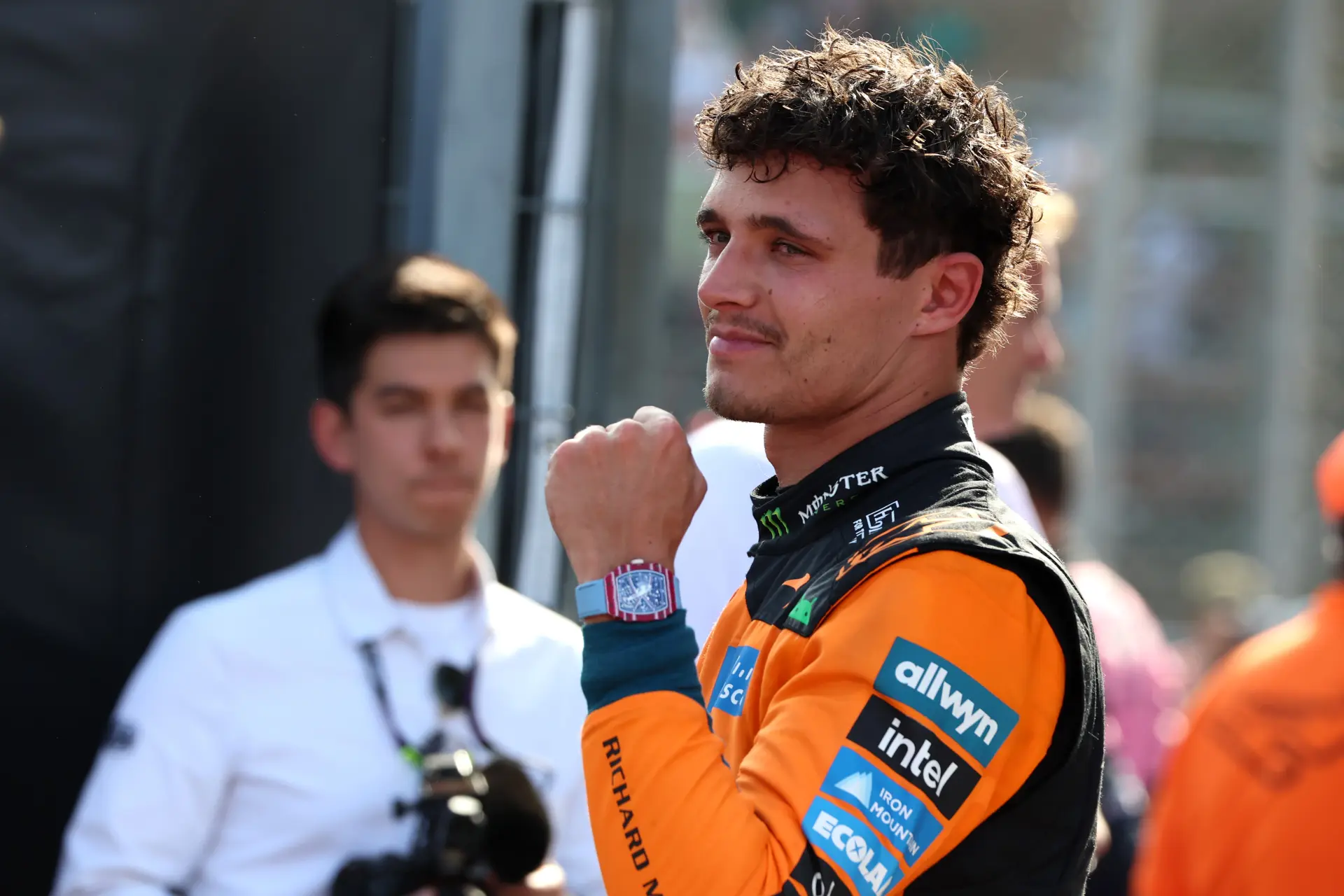
Every driver enters Sunday with seven available sets, but the balance between fresh and used rubber differs. No driver retains a used hard set, so the hard compound is effectively a fresh-only strategic tool. The leading quartet of Oscar Piastri, Lando Norris, George Russell and Kimi Antonelli, who all share the same allocation: two new hards, one new medium, one used medium, no new softs and three used softs. That is a conservative, race-focused inventory with scope for durable stints.
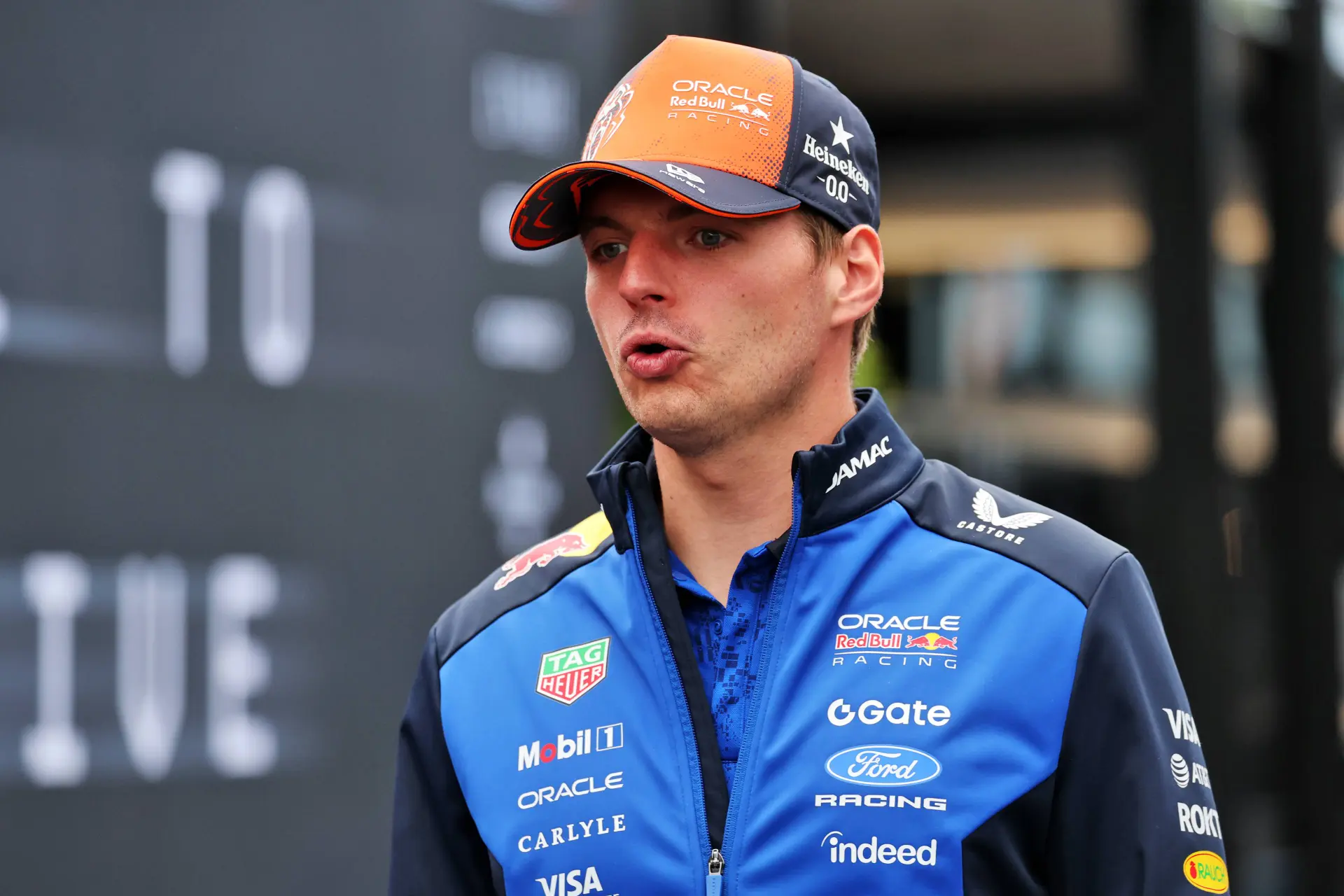
Max Verstappen has a notably different blend: one new hard, two new mediums, one used medium, one new soft and two used softs. Liam Lawson also carries two fresh mediums, but has no used medium, no fresh soft, and four used softs. Ferrari’s Charles Leclerc and Lewis Hamilton each retain two new hards, one new and one used medium, plus one new soft. These stocks offer more soft-compound optionality than the leaders’ allocation. Williams provides a contrast: Alex Albon has one fresh soft, whereas Carlos Sainz has two. Sainz therefore holds the largest fresh-soft reserve among front-running teams in contention.
Every driver enters Sunday with seven available sets, but the balance between fresh and used rubber differs. No driver retains a used hard set, so the hard compound is effectively a fresh-only strategic tool. The leading quartet of Oscar Piastri, Lando Norris, George Russell and Kimi Antonelli, who all share the same allocation: two new hards, one new medium, one used medium, no new softs and three used softs. That is a conservative, race-focused inventory with scope for durable stints.
Max Verstappen has a notably different blend: one new hard, two new mediums, one used medium, one new soft and two used softs. Liam Lawson also carries two fresh mediums, but has no used medium, no fresh soft, and four used softs. Ferrari’s Charles Leclerc and Lewis Hamilton each retain two new hards, one new and one used medium, plus one new soft. These stocks offer more soft-compound optionality than the leaders’ allocation. Williams provides a contrast: Alex Albon has one fresh soft, whereas Carlos Sainz has two. Sainz therefore holds the largest fresh-soft reserve among front-running teams in contention.

From Pirelli
The broader field contains several strategically distinct cases. Arvid Lindblad and Gabriel Bortoleto each have one new hard, one new medium, one used medium and no new softs, leaving them reliant on management rather than an aggressive fresh-soft move. Yuki Tsunoda and Nico Hulkenberg have one new soft apiece, while Esteban Ocon has none. Oliver Bearman’s two new mediums and one new soft create a useful middle ground. Pierre Gasly has two used mediums—the largest used-medium stock, alongside one new hard, one new medium and one new soft. Franco Colapinto mirrors Verstappen’s allocation exactly, adding another possible benchmark for alternative sequencing.
Tyre choice crucial at Zandvoort
At Zandvoort, this distribution is important as an indicator of decision-making capacity. Fresh hards provide a response if the race rewards long running, while new mediums preserve the option to split the event into phases. Fresh softs are the clearest tactical differentiator: they could support an attack after a restart, an undercut attempt, or a late track-position gamble, subject to degradation and race conditions. Drivers without new softs are not disadvantaged automatically, because their three or four used softs may be valuable for qualifying-style pace or short runs. But their choices are more constrained if a decisive final sprint develops.
ADVERTISEMENT

From Pirelli
Among drivers with two fresh hards, McLaren and Mercedes possess the endurance-led options, while Ferrari combines that hard reserve with a new soft. Sainz, Stroll, Alonso, Pérez and Bottas also have two new hards and two new softs, giving their teams more scope to react than headline positions suggest. Verstappen and Colapinto stand out for their two-new-medium allocations; Lawson shares the fresh-medium count but has different soft reserves. Ultimately, the allocation does not predict pace. It identifies who can exploit changing conditions, safety cars, and track evolution without relying on used rubber. Strategy could create opportunities across the field.
Don’t miss GPblog in Google
Mark us as a preferred source and our articles will appear more often at the top of Top Stories.
Add as a preferred / source on Google